
15 Hair Colors For Pale Skin That Will Genuinely Flatter You
Ever stared at a hair color swatch and thought, “Will this actually look good on me, or will I just look washed out?” If you have pale skin, you’ve probably been there. Choosing the wrong shade can leave you looking tired, dull, or even sickly — and that’s the last thing you want after sitting in a salon chair for two hours. I’ve spent years studying how color theory applies to hair, skin undertones, and real-world results, and I’m here to give you the most honest, research-backed breakdown on this topic.
So what are the best hair colors for pale skin? The best hair colors for pale skin include rich brunettes like chocolate and chestnut, cool blondes like platinum and ash, bold reds like auburn and copper, as well as statement shades like burgundy, strawberry blonde, and even black. The ideal choice depends on whether your pale skin has warm, cool, or neutral undertones — matching your undertone to your hair color is the real key.
Keep reading — I’ll walk you through all 15 shades one by one, including which undertones they suit best, what to avoid, common coloring mistakes, and exactly how to take care of your hair once you’ve made your pick.
How Skin Undertones Affect Hair Color Choice
Before jumping into the list, let’s get one thing straight: pale skin isn’t a monolith. Your undertone — the subtle hue beneath the surface of your skin — plays a massive role in which hair colors will make you glow and which ones will make you look washed out.
Here’s a quick primer:
- Cool undertones: Pink, red, or bluish hues beneath the skin. Veins appear blue/purple.
- Warm undertones: Peachy, golden, or yellow hues. Veins appear greenish.
- Neutral undertones: A mix of both. Veins appear blue-green.
Not sure which you are? Look at the inside of your wrist in natural light. That’s usually the most reliable tell. Now, let’s get into the good stuff.
15 Best Hair Colors For Pale Skin
1. Platinum Blonde

Source: @Instagram
Platinum blonde is one of those shades that looks absolutely electric on pale skin — when done right. This near-white, icy shade works best on people with cool or neutral undertones because the absence of warm pigment keeps everything cohesive and fresh. Think of it like a monochromatic look: your light skin and platinum hair create a striking, high-fashion contrast against your eyes and brows.
Why it works: The cool silvery tones in platinum complement pink or bluish undertones rather than clashing with them. It’s dramatic without being jarring.
Practical tip: Toning is non-negotiable. Use a purple toning shampoo weekly to prevent brassiness. Without it, platinum can turn yellow fast, especially if your water is hard.
Best for: Cool and neutral undertones. Avoid if your skin has strong yellow or olive undertones — platinum can make you look pallid.
2. Ash Blonde

Source: @Instagram
Ash blonde is the cooler, more wearable cousin of platinum. It carries subtle grey and green undertones that mute brassiness and give pale skin a sophisticated, editorial edge. Unlike warmer blondes, ash doesn’t compete with fair skin — it harmonizes with it.
Why it works: The muted, de-saturated quality of ash blonde flatters cool-toned pale skin by reflecting similar undertones, creating a soft, polished look.
Practical tip: Ask your colorist for a gloss treatment after lightening to add shine. Ash tones can look flat without some luminosity boost.
Best for: Cool undertones. People with neutral undertones can also pull this off beautifully.
3. Golden Blonde

Source: @Instagram
For pale skin with warm undertones, golden blonde is a dream. This honey-dipped, sun-kissed shade injects warmth and life into fair complexions without overwhelming them. It mimics the look of naturally sun-lightened hair.
Why it works: Warm golden tones bounce off peachy or yellowish undertones in the skin, creating a healthy, glowing appearance. Think California surfer vibes with a lit-from-within quality.
Practical tip: Ask for “balayage” application rather than full highlights — it looks more natural and grows out gracefully.
Best for: Warm and neutral undertones. Can wash out cool-toned pale skin.
4. Strawberry Blonde

Source: @Instagram
Strawberry blonde sits beautifully at the crossroads of blonde and red. It’s a peachy, warm shade that looks absolutely stunning on pale, freckled skin — especially if you have natural ginger tendencies. It’s soft enough to feel natural, but interesting enough to turn heads.
Why it works: The reddish warmth enhances rosy cheeks and peachy undertones without the boldness of a full red.
Practical tip: Avoid going too orange. The key is to keep it rosy-peach, not copper-orange. Ask for a strawberry blonde gloss to refresh the tone every 6–8 weeks.
Best for: Warm undertones, especially those with naturally pinkish or rosy skin.
5. Auburn

Source: @Instagram
Auburn is a rich, reddish-brown that has been flattering pale skin for centuries — think Pre-Raphaelite paintings. It’s warm without being aggressive, and it adds incredible depth to fair complexions.
Why it works: The earthy red tones contrast beautifully with pale skin while adding a sense of richness and dimension. It never looks harsh.
Practical tip: Auburn fades faster than brunette shades. Use a color-protecting shampoo and avoid hot water washes to extend vibrancy.
Best for: Warm and neutral undertones. Works surprisingly well on some cool-toned individuals too, especially if the auburn leans more towards a cool burgundy-red.
6. Copper Red

Source: @Instagram
Bold, fiery, and absolutely unforgettable — copper red is a show-stopper on pale skin. This vivid, metallic shade channels a very specific kind of confidence. It’s warm, bright, and high-contrast against fair skin, making your features pop.
Why it works: Copper’s orange-gold base creates a gorgeous contrast against pale skin, especially when green or blue eyes are in the mix. The effect is almost cinematic.
Practical tip: Copper is one of the fastest-fading shades on the color spectrum. Invest in a sulfate-free shampoo and do a color gloss treatment monthly.
Best for: Warm undertones. Risky for cool-toned pale skin as it can clash with pink or bluish hues — though a slightly cooler copper can work.
7. True Red

Source: @Instagram
Think Rihanna circa “We Found Love,” or Emma Stone’s iconic red carpet moments. True red hair on pale skin is a power move. It’s theatrical, high-fashion, and when matched correctly, undeniably flattering.
Why it works: The contrast between vivid red hair and pale skin is dramatic and intentional — it’s a look that’s been used by stylists for decades to create memorable, head-turning aesthetics.
Practical tip: Determine whether you want a warm red (orange-leaning) or a cool red (violet-leaning) based on your undertone. Cool reds suit cool undertones; warm reds suit warm ones.
Best for: Both cool and warm undertones, depending on the specific red shade chosen.
8. Chocolate Brown

Source: @Instagram
Chocolate brown is rich, deep, and endlessly flattering. On pale skin, it creates a classic, timeless contrast — your complexion looks luminous against the dark, warm brown. It’s one of the most universally flattering brunette shades for fair skin.
Why it works: The warmth in chocolate brown brings out peachy or rosy undertones in pale skin, making it appear healthier and more vibrant. It’s the brunette equivalent of a blush filter.
Practical tip: Add some caramel highlights through the mid-lengths and ends to prevent the color from looking flat or heavy.
Best for: Warm and neutral undertones.
9. Chestnut Brown

Source: @Instagram
Chestnut brown is slightly lighter and more reddish than chocolate brown. It’s a medium, red-brown tone that hits a sweet spot between subtle and statement.
Why it works: The slight redness in chestnut creates warmth and dimension without the full commitment of auburn or copper. It’s a safe, sophisticated choice that always looks intentional.
Practical tip: Chestnut works beautifully as a balayage or ombré — lighter chestnut at the ends fading into a darker root creates the most flattering dimension for pale skin.
Best for: Warm and neutral undertones.
10. Espresso Brown

Source: @Instagram
Going dark can feel risky if you’re pale, but espresso brown — a very deep, almost-black brown — can look absolutely stunning. The key is the right undertone in the color itself.
Why it works: Deep contrast between very pale skin and near-black hair is inherently dramatic and striking. Think Snow White — the archetype of this look.
Practical tip: Avoid true blue-black if you’re a natural brunette — it often looks unnatural and harsh. Espresso with subtle warm undertones reads more naturally and frames the face softly.
Best for: Cool and neutral undertones. Those with warm undertones should choose an espresso with slight warm (not blue) undertones.
11. Jet Black

Source: @Instagram
Jet black is maximum contrast. It’s bold, dramatic, and undeniably glamorous on pale skin. It’s also one of the most low-maintenance color choices — there’s no fading to a brassy tone, and roots are less visible.
Why it works: The stark contrast creates strong definition, making your features appear more chiseled and defined. It’s a high-impact look with minimal upkeep.
Practical tip: Make sure your brows are groomed — jet black hair with pale skin puts your face in high relief, so brows become very visible and impactful.
Best for: Cool undertones. Works best when skin has pink or neutral undertones rather than strong yellow or olive.
12. Burgundy / Wine Red

Source: @Instagram
Burgundy is one of the most underrated shades for pale skin. This deep, violet-tinged red is rich, moody, and incredibly flattering — it’s warm enough to complement pale complexions but cool enough not to clash with pink undertones.
Why it works: The purple-red mix in burgundy creates a jewel-toned depth that makes pale skin look luminous by contrast. It has an almost Victorian romanticism to it.
Practical tip: Burgundy works great as an all-over shade or as rich highlights over dark brunette hair. The latter is especially stunning in sunlight.
Best for: Cool and neutral undertones — one of the rare red-family shades that actually suits cool skin tones.
13. Lavender / Pastel Purple

Source: @Instagram
Feeling adventurous? Lavender is a soft, whimsical fantasy color that has a surprisingly harmonious effect on pale skin. It reads cool and ethereal, making your complexion look almost luminescent.
Why it works: Lavender has a bluish-cool base that complements the pink and cool tones in pale skin. The softness of the pastel prevents it from overpowering a fair complexion.
Practical tip: Pastel colors require pre-lightening to platinum first, which is high commitment. Always do a strand test. Use a color-depositing conditioner in a matching lavender shade to maintain vibrancy between salon visits.
Best for: Cool and neutral undertones.
14. Silver / Grey

Source: @Instagram
Grey hair on young people? Absolutely yes. Silver and grey are having a massive fashion moment, and pale skin is the perfect canvas for it. The cool metallic tones create an otherworldly, high-fashion look.
Why it works: Silver tones in hair reflect similarly cool tones in pale skin, creating a cohesive and intentional aesthetic. It’s the color equivalent of a minimalist monochrome outfit.
Practical tip: Silver fades quickly to yellow. Purple shampoo is your best friend — use it at least twice a week to maintain the cool tone.
Best for: Cool undertones. A silver with slight warm shimmer can work for neutral undertones too.
15. Balayage / Dimensional Highlights (Mix Technique)

Source: @Instagram
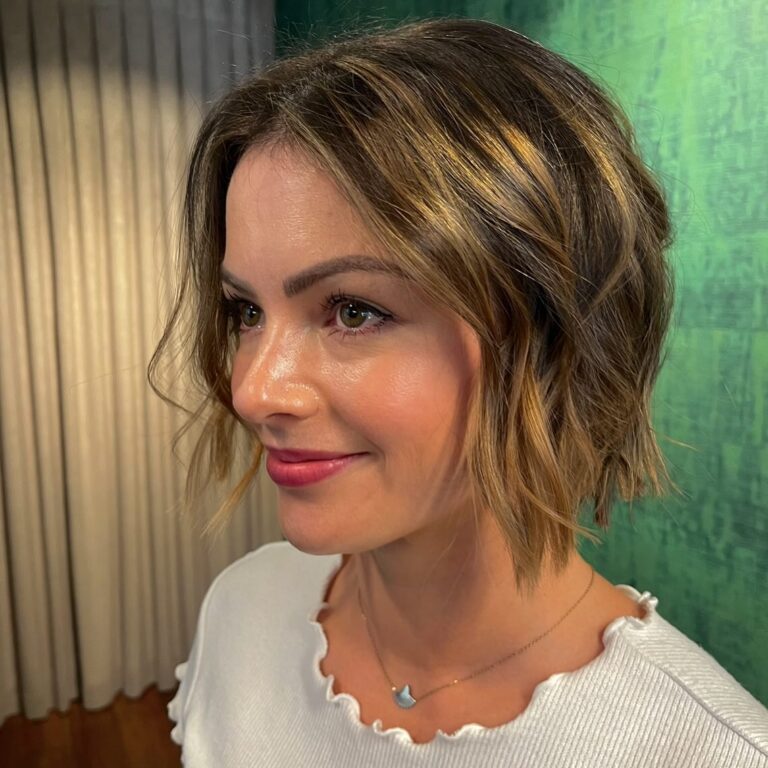
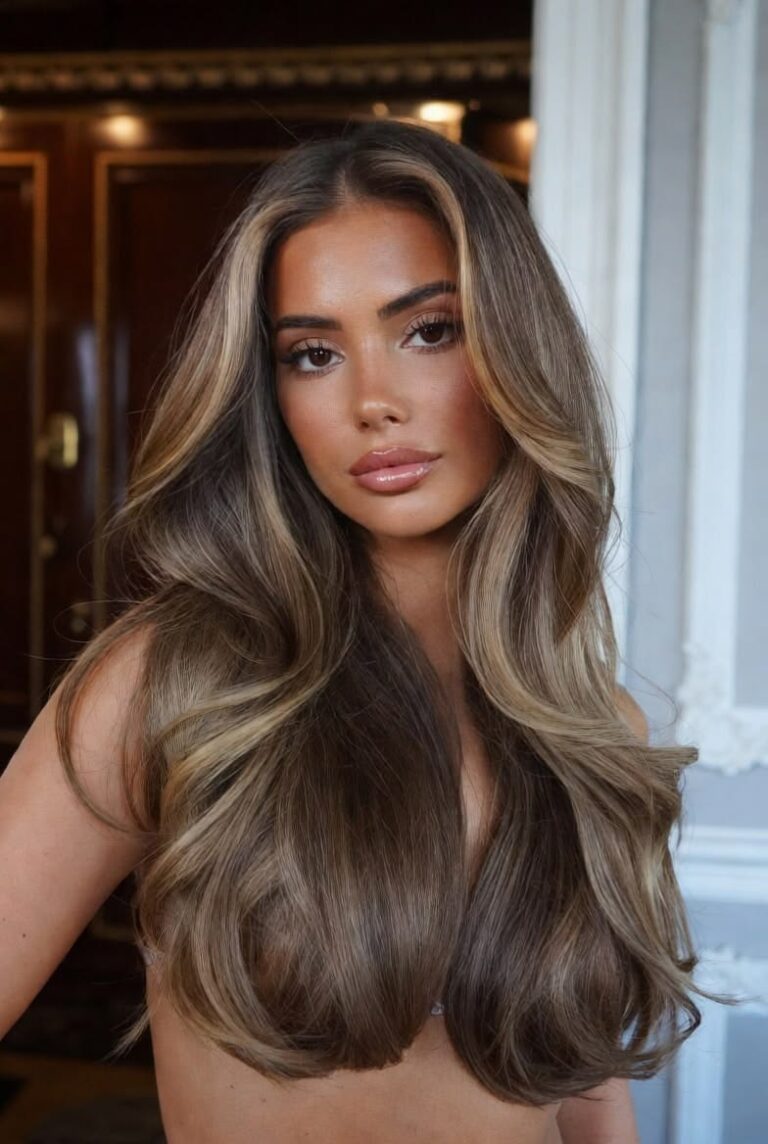
Balayage isn’t technically a “color” — it’s a technique — but it deserves its own spot because it’s genuinely one of the most flattering things you can do for pale skin. By blending 2–3 complementary shades, balayage creates natural-looking depth and luminosity.
Why it works: Pale skin can make single-process colors look flat or stark. Balayage adds visual dimension, so the hair looks lived-in, multidimensional, and naturally sun-kissed — which in turn makes pale skin glow rather than just “appear light.”
Practical tip: Work with your colorist to choose base and highlight shades that both complement your undertone. Don’t mix warm and cool tones unless you want a specific effect.
Best for: All undertones — the beauty of balayage is its customizability.
Quick Reference Table: Best Hair Colors by Undertone
| Hair Color | Cool Undertones | Warm Undertones | Neutral Undertones |
|---|---|---|---|
| Platinum Blonde | Best | Avoid | Works |
| Ash Blonde | Best | Avoid | Works |
| Golden Blonde | Risky | Best | Works |
| Strawberry Blonde | Risky | Best | Works |
| Auburn | Depends | Best | Works |
| Copper Red | Risky | Best | Depends |
| True Red (Cool) | Best | Avoid | Works |
| True Red (Warm) | Avoid | Best | Works |
| Chocolate Brown | Risky | Best | Works |
| Chestnut Brown | Depends | Best | Works |
| Espresso Brown | Works | Depends | Best |
| Jet Black | Best | Risky | Works |
| Burgundy | Best | Risky | Works |
| Lavender/Pastel | Best | Avoid | Works |
| Silver/Grey | Best | Avoid | Depends |
Maintenance Expectations By Color Type
| Color Type | Fade Speed | Upkeep Frequency | Difficulty Level | Average Cost (Salon) |
|---|---|---|---|---|
| Platinum Blonde | Fast | Every 6–8 weeks | High | $150–$300+ |
| Ash/Cool Blonde | Moderate | Every 8–10 weeks | Medium | $100–$200 |
| Golden/Warm Blonde | Moderate | Every 8–10 weeks | Medium | $100–$200 |
| Red/Copper | Very Fast | Every 4–6 weeks | High | $120–$250 |
| Brunette (any) | Slow | Every 10–12 weeks | Low–Medium | $80–$180 |
| Black/Espresso | Very Slow | Every 12+ weeks | Low | $70–$150 |
| Fantasy (Lavender, Silver) | Very Fast | Every 3–4 weeks | Very High | $200–$400+ |
| Balayage | Slow | Every 12–16 weeks | Medium | $150–$350 |
Common Mistakes When Choosing Hair Colors for Pale Skin (And How to Avoid Them)
1. Ignoring Your Undertone
This is the #1 mistake. Pale skin doesn’t equal “any cool color works.” A warm-toned pale person who goes platinum blonde will look washed out and sallow. Always identify your undertone first.
Fix: Use the vein test, hold a white piece of paper next to your face in natural light, or consult a colorist for a professional undertone assessment.
2. Going Too Warm Without Balance
Warm colors like copper and golden blonde are gorgeous — but going too saturated without any cooling element can make warm-toned pale skin look red and flushed.
Fix: Ask your colorist to add a subtle cooler tone in the gloss to balance the overall warmth.
3. Choosing Colors That Are Too Close to Your Skin Tone
This creates a washed-out, no-contrast look. Very pale blonde on very pale skin with light eyebrows = invisible.
Fix: Embrace contrast. If your skin is very light, go either noticeably lighter (platinum) or noticeably richer (brunette, burgundy). Avoid “middle ground” beige or dirty blonde shades.
4. Skipping Toners and Glosses
After lightening, unmanaged yellow or brassy tones are a nightmare on pale skin — they read as sickly rather than golden.
Fix: Never skip your toner appointment. Ask for an in-salon gloss every 6–8 weeks to maintain tone.
5. Over-Lightening at Home
Box blonde dye on pale skin rarely goes the way the box promises. Over-lightening causes damage and often produces an uneven, brassy result.
Fix: For anything lighter than your natural shade, see a professional. It’s worth the investment.
Similar Variations Worth Exploring
If you loved a color on this list but want to explore adjacent options, here’s a quick guide:
- Loved platinum? Try white blonde or silver for an even cooler take.
- Loved auburn? Try mahogany (deeper, more violet-leaning) or copper (brighter, more orange-leaning).
- Loved chocolate brown? Try mocha (lighter, more milky) or espresso (darker, more dramatic).
- Loved burgundy? Try cherry red (brighter), plum (more purple-leaning), or oxblood (darker).
- Loved lavender? Try rose gold (warmer and peachy), blue (bolder), or lilac (lighter).
- Loved balayage? Try sun-kissed highlights, babylights (finer, more delicate highlights), or money pieces (bold face-framing highlights only).
Hair Care Tips for Pale Skin Hair Colors
Getting the color is half the battle. Keeping it looking great is the other half. Here’s what I recommend:
For Blonde Shades:
- Use a purple or blue toning shampoo 1–2 times per week
- Deep condition weekly — lightening is damaging
- Avoid chlorine (use a swim cap or pre-wet hair before swimming)
- Protect from UV rays with a UV-filter hair spray
For Red and Copper Shades:
- Red molecules are the largest in hair dye and fade fastest — embrace color-depositing conditioners
- Wash hair in cool water — heat opens cuticles and releases color
- Limit washing to 2–3 times per week maximum
For Dark Shades (Brunette, Black):
- Use color-protecting shampoo to prevent fading
- Avoid sulfates — they strip color aggressively
- Add a weekly glossing treatment for shine, especially with espresso or jet black
For Fantasy Colors (Lavender, Silver):
- Invest in professional color-depositing masks in matching shades
- Expect to touch up every 3–4 weeks
- Use heat protectant religiously — heat fades fantasy colors fastest
Universal Tips:
- Silk pillowcases reduce friction and color fading overnight
- Limit heat styling — embrace air-drying where possible
- A bond-building treatment (like Olaplex) is invaluable if you’re regularly coloring
Outro
Choosing the right hair colors for pale skin really comes down to two things: knowing your undertone and not being afraid to commit. Whether you go for the dramatic contrast of jet black, the warmth of copper red, or the ethereal softness of lavender, there is absolutely a shade out there that will make your complexion look luminous and alive. Don’t let fear of getting it wrong keep you in a colorless rut.
I hope this guide gives you the confidence to walk into your next salon appointment knowing exactly what you want — and why it’ll look amazing. The right hair color for pale skin isn’t about following trends; it’s about understanding what works for your specific canvas. Now go book that appointment.