16 Fulani Braids That Are Breathtaking, Bold, and Completely Worth It
I’ve studied protective styles for years, and I can tell you with full certainty: when it comes to cultural richness, stunning visual impact, and genuine hair protection, very few styles hold a candle to Fulani braids. This guide is the most thorough, practical, and honest breakdown of this style you’ll find anywhere.
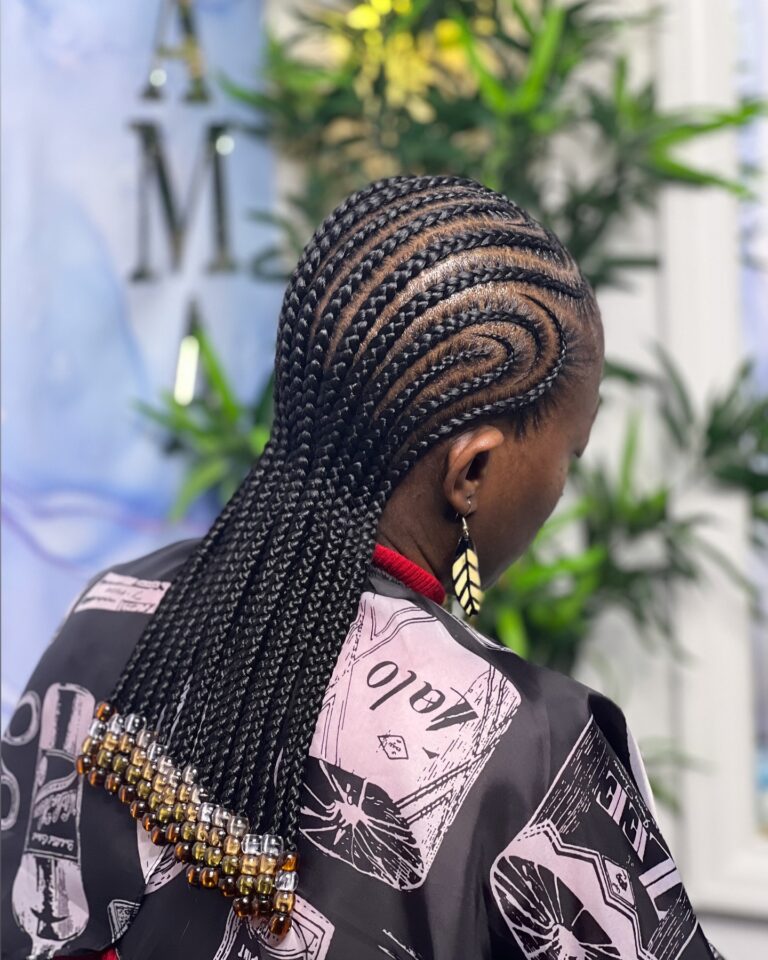
So, what exactly are Fulani braids? Fulani braids are a traditional West African braiding style originating from the Fula (Fulani) people. They typically feature a cornrow braided down the center of the scalp, braids along the sides, and often incorporate beads, cowrie shells, or thread for decoration. They can be worn short or long, with or without extensions.
Keep reading — because I’m covering 16 gorgeous variations, a full breakdown of who each style suits, the most common mistakes people make (and how to dodge them), and a complete hair care routine to keep your scalp healthy under the braids.
What Makes Fulani Braids Different from Other Braided Styles?
Before we get into the looks, let’s be clear about what actually defines a Fulani braid. A lot of styles get mislabeled online, and I want you to walk away knowing the difference.
Fulani braids have three signature characteristics:
- A center cornrow: One braid running straight down the middle of the scalp from front to back — this is the defining structural feature.
- Side braids: Cornrows or individual braids along both sides, often pulled back or left loose depending on the variation.
- Accessories: Beads, cowrie shells, metallic cuffs, or thread wrapped around sections — not optional decoration, but a core part of the cultural aesthetic.
The style traces back centuries to the Fula people of West and Central Africa, worn as a marker of identity, beauty, and social status. Today it’s celebrated globally as both a protective style and a form of cultural expression.
16 Fulani Braid Styles You’ll Want to Try Immediately
1. The Classic Fulani Braid

Source: @Instagram
This is the style that started it all — and it still holds up as one of the most beautiful braided looks you can wear. The classic Fulani features a single cornrow running down the center part, with neat cornrows on either side feeding back. Individual braids hang down freely, typically adorned with beads at the ends and cowrie shells woven into the cornrows near the scalp.
Who it suits: All face shapes. The center braid creates symmetry that balances most facial structures naturally.
Styling tip: When adding beads, thread them onto the braid before securing the tip, then fold the end under and seal with a lighter or hot water dip (for synthetic extensions). This prevents beads from sliding off.
If you love the classic but want more texture, the next style is a natural evolution.
2. Fulani with Knotless Braid

Source: @Instagram
Here’s a modern hybrid that’s taken over feeds everywhere: Fulani style cornrows at the front and center, transitioning into knotless box braids at the back. The knotless technique starts each individual braid with your own hair and gradually adds extension, which means zero tension at the root and a significantly more comfortable installation.
Who it suits: All face shapes. The volume of knotless braids adds fullness at the back, which balances narrower facial structures especially well.
Styling tip: For this combo, ask your braider to keep the Fulani cornrows tighter than the knotless braids — the different tensions create a more intentional contrast between the two sections.
3. Fulani Braids with Curly Ends

Source: @Instagram
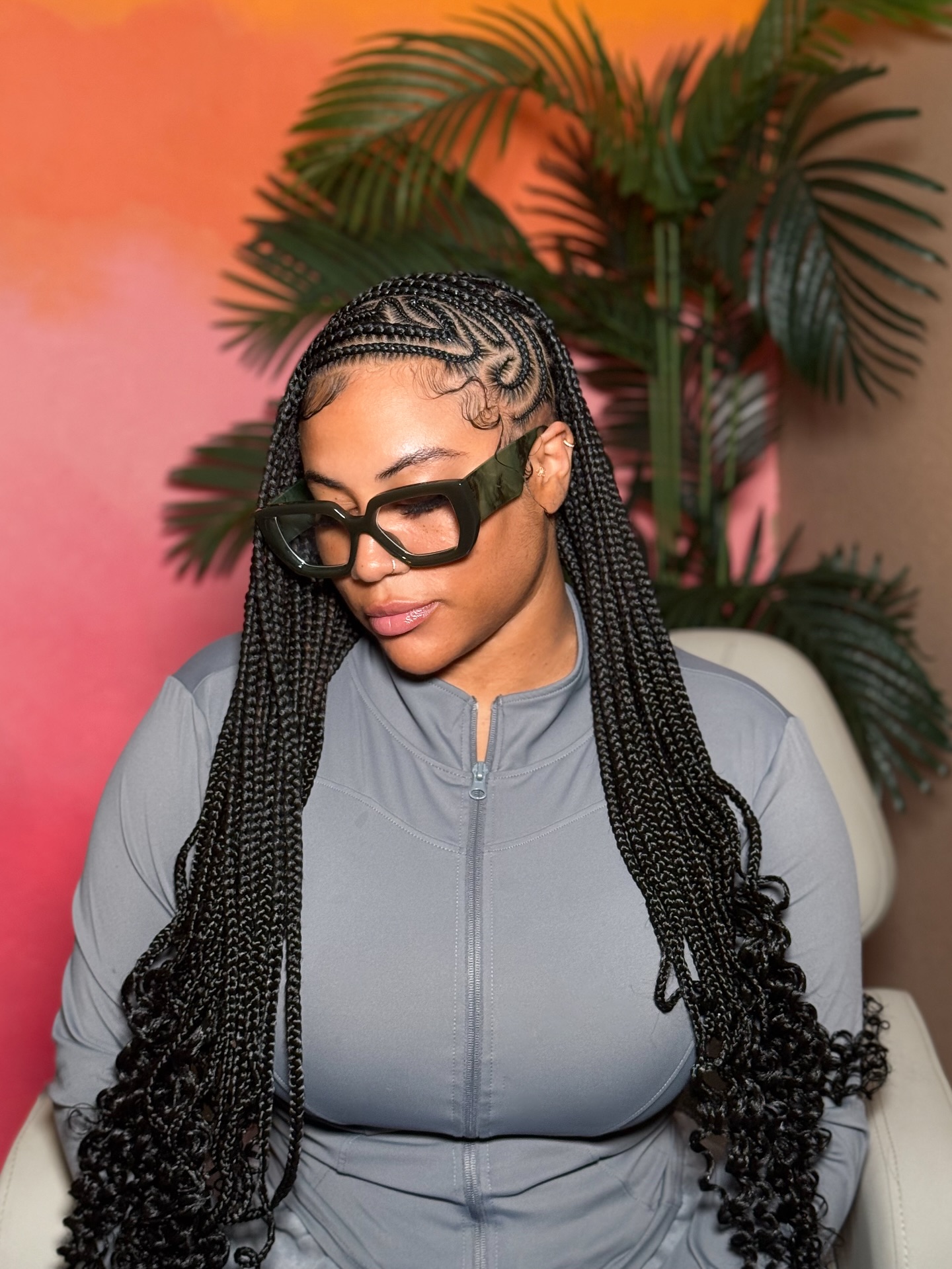
Want something softer and more romantic? Ask for Fulani braids finished with curly ends rather than straight or sealed tips. The braids transition into a loose crochet-style curl at the bottom — usually achieved with wavy or curly extension hair added in at the last few inches. The result is structured at the root and loose and flowing at the ends.
Who it suits: Oval, round, and heart face shapes. The added volume at the ends balances narrower chins and complements rounder faces when worn with a slightly off-center part.
Styling tip: To maintain curl definition on the ends, spritz with a water-glycerin mixture daily and scrunch gently. Avoid touching the curls too much — repeated handling loosens and frizzes them.
4. Jumbo Fulani Braids

Source: @Instagram
Bigger, bolder, faster to install. Jumbo Fulani braids use thicker sections of hair for each braid, creating dramatic, statement-making plaits that hang heavily and beautifully. This version has a distinctly modern, high-fashion energy while keeping all the traditional structural elements intact.
Who it suits: Long, oval, and oblong face shapes. The size of jumbo braids adds significant visual weight — on slender or longer faces, this creates flattering fullness. On very round faces, keep them pulled back or elevated to avoid adding too much width at the sides.
Styling tip: With jumbo braids, beads need to have a wider inner diameter than standard beads — standard sizes often don’t thread over thick braids. Look specifically for “large-hole” braiding beads when shopping.
5. Fulani Braids with Tribal Thread Wrapping

Source: @Instagram
Thread wrapping is one of the most visually striking Fulani braid variations and one of the most deeply rooted in tradition. Sections of the braid — typically the cornrow center section and some of the individual braids — are tightly wrapped in colorful thread, creating a textured, patterned effect. Black and gold are classic color combinations; red and orange are bolder choices.
Who it suits: All face shapes. The vertical lines created by thread wrapping actually elongate the face slightly, making this especially flattering on round and square face shapes.
Styling tip: Natural fiber thread (like cotton embroidery floss) is more comfortable and less slippery than synthetic thread. Wrap tightly but not so tight that it creates tension on the scalp — you should be able to slide a fingernail under the thread without strain.
6. Fulani Braids with Side Swept Design

Source: @Instagram
Instead of symmetrical cornrows on both sides, the side-swept variation takes all the cornrow sections and directs them to one side before feeding into the individual braids. The result is a single dramatic sweep of braided hair that falls heavily to one side — part asymmetrical, part classic, entirely chic.
Who it suits: Oval and heart face shapes. The one-sided weight creates an elegant visual tilt that adds interest to balanced face shapes without overwhelming them.
Styling tip: On the side with more braids, tuck or clip a few braids behind the ear to reveal facial structure and keep the look from becoming too heavy on one side. A single cowrie shell on the tucked section looks intentional and beautiful.
7. Short Fulani Braids (Shoulder Length)

Source: @Instagram
Not everyone wants waist-length braids — and Fulani braids cut short at the shoulders are criminally underrated. The shorter length makes this style significantly lighter, easier to manage, and faster to install. All the signature Fulani elements (center cornrow, beads, side braids) are preserved, just in a more compact format.
Who it suits: Round and square face shapes. Shorter braids that sit at or above the shoulder don’t add visual length the way long braids do, which helps balance rounder or wider face shapes.
Styling tip: At shoulder length, the braid ends are very visible — so seal them properly and neatly. A hot water dip (dipping braid ends in hot water to seal synthetic extensions) gives a cleaner, more polished finish than a lighter seal at this length.
8. Fulani Braids in a Half Up Half Down Style

Source: @Instagram
Take your Fulani braids and gather the top half into a high bun or loose topknot, letting the lower half fall freely. This styling technique works beautifully on braids of any length and is especially practical for hot weather — you get the braids off your neck without committing to a full updo.
Who it suits: All face shapes. The height from the topknot elongates shorter face shapes, while leaving the lower braids loose softens more angular structures.
Styling tip: Use a satin scrunchie rather than a regular elastic to gather the upper section — regular elastics catch on braids and cause frizz and breakage at the gathering point. A satin scrunchie slides off cleanly when you undo the style.
9. Fulani Braids with Cowrie Shell Crown

Source: @Instagram
This is a style that commands a room. The cowrie shell crown variation places a decorative arc of shells and beads across the front hairline, almost like a crown or headband made entirely of accessories woven into the braids themselves. It’s maximalist, cultural, and absolutely unforgettable.
Who it suits: Oval and long face shapes. The horizontal line of the cowrie crown adds width across the forehead, which balances longer or narrower facial proportions beautifully.
Styling tip: Cowrie shells with pre-drilled holes are easier to work with than clasp-style shells. Thread them onto a thin piece of fishing line first to plan your pattern, then transfer them onto the braid sections one by one during installation.
10. Fulani Braids with a Pop of Color
Source: @Instagram
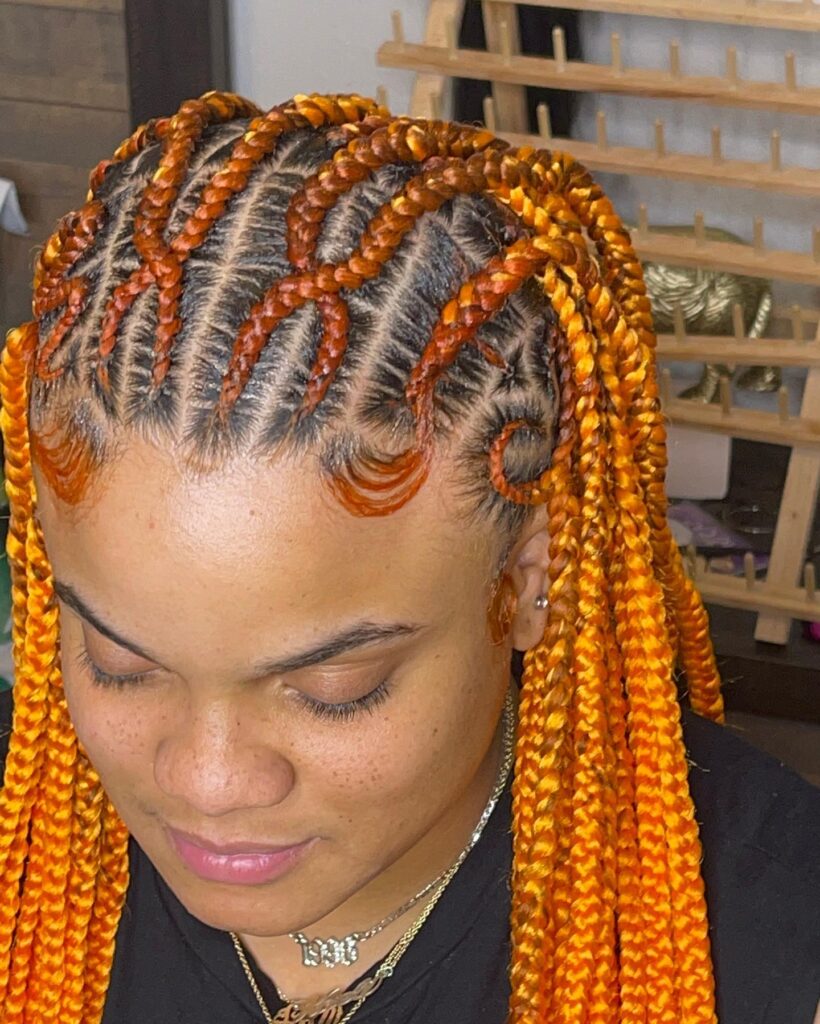
Colored extension hair woven into Fulani braids takes the style from classic to contemporary in seconds. A single pop of burgundy, honey blonde, or cobalt blue — woven into a few braids or the center cornrow — adds dimension and personality without requiring a full color commitment.
Who it suits: All face shapes. Color placement can be adjusted to suit any structural need — blonde pieces near the face brighten and open; darker colors at the sides slim.
Styling tip: When mixing colors, choose two shades that are within three tones of each other for a subtle, blended effect, or go three or more tones apart for a deliberate contrast look. A muddy in-between is the least flattering option — commit one way or the other.
11. Fulani Braids with Feed-In Cornrows

Source: @Instagram
Feed-in cornrows start with your natural hair only, then gradually add extension hair as the braid progresses. This creates a flat, natural-looking cornrow at the root that doesn’t have the telltale “bump” of traditional extension-heavy cornrows. For the Fulani style specifically, feed-in technique on the center cornrow creates a sleek, seamless part that looks incredibly polished.
Who it suits: All face shapes. The cleaner, flatter cornrow sits closer to the scalp, which actually makes face shape differences less prominent — this is one of the most universally flattering Fulani variations.
Styling tip: Feed-in cornrows require more skill and time than standard cornrows. Look for a braider who specifically lists “feed-in” as a service — not all braiders do this technique, and an untrained attempt will be obvious.
12. Goddess Fulani Braids

Source: @Instagram
The goddess variation incorporates soft, wavy extension hair woven into or added between the individual braids, creating a romantic, flowing look that contrasts the structured cornrows. Think of it as Fulani meets mermaid — structured at the roots, dreamy everywhere else.
Who it suits: Heart and oval face shapes. The softness of the wavy extensions around the face flatters more delicate bone structures, and the contrast between structured braids and loose waves creates visual interest.
Styling tip: Goddess braids tend to have a shorter lifespan than standard braids because the loose wave sections frizz faster. Use a lightweight braid spray (look for ones with glycerin and aloe) on the wavy sections every two to three days to keep them looking fresh.
13. Stitch Fulani Braids

Source: @Instagram
Stitch braids use a cornrowing technique where the braider creates perfectly spaced “stitches” — clean horizontal lines across the cornrow that make each braid look almost sculpted. When used in Fulani styling, stitch braids on the side sections create a geometric, high-fashion effect that photographs stunningly.
Who it suits: Oval and square face shapes. The clean, precise lines of stitch braids emphasize structure — this suits people with strong bone structure particularly well.
Styling tip: Stitch braids require extremely precise parting and even tension throughout. They also take longer to install. Budget at least one to two extra hours compared to standard Fulani installation if you’re adding the stitch technique.
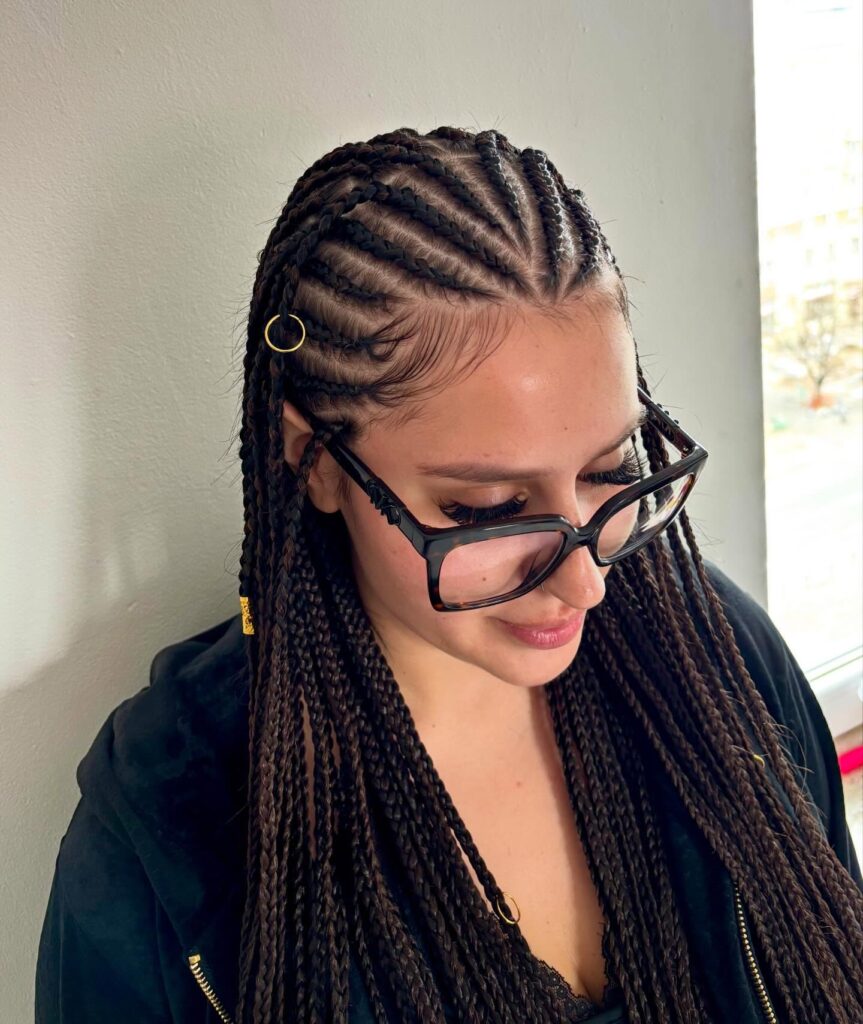
14. Mini Fulani Braids
Source: @Instagram
Where jumbo braids make a bold statement, mini Fulani braids whisper sophistication. Smaller sections, finer braids, and more of them — this variation is time-intensive to install but creates an incredibly intricate, detailed look when finished. Beads look especially beautiful on mini braids because the contrast between the fine braid and the bead is more dramatic.
Who it suits: Long and oval face shapes. The sheer number of fine braids creates significant visual volume — this can overwhelm rounder or wider faces unless gathered up or pulled back.
Styling tip: Mini braids need very small, fine-hole beads. Look for seed beads or small wooden beads marketed for jewelry-making — standard braiding beads are too large and will slide. Use a threading tool (a wire loop needle) to get the bead onto the fine braid easily.
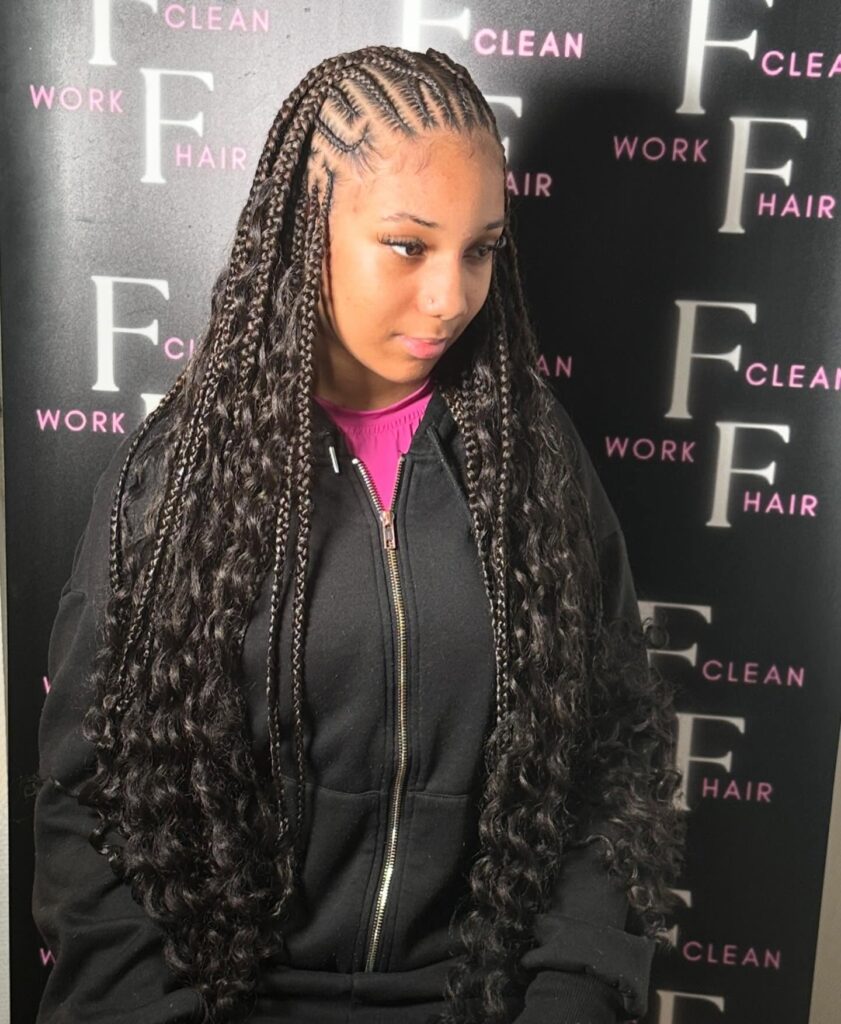
15. Bohemian Fulani Braids
Source: @Instagram
The bohemian Fulani is less structured, more organic. The cornrows are present but slightly less uniform, the individual braids are looser, and the accessories lean earthy — think wooden beads, natural shells, and fabric cord rather than metallic cuffs and polished cowries. It’s the free-spirited interpretation of a traditionally structured style.
Who it suits: All face shapes. The organic, soft energy of the bohemian variation is forgiving and flattering across different structures.
Styling tip: For authentic boho energy, mix your bead materials intentionally — alternate wooden beads, metal cuffs, and shell pieces rather than using all of one type. Variety in texture creates that effortlessly layered look.
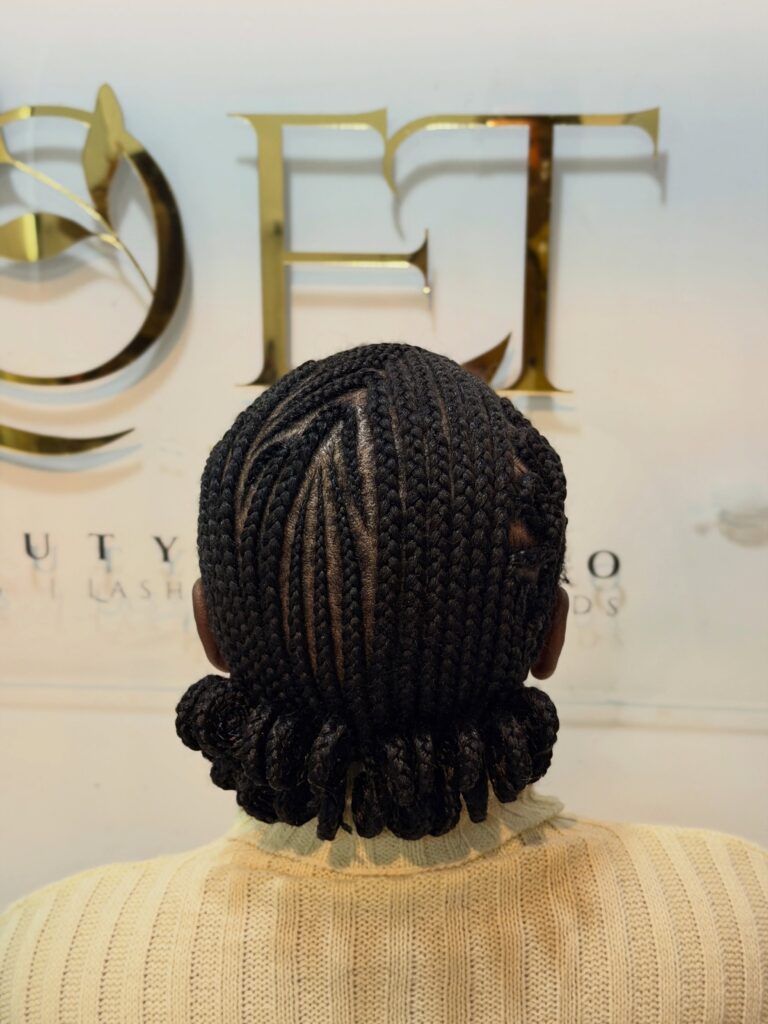
16. Fulani Braids with a High Bun Finish

Source: @Instagram
Take every single braid and gather them into a high, voluminous bun at the crown of the head. Leave the front Fulani cornrows as they are — those structured sections framing the face stay down and flat — while the braids themselves are lifted up and wound into a bun. The combination of the flat, close-to-the-scalp cornrow section and the full bun above creates an architectural, sculptural silhouette.
Who it suits: Round, square, and heart face shapes. The height of the bun elongates the face significantly, creating a longer, more oval appearance for rounder structures. Heart faces benefit from the weight being centered upward rather than falling around the jaw.
Styling tip: Secure the bun with multiple bobby pins inserted horizontally into the base — not just a single elastic. This distributes the weight of the braids more evenly and prevents the bun from drooping or pulling painfully on the scalp.
Quick Reference Tables
Fulani Braids by Face Shape
| Face Shape | Best Styles | Features to Seek | What to Avoid |
|---|---|---|---|
| Oval | Any style | Open canvas — all variations work well | Nothing off-limits |
| Round | Short Braids, Stitch Braids, High Bun | Height at crown, upward volume, clean lines | Styles that add heavy width at the sides |
| Square | Thread Wrapping, Bohemian, Half-Up | Softness around the jaw; vertical lines | Very structured, geometric styling with no softness |
| Heart | Goddess Braids, Curly Ends, Cowrie Crown | Softness at lower face; horizontal elements at brow | Very heavy, voluminous ends that widen the jaw area |
| Long/Oblong | Jumbo Braids, Cowrie Crown, Jumbo Color | Width-adding elements; horizontal accents | Very long, narrow braids with no width |
Fulani Braid Maintenance Schedule
| Week | Task | Products Needed | Time Required |
|---|---|---|---|
| Week 1 | Scalp moisturizing + edge care | Lightweight scalp oil, edge control | 10 min |
| Week 2 | Scalp wash (dry shampoo or diluted shampoo) | Dry shampoo or applicator bottle | 15–20 min |
| Week 3 | Scalp moisturizing + braid refresh | Braid spray, scalp oil | 10 min |
| Week 4–5 | Full wash day or removal decision | Clarifying shampoo, deep conditioner | 45–60 min |
| Week 6–8 | Maximum recommended wear — remove braids | Detangling conditioner, wide-tooth comb | 1–2 hours |
Installation Cost and Time Reference
| Variation | Average Install Time | Average Cost (USD) | Longevity |
|---|---|---|---|
| Classic Fulani | 3–4 hours | $80–$150 | 4–6 weeks |
| Knotless + Fulani Hybrid | 5–7 hours | $150–$250 | 6–8 weeks |
| Mini Fulani Braids | 7–10 hours | $200–$350 | 6–8 weeks |
| Jumbo Fulani | 2–3 hours | $70–$130 | 3–5 weeks |
| Goddess Fulani | 5–8 hours | $180–$280 | 4–6 weeks |
| Stitch Fulani | 5–7 hours | $150–$220 | 5–7 weeks |
Prices vary significantly by location, braider experience, and hair length.
Common Mistakes and How to Avoid Them
Mistake 1: Installing on Unwashed, Unconditioned Hair
This is the most widespread Fulani braid mistake. People rush to their appointment without washing first — and then their scalp itches and smells within a week. Always wash, deep condition, and fully dry your hair before your braiding appointment. Braiding on dirty hair traps sebum and product buildup under the braids for weeks.
Mistake 2: Too-Tight Tension at the Roots
If your edges look pulled, your scalp hurts the moment the braid is installed, or you get tension headaches in the first 24 hours — those braids are too tight. This isn’t “normal adjustment pain.” Persistent tension causes traction alopecia, which is permanent hair loss along the hairline. Speak up during installation if anything feels painful.
Mistake 3: Neglecting the Scalp Under Braids
Out of sight, out of mind — until your scalp is screaming. The scalp still produces oil and sheds dead skin cells whether your hair is braided or not. Use a diluted shampoo in an applicator bottle or dry shampoo directly on the scalp every one to two weeks to prevent buildup, itching, and odor.
Mistake 4: Wearing Braids Too Long
Six to eight weeks is the outer limit for Fulani braids. Beyond that, the shed hair (that your scalp naturally releases daily) has nowhere to go — it tangles around the base of the braids and creates painful mats when you remove them. The longer you wait past eight weeks, the longer and more painful the removal process.
Mistake 5: Skipping Edge Care
The delicate hairs along your hairline and temples are the most vulnerable to tension and breakage. Apply a lightweight edge oil (not heavy gel) to your edges every two to three days under the braids. Avoid applying gel directly on the braids themselves — it causes white flaking on dark braids and stiffens the hair.
Mistake 6: Removing Braids Dry
Never remove Fulani braids on completely dry hair. Saturate each braid with a generous amount of detangling conditioner or a coconut oil and water mixture before unraveling. Work from the tips upward, unraveling slowly rather than pulling. This alone prevents most of the breakage that people incorrectly attribute to braids themselves.
Similar Variations Worth Exploring
If you love the Fulani braid aesthetic but want to explore neighboring styles:
Lemonade Braids — Side-swept cornrows without the center braid or individual hanging braids. Similar geometric precision, different silhouette. Made famous by Beyoncé.
Tribal Braids — An umbrella term for braiding styles that incorporate beads, shells, and thread in cultural styling. Often overlaps with Fulani aesthetics.
Cornrow Crown — A braid style where all cornrows wrap around the head like a crown rather than running straight back. No individual hanging braids, fully pinned up.
Fulani-Inspired Passion Twists — Passion twists installed with a Fulani layout (center cornrow, side braids going back) for a softer, springier interpretation of the traditional structure.
Hair Care Tips for Fulani Braids
Protective styling only protects your hair if you protect it properly underneath. Here’s what I actually recommend:
Pre-Braid Prep Wash with a clarifying shampoo to remove all buildup. Deep condition for at least 20 minutes under heat. Let hair dry completely before the appointment — braiding on wet or damp hair creates a breeding ground for mildew under the braids, which causes an unpleasant smell that no braid spray can fully cover.
Scalp Hydration During Wear Use a lightweight oil like jojoba, grapeseed, or sweet almond oil — not coconut oil, which is too heavy and solidifies at room temperature, potentially clogging scalp follicles. Apply every two to three days directly to the scalp using an applicator nozzle or your fingertip, focusing on the parts and the edges.
Nighttime Protection A satin or silk bonnet is non-negotiable. It reduces friction on the braid surface, prevents the decorative beads from snagging on pillowcases, and keeps the edges from drying out overnight. If a bonnet won’t stay on, a satin pillowcase is the next best option.
Braid Refreshing When the braids start to look dull around week three, a light mist of braid spray (look for aloe vera, glycerin, and light oil as key ingredients) and a very gentle smoothing with your hands can revive them considerably. Don’t use mousse or heavy gel on the braid surface — these products cause white residue and flaking.
Moisture for Natural Hair Post-Removal After removing Fulani braids, your natural hair will need serious rehydration. Follow removal with a detangling conditioner, a gentle finger-detangle session, and then a moisturizing deep conditioning treatment for at least 30 minutes. Give your scalp at least one to two weeks of breathing room before reinstalling protective styles.
Protein-Moisture Balance Long-term protective styling can leave natural hair protein-deficient or over-moisturized depending on your routine. Every two weeks post-removal, assess your hair’s elasticity: if it stretches a lot before breaking, it needs protein; if it snaps with almost no stretch, it needs moisture. This balance is what keeps hair thriving through protective style cycles.
Outro
Fulani braids are more than a hairstyle — they’re a living connection to centuries of African beauty tradition, worn today by millions of people who love both their cultural significance and their undeniable visual impact. Whether you go for the timeless classic with cowrie shells and beads, a modern goddess variation with flowing curly ends, or a high-fashion stitch braid interpretation, every version of Fulani braids carries that same unmistakable identity. Take care of your scalp, communicate clearly with your braider, and wear them proudly. Fulani braids deserve every bit of the love they get.