17 Short Shaggy Haircuts That Are Totally Having a Moment Right Now
Ever looked in the mirror and thought, “I want something edgy, effortless, and just a little bit wild — but not too long”? If that sounds like you, then short shaggy haircuts might just be the answer you’ve been searching for. I’ve spent years obsessing over hair trends, and I can tell you with full confidence: the shag is back, louder and bolder than ever.
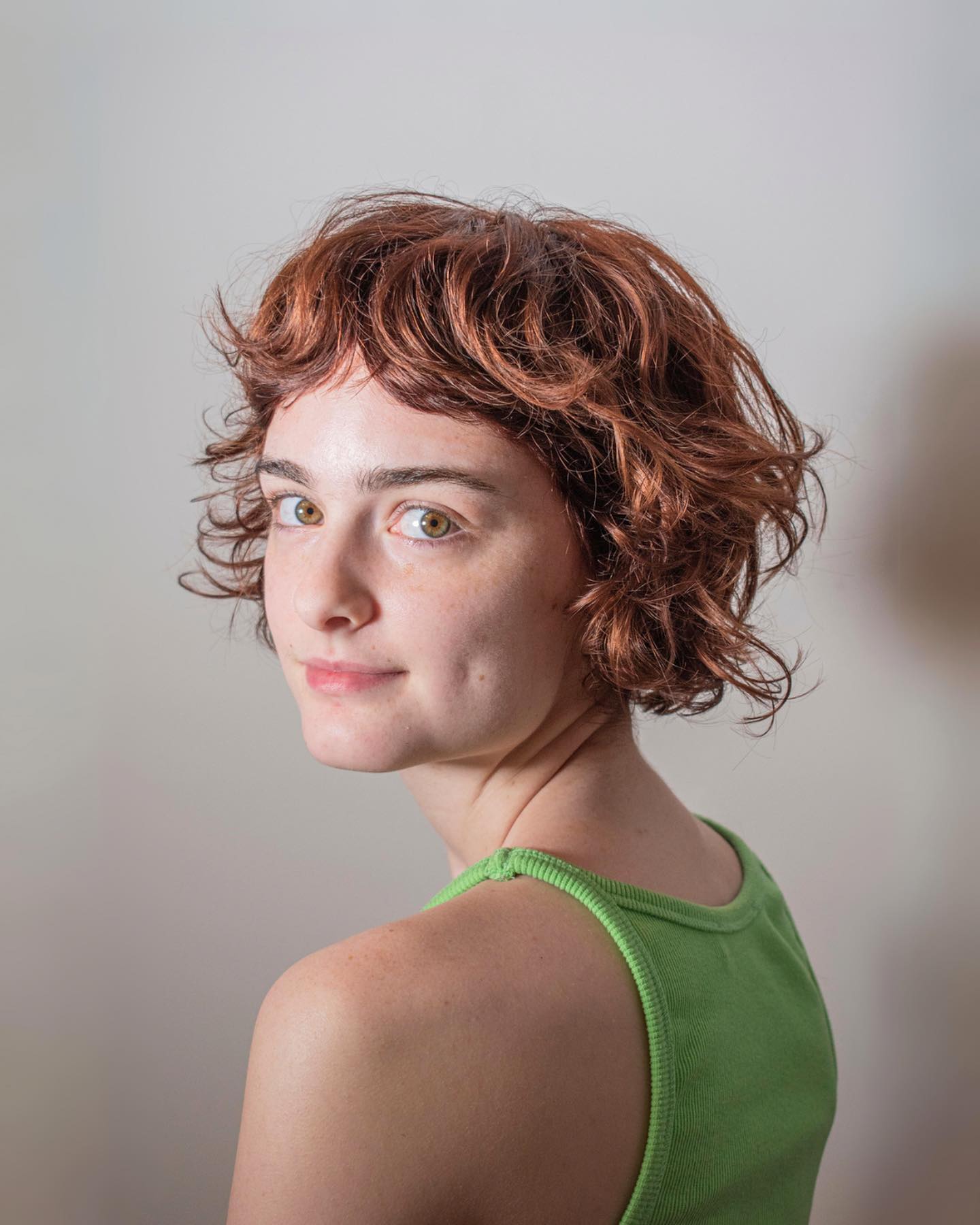
So, what exactly are short shaggy haircuts? Short shaggy haircuts are layered cuts that typically fall above the shoulders, featuring choppy ends, face-framing layers, and often paired with curtain bangs or wispy fringe. They work on straight, wavy, and curly hair textures, suit most face shapes, and require surprisingly low maintenance once you nail the right cut for your hair type.
In this guide, I’m breaking down 17 of the most stunning short shaggy styles you can try right now — complete with styling tips, a breakdown of who each style suits, common mistakes to avoid, and a hair care routine built specifically for shaggy cuts. Whether you’re a first-timer or a shag veteran ready to switch things up, keep reading — there’s something here for everyone.
What Makes a Haircut “Shaggy”? Let’s Clear That Up First
Before we dive into the looks, I want to make sure we’re on the same page. A shaggy haircut isn’t just a messy cut. It’s a deliberate style built on three key elements:
- Layers: Multiple lengths stacked throughout the hair to add movement and volume.
- Texture: Choppy, point-cut, or razor-cut ends that remove bulk and create a lived-in feel.
- Face-framing: Pieces around the face (often paired with curtain bangs or side-swept fringe) that soften the overall look.
The short shaggy cut, specifically, sits anywhere from a chin-grazing bob-shag (sometimes called a “shob”) to a jaw-length or ear-length cut. It’s the sweet spot between a pixie and a lob.
17 Short Shaggy Haircuts Worth Trying This Year
1. The Classic Short Shag
Source: @Instagram
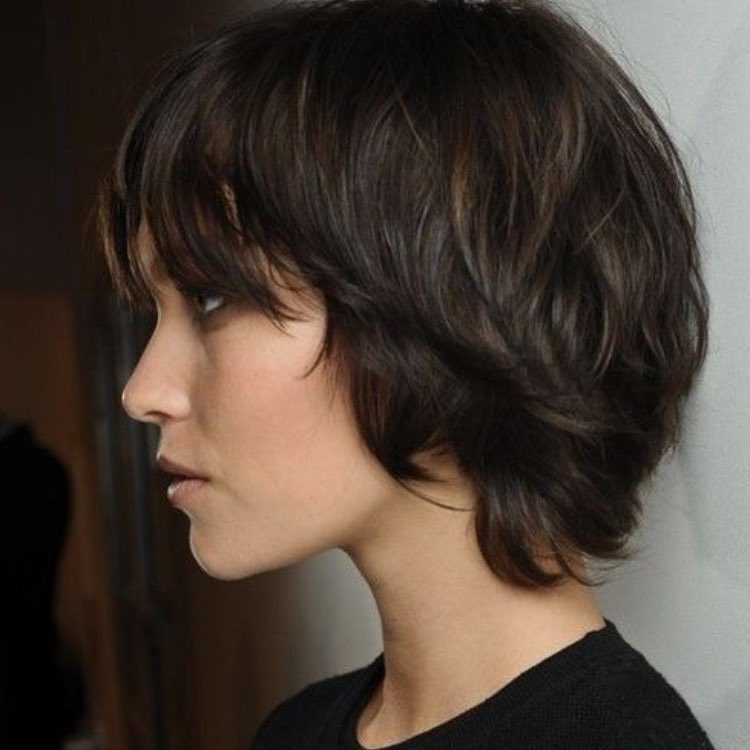
The OG. This is the haircut that Stevie Nicks made iconic and that Gen Z brought roaring back. The classic short shag sits around the jaw line, features heavy layers throughout, and almost always includes curtain bangs. It works beautifully on straight to slightly wavy hair because the layers create the movement that natural texture would otherwise provide.
Who it suits: Oval, heart, and long face shapes. The curtain bangs visually shorten a long face, while the layers add width — perfect for slimmer face shapes.
Styling tip: Apply a dime-sized amount of texturizing cream on damp hair, then diffuse or air dry. Scrunch the ends upward as you dry to encourage bend and body without crunch.
This style transitions effortlessly into the next variation — the wavy shag — if you’ve got natural texture to play with.
2. The Wavy Short Shag

Source: @Instagram
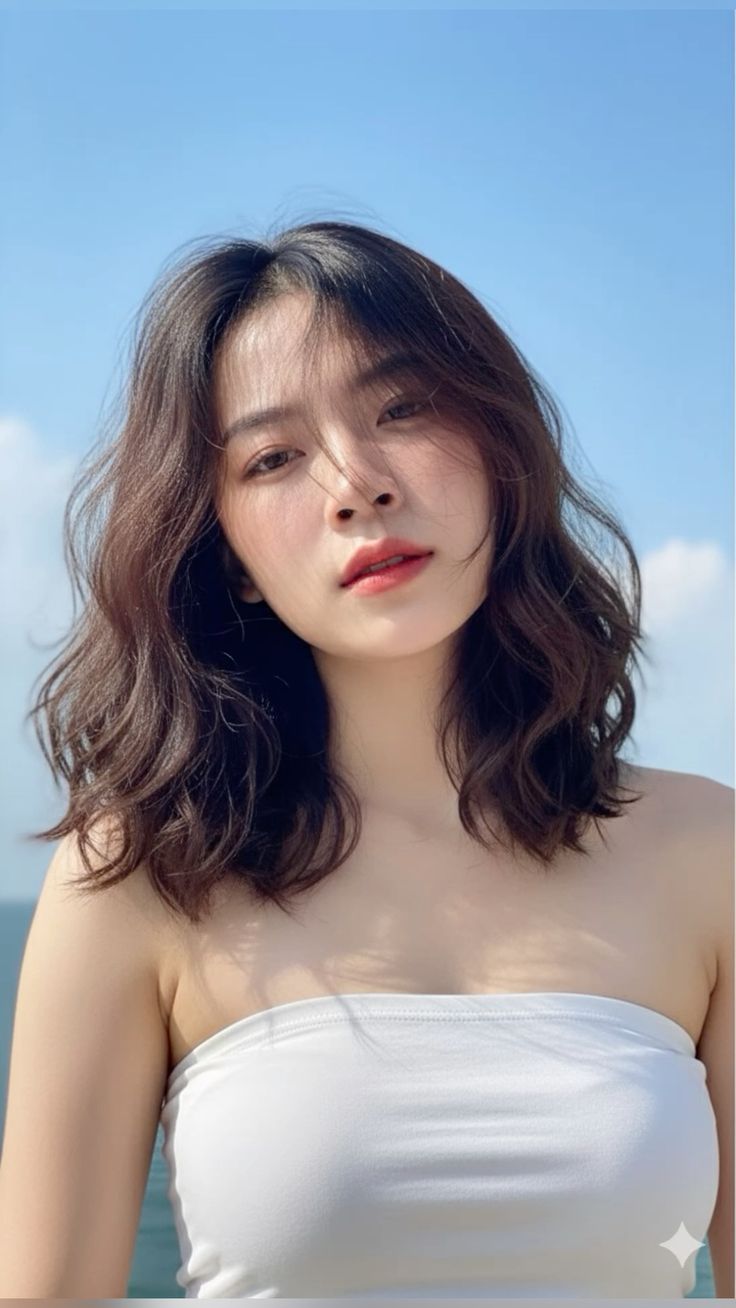
Got natural waves? Lucky you — this cut was practically invented for your hair type. The wavy short shag leans into your natural texture, using layers to remove weight so your waves can actually breathe and bounce. Without strategic layering, wavy hair tends to go triangle-shaped and heavy at the bottom. The shag solves that entirely.
Who it suits: All face shapes, but especially round faces — the volume at the top and tapered sides create flattering length.
Styling tip: Avoid brushing wavy shags dry. Instead, use a wide-tooth comb on wet hair, scrunch in a curl cream, and let it air dry. For extra definition, finger-coil a few pieces around your face.
3. The Curly Short Shag

Source: @Instagram
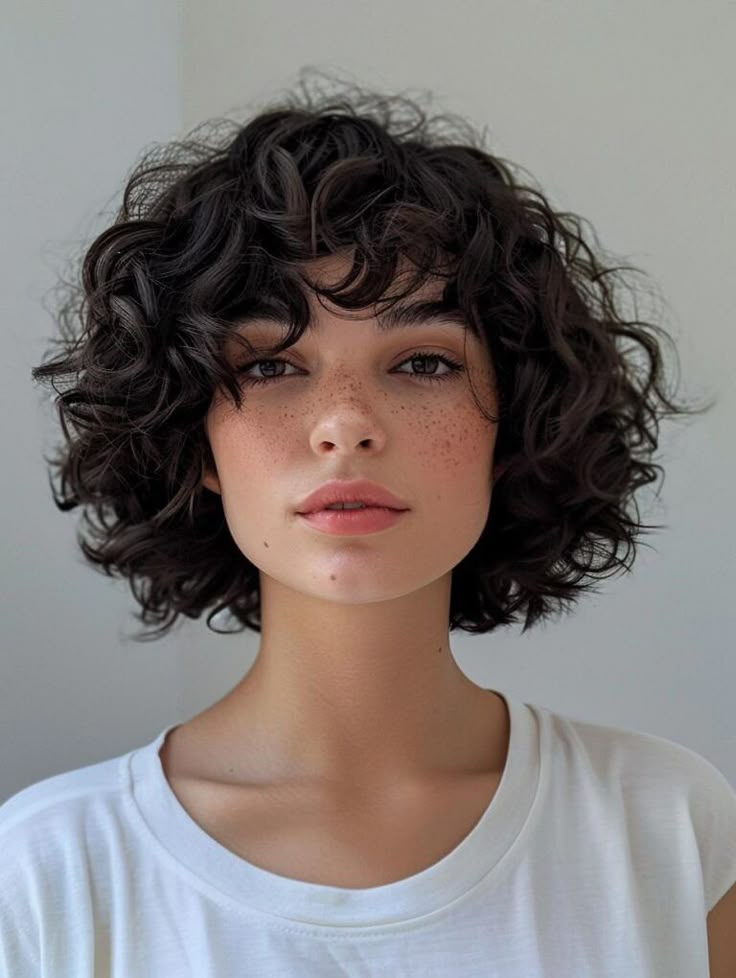
Curly hair and the shag cut are a match made in texture heaven. Curls naturally shrink up, so a short shag on curly hair actually provides a surprising amount of versatility — you can wear it stretched and smooth or fully curly and voluminous. The key is working with a stylist who cuts curls dry, so they can see exactly where each layer falls.
Who it suits: Any face shape. The volume of curls adds dimension that works with almost every structure.
Styling tip: Stick to the “squish to condish” method in the shower, then apply a curl-defining gel and diffuse on low heat. Avoid touching the hair until it’s completely dry — this prevents frizz.
4. The Curtain Bang Short Shag
Source: @Instagram
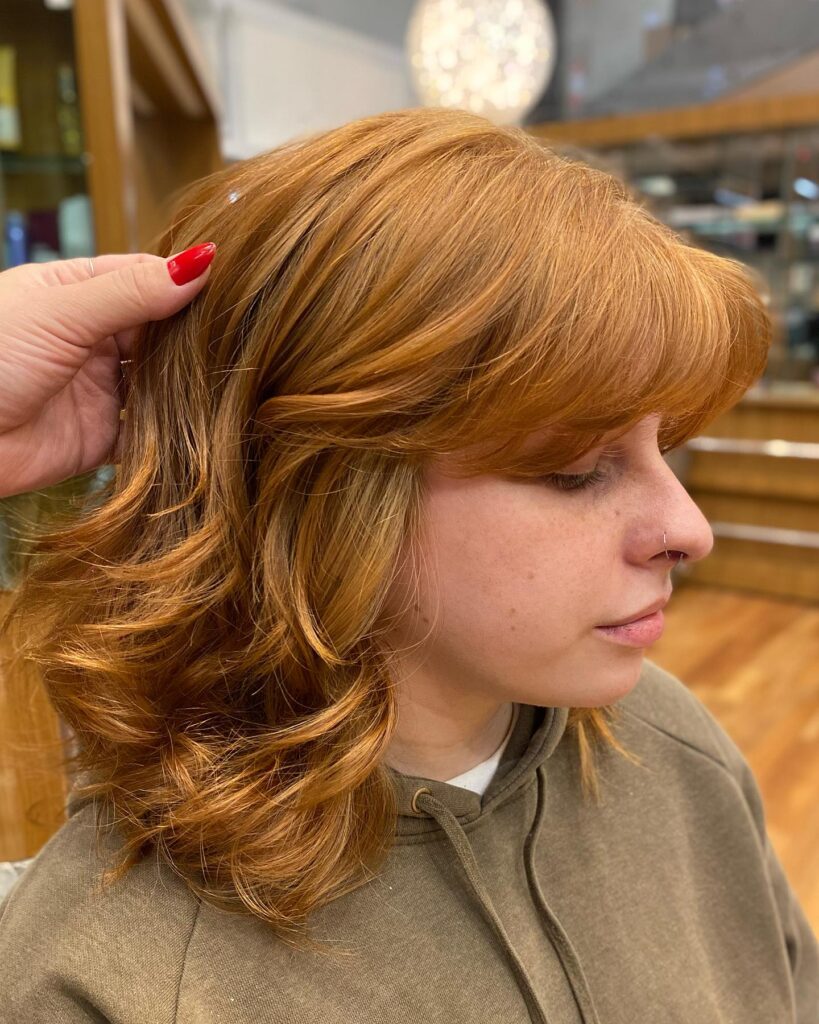
If there’s one detail that elevates a short shag from cool to chef’s kiss, it’s curtain bangs. These are the center-parted, face-framing pieces that sweep slightly outward and blend seamlessly into the rest of the layers. They’re soft enough for everyday wear but dramatic enough to completely change your look.
Who it suits: Oval, heart, and square face shapes. For square faces, the soft sweep of curtain bangs rounds out angular jawlines beautifully.
Styling tip: Blow dry curtain bangs with a round brush, rolling outward and then slightly under at the tips. A tiny bit of lightweight hair oil on the fingertips, smoothed over the surface, adds shine without weight.
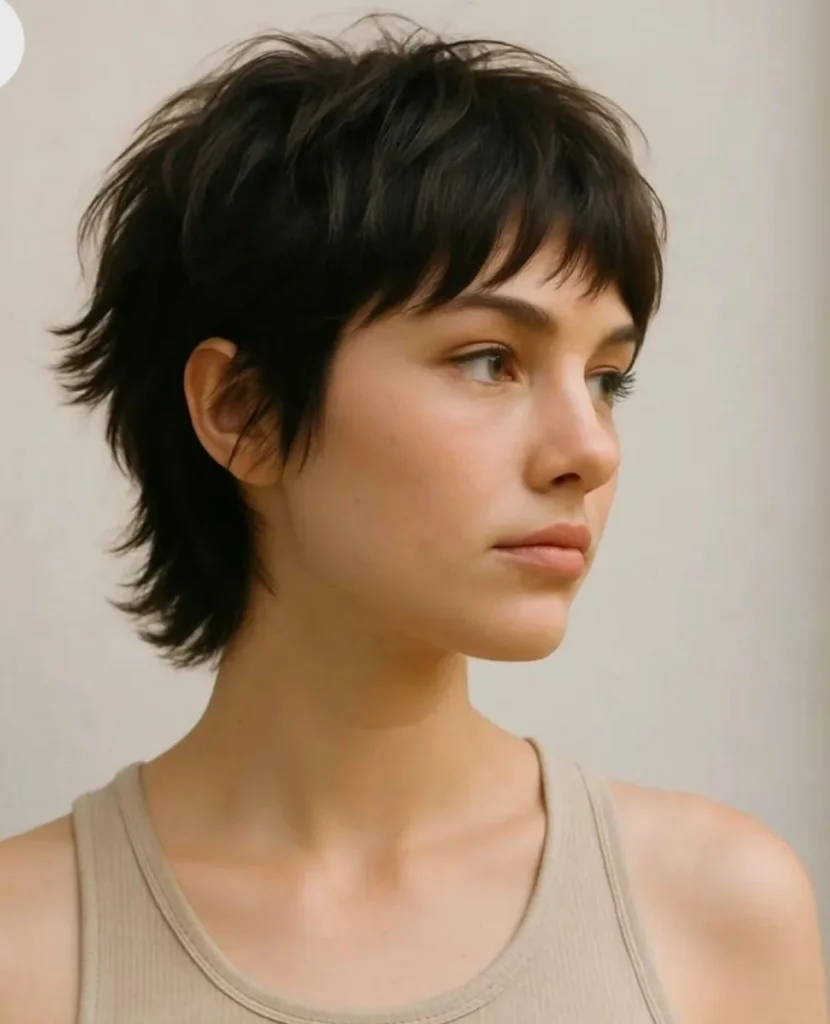
5. The Textured Pixie Shag
Source: @Instagram
Think somewhere between a pixie cut and a shag — that’s exactly what this is. The textured pixie shag keeps the sides and back short (often cut close with scissors-over-comb) while the top retains longer, choppy layers that can be styled forward, tousled, or swept to one side. It’s a bold move, but an incredibly freeing one.
Who it suits: Oval and heart face shapes primarily. Strong cheekbones and defined jawlines carry this cut exceptionally well.
Styling tip: A matte paste or clay product is your best friend here. Work a small amount through dry hair, focusing on the top layers, and tousle with your fingers for that intentionally undone texture.
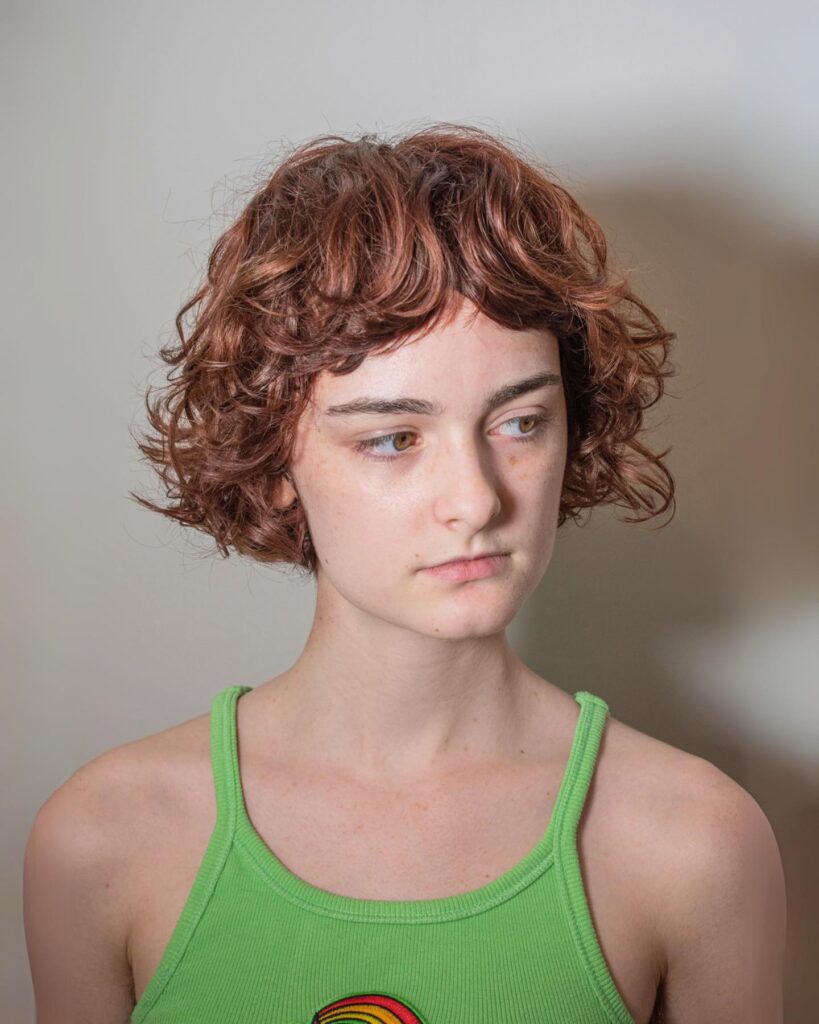
6. The Bob Shag
Source: @Instagram
The shob is exactly what it sounds like — a bob and a shag had a very chic baby. The length stays at or just above the chin, but instead of the blunt, polished lines of a traditional bob, the shob features choppy layers, wispy ends, and significant texture throughout. It’s the low-maintenance person’s answer to the classic bob.
Who it suits: Oval, oblong, and heart-shaped faces. The chin-level length balances longer face shapes while highlighting cheekbones.
Styling tip: Use a flat iron on sections of the shob, but deliberately flip some pieces outward and others inward to create that deliberately messy, multi-directional effect. A light-hold flexible hairspray sets it without stiffness.
7. The 70s-Inspired Feathered Shag

Source: @Instagram
Farrah Fawcett. That’s all I need to say. The feathered shag takes the layered foundation of the shag and adds deeply winged, feathered layers that frame the face and cascade back from a middle or side part. It’s retro without feeling costume-y, especially when kept short and paired with modern styling.
Who it suits: Long, oval, and oblong face shapes. The horizontal wing of the feathered layers adds width to narrower faces.
Styling tip: Blow dry with a large round brush, rolling outward and lifting at the roots. Finish with a fine-mist flexible spray and run fingers through lightly. The goal is volume and wing — not stiff hair.
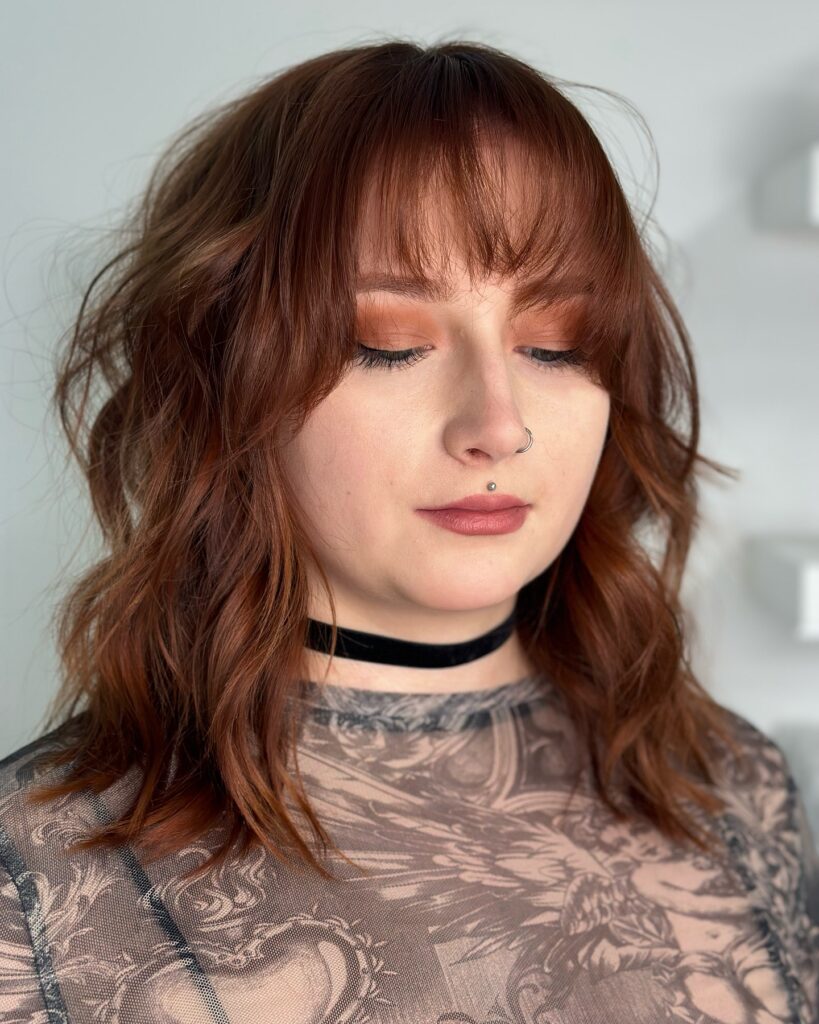
8. The Shaggy Long Bob
Source: @Instagram
If you’re on the longer end of “short,” the shaggy long bob is your sweet spot. It grazes the shoulders (sometimes just above, sometimes just below), with enough length to pull back but enough layering and texture to feel effortless and undone. This is the most versatile short shag on this list.
Who it suits: All face shapes. The shoulder length allows you to adjust styling based on what you want to emphasize or minimize.
Styling tip: The shaggy long bob is one of the rare cuts that looks equally great air dried and heat styled. For a beachy version, spritz sea salt spray on damp hair and scrunch. For a polished version, blow dry with a paddle brush on low heat, then run a flat iron through loosely for soft, undone waves.
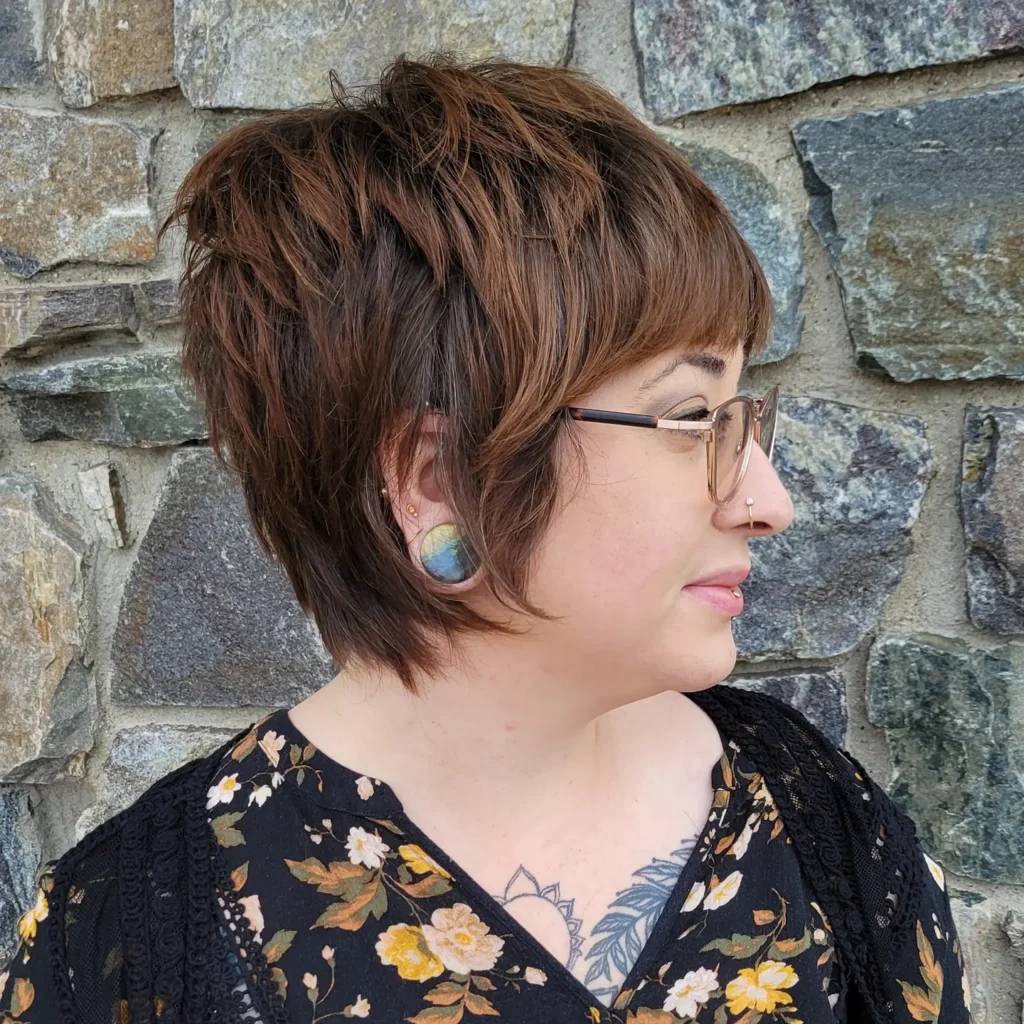
9. The Micro Shag
Source: @Instagram
Brave. Bold. Brilliant. The micro shag is an ultra-short version of the traditional shag, with length sitting around the ears or even above them, while the top retains textured layers. It’s part pixie, part shag, and entirely its own category. Think rock-and-roll energy with sophisticated layering.
Who it suits: Heart and oval face shapes. The volume on top and close-cropped sides create a flattering, elongating effect.
Styling tip: Go light on product. A tiny amount of matte pomade worked through dry hair with fingertips is all you need. Over-styling a micro shag flattens the very texture that makes it special.
10. The Shag with Bangs (Full Fringe)

Source: @Instagram
Unlike the wispy curtain bang, this version features a fuller, straight-across fringe that hits somewhere between the eyebrows and mid-forehead. Paired with the choppy layers of a shag, it creates a very deliberate, editorial look — think Zooey Deschanel meets a rock concert.
Who it suits: Long and oblong face shapes. Full bangs shorten visual face length considerably, creating better proportional balance.
Styling tip: Blow dry bangs forward with a flat brush, keeping the dryer moving side to side rather than staying in one spot to avoid a “blown back” look. For a seamless finish, use a blunt-cutting technique — trim across the bottom of the bangs in one clean line after styling.
11. The Layered Shag with Side Part
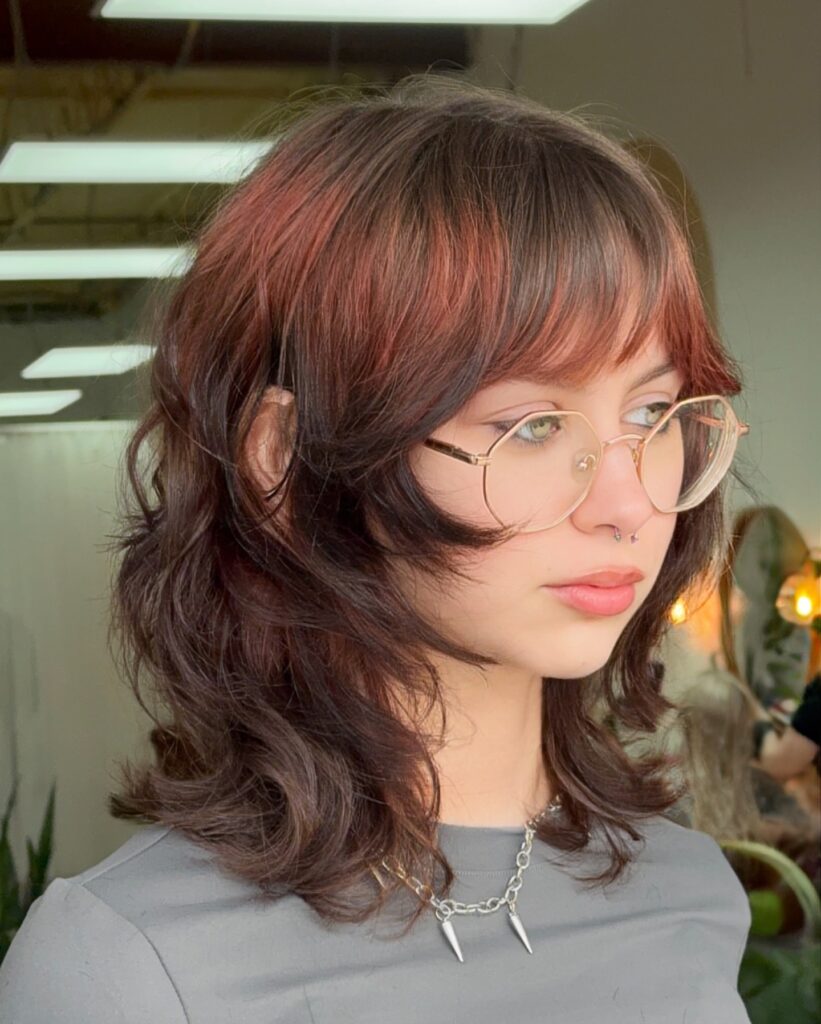
Source: @Instagram
A slight departure from the center part shag, the side parted version creates an asymmetrical, sweeping effect where one side of the face is more covered and one more open. The layers fall differently on each side, creating an almost effortless, tousled sophistication.
Who it suits: Round and square face shapes. The asymmetry of a deep side part creates visual length and angles in rounder face shapes.
Styling tip: Blow dry the heavier side of the part under with a round brush for volume and shape, and let the lighter side fall more naturally. A couple of bobby pins tucked behind the ear on the lighter side adds a chic finishing touch.
12. The Shag with Undercut
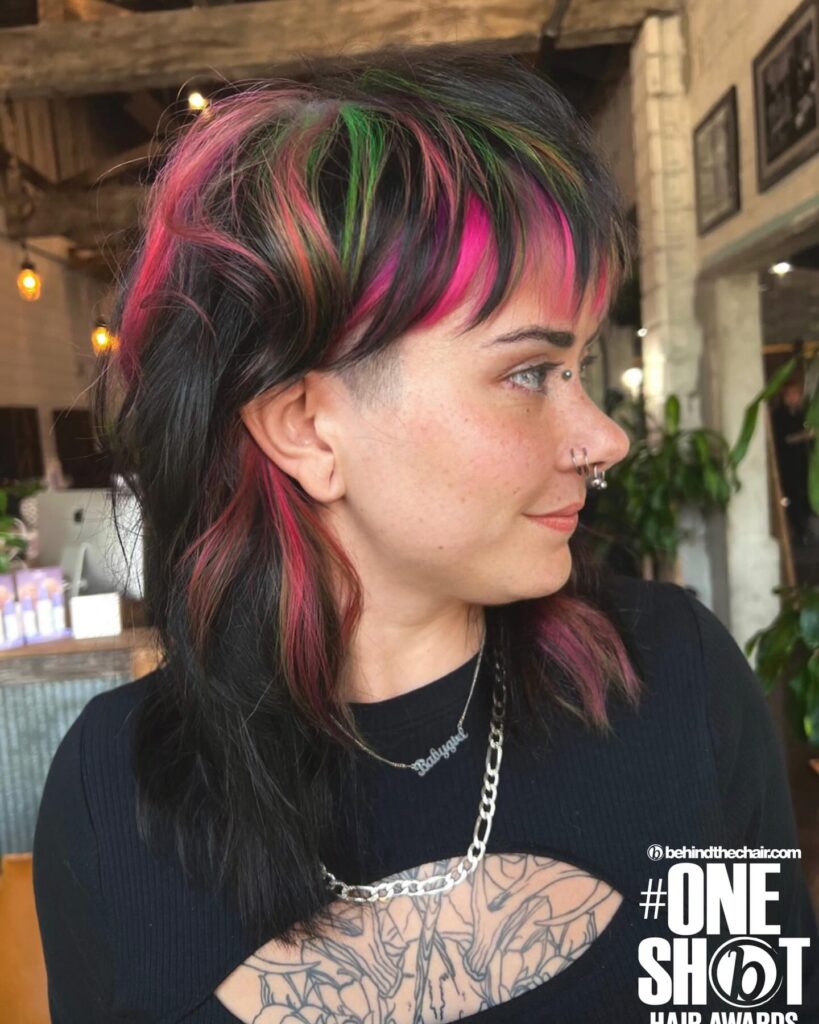
Source: @Instagram
Here’s where things get interesting. Some short shags incorporate a subtle undercut — where the very bottom layer of hair at the nape is cut very close — adding a hidden, edgy detail that’s only visible when the hair moves or is pulled up. It adds dimension to the neckline and keeps the silhouette clean.
Who it suits: All face shapes. The undercut is mostly a neckline detail, so it doesn’t dramatically change face-shape compatibility.
Styling tip: Keep the undercut portion moisturized with a lightweight scalp oil — this area can get dry and rough quickly since it’s short. Have it touched up every four to five weeks to keep it looking intentional.
13. The Boho Shag
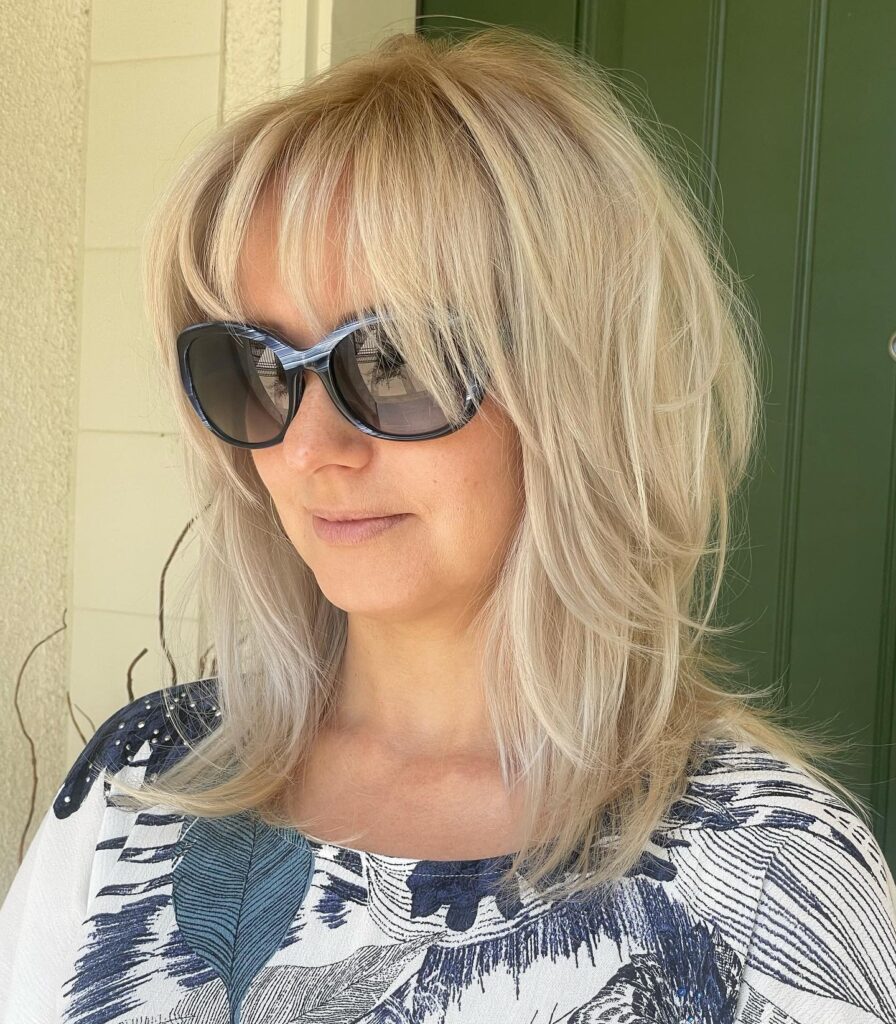
Source: @Instagram
This version of the short shag leans into its free-spirited roots. The boho shag pairs naturally textured, undone layers with face-framing pieces and often incorporates subtle color touches — like balayage, sun-kissed highlights, or a grown-out root — to amplify the effortless aesthetic. It’s the shag for people who don’t want to “try too hard.”
Who it suits: All face shapes. The organic, natural styling makes it universally flattering.
Styling tip: This is your permission to skip the heat tools. Work a wave-enhancing mousse through damp hair, scrunch, and air dry. For a slightly more polished boho look, braid a few sections while damp, let dry completely, then unbraid and finger-separate the waves.
14. The Punk Shag
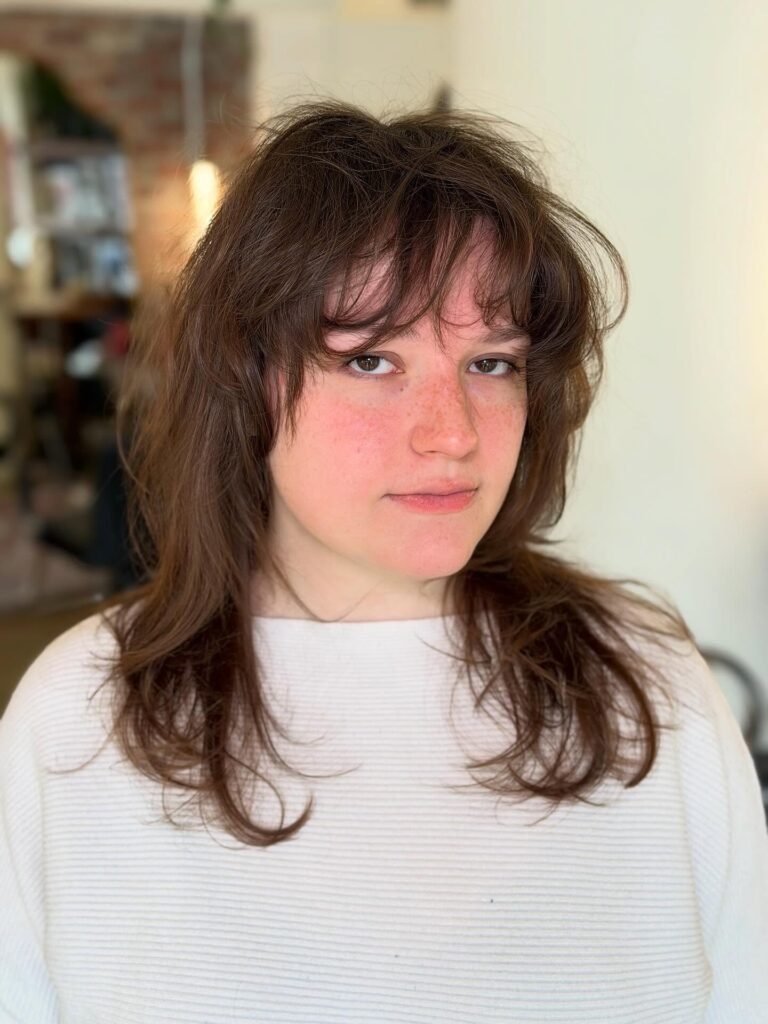
Source: @Instagram
Bold color, deliberate choppiness, maybe even a razor-cut finish — the punk shag is for the person who wants their hair to make a statement before they even say a word. Think of it as the short shag’s rebellious sibling: all the same structural elements (layers, texture, face-framing) but pushed to an edgier extreme. Asymmetry, unconventional partings, and heavily texturized ends are common features.
Who it suits: Oval and heart face shapes. The deliberate asymmetry works best when the underlying bone structure is balanced.
Styling tip: For maximum texture and hold, try a styling paste mixed with a dry texturizing spray. Apply the paste first to define, then blast with the spray for grit and grip. This combination stays put through even the longest days.
15. The Elegant Shag
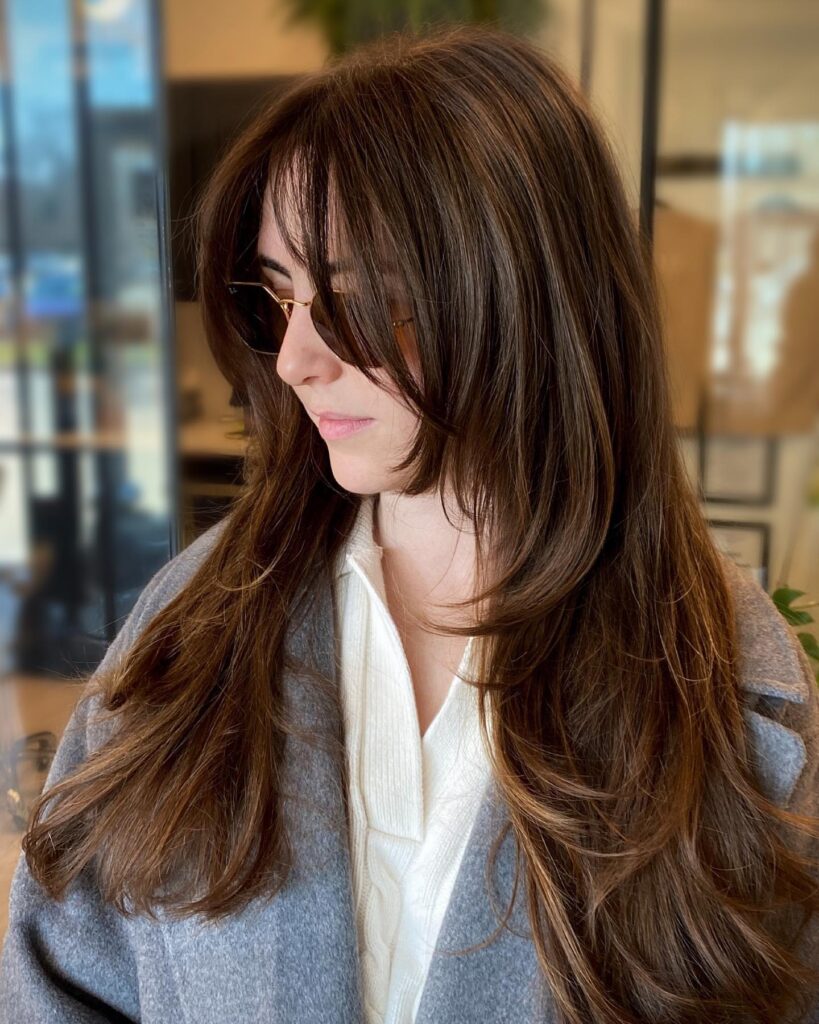
Source: @Instagram
Yes, a shag can be elegant. The elegant shag is the polished, grown-up cousin of the boho shag — softer layering, a smooth blowout, and usually paired with a glossy finish. It’s what happens when you take the shag’s structural layering and refine the styling to something more formal. Great for office environments or events where you want to look put-together but still interesting.
Who it suits: Oval and oblong face shapes. The refined layers and smooth styling work best with balanced or longer face structures.
Styling tip: Use a medium-size round brush and a concentrator nozzle on your blow dryer. Dry each section under and smooth, then finish with a light smoothing serum on the surface for that glassy, polished look.
16. The Shag with Money Pieces

Source: @Instagram
Money pieces — those bold, bright face-framing highlights positioned at the very front of the hair — have been everywhere in recent years, and they look absolutely electric on a short shag. The layers naturally draw the eye to these highlighted pieces, making the color pop even more than it would on a blunt cut.
Who it suits: All face shapes. Money pieces actually help define and accentuate facial features regardless of shape.
Styling tip: After styling your shag, use a tiny amount of shine spray just on the highlighted money pieces. This draws the eye directly to those face-framing sections and makes the color look professionally done even on a low-maintenance budget.
17. The Grown Out Shag

Source: @Instagram
Here’s an underrated truth: the grown-out shag is a whole look in itself. As the layers grow out unevenly and the fringe starts to reach the nose, something beautiful happens — the shag takes on a more romantic, less deliberate texture. Instead of fighting the grow-out, lean into it. The shaggy grown-out look has its own effortless charm.
Who it suits: All face shapes. The softer, less defined layers of a grown-out shag tend to be universally flattering.
Styling tip: At the grow-out stage, a clarifying shampoo once a week removes product build-up that can make growing layers look limp. A lightweight leave-in conditioner applied to damp hair then air-dried gives the hair just enough definition to look intentional — not neglected.
Quick Reference Table: Which Short Shag Suits You?
Choosing Your Shag by Face Shape
| Face Shape | Best Shag Styles | Features to Look For | Avoid |
|---|---|---|---|
| Oval | Any style | Open canvas — all shags work | Nothing off-limits |
| Round | Wavy Shag, Side-Part Shag, Curly Shag | Volume on top, tapered sides, side parts | Blunt full bangs close to brow |
| Square | Curtain Bang Shag, Boho Shag | Soft layers, curtain bangs to soften angles | Very angular, geometric cuts |
| Heart | Textured Pixie Shag, Elegant Shag | Length near chin, face-framing layers | Very top-heavy volume |
| Long/Oblong | Full-Fringe Shag, Feathered Shag, Shob | Horizontal width, full bangs, layers at sides | Very long layers that add length |
Short Shag by Hair Texture
| Hair Texture | Best Shag Option | Key Technique | Recommended Products |
|---|---|---|---|
| Straight | Classic Shag, Elegant Shag | Blow dry with round brush; point-cut ends | Texturizing spray, lightweight paste |
| Wavy | Wavy Shag, Boho Shag | Air dry with scrunching; diffuse if needed | Wave cream, sea salt spray |
| Curly | Curly Shag, Micro Shag | Cut dry; diffuse on low heat | Curl cream, strong-hold gel |
| Coily | Curly Shag, Boho Shag | Wash and go; twist-out for definition | Moisturizing cream, defining gel |
| Fine/Thin | Classic Shag, Shob | Avoid heavy products; use volumizing mousse | Volumizing mousse, dry shampoo |
| Thick/Dense | Punk Shag, Layered Shag | Razor-cutting removes bulk; point-cut ends | Matte pomade, thinning serum |
Time and Maintenance Overview
| Style | Styling Time | Salon Visits Needed | Skill Level Required |
|---|---|---|---|
| Classic Short Shag | 10–15 min | Every 6–8 weeks | Beginner |
| Curly Short Shag | 5–10 min (air dry) | Every 8–10 weeks | Beginner |
| Textured Pixie Shag | 5 min | Every 4–5 weeks | Beginner |
| Punk Shag | 15–20 min | Every 4–6 weeks | Intermediate |
| Elegant Shag | 20–25 min | Every 6–8 weeks | Intermediate |
| Shag with Undercut | 10 min | Every 4–5 weeks | Beginner |
Common Mistakes and How to Avoid Them
Mistake 1: Not Communicating Texture to Your Stylist
Many people walk in and say “I want a shag” — and the stylist has to guess whether they want soft curtain-bang vibes or punk choppiness. Come prepared with reference photos and tell your stylist your daily routine (do you blow dry? Air dry? Have 5 minutes or 25 minutes?).
Mistake 2: Over-Moisturizing Fine Shag Hair
Fine-haired shag wearers often reach for heavy creams and oils, which instantly weighs the layers down and kills the volume and movement that make the shag special. For fine hair, stick to lightweight mousses and sprays.
Mistake 3: Skipping the Diffuser
If you have wavy or curly hair and you’re air drying a shag flat against your head, you’re missing out. A diffuser lifts the roots and encourages natural texture while keeping frizz controlled. Use it on low heat, low speed.
Mistake 4: Going Too Short Too Fast
The first shag cut is exciting — but resist the urge to go dramatically short in one session if your hair has never been layered before. Start with a shaggy lob (shob) and work shorter over a couple of cuts. Your hair adjusts, and so does your styling confidence.
Mistake 5: Brushing a Shag Dry
Brushing a short shag when it’s dry separates the layers in a way that creates puffiness and frizz rather than definition. Always detangle on wet or damp hair, then style with your fingers once dry.
Mistake 6: Ignoring the Neckline
The neckline of a short shag grows out quickly and can look scraggly within three to four weeks. Ask your stylist to clean up the neckline between full cuts to keep the shape looking intentional.
Similar Variations Worth Exploring
If you love the short shag but want to explore adjacent styles, consider these:
The Wolf Cut — Similar layering to the shag but with more volume at the crown and a more dramatic contrast between the short top layers and longer lengths. Think shag’s more theatrical cousin.
The Bixie — A hybrid between a bob and a pixie. Less texture-forward than a shag, but similarly layered and low-maintenance at a similar length.
The Shullet — Shag + mullet. Party in the back, business in the front, layers everywhere. An edgier interpretation that keeps the shag’s core DNA while embracing the mullet’s length contrast.
The Butterfly Cut — Characterized by very short face-framing layers that float over longer, flowing underlayers. Creates a beautiful two-dimensional effect similar to a shag but with more dramatic layer contrast.
Hair Care Tips for Short Shaggy Haircuts
Short shaggy hair needs targeted care to keep those layers looking defined and healthy — not dry and frayed. Here’s what actually works:
Hydration Without Weight The choppy ends of a shag cut are more prone to dryness and breakage than blunt cuts because they’re thinner. Use a lightweight, protein-free conditioner on the ends every wash day. Once a week, try a five-minute deep conditioning mask — rinse thoroughly so no residue weighs the layers down.
Scalp Health Matters Short shaggy cuts often involve styling products daily (texturizing sprays, pastes, mousses). Product buildup on the scalp can slow growth and cause flaking. Use a clarifying shampoo once every one to two weeks, followed by a moisturizing conditioner, to reset your scalp.
Heat Protection Is Non-Negotiable Even if you’re mostly air drying, the occasional blow dry or flat iron pass is part of shag styling life. Always apply a heat protectant spray before any heat — and look for one with a humidity shield to keep the texture from frizzing in warmer weather.
Trim the Ends, Not the Layers When you get a dusting (a micro-trim of just the ends), ask your stylist not to touch the layers — only clean up the very tips. Over-trimming during dusting appointments gradually removes the layered texture that makes the shag what it is.
Overnight Protection If you have waves or curls in your shag, sleeping on a silk or satin pillowcase dramatically reduces frizz and layer disruption overnight. Alternatively, pineapple (loosely gather all hair on the very top of your head in a loose scrunchie) before sleeping to preserve the shape.
Color Maintenance Many short shag styles incorporate color — balayage, highlights, money pieces. Use a color-depositing conditioner in your hair’s shade to keep color vibrant between salon visits, and limit washing to two to three times per week to extend color longevity.
Outro
Short shaggy haircuts have earned their permanent place in the hair world for a reason — they’re versatile, they’re forgiving, and they manage to look simultaneously effortless and intentional. Whether you go for the polished elegance of style number fifteen or the bold rebellion of the punk shag, there’s a version of the shag that fits your face, your texture, and your lifestyle. I hope this guide gave you the confidence to book that appointment, try that style, and own every choppy, textured, face-framing inch of your new look. Short shaggy haircuts aren’t just a trend — they’re a statement.