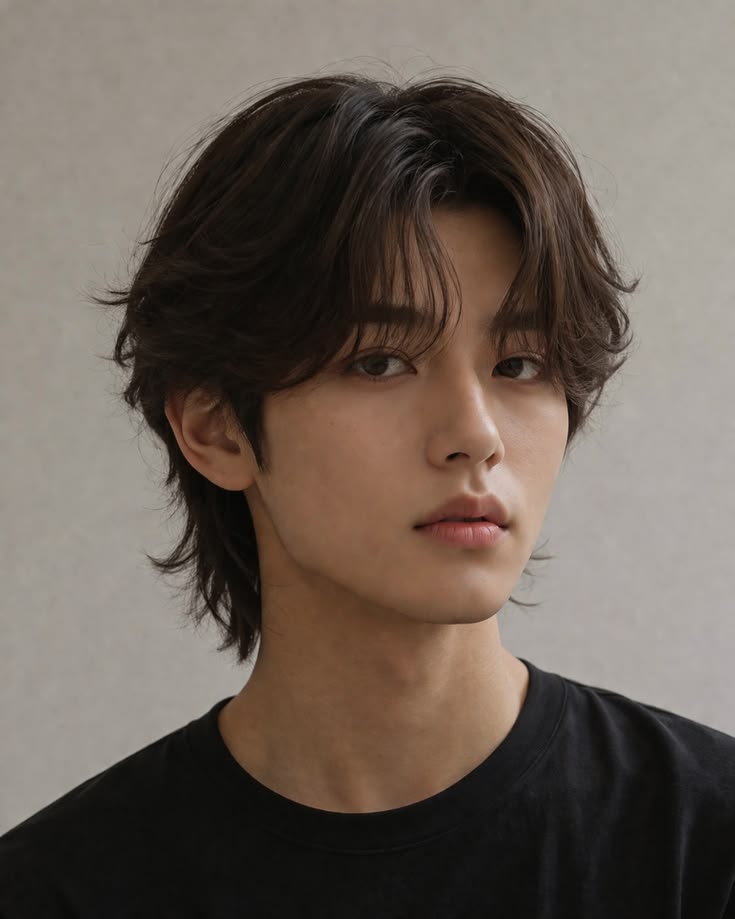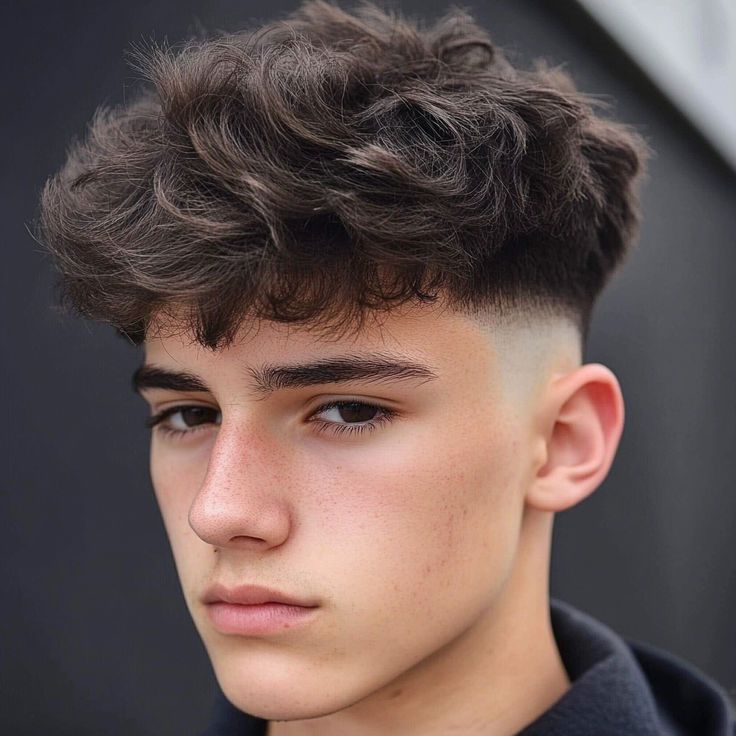

15 Burst Fade Curly Hair Styles That Hit Different Every Single Time
Ever looked at someone’s haircut and thought, “How does that even work — it’s clean AND wild at the same time?” That’s exactly the magic of burst fade curly hair. I’ve been deep in the men’s haircut world long enough to know which fades are flash-in-the-pan trends and which ones genuinely belong in the conversation permanently. The burst fade on curly hair? That’s a permanent resident.
So, what exactly is burst fade curly hair? A burst fade is a type of taper fade that radiates outward in a semicircular arc around the ear, blending from skin or very short clipper length upward into longer hair on top. On curly hair, this creates a distinctive halo effect — tight at the sides, full and textured on top.
In this guide, I’m walking you through 15 of the best burst fade curly hair styles you can take straight to your barber, complete with face shape guidance, product recommendations, a full breakdown of common mistakes, and a curly hair care routine built specifically for faded styles. Let’s get into it.
What Separates a Burst Fade from Other Fades?
Most guys know the skin fade and the drop fade — but the burst fade is its own animal. Here’s the quick breakdown:
- Skin fade: Blends from bare skin upward in a straight, horizontal line around the head.
- Drop fade: The fade line drops lower behind the ear, curving downward toward the nape.
- Burst fade: The fade radiates outward in a half-circle around the ear specifically, leaving more length at the nape. This semicircular shape is the defining feature.
On straight hair, the burst fade is sharp and precise. On curly hair, that same geometry becomes something else entirely — the natural volume and spring of the curls create a halo silhouette above the fade that looks almost three-dimensional. It’s structured and wild simultaneously. That tension is exactly what makes it work.
15 Burst Fade Curly Hair Styles Worth Booking an Appointment For
1. The Classic Burst Fade with Tight Coils
Source: @Instagram
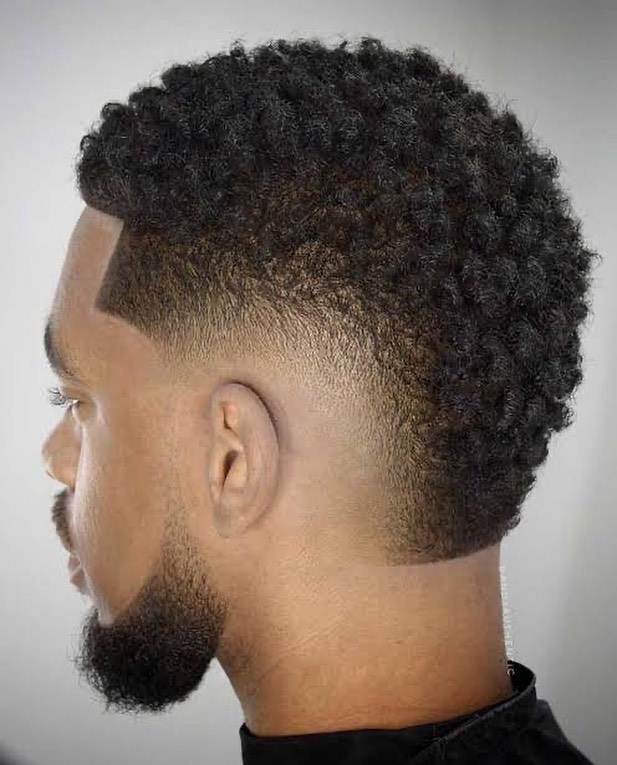
Start with the foundation. The classic burst fade on tight coils keeps the sides faded from skin or a 0.5 guard, radiating outward in that signature semicircle around the ear, while the top is left natural with defined, tight coil clusters. No extra length added, no product-heavy styling — just the shape of the cut doing all the work.
Who it suits: Oval and diamond face shapes. The volume of tight coils on top adds height that elongates without adding width at the sides, which suits narrower or more angular face shapes.
Styling tip: On tight coils, the LOC method (liquid, oil, cream) applied section by section while hair is soaking wet maximizes definition. Let air dry completely before touching — pulling at coils while wet stretches them out and destroys clump definition.
If tight coils aren’t your natural texture, the next style offers the same clean structure with looser curl patterns.
2. Burst Fade with Curly Hair

Source: @Instagram
For guys with curly patterns (think 3A or 3B curls), this version keeps all the structural drama of the burst fade while letting the curls on top breathe and bounce freely. The fade creates a clean perimeter while the curls do exactly what curls do best add unpredictable, beautiful texture.
Who it suits: Round and oval face shapes. curly hair have natural width and volume that works particularly well on oval faces. On rounder faces, keeping the curls slightly elevated rather than wide helps create a more elongated silhouette.
Styling tip: A curl cream with medium hold and high moisture content (look for shea butter or mango butter as one of the first five ingredients) gives curly definition without crunch. Apply to dripping wet hair, rake through, then scrunch upward. Diffuse on medium heat for lift.
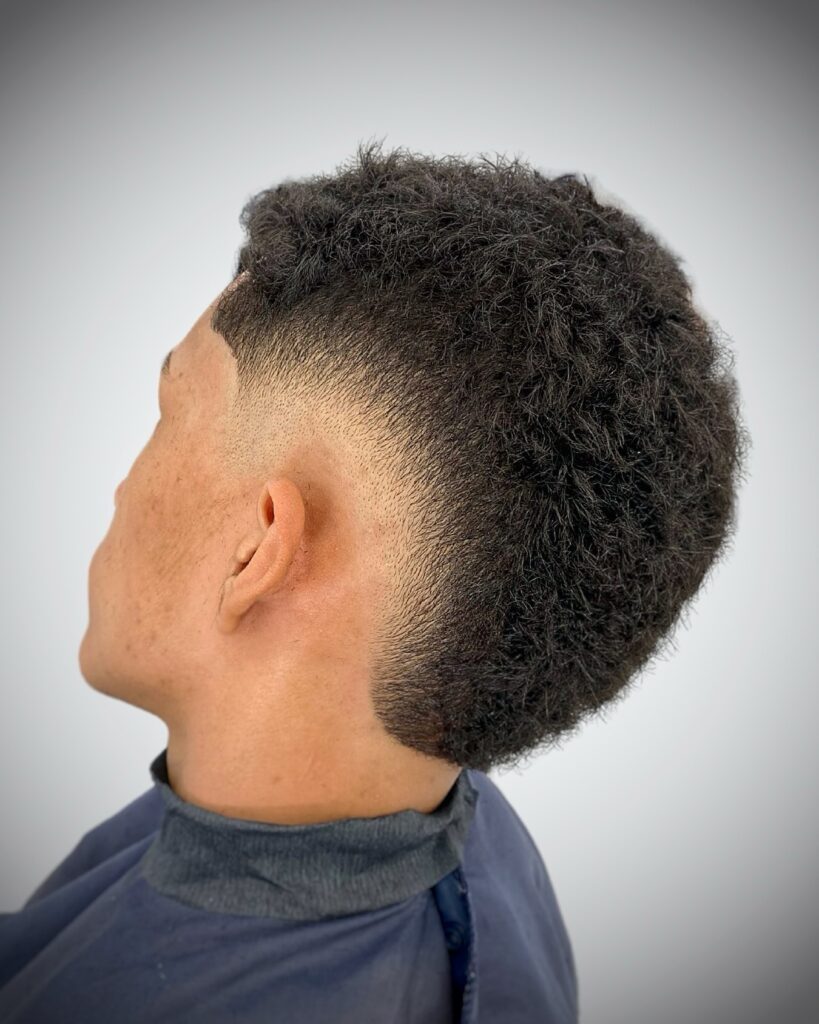
3. Burst Fade with Afro
Source: @Instagram
The burst fade Afro is one of the most visually striking haircuts in circulation right now. The fade cuts in tight around the ear and sides, then releases into a full, round Afro shape on top and at the back. The burst fade’s semicircular geometry mirrors the roundness of the Afro itself, creating a haircut that feels intentional and cohesive from every angle.
Who it suits: Oval, diamond, and heart face shapes. The round Afro shape adds significant width — oval and diamond faces carry this beautifully, while heart faces benefit from the fullness at the top balancing a wider jawline.
Styling tip: An Afro pick is essential for shaping — not just fluffing. After applying a light moisturizing cream on damp hair, use the pick to lift from the roots outward once the hair is fully dry. Start at the nape and work forward for the most even shape.
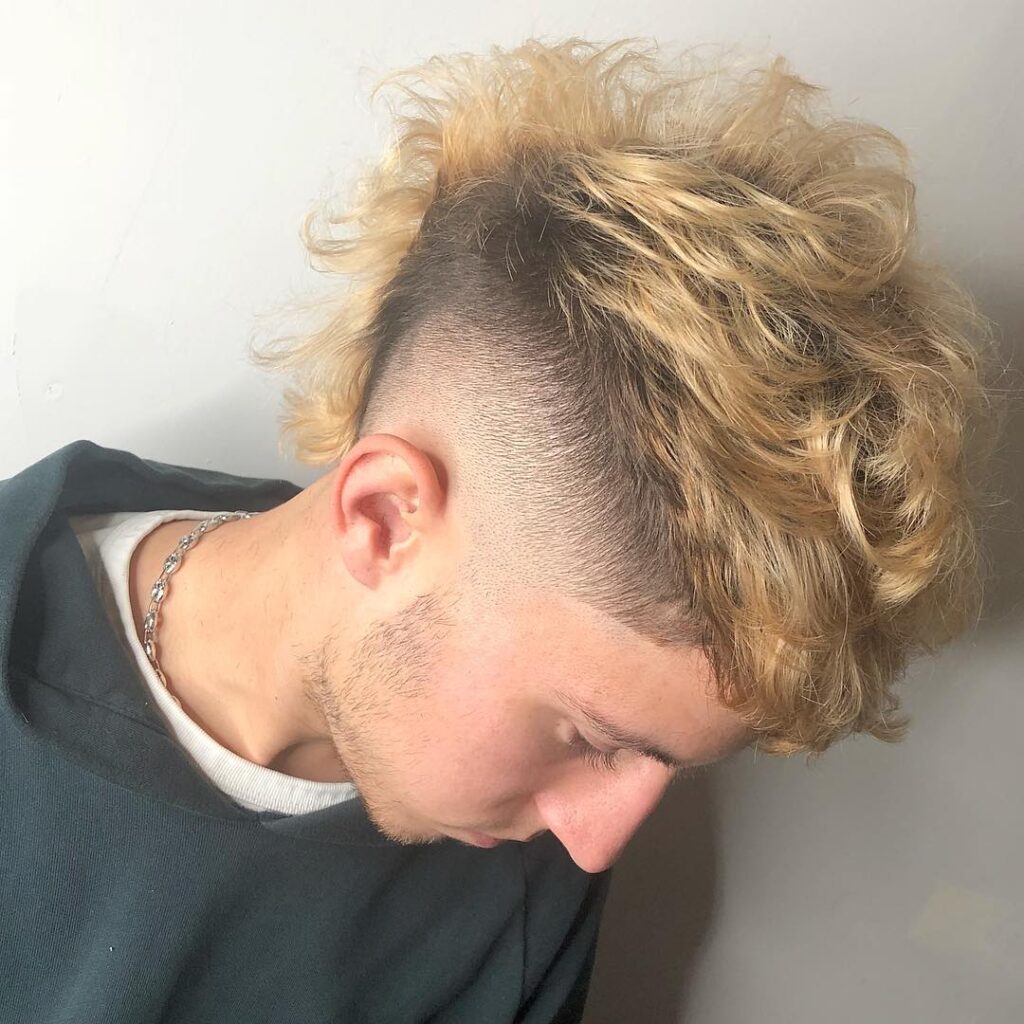
4. Burst Fade Mohawk with Curls
Source: @Instagram
Here’s where structure gets theatrical. The burst fade Mohawk strips the sides even tighter (often to skin), focuses the burst fade semicircle tightly around the ear, and leaves a defined strip of curls running from the front hairline to the crown. The curls on that central strip are often elongated or stretched slightly to emphasize the dramatic height difference between the bare sides and the curly top.
Who it suits: Oval and long face shapes. The vertical line of a Mohawk adds significant visual height — best on face shapes that can absorb upward length without becoming unbalanced.
Styling tip: For the Mohawk strip to hold upward shape, apply a medium-hold curl gel while wet, then diffuse with the hair being held upward (not sideways). This trains the curl clumps to set with upward direction, adding natural lift without product stiffness at the base.
5. Burst Fade with Curly Frohawk

Source: @Instagram
The frohawk is the Mohawk’s more relaxed, textured cousin. Instead of a tightly defined strip of curls, the frohawk has a fuller, wider section of natural texture running down the center — wider at the crown, tapering slightly at the nape. The burst fade cleans up the sides without the harshness of a full skin fade, giving the overall look a softer edge than a traditional Mohawk.
Who it suits: Diamond, oval, and square face shapes. The width at the crown balanced against a taper at the nape creates visual balance for faces with wider cheekbones or a stronger jawline.
Styling tip: For a frohawk that holds shape without stiffness, try a two-product approach: a moisturizing leave-in at the roots for hold, and a defining gel only at the surface of the curls. This keeps the roots full and bouncy while giving the visible curl surface definition.
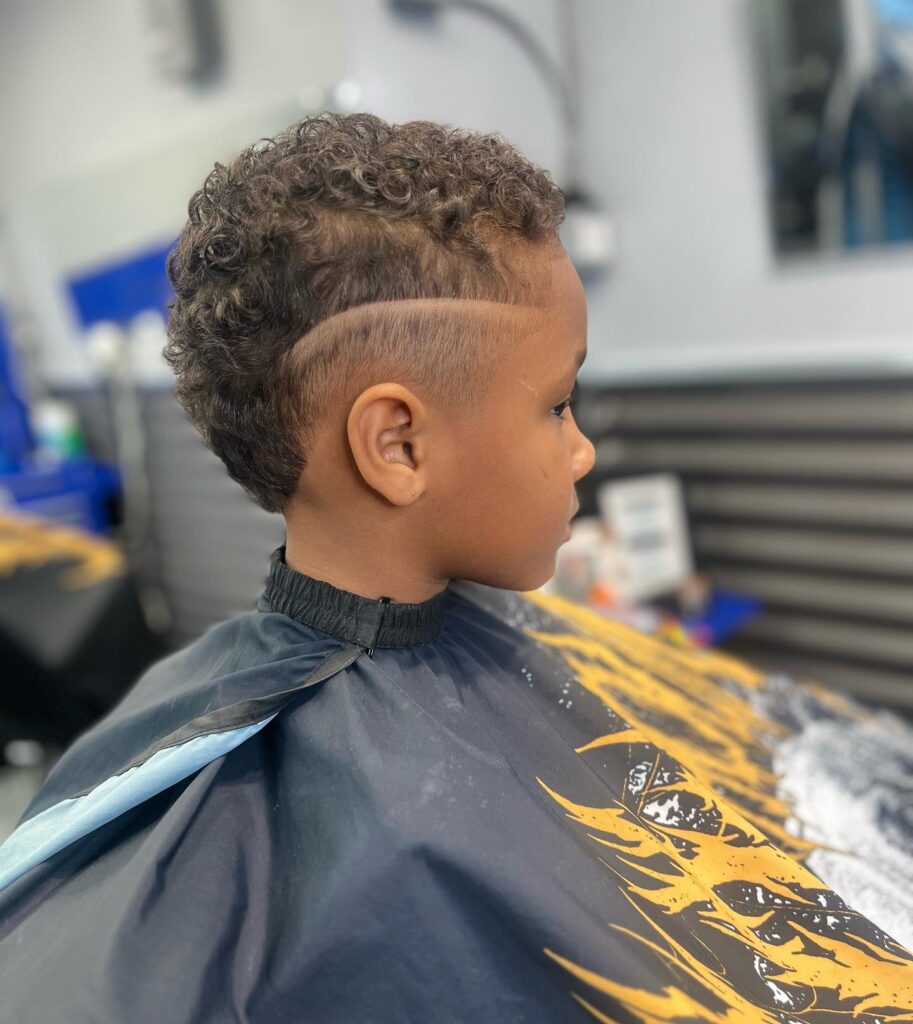
6. Burst Fade with Curly Top and Line Up
Source: @Instagram
Adding a line up (also called a shape-up or edge up) to the burst fade curly combination takes the style from barbershop-fresh to razor-sharp. The straight, geometric lines of the line up — across the forehead hairline, down the temples — contrast dramatically with the organic texture of the curls, creating a look that’s simultaneously wild and precise.
Who it suits: Square and oval face shapes. The geometric lines of a line up suit stronger bone structures — square jaws and prominent cheekbones carry the contrast between hard lines and soft curls especially well.
Styling tip: A line up fades the fastest of any barbershop element — it starts to blur around day five or six. If you want to maintain crisp lines between appointments, invest in a T-outliner or a detail trimmer. Watch one tutorial on your specific hairline shape before attempting it yourself.
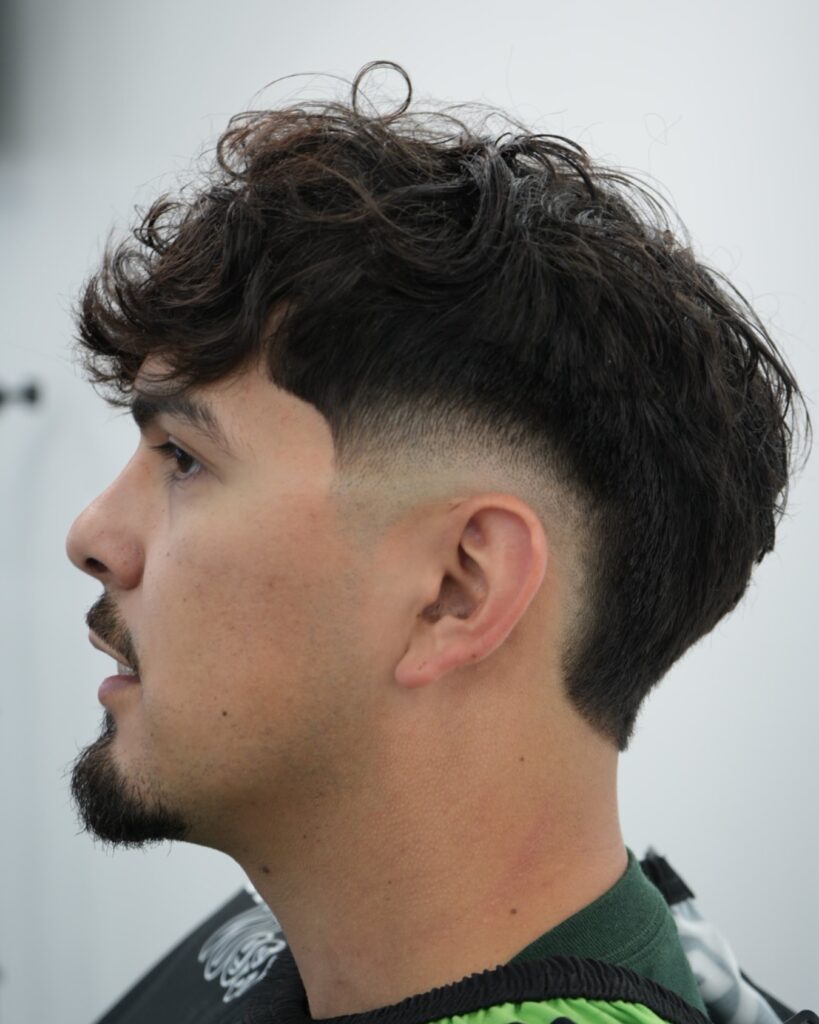
7. Low Burst Fade with Curly Crop
Source: @Instagram
The low burst fade positions the fade line very close to the ear — the semicircular arc starts much lower than a standard burst fade, creating a subtler transition. Paired with a curly crop (a shorter, more compact curl style on top), this is the most workplace-appropriate and versatile version on this list. It reads as polished and intentional without being flashy.
Who it suits: All face shapes. The low fade’s restraint means it doesn’t dramatically change the silhouette — the curly crop on top takes center stage.
Styling tip: For a curly crop to look intentional rather than simply short, the ends need to be the right length. Too short and the curl pattern disappears; too long and it loses the compact shape. Ask your barber to cut with curl in mind — that means cutting dry or cutting longer than desired, since curls spring back up 20–30% shorter than they appear when stretched.
8. High Burst Fade with Defined Curls
Source: @Instagram
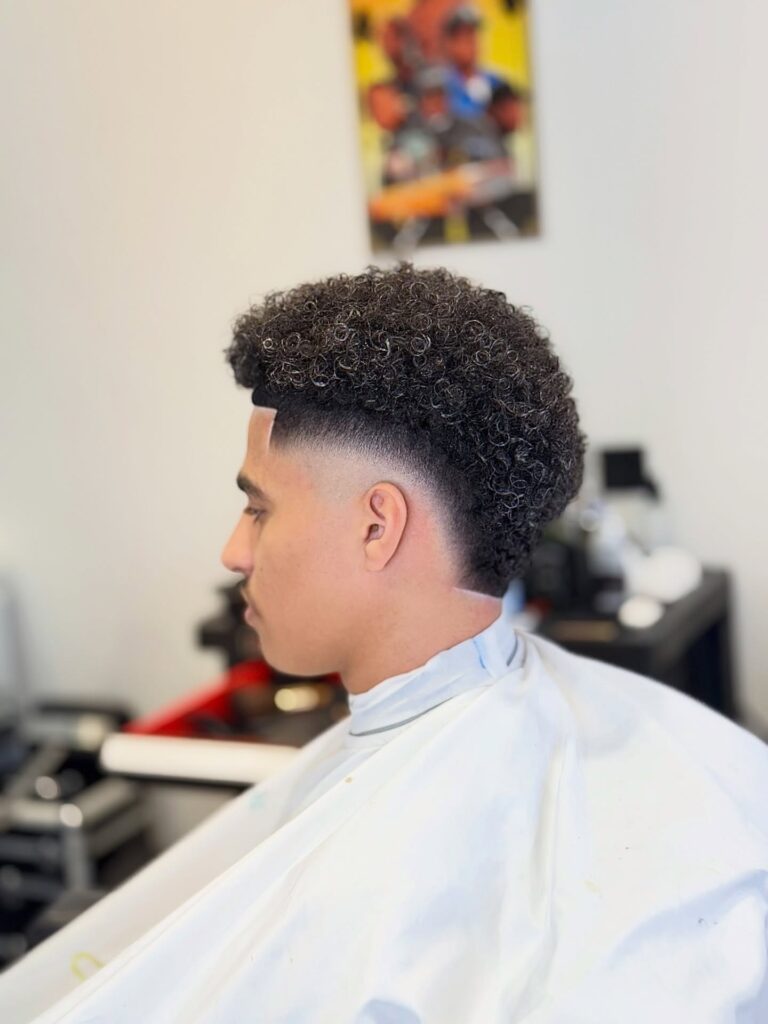
Flip the script from the low fade — the high burst fade starts the fade line higher on the sides, closer to the temples, which means the dramatic gradient is visible over a larger area. The defined curls on top appear almost to erupt from the bare sides. High contrast. High impact. Maximum visual drama.
Who it suits: Oval and diamond face shapes. The high fade removes a significant amount of side volume — oval and diamond shapes have the proportional balance to carry this without looking top-heavy.
Styling tip: At the high fade level, maintaining a smooth, even blend is harder than at a low or mid fade. Ask your barber specifically about the transition point — a rough or patchy blend at the high fade line is very obvious on tight curls. Seeing their previous high fade work is worth asking for.
9. Burst Fade with Twist Out on Top
Source: @Instagram
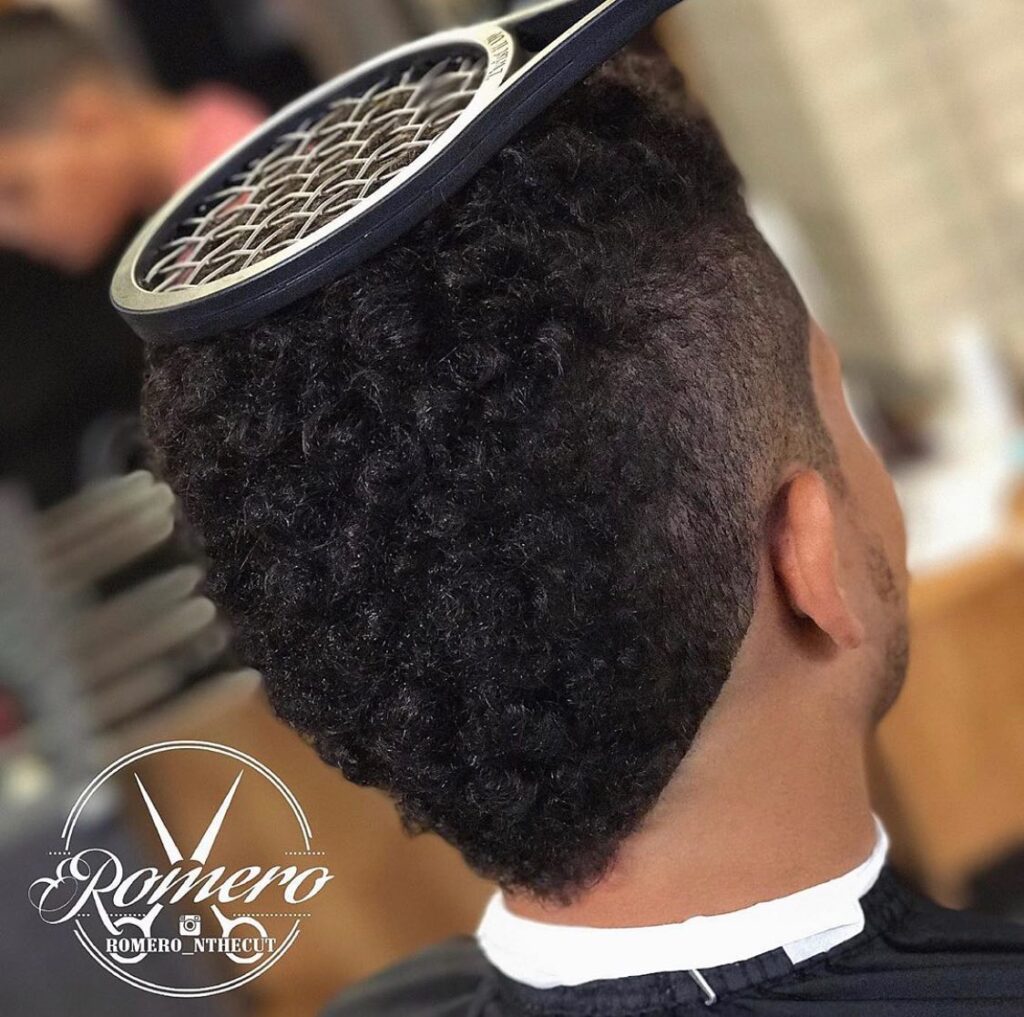
A twist out gives this burst fade combination a completely different texture story. Rather than wearing the curls in their natural state, a twist out creates defined, elongated, rope-like curl segments by twisting sections of hair while wet and releasing once dry. The result has more visual definition and a slightly more structured look than a wash-and-go.
Who it suits: Oval and long face shapes. The elongation of the twist-out segments adds vertical height — most flattering on face shapes that aren’t already very long.
Styling tip: For a twist out that lasts, twist on freshly washed, conditioned, and product-applied hair. Use a butter-based styler for thickness in the twist. Leave twists in until hair is completely dry — even slightly damp = frizzy release. If you’re in a hurry, a hooded dryer for 30–40 minutes beats diffusing for twist-out retention.
10. Burst Fade with Sponge Curls
Source: @Instagram
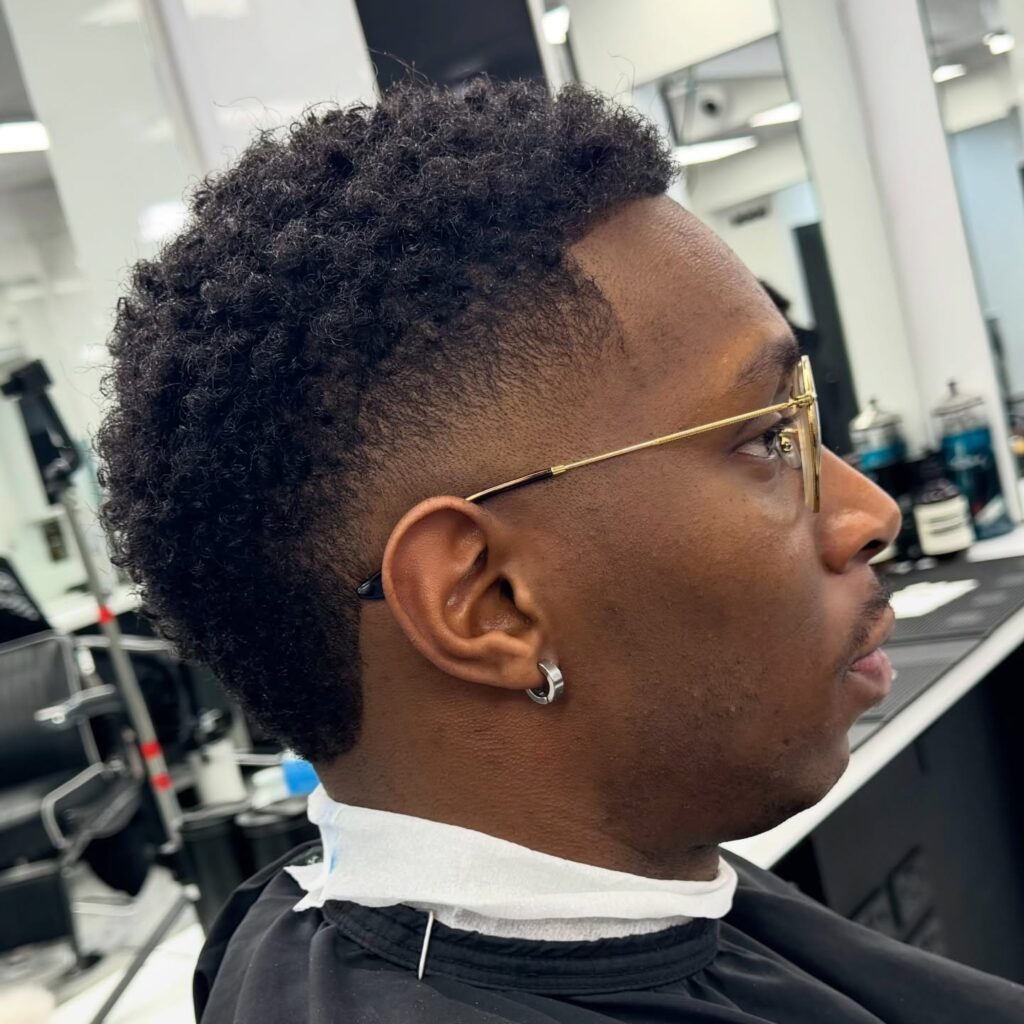
The sponge technique — using a textured foam sponge in a circular motion on short natural hair — creates tight, even coil balls across the top. On a burst fade, sponge curls sit like a perfect texture field above the clean fade line. The uniformity of the sponge pattern gives this a very clean, precise aesthetic that’s easy to replicate at home.
Who it suits: Round, oval, and square face shapes. The compact, even pattern of sponge curls doesn’t add disproportionate volume in any one direction, making it broadly flattering.
Styling tip: Sponge curls work best on hair between 1 and 3 inches long. Too short and the sponge has nothing to grip; too long and it creates inconsistent, uneven results. A small amount of curl cream or wave pomade applied before sponging dramatically improves coil formation and hold.
11. Burst Fade with Two-Strand Twists
Source: @Instagram
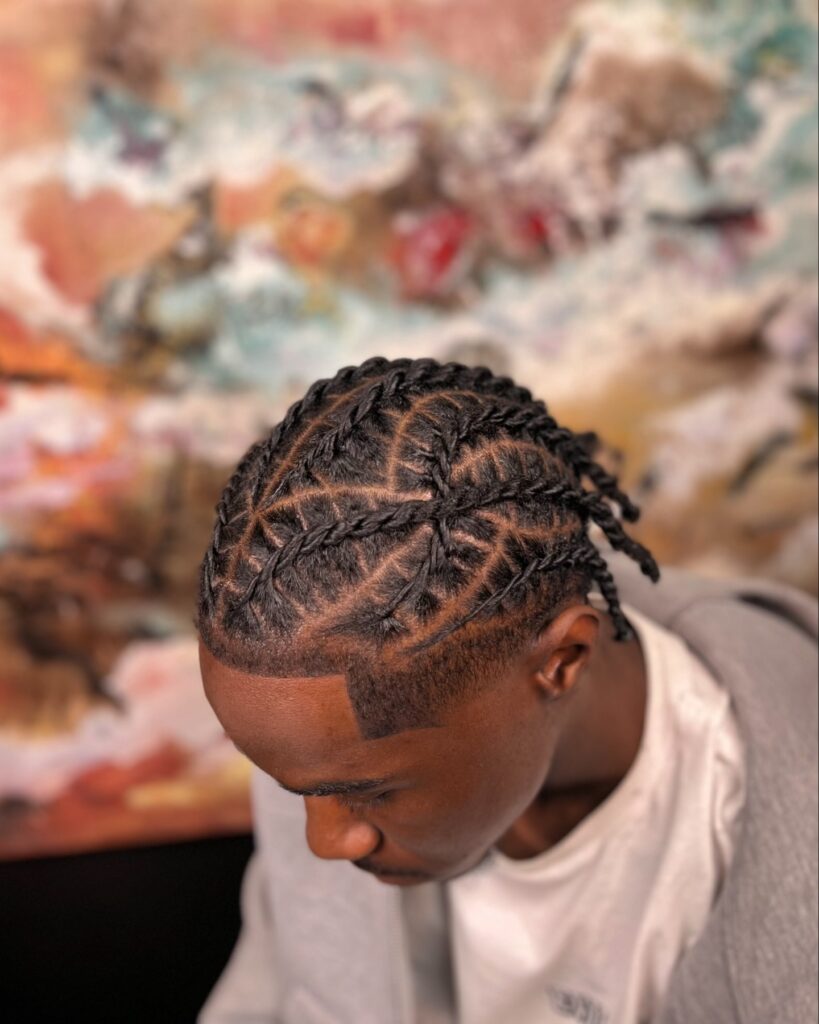
Two-strand twists left in (not released into a twist out) create a textured, defined look that’s different from both a wash-and-go and a twist out. The individual twists — neat, cylindrical, and uniform — sit above the burst fade like a deliberate pattern. This style has a very intentional, almost architectural look.
Who it suits: Diamond and oval face shapes. The defined, even texture of two-strand twists adds visual interest without bulk — best on faces where structure is an asset rather than something to soften.
Styling tip: Consistent twist size is everything with this style — uneven twists look sloppy rather than intentional. Part the hair in a grid pattern first, then twist each section separately. A rat-tail comb for parting and a small amount of water-based gel for each twist keeps the pattern clean.
12. Burst Fade with High-Top Curls
Source: @Instagram
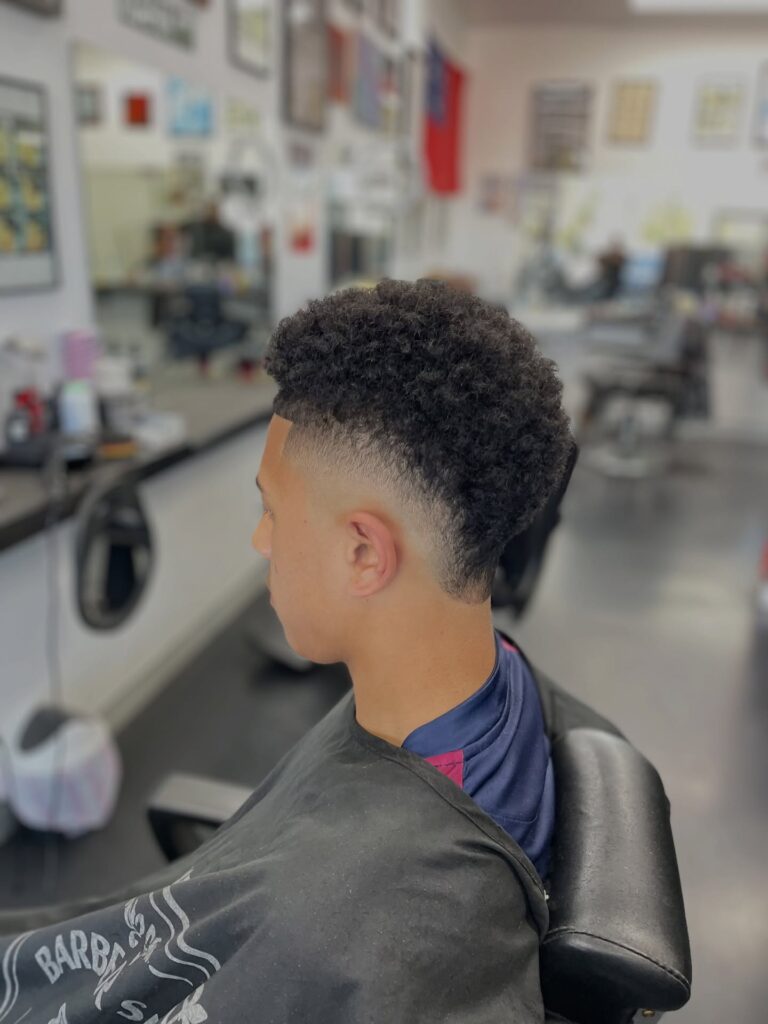
The high-top is a timeless silhouette brought up to date with the burst fade’s modern geometry. The top is cut and shaped flat (or nearly flat) at the crown, creating a horizontal plane of curls. The burst fade sweeps around the ear below. Together, they create a geometric, graphic silhouette that’s both retro and current.
Who it suits: Round and heart face shapes. The flat top adds height while controlling width — this elongates rounder faces significantly and balances wider chins on heart-shaped faces.
Styling tip: Maintaining a high-top flat plane requires regular barber visits — every three to four weeks maximum. At home, a light-hold cream applied daily and a gentle palm-patting motion (not pressing down) keeps the flat surface from losing its shape between cuts.
13. Burst Fade with Curly Undercut

Source: @Instagram
The curly undercut keeps all the length on top while fading the sides dramatically — the burst fade here hugs tightly around the ear, creating a clear delineation between the long, full curl mass on top and the bare or near-bare sides. It’s one of the most versatile curly styles because the top can be worn loose and voluminous or pulled back for a completely different look.
Who it suits: Oval, oblong, and heart face shapes. The undercut’s strong side contrast works on elongated or heart-shaped faces where the volume staying centered on top is a proportional asset.
Styling tip: The undercut is two haircuts in one — maintain both the length on top AND the fade on the sides separately. The top curls need hydration and definition products; the sides need a clean-up every two to three weeks. Don’t let the fade grow out fuzzy while focusing on the top.
14. Burst Fade with Color-Treated Curls
Source: @Instagram
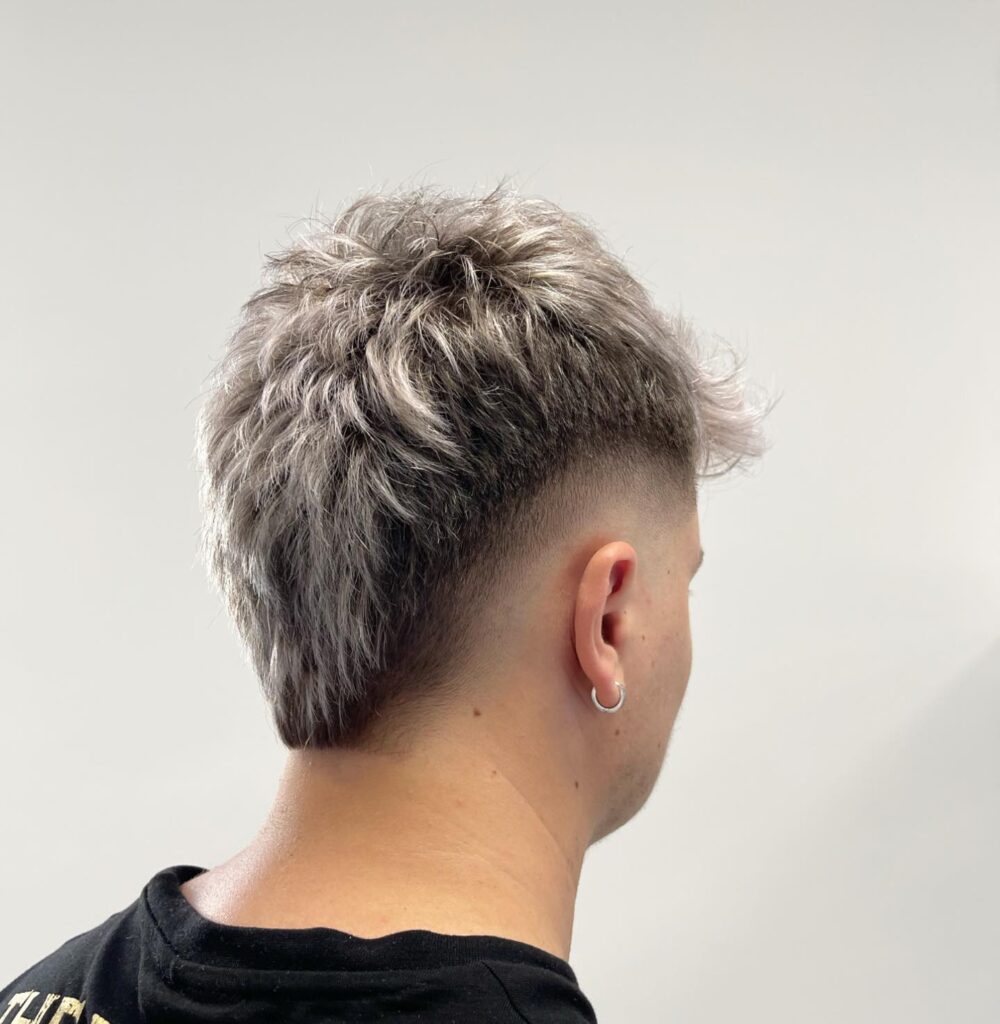
Adding color to curly hair on top of a burst fade takes this style into fully editorial territory. Bleached tips, a full bleach-and-tone, natural henna color, or even a color block on specific curl sections — all of these interact with curl texture in a way that straight hair simply can’t replicate. The movement of curls catches light differently at different angles, making color look more dynamic and alive.
Who it suits: All face shapes. Color placement can be tailored to any structural goal — lighter pieces near the face open and brighten, concentrated color on top adds height.
Styling tip: Color-treated curly hair is significantly more fragile than unprocessed hair. Switch to a sulfate-free, color-safe shampoo immediately after coloring, and add a protein treatment (like a rice water rinse or a dedicated protein conditioner) once a month to prevent color-processed curl breakage.
15. Burst Fade with Natural Wash and Go Curls
Source: @Instagram
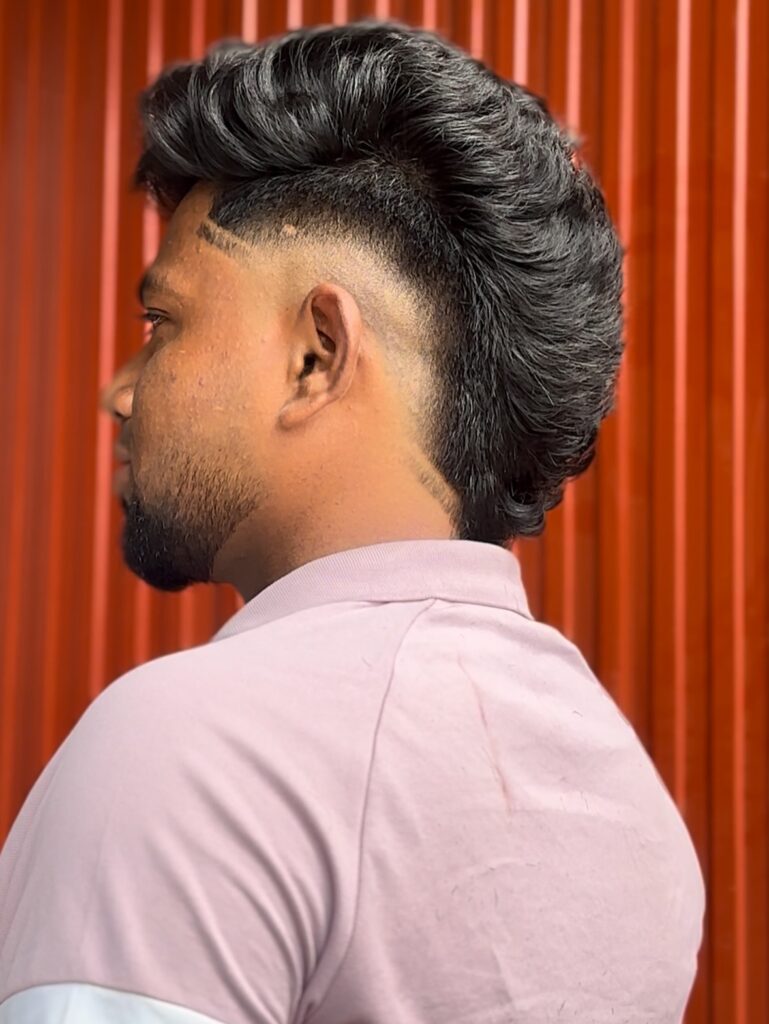
The simplest version is sometimes the most confident. A burst fade with a completely unstyled, freshly washed wash-and-go on top — no product manipulation beyond a basic leave-in and maybe a light gel — lets the natural curl pattern speak entirely for itself. The burst fade does its structural work below; the curls do whatever they want above.
Who it suits: All face shapes. The wash-and-go is the most organic expression of whatever your natural curl pattern is — the burst fade provides the necessary structure so even an “unstyled” top looks intentional.
Styling tip: A genuinely good wash-and-go requires the hair to be product-applied while soaking wet — not damp, not towel-dried, but literally dripping. Rake product through with fingers, then either air dry without touching or diffuse on low heat. The less manipulation after product application, the better the clump definition.
Quick Reference Tables
Burst Fade Curly Hair by Face Shape
| Face Shape | Best Styles | Key Features to Request | What to Skip |
|---|---|---|---|
| Oval | Any style | Open canvas — all fades and curl patterns work | Nothing off-limits |
| Round | Low Burst Fade + Crop, High-Top, Frohawk | Height at crown; avoid extra side width | Wide, low-volume curls that spread horizontally |
| Square | Curly Crop, Line Up, Frohawk | Softness at angles; avoid hard geometric lines only | Very angular line-up without any curl softness |
| Diamond | Afro, Burst Mohawk, Undercut | Volume at crown and jaw; refined sides | Very compact, low-volume styles that emphasize cheekbones |
| Heart | Afro, Frohawk, High-Top | Fullness at top; minimize lower volume | Long, heavy styles that emphasize the jaw area |
| Long/Oblong | Wash-and-Go, Sponge Curls, Two-Strand Twists | Width-adding texture; horizontal volume | Very tall, narrow styles that add visual height |
Burst Fade Curly Hair: Guard Length Reference
| Fade Level | Guard Numbers | Visual Effect | Best Curl Texture |
|---|---|---|---|
| Skin/Bald Burst | 0 → 0.5 → 1 | Maximum contrast; dramatic | Type 4 coils, tight curls |
| Low Burst Fade | 0.5 → 1 → 2 | Subtle; professional; refined | All curl types |
| Mid Burst Fade | 1 → 1.5 → 3 | Balanced; versatile | All curl types |
| High Burst Fade | 0 → 1 → 2 → 3 | Bold; contemporary; high contrast | Type 3B–4C curls |
| Tapered Burst | 2 → 3 → 4 | Natural taper; least dramatic | Type 2C–3B looser curls |
Product Recommendations by Curl Type
| Curl Type | Best Product Type | Recommended Application | Avoid |
|---|---|---|---|
| Type 2 (wavy) | Light mousse or wave spray | Apply to damp hair, scrunch once | Heavy butters; oil-heavy creams |
| Type 3A/3B | Curl cream + light gel | Apply to wet hair, rake then scrunch | Alcohol-heavy gels that dry crispy |
| Type 3C | Curl cream + strong-hold gel | Apply to soaking wet, rake through | Products with no slip — cause frizz |
| Type 4A/4B | Butter-based styler + gel | LOC method on wet hair | Lightweight sprays with no hold |
| Type 4C | Heavy cream + castor oil seal | Apply in sections, seal ends | Anything that requires stretch to apply |
Common Mistakes and How to Avoid Them
Mistake 1: Asking for a Burst Fade Without Showing a Reference Photo
“Burst fade” means different things to different barbers. Some interpret it as a very close skin fade around the ear; others leave more length. Bring a reference photo every single time — even if you’ve had this cut before — because a different barber will execute it differently.
Mistake 2: Getting the Cut Wrong for Your Curl Shrinkage
Curl shrinkage is real and significant — type 4 coils can shrink 50–75% from their stretched length. If you ask your barber to cut the top to three inches and they cut it stretched, you might end up with effectively one to one and a half inches of visible curl. Tell your barber your curl type and ask them to account for shrinkage, or ask them to cut hair in its natural (unstreched) state.
Mistake 3: Skipping Moisture on Faded Sides
The faded sections of your scalp — especially at a skin fade level — lose moisture faster than covered scalp skin. Dry, ashy-looking skin around the fade line is common and easily avoided. Apply a lightweight scalp oil or even an unscented lotion to the faded area every two days. This keeps the skin looking healthy and makes the fade appear crisper.
Mistake 4: Using Products with Alcohol High on the Ingredients List
Many popular curl gels contain drying alcohols (like denatured alcohol, isopropyl alcohol, or SD alcohol) listed in the first five ingredients. These give a crisp, defined look initially but cause significant dryness and breakage over time. Check the ingredients list and choose gels with fatty alcohols (cetyl alcohol, stearyl alcohol) instead — these moisturize rather than dry.
Mistake 5: Touching the Curls While They’re Drying
This is the most common DIY mistake. Touching, fluffing, or separating curls before they’re fully dry stretches the curl clumps apart and creates frizz at the surface. Keep your hands completely away from the top until the hair is 100% dry — then you can gently separate if desired.
Mistake 6: Waiting Too Long Between Barber Visits
A burst fade looks its absolute best in the first seven to ten days after a fresh cut. After two to three weeks, the fade line blurs, the curve around the ear loses its shape, and the overall structure of the style starts to look grown-out rather than intentional. For a burst fade to look consistently sharp, book appointments every two to three weeks.
Similar Variations Worth Knowing
Taper Fade with Curls — A standard taper fade (straight horizontal fade line, not curved around the ear) with curls on top. Less dramatic than a burst fade but more versatile for conservative settings.
Drop Fade with Curls — The fade line drops down behind the ear toward the nape. Creates a different silhouette that’s particularly clean-looking from the back.
Edgar Burst Fade — A burst fade combined with a blunt, straight hairline across the front (the “Edgar” crop). Very contemporary, very popular in Hispanic and Latino communities.
Temp Fade with Curls — A fade concentrated specifically at the temples, not radiating fully around the ear. A subtle version of the burst fade family.
Curly Mullet with Burst Fade — The burst fade applied to a mullet silhouette — short on top, longer natural curls at the nape. An edgy, unexpected combination gaining serious traction.
Hair Care Tips for Burst Fade Curly Hair
The burst fade is a high-maintenance cut — but the curly top demands just as much attention. Here’s how to take care of both.
Washing Frequency Curly hair generally needs washing less frequently than straight hair because the natural scalp oils travel more slowly down the spiral shaft. Two to three times per week is ideal for most curl types. Overwashing strips moisture and causes the frizz and dryness that makes curls look dull above your clean fade.
The Right Shampoo Matters Enormously Use a sulfate-free shampoo on the entire head — sulfates are effective cleansers but they strip the natural oils that curly hair desperately needs. Once a month, use a clarifying shampoo to remove product buildup, then follow immediately with a deep conditioning treatment to restore moisture.
Deep Conditioning Is Not Optional Every wash day should end with a conditioner. Once a week — especially if you use heat, color, or heavy styling products — use a deep conditioning mask for 20–30 minutes under a shower cap or a warm towel. Curls without moisture become brittle and break, which is especially visible against a clean fade where the length of the top section is very visible.
Protect the Scalp at the Fade Line Where the fade meets bare or near-bare skin, the scalp is more exposed to sun, wind, and cold. In summer, apply an SPF-containing scalp spray or serum to the faded area. In winter, a light layer of natural oil (jojoba works well) prevents the scalp from becoming dry and flaky, which would look especially obvious against a tight fade.
Nighttime Routine A satin or silk pillowcase reduces friction on curly hair dramatically. If you tend to move around while sleeping, a satin sleep cap keeps the curl pattern intact overnight. For shorter curl styles (like sponge curls or a curly crop), refreshing in the morning with a water-glycerin mist and a quick scrunch is usually sufficient to revive the shape without a full wash.
Scalp Health Between Barber Visits Keep the scalp clean between cuts with a gentle scalp massage using diluted tea tree oil or peppermint oil mixed into a carrier oil. This stimulates circulation, prevents buildup, and keeps the scalp healthy. Avoid heavy oils directly on the scalp — they clog follicles and can slow healthy hair growth over time.
Outro
Burst fade curly hair sits at the perfect intersection of structure and freedom — the technical precision of a fade combined with the organic, unpredictable beauty of natural curls. Whether you go for the dramatic skin-to-Afro contrast, the polished low fade with a clean crop, or the eye-catching frohawk, the burst fade is a cut that rewards good maintenance and a confident barber. Take the reference photos, know your curl type, protect your moisture, and keep those appointments consistent. Burst fade curly hair done right doesn’t just look good — it looks like you, just sharper.