15 Shaggy Hairstyles for Men: The Ultimate Guide to Effortlessly Cool Hair
I’ve been obsessing over shaggy hairstyles for men for years now — and honestly, I get it. There’s something magnetic about that lived-in, undone look that’s hard to pull off but impossible to ignore when done right.
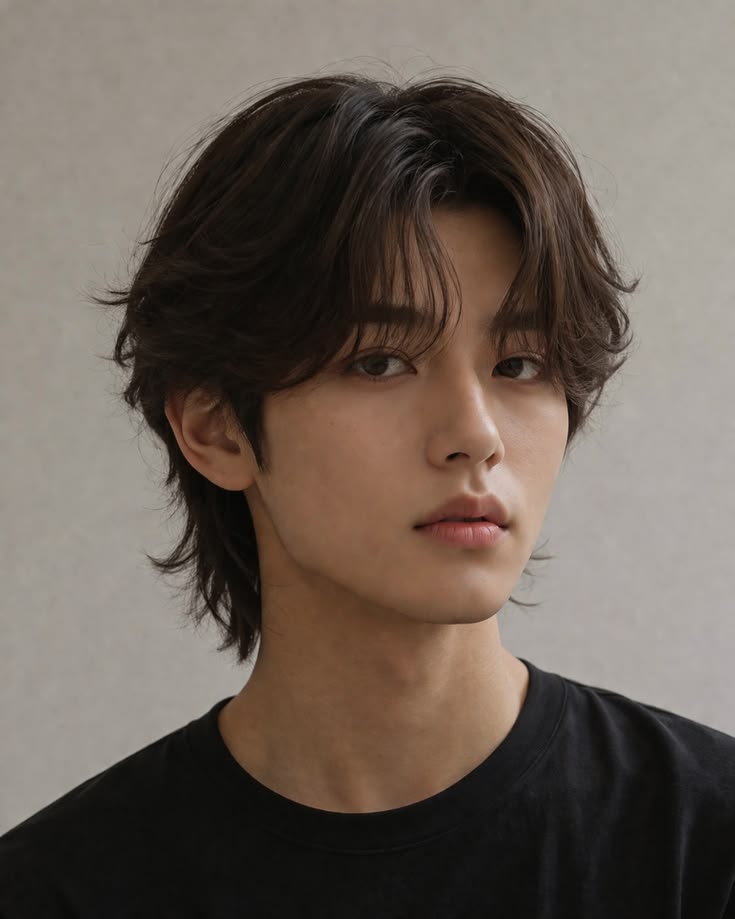
So what exactly are shaggy hairstyles for men? Shaggy hairstyles for men feature layered, textured cuts with a deliberately relaxed, slightly unkempt appearance. They typically sit between medium and long length, incorporate face-framing layers, and work best with natural movement. The look suits wavy, straight, or curly hair and works across a wide range of face shapes — from oval to square to oblong.
Keep reading, because I’m about to break down 15 distinct shaggy styles, who they work best for, how to style them, common mistakes guys make, and hair care tips to keep that effortless texture looking intentional — not accidental.
What Makes a Hairstyle “Shaggy”?
Before jumping into the actual styles, let me clear something up. “Shaggy” isn’t just code for “messy.” There’s real technique involved. A proper shaggy cut uses strategic layering — shorter layers on top, gradually longer toward the bottom — combined with texturizing techniques like point cutting or razor cutting. The goal is movement, volume, and that barely-tried aesthetic that actually takes some effort to maintain.
Think of it as controlled chaos. And these 15 styles are proof that it works beautifully.
15 Shaggy Hairstyles for Men
1. The Classic Shag
Source: @Pinterest
The classic shag is the blueprint everything else is built on, and for good reason — it works on almost every man.
The classic shag features medium-length hair (usually 3–5 inches on top) with choppy, graduated layers from crown to ends. The hair sweeps over the forehead lightly and fans slightly at the sides and back. It’s the haircut that defined rock ‘n’ roll in the 70s and never really left. David Cassidy, Rod Stewart — these guys built careers partly on the strength of this look.
Who it suits: Oval, square, and round face shapes. Works brilliantly on straight to slightly wavy hair.
Styling tip: Apply a light texturizing paste through damp hair, then scrunch or tousle with your fingers. Air dry or use a diffuser for best results.
Practical implementation: Ask your barber for “graduated layers with a soft perimeter” — that phrasing gets you closer to the real thing than just saying “shaggy.”
This style transitions into the next one naturally because layering is only half the story — texture product choice makes or breaks the final look.
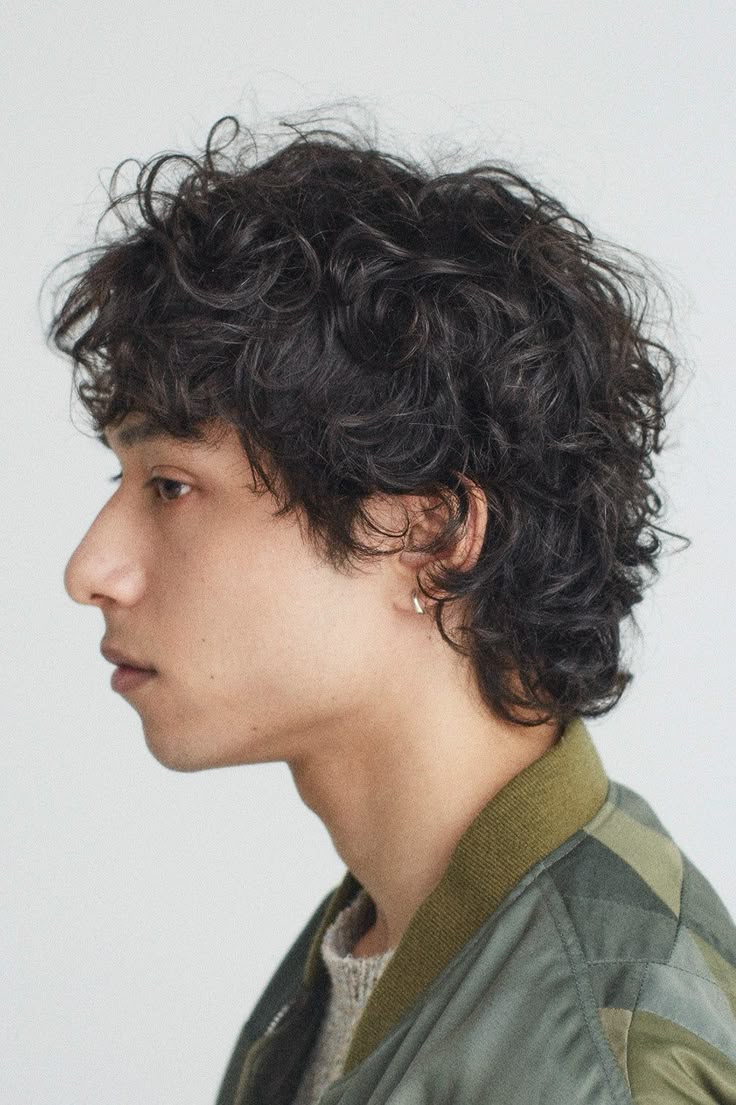
2. The Curly Shag
Source: @Pinterest
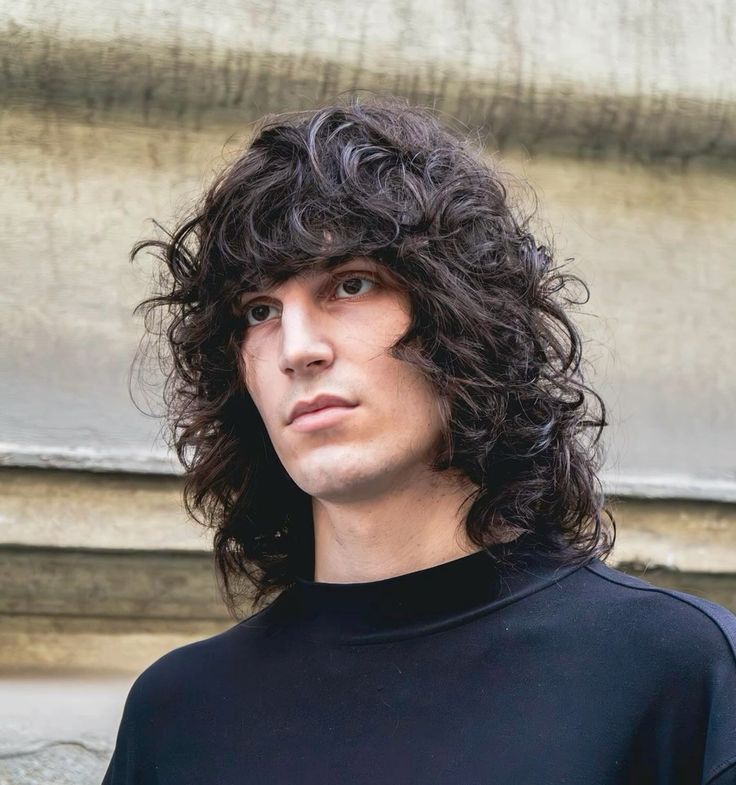
If you’ve got natural curls and you’ve been fighting them your whole life, stop. The curly shag is your permission to let them do their thing.
Curly shags use the natural curl pattern to amplify the layered, voluminous effect. Layers are cut specifically to reduce bulk while encouraging curl definition, not suppress it. The result is a shape that looks almost sculptural — wider at the cheekbones, tapering slightly at the neck.
Who it suits: Men with 2B to 4A curl patterns. Particularly flattering on longer, narrower face shapes because the width of curls visually broadens the face.
Styling tip: Apply a curl cream or light gel to soaking wet hair, then scrunch from ends upward. Never brush curly shag hair when dry — it destroys curl integrity and creates frizz.
Common pitfall: Many guys with curly hair ask for too many layers, leading to a triangle-shaped silhouette. Ask for “long layers that preserve curl weight.”
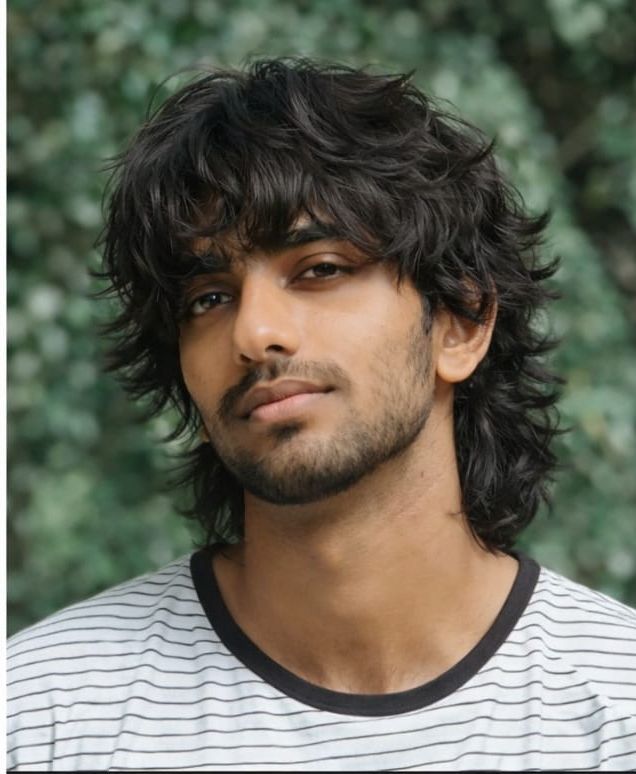
3. The Textured Fringe Shag
Source: @Pinterest
The textured fringe shag takes the classic shag and adds a curtain-style or choppy fringe front and center — making it immediately more modern.
The fringe here isn’t blunt-cut like a bowl cut. It’s feathered, texturized, and split loosely in the middle or swept slightly to one side. Combined with shaggy layers throughout the rest of the hair, this creates a very Britpop-meets-indie-film-character aesthetic. Think early Arctic Monkeys energy — disheveled but intentional.
Who it suits: Square and rectangular face shapes especially. The fringe softens angular jawlines and shortens longer faces visually.
Styling tip: Use a blow dryer with a round brush to lift the fringe slightly at the roots, then finish with a light wax to piece out the ends.
4. The Shaggy Undercut

Source: @Pinterest
This is where classic shag meets modern barbering. The undercut removes bulk from the sides and nape while leaving all that glorious length and texture on top.
The contrast between the clipped sides and the longer, layered top creates structure that a traditional shag sometimes lacks. It’s more versatile, too — wear it down for the shaggy look, or push the top back for something that reads more polished.
Who it suits: Round face shapes benefit most here because the shaved or closely cropped sides create the illusion of length.
Styling tip: Apply a matte clay to the top section and style upward and forward. Keep sides clean with a weekly tidy-up to maintain the contrast.
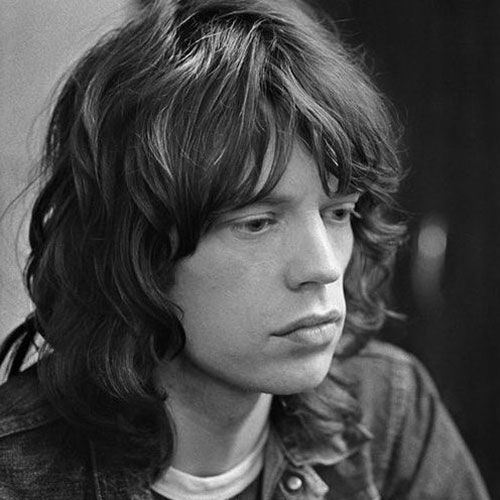
5. The 70s Rock Shag
Source: @Pinterest
Feathered, winged, and unapologetically retro — the 70s rock shag is back and it looks better than ever.
This cut relies heavily on feathering technique. The stylist uses a razor or point-cutting method to create wispy ends that “feather” away from the face. The hair typically sits past the ears and often grazes the collar. Layers are pronounced and dramatic. Think Mick Jagger circa 1973.
Who it suits: Men with fine to medium hair who want volume. Also works well on oval face shapes.
Styling tip: Blow dry with a large round brush, working sections away from the face. Finish with a light hold hairspray to preserve the feathered shape without stiffness.
Similar variation: The Wolf Cut (covered below) is the 2020s evolution of this exact concept.
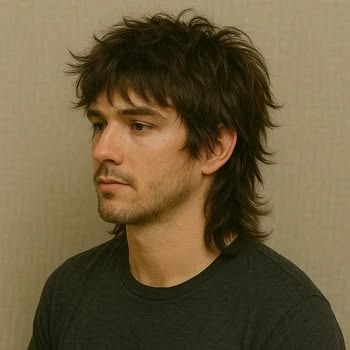
6. The Wolf Cut
Source: @Pinterest
Possibly the most talked-about shag variation of the past five years, the wolf cut merges mullet structure with shag texture — and it is chaotic good.
The wolf cut features a shorter, choppier crown with significant volume, longer layers cascading down, and a wispy, uneven perimeter at the ends. The nape area is typically longer than in a traditional shag, giving it that subtle mullet DNA. It’s the haircut that exploded on TikTok in 2021 and has stayed relevant because it genuinely looks great on a variety of hair types.
Who it suits: Almost everyone, but particularly striking on wavy and curly hair. Oblong face shapes should keep the crown volume moderate to avoid elongating the face further.
Styling tip: Diffuse with your head tilted upside-down to maximize volume at the roots. Use a texturizing spray throughout for grip and definition.
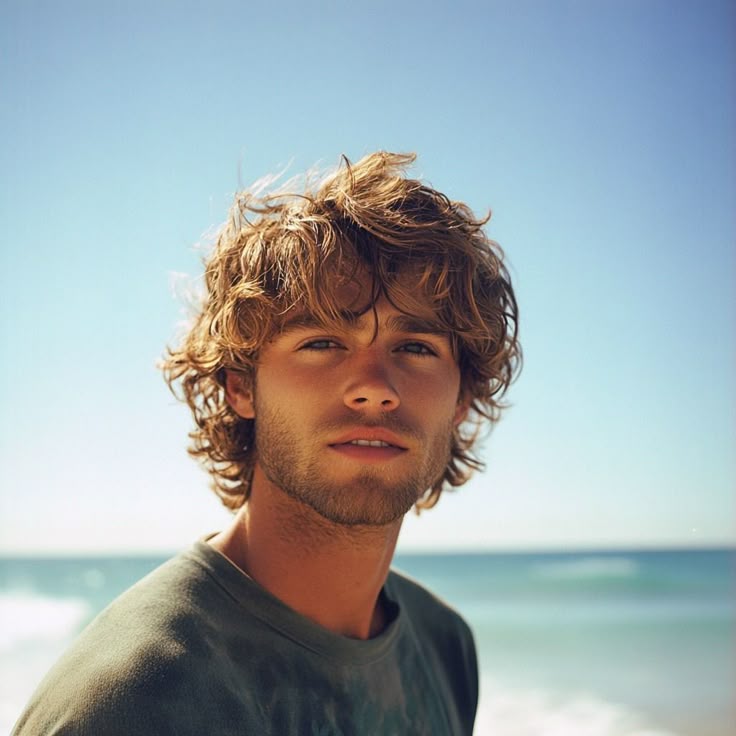
7. The Surfer Shag
Source: @Pinterest
Salt air. Sun bleached tips. Zero-effort cool. That’s the surfer shag.
This style emphasizes natural texture, often enhanced with sea salt spray, and leans toward a slightly longer length — usually touching the ears fully and approaching the collar. Layers are softer and less dramatic than a classic shag, giving the whole look a more relaxed, organic silhouette. The color often contributes to the effect: sun-lightened ends against darker roots reinforce the beach-worn vibe.
Who it suits: Naturally wavy hair is perfect here. Straight hair can achieve this look with a bit of salt spray and scrunching while damp.
Styling tip: Spray sea salt spray into damp hair, scrunch, and let it air dry completely. If you want more defined waves, twist small sections and let them set before releasing.
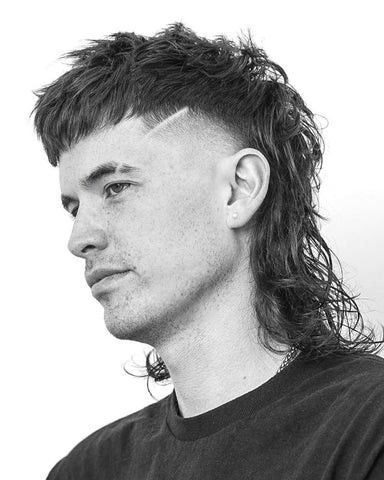
8. The Shaggy Mullet
Source: @Pinterest
Yes, the mullet is back. No, it doesn’t have to look like 1987 anymore.
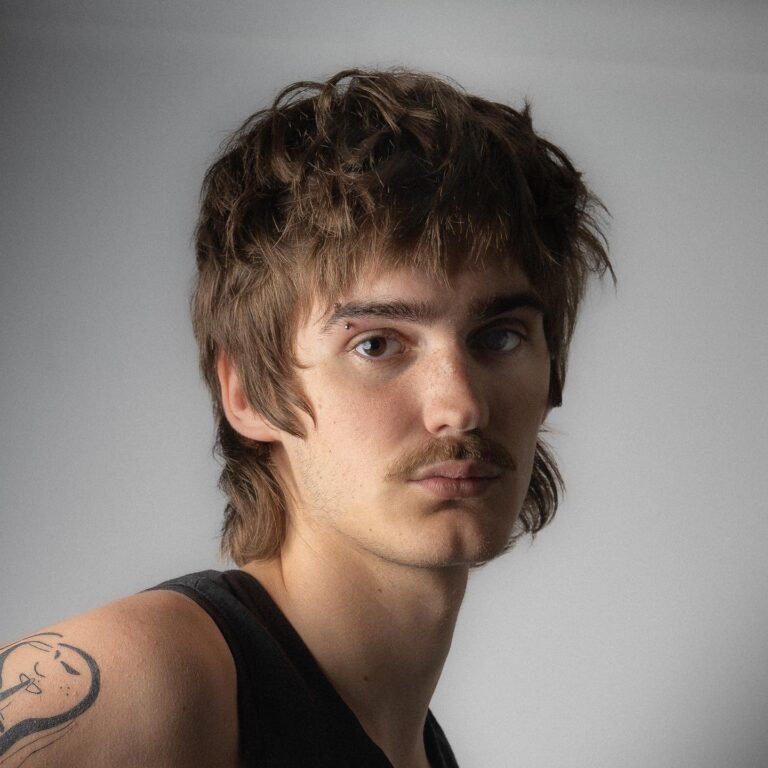
The shaggy mullet combines the volume and texture of a shag on top with intentionally longer, slightly wispy length in the back. Unlike its predecessor, the modern shaggy mullet keeps the transition gradual rather than blunt. The sides aren’t brutally short — they blend into the back more naturally. The result is edgy and fashion-forward without screaming “I lost a bet.”
Who it suits: Oval and heart-shaped faces. The length at the back adds visual weight where those face shapes are narrower.
Styling tip: Keep the top textured and voluminous, the sides blended, and the back lightly conditioned and slightly tousled — not slick.
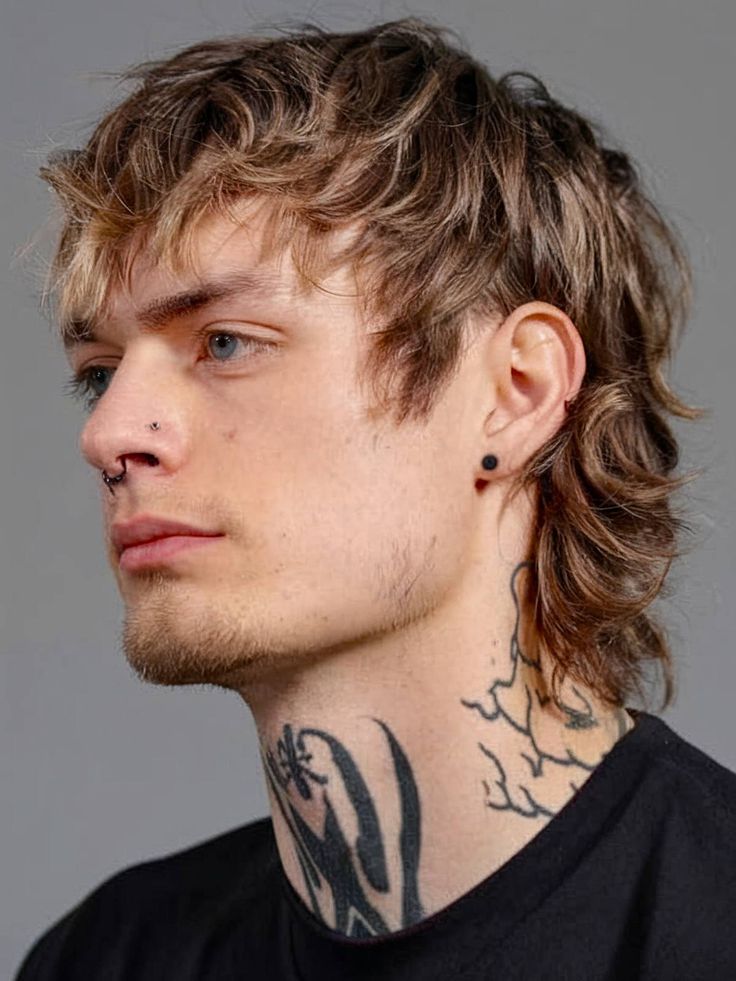
9. The Short Shag
Source: @Pinterest
Not everyone wants hair past their ears. The short shag delivers all the texture and energy of the full shag at a more conservative length.
We’re talking 2–3 inches on top, with the sides and back shorter but not shaved. Layers are still present — they’re just compressed into a smaller canvas. The result is a style that reads as “put together but creative.” It fits comfortably in professional environments where a full-length shag might raise eyebrows.
Who it suits: All face shapes. Especially practical for thick hair that can become unwieldy at longer lengths.
Styling tip: A small amount of matte pomade worked between the fingertips, applied to dry hair, and then finger-styled in a tousling motion gives the most natural texture.
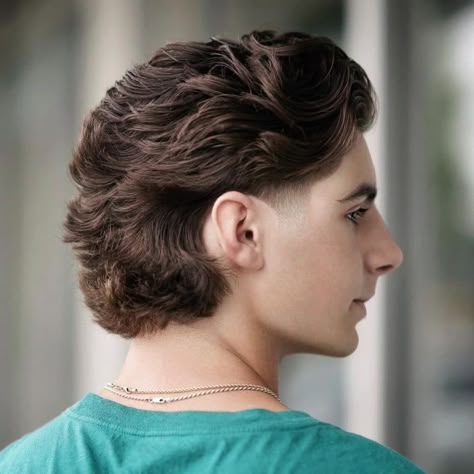
10. The Shaggy Quiff
Source: @Pinterest
The quiff provides lift and forward momentum at the front; the shag provides texture and volume throughout. Together, they create something with a bit more intentionality than a straight shag but more personality than a standard quiff.
The front section is blown upward and slightly forward — not to the extreme heights of a classic quiff — while the rest of the hair maintains shaggy, layered texture with natural movement.
Who it suits: Oblong and rectangular face shapes. The added height can be counterproductive for already-tall faces, so keep it moderate. Great for men who want a shaggy look that still feels structured.
Styling tip: Apply a volumizing mousse to damp hair, blow dry the front section upward using a medium round brush, then add a small amount of clay to hold.
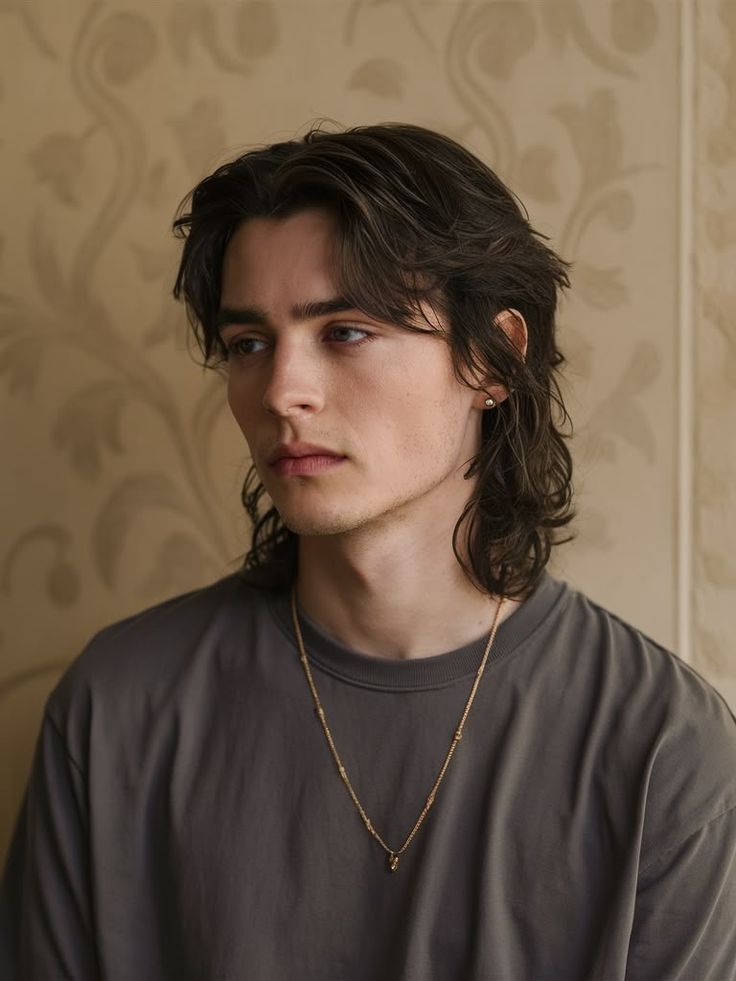
11. The Side Swept Shag
Source: @Pinterest
Sometimes the most subtle variation makes the biggest difference. The side-swept shag takes the classic structure and directs all that gorgeous texture across the forehead to one side.
This creates an asymmetrical, slightly dramatic look that frames the face beautifully. The sweep can be loose and casual, falling naturally, or more intentional with the help of styling product. The side part can be deep or subtle depending on preference.
Who it suits: Square face shapes especially — the diagonal line of the sweep softens the strong jaw. Also great for men with a widow’s peak they want to work with rather than against.
Styling tip: While blow drying, direct airflow in the direction of the sweep using a large paddle brush. Finish with a light pomade to keep the sweep in place without heaviness.
12. The Messy Bun Shag (Long Shag)

Source: @Pinterest
This one requires commitment — we’re talking hair that reaches or passes the shoulders. But the payoff is undeniable.
The long shag at this length develops a full, flowing character when worn down. The real versatility bonus is that it can be half-up or pulled into a loose bun without losing the textured, shaggy personality. The layers cascade beautifully, and the wispy ends add a softness that shorter shags can’t achieve.
Who it suits: Men with patience, and hair with natural wave or curl. Straight hair at this length can fall flat without product support.
Hair care consideration: At this length, regular deep conditioning (once weekly) becomes essential, not optional. The longer the hair, the older the ends — and older ends need moisture.
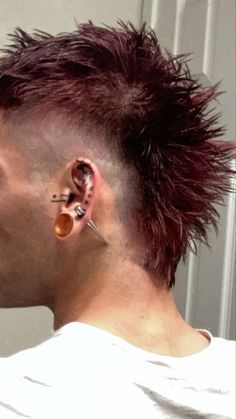
13. The Shaggy Caesar
Source: @Pinterest
The Caesar cut traditionally features a short, horizontally straight fringe. The shaggy Caesar softens all of that — the fringe becomes choppy and textured, the top develops layers, and the overall effect is far less rigid.
It’s a surprisingly modern take on a genuinely classic cut and works well for men who like the facial-framing function of the fringe but find traditional Caesars too stiff or military-looking.
Who it suits: Round and oval face shapes. The textured fringe adds a bit of character without dramatically changing the overall proportions.
Styling tip: A very light wax applied to the fringe and pieced out with fingertips gives the right texture without looking overdone.
14. The Shaggy Taper

Source: @Pinterest
A taper fade is the modern barber’s signature move. Combining one with shaggy texture on top creates a look that straddles the line between barbershop precision and indie-band energy.
The sides are tapered — gradually fading from shorter at the base to longer toward the crown — while the top maintains the layered, textured shag character. It’s perhaps the most versatile entry on this list: appropriate for offices, weddings, first dates, and music festivals.
Who it suits: All face shapes. The taper’s precision grounds the wilder texture on top, creating a balanced overall silhouette.
Styling tip: Use a matte clay on top for texture and natural hold. Keep the taper fresh with a barber visit every 2–3 weeks — this is the highest maintenance style on the list.
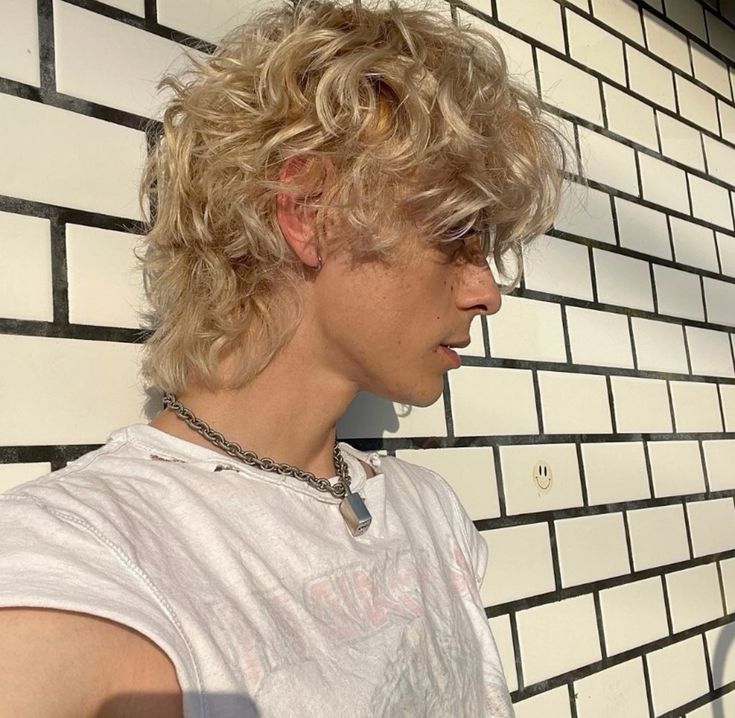
15. The Platinum Shag
Source: @Pinterest
This last one isn’t strictly about cut — it’s about color. A platinum or heavily highlighted shag takes everything textural and amplifies it visually through color dimension.
When hair is bleached to platinum (or highlighted with lighter tones throughout), the layers become far more visible. The lighter color catches and reflects light differently through each layer, making the texture itself the star. It’s bold. It’s high-impact. And it absolutely works.
Who it suits: Men who are committed to hair maintenance (bleached hair requires regular toning and conditioning). Works especially well with wavy and curly hair where the varied tones accentuate curl definition.
Hair care note: Bleached hair is chemically compromised. Purple shampoo once a week, bond-repairing treatment (like Olaplex) every 2–3 washes, and heat protectant every single time you use heat — no exceptions.
Quick Reference Table: Choosing Your Shag Style
Shag Styles by Face Shape & Hair Type
| Style | Best Face Shape | Best Hair Type | Maintenance Level | Length |
|---|---|---|---|---|
| Classic Shag | Oval, Square, Round | Straight, Wavy | Low | Medium |
| Curly Shag | Oblong, Narrow | Curly (2B–4A) | Medium | Medium |
| Textured Fringe Shag | Square, Rectangle | All Types | Medium | Medium |
| Shaggy Undercut | Round | All Types | High | Medium |
| 70s Rock Shag | Oval | Fine to Medium | Low | Medium–Long |
| Wolf Cut | All | Wavy, Curly | Low–Medium | Medium–Long |
| Surfer Shag | Oval, Round | Wavy | Low | Medium |
| Shaggy Mullet | Oval, Heart | All Types | Medium | Medium–Long |
| Short Shag | All | Thick | Low | Short |
| Shaggy Quiff | Oblong, Rectangle | Medium | Medium | Medium |
| Side-Swept Shag | Square | All Types | Low | Medium |
| Long Shag (Messy Bun) | Oval, Rectangle | Wavy, Curly | High | Long |
| Shaggy Caesar | Round, Oval | All Types | Low | Short–Medium |
| Shaggy Taper | All | All Types | High | Medium |
| Platinum Shag | All | Wavy, Curly | Very High | Medium |
Product Guide for Shaggy Styles
| Product Type | Best For | Hold Level | Finish |
|---|---|---|---|
| Sea Salt Spray | Surfer Shag, Wolf Cut | Light | Matte, Textured |
| Texturizing Paste | Classic Shag, Short Shag | Light–Medium | Matte |
| Matte Clay | Shaggy Taper, Quiff | Medium | Matte |
| Light Wax | Fringe Shag, Caesar | Light | Semi-Matte |
| Curl Cream | Curly Shag | Light | Natural |
| Volumizing Mousse | 70s Rock, Long Shag | Light | Natural |
| Light Hairspray | 70s Rock, Side-Swept | Variable | Natural–Slight Sheen |
| Matte Pomade | Short Shag, Quiff | Medium | Matte |
Common Mistakes and How to Avoid Them
Getting a shaggy haircut seems simple. But there are a surprising number of ways it goes wrong. Here are the most common errors and exactly how to sidestep them.
1. Going too short too fast This is the number one mistake. Shag cuts require length to work. If you’re transitioning from a very short cut, grow your hair out to at least 3 inches on top before asking for a shag. Cutting layers into short hair just creates an uneven, patchy mess.
2. Using the wrong product Heavy, shiny products (traditional pomades, waxes with high gloss) kill the natural, airy quality of a shag. Stick to matte, lightweight products. If your finished style looks greasy or “wet,” you’ve used too much product or the wrong type.
3. Skipping the diffuser If you have wavy or curly hair and you’re blow drying a shag straight, you’re fighting the cut. The layers in a shag are designed to work with natural texture. Use a diffuser on medium heat, or air dry whenever possible.
4. Not communicating layering to your barber “Shaggy” means different things to different barbers. Always bring a reference photo. Specify where you want layers to start, how much length you want to preserve, and whether you want a blunt or wispy perimeter.
5. Over-washing Washing daily strips your hair of the natural oils that give a shag its lived-in texture. 2–3 times per week is ideal. Use dry shampoo on off-days to manage any scalp oil without stripping the hair.
6. Neglecting regular trims This surprises people, but shaggy cuts need trimming every 6–8 weeks. Without a trim, the layers lose their definition and the whole cut starts looking genuinely unkempt rather than stylishly relaxed.
Similar Variations Worth Knowing
- The Bixie — A feminine-coded shag that’s gaining traction among men, sitting between a bob and a pixie. Very short, very textured.
- The Mop Top — Beatles-inspired, less layered than a shag, more uniform in length. Less texture, more mass.
- The Curtain Hair — Specifically refers to the center-parted fringe style; can be incorporated into a shag or worn on its own.
- The Shullet — A hybrid of “shag” and “mullet” — shorter in front, longer behind, lots of texture throughout. Essentially the shaggy mullet we covered above.
- The Lob (Long Bob) Shag — For men growing their hair longer, this is the transition stage between a short shag and a full long shag. Genuinely stylish on its own terms.
Hair Care Tips for Shaggy Hairstyles
Shaggy hair needs care. The good news is that it doesn’t need much care — just the right kind.
Moisture is everything. Layered cuts expose more of the hair’s mid-shaft and ends, which means they’re more prone to dryness. Use a hydrating conditioner every wash, and a deep conditioning mask at least twice a month.
Heat protectant is non-negotiable. If you’re using a blow dryer or diffuser (which you probably are), apply a heat protectant spray to damp hair before you start. This is especially critical for bleached or color-treated shags.
Scalp health drives growth. Healthy, full-looking shaggy hair starts at the scalp. Use a gentle exfoliating scalp scrub once every 2–3 weeks to remove buildup. A clean, healthy scalp means healthier, stronger hair.
Embrace natural texture. Shaggy styles are most flattering when they work with your natural hair texture, not against it. Invest time in understanding your hair’s natural behavior when damp — it’ll save you time and frustration every morning.
Trim regularly, even while growing. I know it feels counterintuitive, but regular dusting trims (removing just the very tips) keep split ends from traveling up the hair shaft and destroying your layers. You’ll maintain length while keeping the cut looking intentional.
Avoid sulfate-heavy shampoos. Sulfates are aggressive cleansers that strip natural oils. For shaggy styles that depend on natural movement and texture, opt for sulfate-free or low-sulfate shampoos. Your hair will stay hydrated and more manageable.
Outro
Shaggy hairstyles for men remain one of the most expressive and versatile options in the world of men’s grooming — precisely because there’s no single rigid version of what they should look like. From the surfer’s effortless wave-enhanced shag to the platinum-dyed statement cut, there’s a shaggy style for every personality, face shape, and lifestyle.
The key is choosing the version that works with your hair’s natural character, communicating clearly with your barber, using the right lightweight products, and committing to basic maintenance. Do those four things and you’ll have one of those rare haircuts that looks better the longer you have it.
Whether you’re brand new to shaggy hairstyles for men or looking to refine a style you’ve been rocking for years, I hope this guide gave you everything you needed to make your next barber visit count.