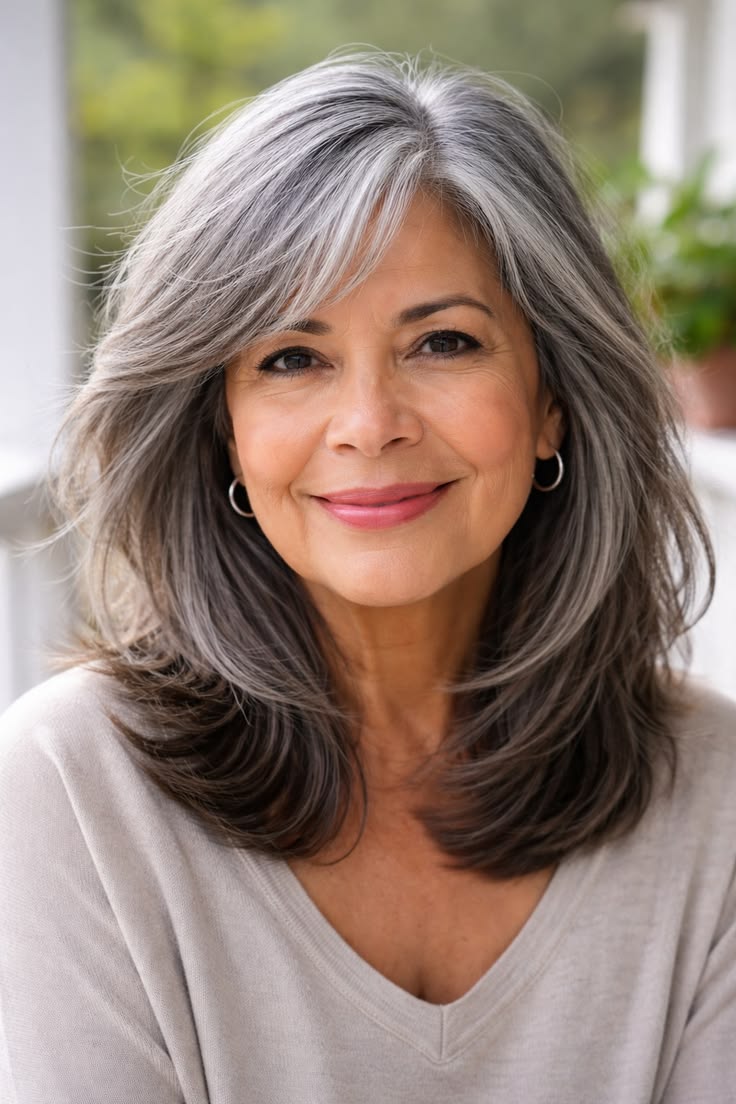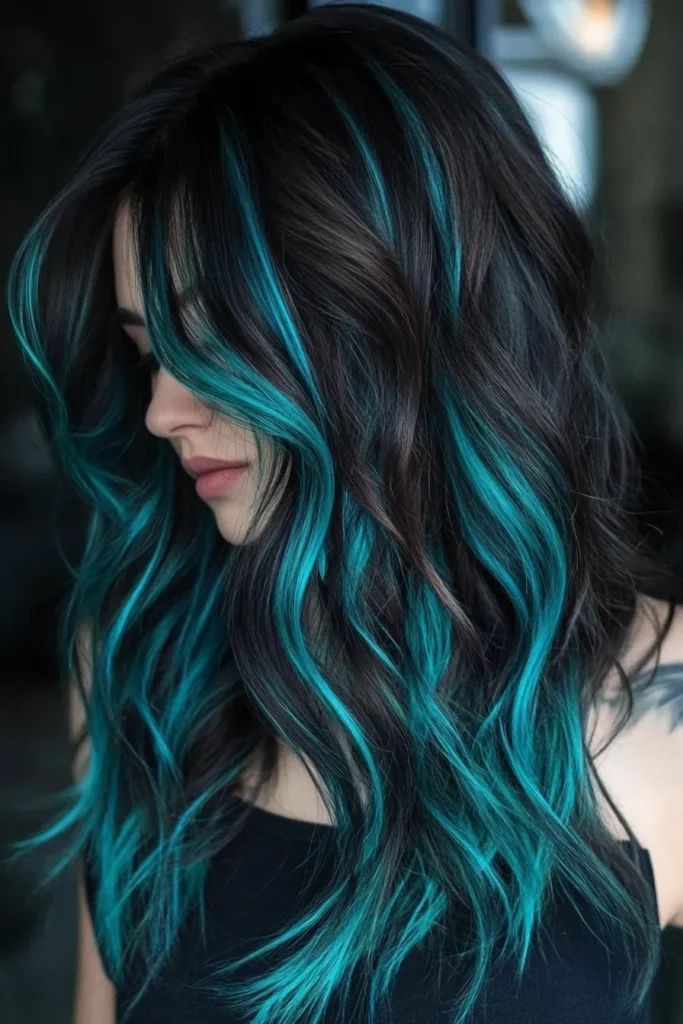

16 Short Brown Hair with Highlights That Actually Look Expensive
Ever stared at someone’s hair and thought, “How does that color look so rich and dimensional?” — and then found out it was just brown with highlights? That’s the magic I want to talk about today. I’ve spent serious time studying color theory, hair formulation, and real salon results, and I can tell you with full confidence: short brown hair with highlights, done right, is one of the most sophisticated looks in the color world. This guide gives you everything you need to know before your next appointment.
So, what is short brown hair with highlights? Short brown hair with highlights refers to a base of brown hair at any length above the shoulders — including pixie cuts, bobs, and textured crops — with lighter or contrasting color applied to select sections to create dimension, depth, and visual movement. Highlight shades range from warm caramel and honey to cool ash and platinum.
Keep reading — because I’m walking through 16 specific highlight techniques and color combinations for short brown hair, complete with skin tone guidance, a maintenance schedule, common coloring mistakes that cost people real money, and a hair care routine designed specifically for color-treated short hair.
Why Highlights on Short Brown Hair Hit Differently
Here’s something most color articles skip: highlights on short hair behave completely differently than highlights on long hair. On long hair, highlights blend into flowing lengths where the color effect is gradual and soft. On short hair, every highlighted section is visible and close to the face. There’s nowhere to hide. That means:
- Placement matters more. A highlight in the wrong spot on a pixie cut is immediately obvious; the same highlight buried in long hair goes largely unnoticed.
- The technique matters more. Balayage blending that looks seamless on long hair can look choppy and disconnected on a bob. Foil highlights that look traditional on long hair can look precise and chic on a crop.
- Skin tone interaction is amplified. Because highlights sit close to the face on short styles, the relationship between the highlight shade and your skin undertone is much more visible than with longer styles.
Understanding these differences is the foundation of getting this color combination right. Now let’s get into the actual styles.
16 Short Brown Hair with Highlights Styles That Deliver Every Time
1. Caramel Highlights on a Dark Brown Pixie Cut

Source: @Instagram
This combination is a masterclass in warmth. A dark brown base — think espresso or dark chocolate — with hand-painted caramel highlights placed strategically through the crown and top sections creates the kind of depth that looks naturally sun-kissed rather than colored. The contrast between dark root and warm mid-tone highlight is rich without being harsh.
Best for skin tones: Warm and neutral undertones. Golden, olive, and medium brown skin complexions carry caramel beautifully. The warmth in the highlight echoes the warmth in the skin, creating a harmonious overall look.
Salon tip: Ask specifically for caramel highlights using a freehand balayage technique on a pixie cut — not foils. On short hair, balayage allows the colorist to place lighter color where it falls most naturally (typically the tips and areas where sun would naturally hit) rather than in uniform foil sections that can look blocky on a short style.
Caramel adds warmth — if you’re looking for something cooler and more editorial, the next style shifts the palette entirely.
2. Ash Blonde Highlights on Medium Brown Hair (Bob)

Source: @Instagram
Cool, sophisticated, and genuinely hard to pull off without the right formula — ash blonde highlights on a medium brown bob is the color combination that tends to get described as “expensive-looking.” The lack of warmth in both the base and the highlight creates a seamless, almost silvery dimension that photographs strikingly.
Best for skin tones: Cool and neutral undertones. Fair skin with pink or bluish undertones, cool beige, and light brown complexions. Ash tones can make warm or golden skin look sallow — the cooler the skin, the better ash reads.
Salon tip: Ash blonde highlights on brown hair require toning after lifting. Without a toner, brown hair lifted to blonde pulls orange or yellow — the opposite of ash. Make sure your colorist plans for a toner step (usually a violet or blue-based toner applied after lightening) to achieve the true ash result.
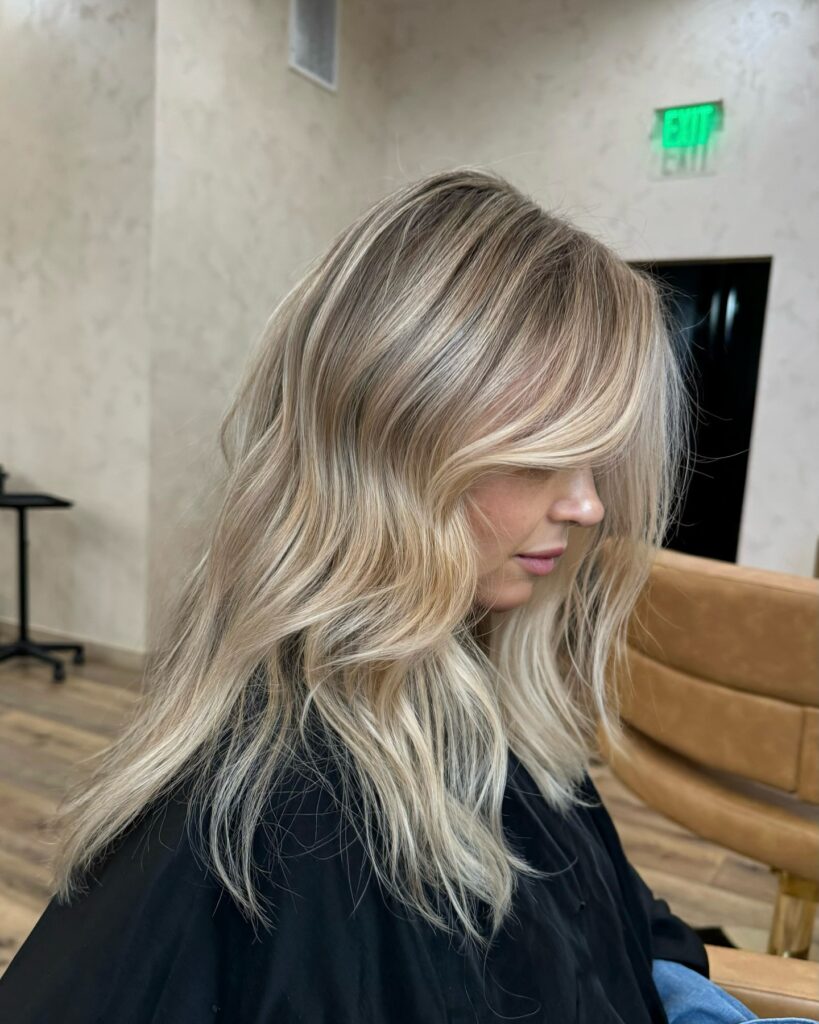
3. Honey Blonde Highlights on Light Brown Hair (Textured Crop)
Source: @Instagram
Honey blonde sits between caramel and golden blonde — warm, bright, and luminous. On light brown hair, honey highlights don’t require dramatic lifting, which means less damage and a more natural-looking result. On a textured crop, these highlights catch the light at different angles as the hair moves, creating a multidimensional effect that looks almost lit from within.
Best for skin tones: Warm, golden, and medium undertones. Works particularly beautifully on East Asian skin tones with golden undertones and on medium brown complexions with warm undertones. The honey shade mirrors golden skin tones without overpowering them.
Salon tip: For honey highlights on a textured crop, ask for a mix of balayage and face-framing foil highlights. The balayage handles the body of the style for natural dimension; targeted foils at the front sections frame the face with the brightest, most visible pieces.
4. Chunky Highlights on a Short Brown Bob

Source: @Instagram
Chunky highlights were huge in the early 2000s, disappeared, and came roaring back in a more sophisticated interpretation. Modern chunky highlights are wider than traditional fine highlights but placed with intentionality — the sections are bold enough to read as distinct pieces rather than blended dimension, creating a high-contrast, graphic look.
Best for skin tones: All skin tones — the key is choosing the right highlight shade for your undertone (caramel for warm, ash for cool, honey for neutral-warm). The chunky technique is about width and contrast, not a specific color family.
Salon tip: Modern chunky highlights look deliberate rather than dated when the sections are placed asymmetrically rather than in uniform rows. Ask your colorist to paint wider sections throughout but vary the width and placement slightly — this reads as intentional rather than a throwback.
5. Money Piece Highlights on Brown Short Hair

Source: @Instagram
Money pieces are the face-framing highlights positioned right at the very front of the hairline — the two sections of hair that frame your face most directly. On short brown hair, money pieces are especially impactful because there’s no length to dilute their effect. Even a subtle lightening of just those two front sections transforms how brown hair reads from across a room.
Best for skin tones: All skin tones. Money pieces can be customized in shade for any complexion — lighter warm tones for warm skin, lighter cool tones for cool skin, or even a bold contrast piece for any skin tone that wants a statement.
Salon tip: Money pieces on short hair don’t need to be dramatically light to be effective. On a dark brown base, going two to three levels lighter on the money piece creates visible contrast without the maintenance commitment of a fully bleached piece. Ask for “subtle money pieces” if you want dimension without a dramatic color jump.
6. Balayage Highlights on a Brown Lob

Source: @Instagram
Balayage — the freehand painting technique that creates soft, graduated lightness — looks remarkable on a lob (long bob at the shoulder). The painted highlights start darker near the root and gradually lighten toward the tips, which means the grow-out looks intentional rather than obvious. This is the lowest-maintenance highlight option on this list.
Best for skin tones: Warm, neutral, and medium undertones. Balayage typically uses warm or neutral highlight tones that suit a broad range of complexions beautifully.
Salon tip: Balayage on a lob requires the colorist to think about where the hair actually moves and falls. Ask them to paint specifically on the sections that are most visible when your hair is styled the way you typically wear it — not just the outermost layer, which is a common shortcut that results in highlights that hide when the style moves.
7. Copper Highlights on Dark Brown Short Hair

Source: @Instagram
Copper highlights on dark brown hair create one of the most vibrant, richest color combinations available without going fully red. The copper — which can range from a warm rust to a vivid burnt orange — flashes against the dark brown base like embers against dark wood. Short hair makes this color relationship even more dramatic because the sections are compact and close together.
Best for skin tones: Warm, golden, and bronze undertones. Copper highlights complement complexions with gold, red, or orange undertones — particularly warm brown skin, South Asian skin tones with warm undertones, and warm Mediterranean complexions.
Salon tip: Copper highlights fade significantly faster than blonde or ash highlights because copper is a warm pigment that rinses from the hair cuticle quickly. Use a color-depositing shampoo or conditioner in a copper or red tone every two to three washes to extend the vibrancy between salon visits.
8. Platinum Highlights on Brown Hair (Pixie Cut)

Source: @Instagram
High-contrast. Dramatic. Demanding. Platinum highlights on a brown pixie cut is the most maintenance-intensive option on this list — and also one of the most striking. The near-white platinum next to a medium or dark brown base creates an almost graphic, black-and-white quality that’s modern and unapologetically bold.
Best for skin tones: Cool, neutral, and very fair undertones. Platinum is an extreme cool tone — it works best against cool or neutral skin and can look jarring against very warm or golden complexions. Fair skin with cool or pink undertones carries platinum most naturally.
Salon tip: Platinum requires significant lifting (multiple rounds of bleach) on most brown hair. Before committing, ask your colorist about the current condition of your hair and whether it can handle the process. A strand test is not optional for this level of lifting — it’s essential. Platinum also requires regular toning (every four to six weeks) to prevent the lifted sections from going yellow.
9. Brown Hair with Subtle, Natural-Looking Highlights

Source: @Instagram
Not everyone wants dramatic contrast. This approach uses highlights that are only one to two levels lighter than the base brown — close enough in tone that the result reads as “naturally lighter in places” rather than “visibly highlighted.” It’s the most wearable, low-maintenance, universally flattering option on the list.
Best for skin tones: All skin tones. The subtlety of the highlighting means there’s minimal risk of a mismatch between highlight shade and skin undertone.
Salon tip: For this look, ask specifically for “babylights” — very fine, delicate sections of lightened hair that mimic the natural color variation you’d see on hair that spends time in the sun. The fineness of babylights makes them indistinguishable from natural variation, which is exactly the goal.
10. Dimensional Brown with Low-Lights and Highlights Together
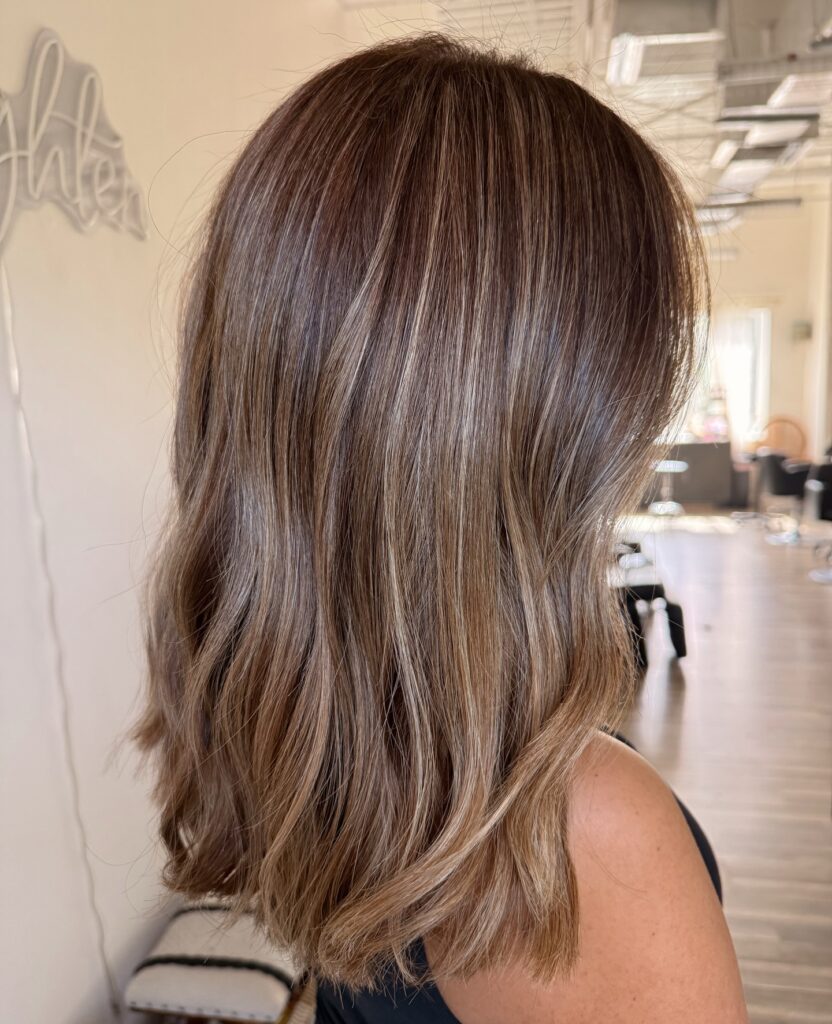
Source: @Instagram
This is the technique that separates basic highlights from genuinely sophisticated color work. Rather than only adding lighter pieces, dimensional brown adds both highlights (lighter than base) and lowlights (darker than base) simultaneously. The interplay of light and dark creates depth that looks genuinely three-dimensional — the kind of color that makes people ask if it’s your natural hair.
Best for skin tones: All skin tones. Because you’re working within the brown family rather than introducing dramatically different tones, this suits almost every complexion naturally.
Salon tip: Ask for a ratio of roughly 60% highlights to 40% lowlights for the most natural-looking dimensional result. More highlights than lowlights keeps the overall look bright and dimensional; equal parts can look stripy rather than natural.
11. Ombre Highlights on a Short Brown Bob

Source: @Instagram
An ombre effect on a short bob keeps the roots and mid-lengths at the natural brown base and transitions to lighter color — caramel, blonde, or even a pastel — toward the ends. On a bob, the ends are all at the same length, which means the ombre transition is a clean, dramatic horizontal line across the bottom of the style.
Best for skin tones: Depends on the end color chosen. Warm end colors for warm undertones; cool end colors for cool undertones. The base brown remains consistent regardless.
Salon tip: On a short bob, the ombre transition happens over a smaller vertical distance than on long hair — which means the gradient must be more carefully controlled. A single-process ombre on short hair often looks too abrupt. Ask for a two-step ombre: lift the ends, then apply a toner that creates a gradual blending zone between the lifted and natural sections.
12. Toffee Highlights on a Warm Brown Lob

Source: @Instagram
Toffee — a mid-range warm tone between caramel and light brown — is one of the most wearable highlight shades in the brown family. It doesn’t stray far from the base in terms of warmth, which means it blends exceptionally well and looks natural, but it has enough contrast to add genuine dimension and visual interest.
Best for skin tones: Warm and neutral undertones. Toffee echoes the golden and warm tones in medium to dark complexions and creates a sun-drenched quality that’s particularly beautiful on brown skin.
Salon tip: Toffee highlights work best when varied in width — some fine sections, some slightly wider — rather than applied uniformly. The variation creates a more natural look that mimics the way sun lightens hair unevenly in real life.
13. Blonde Highlights on Short Brown Hair for Fine Hair

Source: @Instagram
Fine hair benefits from highlights in a completely unique way — color contrast creates the illusion of density that fine hair naturally lacks. When light and dark strands sit next to each other, the shadow between them mimics the visual effect of more hair. For fine short brown hair specifically, highlights might be one of the most effective volume tricks available.
Best for skin tones: Warm or neutral undertones for golden blonde; cool undertones for ash or champagne blonde.
Salon tip: Fine hair is more fragile than medium or thick hair and is more easily damaged by lightening. Communicate this clearly to your colorist — they should use a gentler developer (10 or 20 volume rather than 30 or 40) and limit lightening sessions. Stronger product applied to fine hair risks breakage that’s especially visible at short lengths.
14. Reverse Balayage (Darker Pieces in Brown Hair)
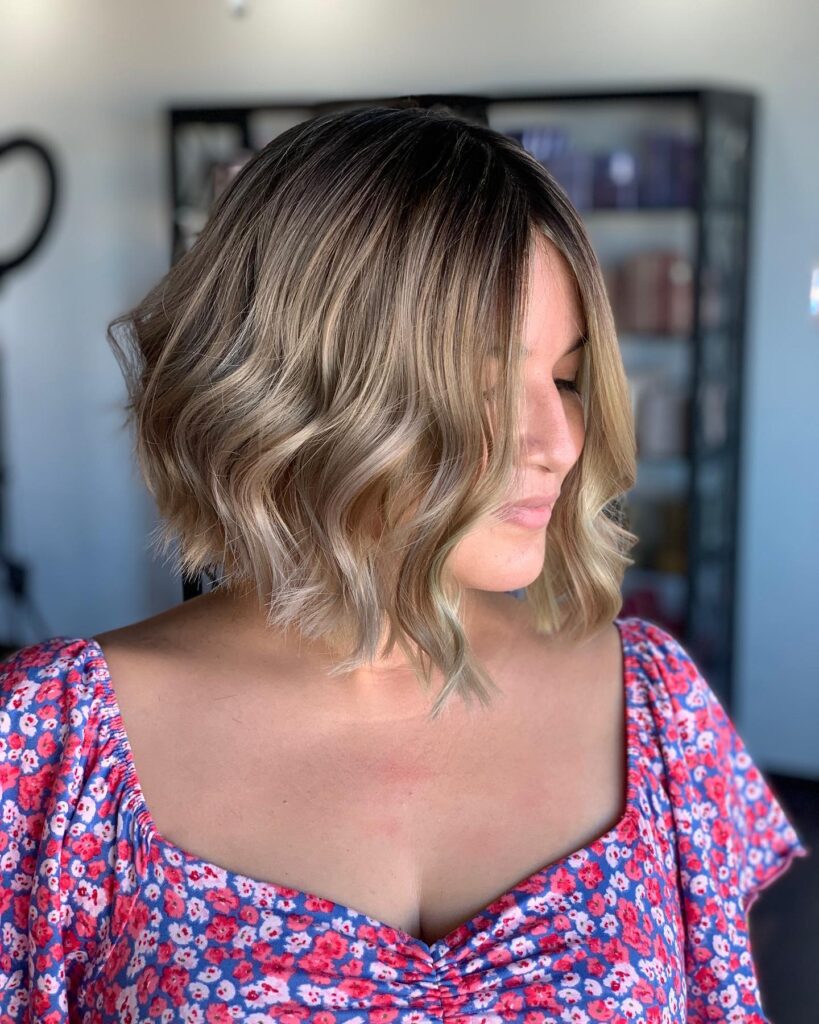
Source: @Instagram
This is the lowlight-heavy approach — rather than adding lighter pieces, you add darker pieces to create depth and dimension. Starting with a lighter or brighter brown and adding darker chocolate, espresso, or near-black sections creates shadow and richness that makes the base brown appear warmer and more complex.
Best for skin tones: All skin tones. Darker tones close to the base are universally flattering and rarely create undertone mismatch issues.
Salon tip: Reverse balayage (lowlights) fade very slowly and grow out naturally, making them one of the lowest-maintenance color approaches on this list. They’re also significantly less damaging than lightening — the darker color is deposited rather than lifted, which is always gentler on the hair structure.
15. Brown Hair with Highlighted Tips Only (Dip-Dye Effect)

Source: @Instagram
A dip-dye concentrates all the lighter color at the very ends of short hair — from the last inch to the last three inches, depending on the style. On a bob or pixie with enough length, this creates a clean, defined contrast between the brown base and the lighter tips. It’s modern, graphic, and surprisingly easy to maintain because the grow-out is intentional.
Best for skin tones: All skin tones — the distance between the highlighted tips and the face means skin tone interaction is less direct than with face-framing techniques.
Salon tip: For a clean dip-dye finish, the transition line between base and highlighted tips needs to be crisp rather than blended. Ask your colorist to apply the lightener with a straight, horizontal line rather than feathering it upward. Feathering creates a more blended ombre; a clean line creates the dip-dye effect.
16. Sun-Kissed Highlights for a Natural Summer Brown

Source: @Instagram
This is the “I want it to look like I was outside all summer” approach. Sun-kissed highlights use the most natural placement (crown, top sections, pieces that would actually hit sunlight) and the most natural tones (light brown, sandy blonde, warm honey) to create color that reads as entirely natural rather than salon-achieved.
Best for skin tones: Warm, golden, and neutral undertones. The warm tones in sun-kissed highlights complement sun-warmed complexions particularly well, making this especially beautiful on medium brown skin with warm undertones.
Salon tip: True sun-kissed placement requires the colorist to work with the hair’s natural growth pattern rather than against it. Ask them to highlight sections that naturally catch light when your hair is in its typical style — not a standardized grid pattern, which never looks quite organic.
Quick Reference Tables
Highlight Shade by Skin Tone
| Skin Tone / Undertone | Best Highlight Shades | Shades to Avoid | Why |
|---|---|---|---|
| Fair + Cool (pink/blue) | Ash blonde, platinum, cool beige | Copper, warm caramel, golden | Warm tones clash with cool skin, creating a mismatched effect |
| Fair + Warm (peachy/golden) | Honey blonde, caramel, champagne | Ash, platinum, blue-violet tones | Cool tones wash out warm skin and can look sallow |
| Medium + Warm (golden/olive) | Caramel, toffee, honey, copper | Platinum, ash (heavy) | Warm tones echo and enhance golden undertones |
| Medium + Neutral | Toffee, babylights, subtle honey | Very extreme warm or cool tones | Neutral undertones suit both warm and cool with moderation |
| Dark + Warm (golden/bronze) | Caramel, copper, warm honey | Platinum, silver, ash | Warm tones complement and don’t wash out deeper complexions |
| Dark + Neutral/Cool | Soft caramel, dimensional lowlights | Heavy platinum on very dark bases without proper care | Requires multiple sessions to lift without damage |
Maintenance Schedule by Highlight Type
| Highlight Type | Touch-Up Frequency | At-Home Maintenance | Color Fade Risk |
|---|---|---|---|
| Full highlights (foil) | Every 6–8 weeks | Color-safe shampoo; toner gloss every 4 weeks | Moderate — especially brassiness |
| Balayage | Every 10–16 weeks | Bond builder weekly; hair oil on ends | Low — grow-out is intentional |
| Money pieces | Every 8–10 weeks | Toning shampoo 1x/week | Moderate — face-framing fades visibly |
| Babylights | Every 10–12 weeks | Deep condition weekly | Low — very fine pieces fade subtly |
| Copper highlights | Every 4–6 weeks | Color-depositing conditioner every wash | High — warm pigments rinse quickly |
| Platinum highlights | Every 4–6 weeks | Purple/blue toning shampoo weekly | Very High — yellowing between tones |
| Lowlights only | Every 12–20 weeks | Standard moisturizing care | Very Low — dark tones are deposited, not lifted |
Damage Level by Highlighting Technique
| Technique | Developer Volume | Damage Level | Best Hair Health for | Recovery Time |
|---|---|---|---|---|
| Babylights | 20 vol | Low | Fine, fragile, damaged hair | Minimal |
| Balayage | 20–30 vol | Low–Medium | Most hair types | 1–2 weeks deep conditioning |
| Standard foil highlights | 30 vol | Medium | Healthy, medium-thick hair | 2–4 weeks conditioning |
| Money pieces | 30–40 vol | Medium–High | Healthy hair only | 2–4 weeks bond treatment |
| Platinum/full bleach | 40 vol (multiple rounds) | Very High | Virgin, thick, healthy hair | Monthly protein + bond treatment |
| Lowlights | No developer (deposit only) | None | All hair types including damaged | None needed |
Common Mistakes and How to Avoid Them
Mistake 1: Choosing Highlight Shade Based on Photos Alone
Instagram and Pinterest are filtered, edited, and shot in specific lighting. A highlight shade that looks perfect on someone else’s hair and skin tone can look completely off on yours — because the underlying undertones are different. Always test with a strand and always discuss your skin undertone with your colorist before committing to a shade.
Mistake 2: Skipping Toner After Lifting
Lifting brown hair to any shade of blonde almost always reveals underlying warm pigment — usually orange or yellow tones that weren’t visible before. Without toner, those warm pigments stay in the hair and the result looks brassy, not blonde. Toner is not a luxury step — it’s what makes the highlight look like the reference photo.
Mistake 3: Using Regular Shampoo on Color-Treated Hair
Standard shampoos contain sulfates that strip color dramatically — especially lighter highlight tones. Switching to a sulfate-free, color-safe shampoo after any highlighting service is non-negotiable. The difference in color longevity between regular and color-safe shampoo is significant: sulfate shampoos can fade highlights noticeably within two to three washes.
Mistake 4: Applying Too Much Heat After Coloring
Heat opens the cuticle — and an open cuticle releases color molecules faster. In the first two weeks after highlighting, minimize heat tool use and always apply a heat protectant before any blow drying or straightening. This alone can extend the life of your highlights by several weeks.
Mistake 5: Going Too Light Too Fast on Dark Brown Hair
Going from dark brown to platinum in one session is a recipe for severe damage — especially on short hair where the ends can’t be sacrificed if they break. Multiple gradual sessions over months is the safe path for significant lifts. Impatience about color progress is one of the most common reasons people end up with damaged, broken hair at the ends of their short cuts.
Mistake 6: Neglecting Bond Protection During Color Services
If your colorist doesn’t offer a bond-building additive (like Olaplex No. 1 or similar) mixed into the lightener during your highlight service, ask about it. Bond builders protect the internal structure of the hair during the chemical process, dramatically reducing the brittleness and breakage that highlights can cause. At short lengths where every inch is visible, protecting structural integrity matters enormously.
Similar Variations Worth Exploring
Brown with Bronde Highlights: A blend of brown and blonde (bronde) that sits right at the boundary — lighter than typical highlights but not fully blonde. Perfect for people who want dimension without commitment.
Mahogany Brown with Red Highlights: Instead of blonde or caramel, red tones are added to a brown base for a rich, jewel-toned effect that’s especially beautiful in winter lighting.
Chocolate Brown with Chestnut Highlights: Both tones sit within the brown family — no blonde involved. Chestnut is slightly lighter and warmer than chocolate, creating subtle but beautiful dimension.
Brown Hair with Pastel Tips: For the more adventurous — a natural brown base with dusty rose, lavender, or sage green at the very tips. Requires a pre-lightened base to hold pastel color properly.
Natural Brown with Gray Blending Highlights: Instead of fighting gray growth, strategic silvery highlights are added to blend natural grays into the brown base naturally. Increasingly popular and genuinely beautiful.
Hair Care Tips for Short Brown Hair with Highlights
Color-treated short hair needs a care routine that addresses both the color chemistry and the structural integrity of highlighted strands. Here’s what I actually recommend:
Washing Protocol Wash hair two to three times per week maximum — more frequent washing accelerates color fading. Use a sulfate-free, color-safe shampoo every wash. Once a week, swap in a purple or blue toning shampoo if your highlights trend toward warm or brassy (leave it in for two to five minutes before rinsing for the toning effect). Immediately follow every wash with a color-safe conditioner concentrated on the mid-lengths and ends.
Weekly Deep Conditioning Color-treated hair is structurally more porous than untreated hair — the lightening process opens the cuticle to deposit or remove color, leaving it slightly compromised. A weekly deep conditioning mask (20–30 minutes under a warm towel or shower cap) replenishes the moisture and proteins that chemical services strip. Look for masks with ingredients like keratin, hydrolyzed protein, argan oil, or shea butter.
Monthly Bond Treatment In addition to moisture conditioning, highlighted hair benefits from a monthly at-home bond treatment (Olaplex No. 3, Redken Acidic Bonding Concentrate Intensive Treatment, or similar). Bond builders work at the molecular level — repairing the internal hair bonds that lightening breaks. This is the category of treatment that genuinely prevents the brittleness and breakage that people incorrectly attribute to highlights themselves.
Heat Tool Strategy On short hair, heat tools are used on the same sections over and over — there’s no long length that gets occasional tool exposure and extended recovery time. Rotate your heat tools: blow dry primarily, use a flat iron or curling wand only two or three times per week maximum. Always apply a heat protectant rated for the temperature you actually use (most protectants are rated for up to 450°F; anything beyond that requires a higher-rated product).
Between-Appointment Color Maintenance Keep a toning gloss or color gloss in your routine for between appointments. Glosses are low-damage toning treatments (often done in-salon as a quick service, but increasingly available for home use) that refresh the tone of highlights without adding more lightening. A gloss every four to six weeks keeps highlights looking fresh even when the salon appointment is still weeks away.
Sun Protection UV exposure fades highlighted brown hair quickly — especially lighter caramel and honey tones. In summer, use a UV-protecting hair mist or wear a hat during extended outdoor time. This is consistently overlooked but makes a measurable difference in how long color stays vibrant between appointments.
Outro
Short brown hair with highlights is one of those combinations that rewards research and intention. The difference between highlights that look generic and highlights that look genuinely stunning almost always comes down to the details — the right technique for your hair’s condition, the right shade for your skin undertone, the right maintenance routine for your lifestyle. The 16 styles in this guide cover that full range, from the lowest-maintenance babylights to the most dramatic platinum pieces. Whatever direction you choose, I hope you walk into that salon appointment with clarity, walk out with color that makes you feel genuinely great, and keep short brown hair with highlights looking its best long after the appointment ends.