17 Boys Dreads Hairstyles: The Ultimate Guide for Every Age and Hair Type
I’ve spent years studying locs on boys of all ages — from toddlers getting their first starter locs to teenagers rocking full-length freeform styles — and I can tell you with confidence that boys dreads hairstyles are one of the most versatile, low-manipulation, and genuinely cool options available today. This guide pulls together the most current, practical, and well-researched information on the topic.
So, what are the best boys dreads hairstyles? Boys dreads hairstyles include starter locs, two-strand twists, freeform locs, loc mohawks, high-top locs, and more. They suit boys of all ages and hair textures, from fine wavy hair to thick coily hair. Styles range from short and neat to long and expressive.
Read on and I’ll break down all 17 styles in detail — plus maintenance tips, common mistakes, age-appropriate recommendations, and a full care guide so your son’s locs stay healthy and looking great.
What Makes Boys Dreads Hairstyles So Popular Right Now?
Boys dreads — also called locs, dreadlocks, or locks — are having a massive cultural moment. You see them on young athletes, musicians, and kids on school playgrounds everywhere. And the appeal makes total sense.
Once established, locs are genuinely low-maintenance. There’s no daily detangling, no fighting with a comb, and no styling from scratch each morning. They’re protective, stylish, and deeply rooted in cultural heritage across African, Rastafarian, South Asian, and Indigenous communities worldwide.
Whether you’re a parent researching options for your son or a teenager choosing your first real signature style, this guide has everything you need.
17 Boys Dreads Hairstyles
1. Starter Locs (Baby Locs)

Source: @Instagram
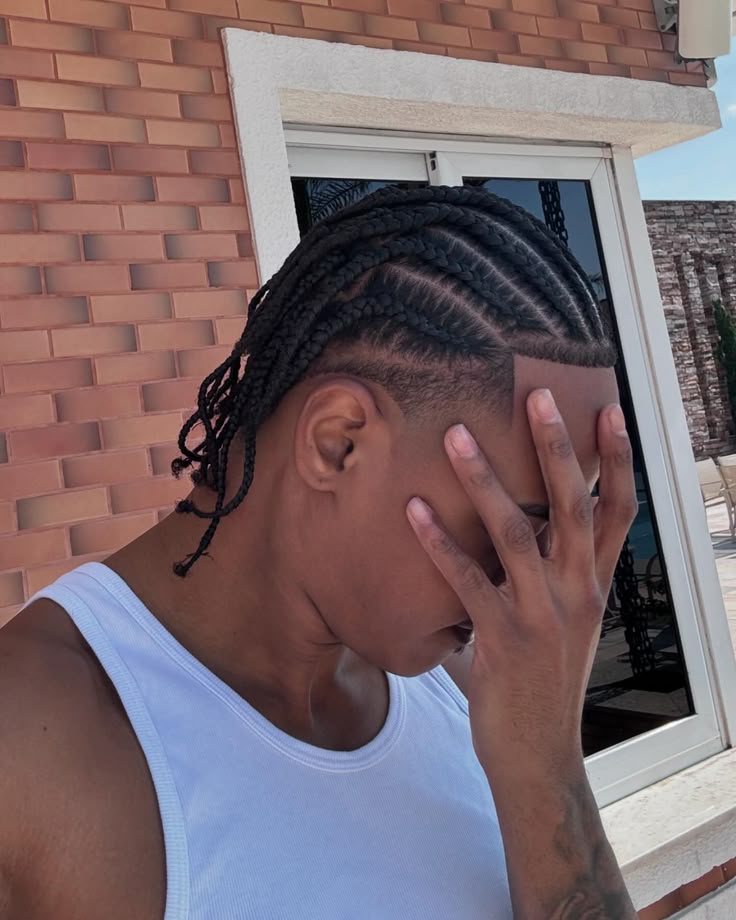
Starter locs are the beginning of every loc journey — and honestly, they’re adorable on boys of any age. At this stage, the hair is sectioned into small, uniform parts and twisted or coiled to encourage the locking process. The sections are usually small squares or diamonds in the scalp.
The look at this stage is intentional and tidy. It works beautifully on boys ages 3 and up, though many parents start the journey during the toddler years. At 4–8 weeks in, the locs begin to “bud” — developing that rounded tip that signals the hair is locking. The key here is patience. Don’t manipulate them too often, and keep the scalp clean and moisturized. Starter locs feel like a fresh beginning, and watching them develop is genuinely exciting.
2. Two Strand Twists as Loc Starters

Source: @Instagram
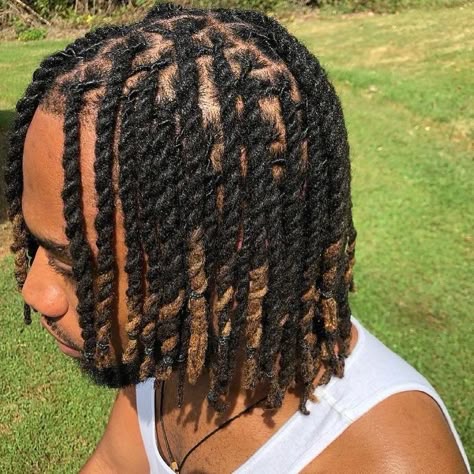
Two-strand twists are one of the most popular methods to start locs, especially for boys with Type 4 coily hair. Instead of palm-rolling a single section, you split it into two strands and twist them around each other. The result is a uniform, defined twist that will eventually lock into a smooth, rounded loc.
They look great even before locking — clean, defined, and polished. Many parents choose this method because the twists look intentional and neat during the waiting period, which can span several months. For school-aged boys, this style hits a sweet spot between “styled” and “low maintenance.” Use a lightweight holding cream during the twisting process, and re-twist the roots every 4–6 weeks to keep them from fusing together.
3. Freeform Locs
Source: @Instagram
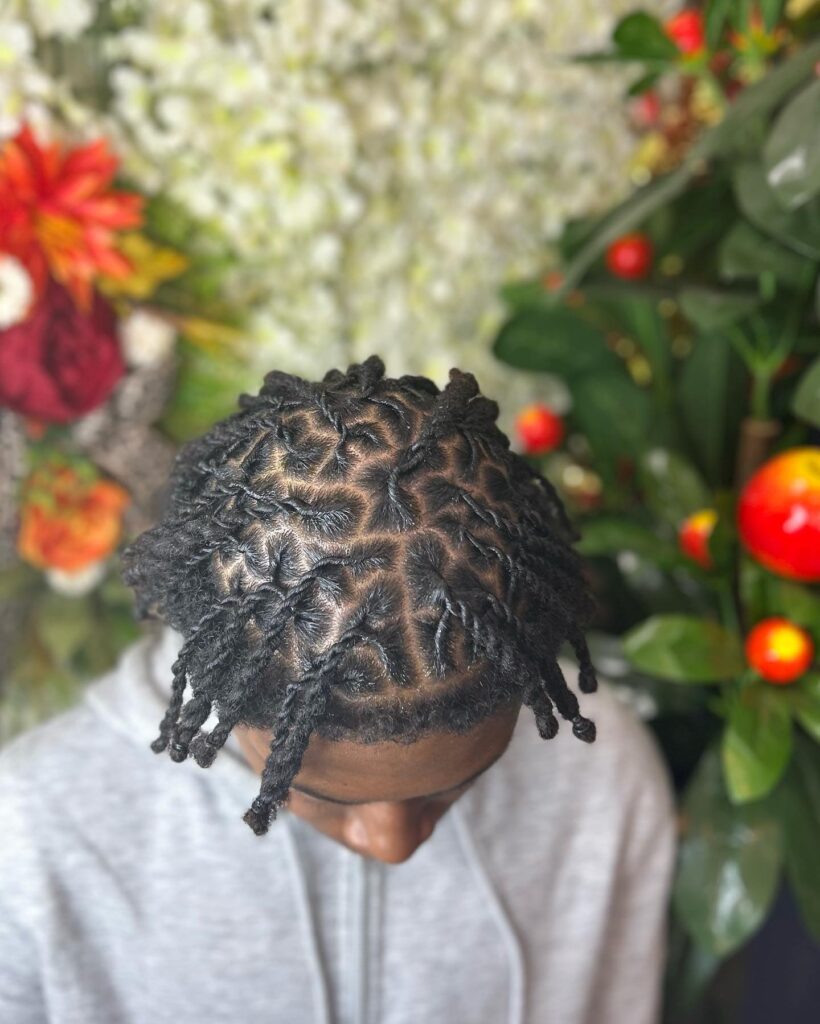
Freeform locs are exactly what they sound like — locs that form naturally without manipulation. No palm-rolling, no re-twisting, no sectioning. The hair is simply left to knot and lock on its own over time. The result is locs that vary in size, shape, and direction. Organic. Wild. Completely unique.
This style is increasingly popular among older boys and teenagers who want a look that’s truly their own. No two heads of freeform locs are identical. The trade-off is that the growing-out period looks less “done” than maintained locs — but that’s part of the aesthetic. Wash regularly with a residue-free shampoo and leave them alone. Freeform locs develop best when parents resist the urge to intervene.
4. Short Loc Fade

Source: @Instagram
The short loc fade combines close cropped sides (faded down to the skin) with shorter, established locs on top. This is hands down one of the most popular styles for school aged boys because it reads as “neat” by most school grooming standards while still expressing a bold loc style.
The fade keeps the style looking maintained and fresh without requiring the locs themselves to be heavily manipulated. Visit a barber every 2–3 weeks to maintain the fade, while the locs themselves just need a gentle re-twist at the roots every 4–6 weeks. This look works on locs as short as 2 inches and transitions beautifully as they grow longer. Clean, athletic, and versatile.
5. High Top Locs

Source: @Instagram
Inspired by the iconic high-top fade of the late 80s and 90s, high-top locs create height at the crown with close-cropped or faded sides. The locs on top grow upward and outward, creating a structured, geometric silhouette that looks absolutely striking.
This style is best achieved with shorter to medium-length locs (3–8 inches) when the hair still has enough stiffness to hold upward direction. Longer locs will begin to fall under their own weight. For younger boys, this is a serious statement style — one that gets attention. Use a loc gel or natural sheeabutter-based product to help shape the direction of growth at the top during early stages.
6. Loc Mohawk (Faux Hawk With Locs)
Source: @Instagram
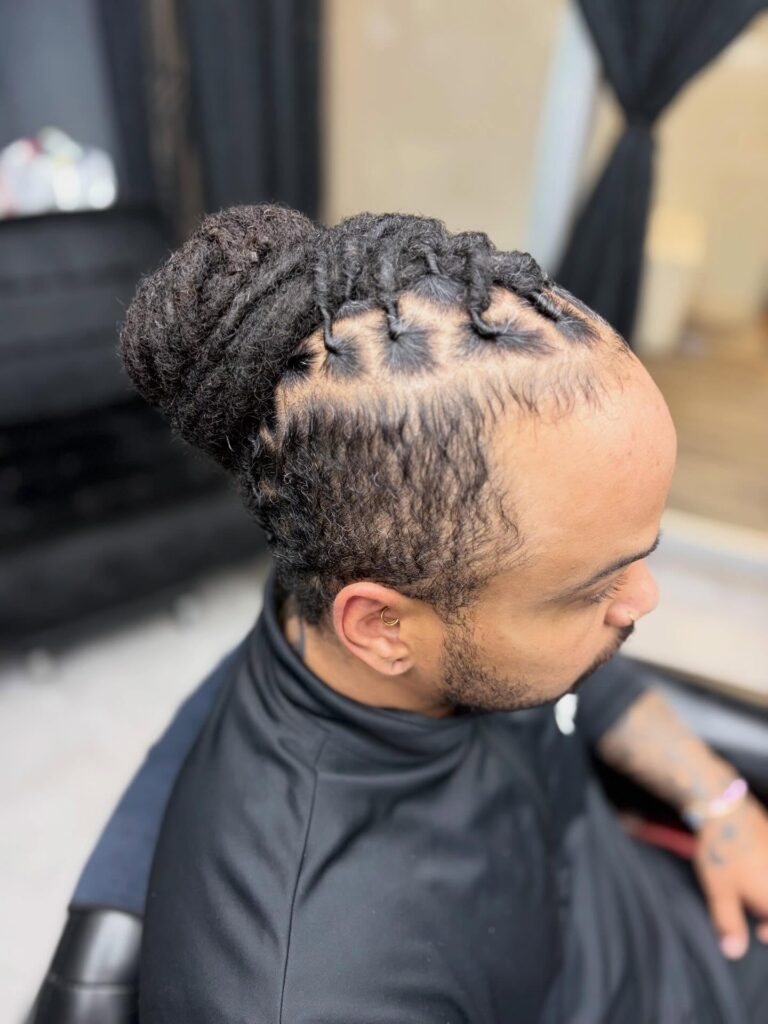
The loc mohawk takes the mohawk concept and executes it entirely in locs. The sides are either shaved, faded, or pinned down, while the locs run in a single ridge from forehead to nape. It’s dramatic, edgy, and incredibly cool on boys of all ages.
There are two main ways to do this: either shave the sides and grow locs only down the center (a true mohawk), or gather side locs and pin them down to create a faux-hawk that can be undone. The faux-hawk version is more flexible and less permanent — great for younger boys. For competitions, performances, or just standing out on the first day of school, there’s nothing quite like a well-executed loc mohawk.
7. Long Locs With a Middle Part

Source: @Instagram
As locs grow past shoulder length, they open up styling options that shorter hair simply can’t touch. Long locs parted down the middle and left to hang freely create a dramatic, flowing look that turns heads. This is a genuinely expressive style — and for teenage boys who want to make a statement, it’s hard to beat.
Long locs require more maintenance than shorter ones: they’re heavier, which puts more tension on the roots. Use a satin pillowcase at night to reduce friction. Deep condition the ends regularly since they’re the oldest — and therefore most fragile — part of the loc. Keep the scalp oiled and clean. The payoff? A style that grows more beautiful and distinctive every single month.
8. Locs With Beads and Accessories
Source: @Instagram
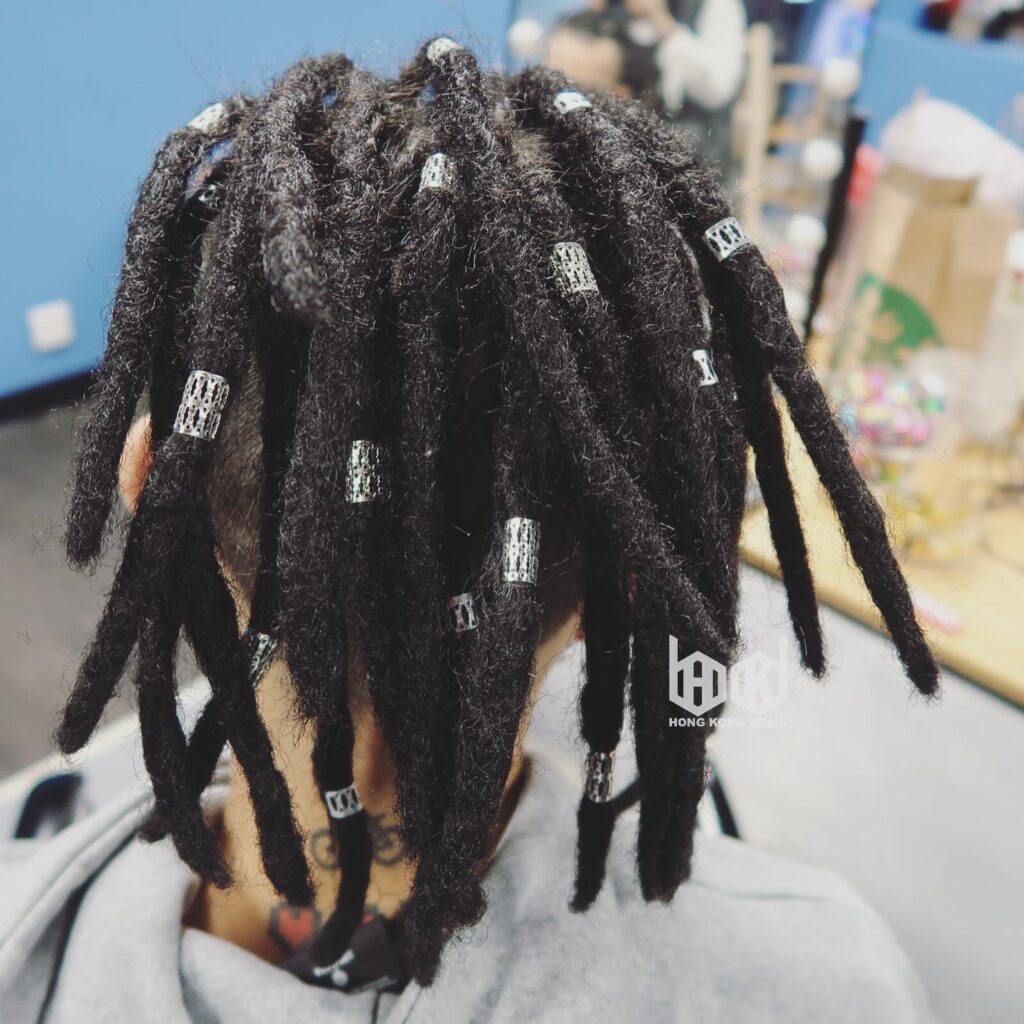
Adding accessories to locs transforms a great style into a signature look. Wooden beads, metal cuffs, shells, and colored thread are all popular choices for boys. The accessories can be slid onto individual locs or clusters, adding texture, color, and personality without permanent changes.
For younger boys, simple wooden beads in natural tones look clean and age-appropriate. Teenagers can go bolder — gold cuffs, crystal beads, or even hair wraps in their favorite colors. Accessories also serve a functional purpose: they can mark a loc’s length over time, making it easy to see growth. Just make sure not to slide beads on too tightly, as they can restrict blood flow to the root over time.
9. Loc Bun (Top Knot)

Source: @Instagram
Once locs reach 6+ inches, they can be gathered into a bun. The loc bun — also called a top knot — pulls all the locs up to the crown or top of the head and secures them with a thick elastic or silk scrunchie. Clean, sharp, and completely out of the face.
For active boys who play sports or need hair out of the way during school, the loc bun is the everyday workhorse style. It puts zero heat on the locs, protects the ends, and looks polished enough for school photos. Teach older boys to do this themselves — it takes under two minutes once locs are long enough.
10. Loc Ponytail

Source: @Instagram
The loc ponytail is a lower, more casual version of the loc bun. Gather locs into a ponytail at the nape of the neck or mid head and secure loosely with a fabric elastic (never a rubber band — it causes breakage). Let a few locs hang loose at the front for a relaxed, effortless vibe.
This style is especially great for teenage boys who want something stylish but not fussy. It also looks fantastic with a fade on the sides. The low ponytail puts minimal tension on any individual loc, making it one of the healthiest everyday styles for boys with established locs.
11. Half Up Loc Bun

Source: @Instagram
The half up loc bun takes the top half of the locs, gathers them into a bun or knot at the crown, and leaves the remaining locs hanging free. It’s a relaxed, stylish look that works for boys with locs from about 5 inches onward.
This style has exploded in popularity among teenage boys because it balances free flowing length with some structure at the top. It’s casual enough for hanging out but polished enough for school. Secure the top bun loosely to avoid tension at the roots of the top section — the most vulnerable part of the loc during styling.
12. Colored Locs (Tips or Full Color)
Source: @Instagram
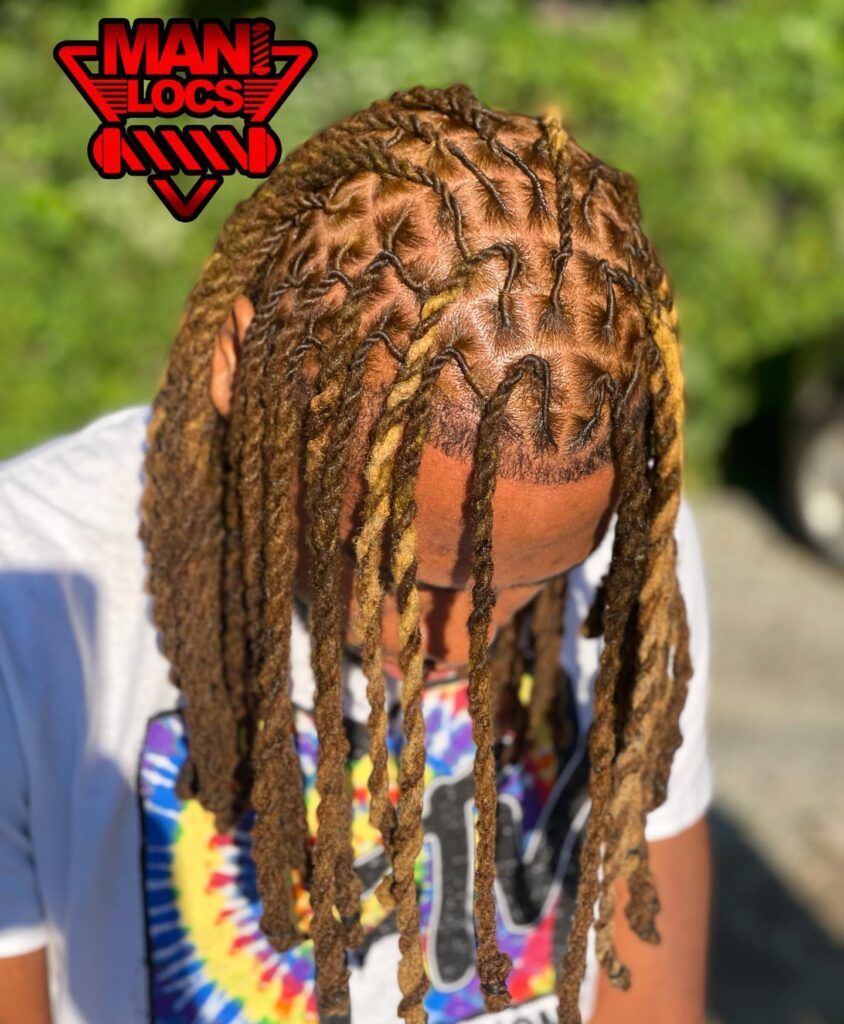
Color changes everything. Even a small amount of color at the tips of a boy’s locs can completely transform the look. Popular choices include warm browns, honey blondes, auburn reds, and for bolder teenagers — platinum, blue, or green.
Tip coloring (dipping just the last 2–3 inches of locs) is the least damaging approach and looks incredibly stylish. Full coloring requires more care since locs are more porous than loose hair and absorb bleach and dye differently. Always use a professional colorist familiar with loc hair when going lighter. Deep condition before and after the color process, and keep colored ends moisturized to prevent dryness and brittleness.
13. Coil Locs (Finger Coils)

Source: @Instagram
Finger coils are perfect for boys with very coily or tightly curled hair who want to start a loc journey with a highly defined, uniform look. Each section of hair is coated with a light holding product and coiled tightly around a finger in one direction, creating a spring-like coil that will eventually lock.
The result is extremely uniform, clean, and defined — probably the most visually “neat” starter loc method there is. This is a wonderful choice for school-aged boys whose parents want a tidy appearance during the locking process. Coils take 6–12 months to fully lock, depending on hair type and maintenance routine.
14. Thick Locs (Chunky or Bob Marley Style)

Source: @Instagram
Not all locs are thin. Thick, chunky locs — often called Bob Marley-style locs — are created by using larger sections during the starting process. They lock faster than thin locs, feel heavier and more substantial, and carry a bold, unmistakable energy.
For boys with very thick, dense hair, chunky locs often form more naturally and with less effort. They’re also easier to maintain in terms of re-twisting — fewer locs means less time at the mirror. The trade-off is less styling versatility compared to thin locs. But for a boy who wants a powerful, no-nonsense loc look, thick locs are absolutely the move.
15. Locs With a Taper (Tapered Locs)

Source: @Instagram
A tapered loc style keeps the length at the top while tapering the sides to a very close cut — not a full shave, but a very tight taper that blends the locs into the skin at the sides. It’s a more subtle and conservative look than a full fade, making it ideal for boys navigating stricter dress code environments.
The taper keeps the overall silhouette clean and professional. Combined with well-maintained, re-twisted locs on top, this is a look that can genuinely go anywhere — from school presentations to church to basketball tryouts. Freshening the taper every 2 weeks keeps the whole style sharp.
16. Freeform Locs With Undercut
Source: @Instagram
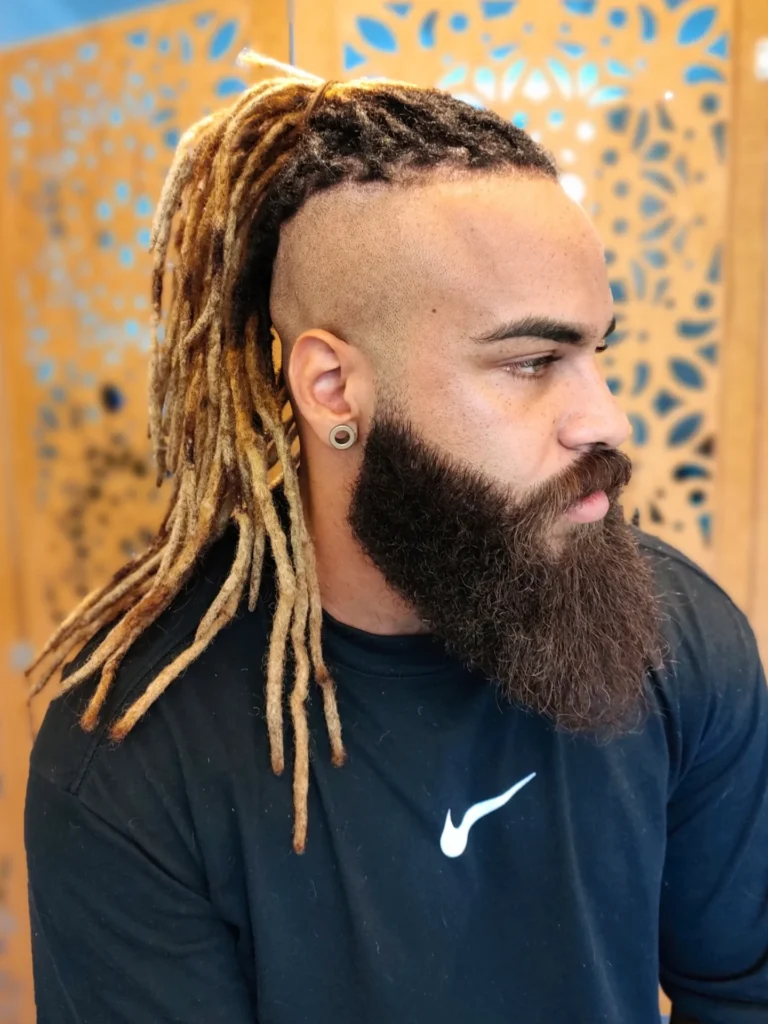
This style combines the natural, organic character of freeform locs on top with a sharp, clean undercut on the sides and back. The contrast between the wild, untouched locs and the precisely cut sides creates a striking, modern look that appeals strongly to teenage boys.
The undercut requires regular barber visits (every 2–3 weeks) but the locs themselves require minimal manipulation. It’s a style that says “I’m intentional about my look” without requiring daily styling effort. Great for expressive teenagers who want structured freedom in their look.
17. Locs With Braided Sections

Source: @Instagram
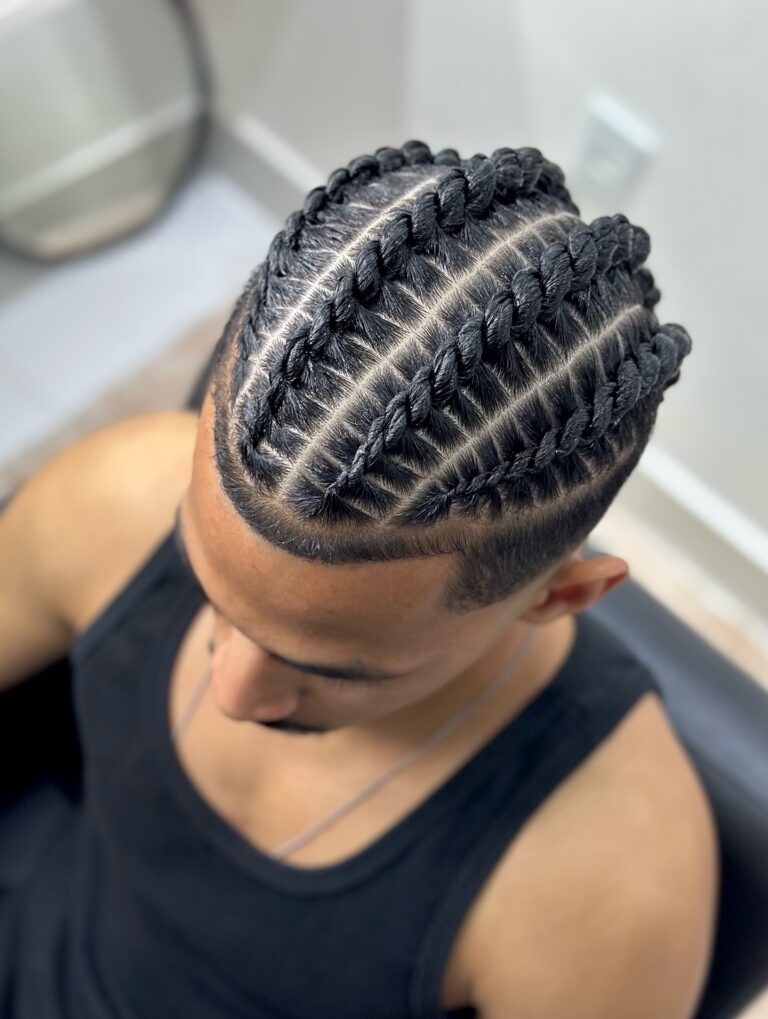
Combining locs and braids in one style is a creative, expressive approach that more boys are experimenting with. You might have rows of cornrows feeding into locs, or individual braided sections woven among established locs. The textural contrast is genuinely striking.
This works especially well during the transition period — when some sections have locked and others haven’t yet — as a way to keep everything looking intentional and styled. It also works as a permanent aesthetic choice for boys who want a more complex, layered look. The key is keeping braided sections clean and moisturized so they don’t dry out against the locs.
Comparison Table: 17 Boys Dreads Hairstyles at a Glance
Style Guide by Age, Hair Type, and Maintenance Level
| Style | Recommended Age | Best Hair Type | Maintenance Level | Time to Establish |
|---|---|---|---|---|
| Starter Locs | 2+ | All types | Low (after forming) | 6–12 months |
| Two Strand Twists | 3+ | Type 3C–4C | Medium | 6–12 months |
| Freeform Locs | 8+ | All types | Very Low | 12–18 months |
| Short Loc Fade | 5+ | All types | Medium (barber visits) | 4–8 months |
| High Top Locs | 6+ | Type 4 | Medium | 6–12 months |
| Loc Mohawk | 7+ | All types | Medium–High | 4–6 months |
| Long Locs + Middle Part | 12+ | All types | Low–Medium | 2–4 years |
| Locs With Beads | Any | All types | Low | N/A (add-on) |
| Loc Bun | 5+ | All types | Very Low | Once locs are 6″+ |
| Loc Ponytail | 5+ | All types | Very Low | Once locs are 5″+ |
| Half Up Loc Bun | 8+ | All types | Low | Once locs are 5″+ |
| Colored Locs | 13+ | All types | Medium–High | N/A (add-on) |
| Coil Locs | 2+ | Type 4 | Medium | 6–12 months |
| Thick/Chunky Locs | 3+ | Thick/Dense | Low | 4–8 months |
| Locs With Taper | 5+ | All types | Medium (barber visits) | 4–8 months |
| Freeform + Undercut | 10+ | All types | Medium (barber visits) | 12+ months |
| Locs With Braids | 5+ | All types | Medium | N/A (add-on) |
Common Mistakes and How to Avoid Them
Mistake 1: Starting With Relaxed or Chemically Processed Hair
Relaxed hair cannot lock properly — the chemical process breaks the protein bonds that allow coiling and knotting to occur. Fix: Wait for new growth to replace relaxed ends, or do a big chop to start fresh with natural hair before beginning the loc journey.
Mistake 2: Re-Twisting Too Frequently
Parents often re-twist weekly thinking it keeps things neat. In reality, over-manipulation causes thinning at the roots and can lead to breakage over time. Fix: Re-twist every 4–6 weeks maximum for established locs. For starter locs, 3–4 weeks is fine.
Mistake 3: Using Products With Heavy Wax or Build-Up
Many “loc products” contain heavy waxes that coat the hair and prevent proper locking — while also attracting lint and debris. Fix: Use lightweight, water-based moisturizers or natural oils (jojoba, coconut, tea tree). Avoid anything that leaves a residue.
Mistake 4: Washing Too Infrequently
A common myth is that locs shouldn’t be washed often. Dirty scalps and loc buildup are real problems. Fix: Wash every 1–2 weeks with a residue-free or clarifying shampoo. Dilute it first and work it into the scalp, not just the locs.
Mistake 5: Neglecting the Scalp
All attention goes to the locs themselves, but scalp health drives everything. A dry, flaky, or irritated scalp slows growth and causes discomfort. Fix: Apply a lightweight scalp oil (tea tree mixed with peppermint in a carrier oil works great) every few days, massaging gently to stimulate circulation.
Mistake 6: Using Rubber Bands Near Roots
Rubber bands wrapped around the base of a loc cause friction and can literally cut through the loc over time. Fix: Use only fabric elastics, silk scrunchies, or loc-safe accessories. Never rubber bands.
Similar Variations to Explore
If your son loves the styles in this guide, these related looks are worth researching:
- Sisterlocks — ultra-thin locs started with a specific tool; look extremely refined and neat
- Interlocking locs — locs maintained by threading the root through itself rather than palm-rolling; much more durable for active boys
- Loc extensions — add length or volume instantly using human hair or synthetic loc extensions
- Butterfly locs — a protective style using faux locs with a wavy, textured finish
- Crochet locs — installed using a crochet needle for instant loc appearance without the waiting period
Hair Care Tips for Boys Dreads Hairstyles
Healthy locs start with healthy habits. Here’s what every parent (and every teenage boy) should know:
Moisture is everything. Locs dry out fast — especially at the ends. Spritz daily or every other day with a water-based leave-in spray. Focus on the length and ends, not just the scalp.
Protect locs at night. A satin or silk bonnet, pillowcase, or du-rag dramatically reduces friction, lint, and dryness during sleep. This one habit alone makes a noticeable difference in loc health within weeks.
Don’t ignore the nape and edges. The locs at the nape of the neck and around the edges tend to be thinner and more fragile. Be extra gentle when re-twisting these sections.
Let locs dry completely after washing. Wet locs that stay damp for hours are vulnerable to mildew — yes, that’s a real issue. After washing, sit under a hooded dryer or in warm sunlight until completely dry. Mildew in locs has a distinct musty smell — if you notice it, do a deep clarifying wash immediately.
Trim the ends occasionally. Unlike loose natural hair, locs don’t usually need trimming. But thinning, frayed, or “fish-tail” ends can benefit from a small trim to encourage health at the tip.
Feed the hair from the inside. A diet rich in protein, iron, zinc, and vitamins A, C, and D directly impacts how fast and healthy locs grow. Biotin supplements (with a doctor’s guidance for younger boys) can also support hair health.
Outro
Boys dreads hairstyles offer something genuinely rare in the grooming world: a style that’s both low-maintenance and deeply meaningful. From the patience of starter locs to the bold energy of a loc mohawk or the organic beauty of freeform growth, there’s a style in here for every boy and every family. The most important thing is healthy, consistent care — because locs that are well-loved grow into something truly spectacular. Whatever style your son chooses, the boys dreads hairstyles in this guide are a great place to start the conversation.