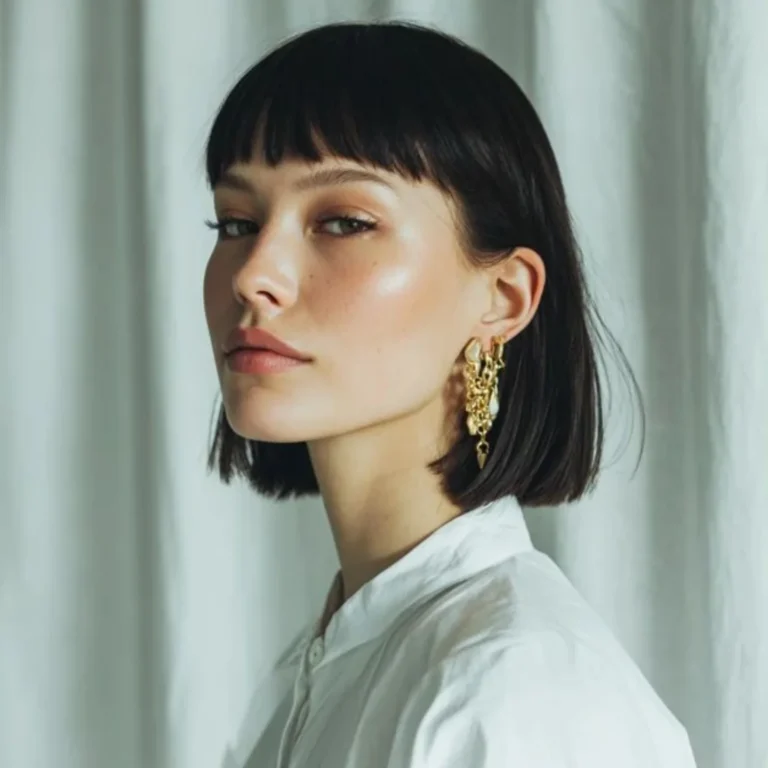
16 Hairstyles For Dance Practice: Secure, Stylish & Sweat-Proof Looks
Ever shown up to dance practice with a gorgeous blowout — only to have it completely unravel by the second eight-count? I have. And there is nothing more distracting than chasing flyaways across your face while trying to nail a pirouette. That’s exactly why finding the right hairstyles for dance practice is more important than most dancers realize. The wrong style doesn’t just look messy — it can genuinely throw off your performance.
So what are the best hairstyles for dance practice? The 16 best hairstyles for dance practice include high buns, sleek ponytails, French braids, Dutch braids, space buns, low chignons, and twisted updos. These styles keep hair securely off the face and neck, stay intact through jumps and turns, and work across ballet, hip-hop, contemporary, and jazz disciplines. Most can be done in under 15 minutes.
Keep reading and I’ll break down each style in detail — including which dance styles they work best for, how to make them last through a full rehearsal, and the exact products that hold everything together when the sweat kicks in.
Why Your Dance Practice Hairstyle Matters More Than You Think
Let’s be honest — a lot of dancers treat their practice hairstyle as an afterthought. But the truth is, your hair can directly affect your performance. Loose strands whipping across your eyes mid-leap are a safety hazard. Heavy, unbalanced updos can throw off your head placement during turns. And hair that collapses halfway through class means constant stopping to fix it — which breaks your flow and frustrates your instructor.
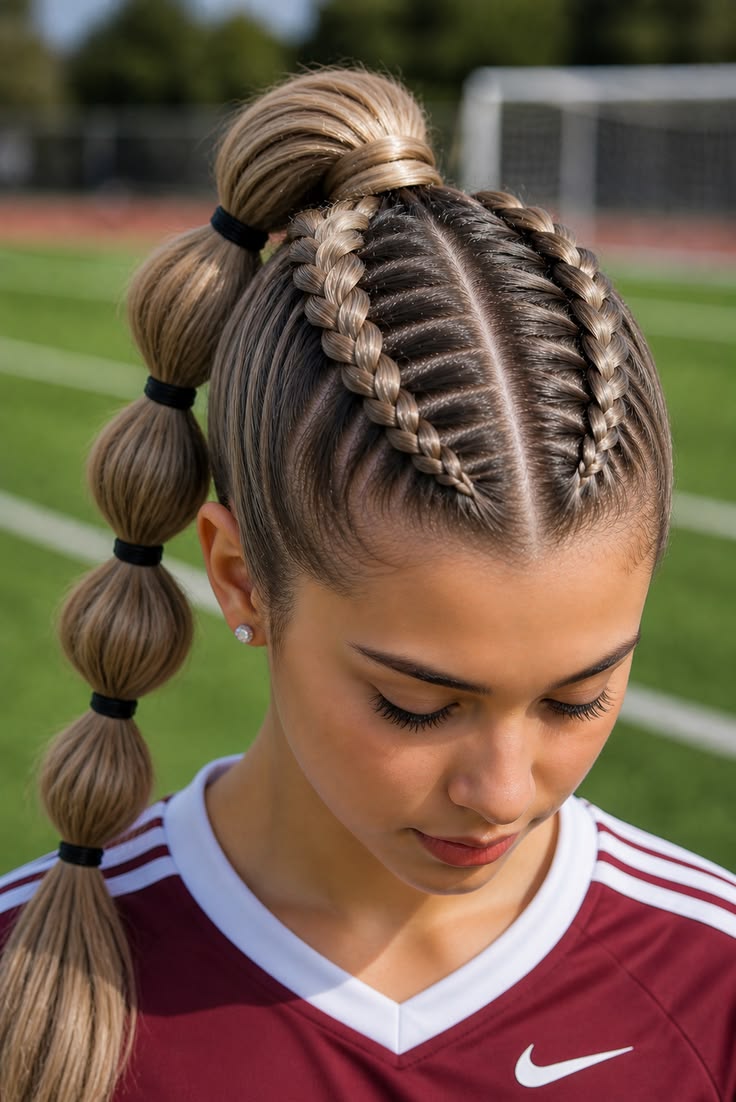
The best dance practice hairstyles share a few key traits: they’re secure, balanced, sweat-resistant, and appropriate for the style of dance you’re practicing. Whether you’re in a ballet studio or a hip-hop class, there’s a perfect style waiting for you below.
1. Classic High Bun

Source: @Instagram
The high bun is the undisputed queen of dance hairstyles — and there’s a reason it’s been the go-to for dancers for over a century.
Pull all hair into a high ponytail at the crown of the head, twist it around itself, and secure with a hair elastic. Use a bun net over the top for extra security, especially for dancers with thick or long hair. The high bun keeps the neck long and visible, which matters enormously in ballet and contemporary dance. It also distributes weight evenly at the top of the head, making turns and pirouettes feel balanced.
For fine hair, a donut bun form gives the bun more volume and shape. For thick hair, secure the base with two overlapping elastics before twisting to prevent the bun from drooping during class.
- Best for: Ballet, contemporary, lyrical, competitive dance
- Time: 5–10 minutes
- Key products: Strong-hold gel, bun net, U-pins, bobby pins
If your bun tends to slip, try applying a thin layer of strong-hold gel at the hairline before pulling the hair up. The high bun is timeless for a reason — next up is its more relaxed cousin.
2. Sleek Low Ponytail

Source: @Instagram
Simple. Fast. Dependable. The low ponytail is the workhorse of dance practice hairstyles.
Brush hair back smoothly and secure it at the nape of the neck with a strong elastic. The key word here is sleek — a messy, bumpy ponytail can look sloppy in the mirror and signal a lack of preparation. Use a boar bristle brush and a small amount of edge control or smoothing serum to get the hair flat against the scalp before tying.
For a polished finish, wrap a thin section of hair around the elastic to hide it, then secure with a bobby pin. A low ponytail keeps hair completely off the face and distributes weight low, which actually helps with balance during floor work and leaps.
- Best for: Jazz, hip-hop, contemporary, acrobatics
- Time: 3–5 minutes
- Key products: Boar bristle brush, strong elastic, smoothing serum
3. French Braid
Source: @Pinterest
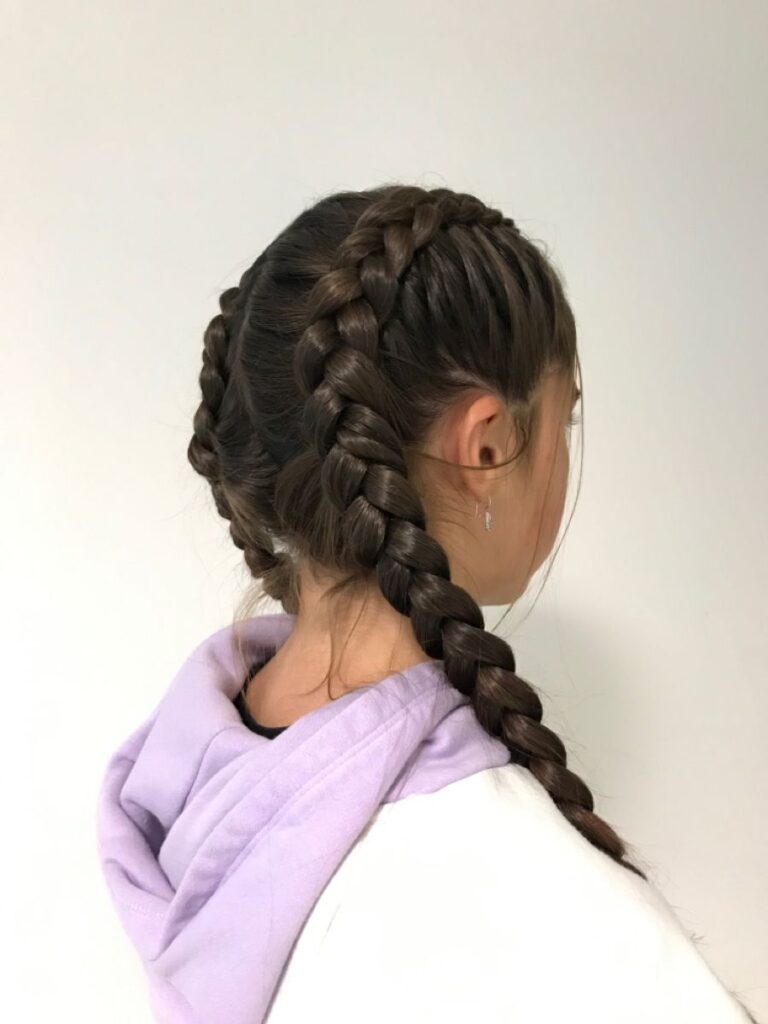
If there’s one style that never falls out mid-routine, it’s the French braid — and dancers know it.
Start at the crown and gradually incorporate sections of hair as you braid downward, ending at the nape of the neck or continuing into a low braid down the back. A French braid distributes tension evenly along the scalp, which means it stays put through jumps, floor rolls, and partner lifts. It also works beautifully under a dance hat or as the foundation for a braid bun.
For high-movement dance styles like hip-hop or breaking, finish the French braid in a tight low bun for maximum security. For lyrical or ballet, a single French braid down the back looks clean and professional during rehearsal.
- Best for: Hip-hop, ballet, lyrical, ballroom
- Time: 10–15 minutes
- Key products: Edge control, clear elastics, light-hold spray
4. Dutch Braid Bun
Source: @Pinterest
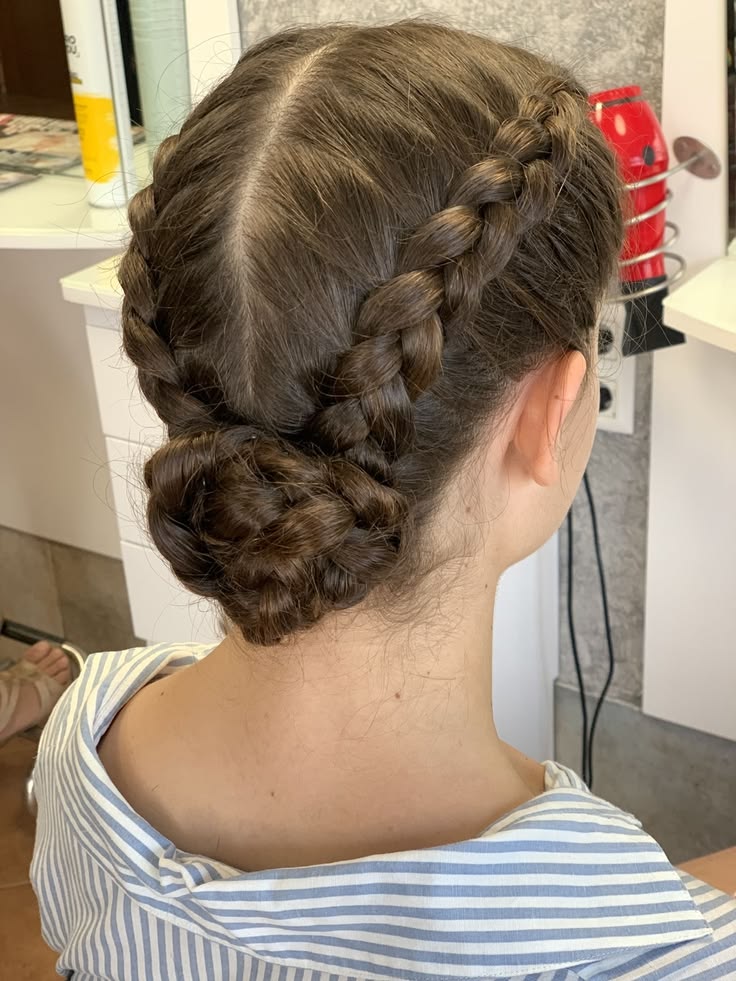
The Dutch braid bun combines structure, security, and visual interest — perfect for dancers who want function and flair.
Create a Dutch braid (cross sections under rather than over) from the forehead to the crown. Gather the remaining hair into a bun at the back and wrap the tail of the braid into the bun, securing with pins. The result is a three-dimensional, sculptural style that stays incredibly firm through intense choreography.
This style works especially well for dancers with medium to thick hair who find that regular buns fall out too easily. The braid acts as an anchor for the bun, dramatically improving stability.
- Best for: Contemporary, competitive dance, performance rehearsals
- Time: 15–20 minutes
- Key products: Texturizing spray, bobby pins, strong elastic, U-pins
5. High Ponytail

Source: @Instagram
There’s an energy to a high ponytail that just hits differently when you’re warming up for practice.
Pull the hair to the very top of the head and secure with a tight elastic. The high ponytail swings with the dancer’s movement, which actually looks dynamic and intentional in hip-hop and jazz styles. For styles that involve a lot of flipping, turning, or floor work, add a second elastic midway down the ponytail to prevent it from whipping too aggressively.
One pro tip: wrap a small section of hair around the elastic before securing to prevent that visible “elastic line.” It takes 30 extra seconds but makes the whole style look significantly more put-together.
- Best for: Hip-hop, jazz, Zumba, dance fitness
- Time: 3–5 minutes
- Key products: Strong elastic, smoothing serum, shine spray
6. Braided Ponytail

Source: @Pinterest
Why choose between a braid and a ponytail when you can have both?
Pull hair into a high or mid-level ponytail, then braid the length of the tail. This adds texture, keeps the ponytail from tangling during class, and holds the shape much better than a loose ponytail in high-sweat situations. Use a second elastic at the end of the braid to secure everything.
The braided ponytail is especially useful for dancers with very long hair, as it prevents the tail from wrapping around the neck during turns or from getting caught on a partner’s costume or arm.
- Best for: Ballroom, jazz, contemporary, hip-hop
- Time: 8–12 minutes
- Key products: Two strong elastics, anti-frizz serum
7. Space Buns

Source: @Pinterest
Space buns are not just a trend — for hip-hop and street-style dancers, they’re practically a uniform.
Divide the hair into two equal sections and twist each into a bun at the upper sides of the head. Secure each bun with an elastic and reinforce with bobby pins. Space buns stay balanced on both sides of the head, which is important for dancers who do a lot of head-rolling, headbangs, or isolations in hip-hop choreography.
For natural hair textures, space buns also work beautifully as a protective style — they keep the ends tucked away during high-friction floor work.
- Best for: Hip-hop, K-pop, street dance, waacking
- Time: 5–10 minutes
- Key products: Two elastics, texturizing spray, edge control
8. Low Chignon

Source: @Instagram
Elegant, secure, and virtually unshakeable — the low chignon is what you wear when practice is basically a performance.
Gather hair into a low ponytail and twist the tail upward, tucking it under itself to form a neat, compact bun at the nape of the neck. Secure with U-pins and a bun net. The low chignon sits exactly at the center of gravity for the head, making it one of the most physically balanced hairstyles a dancer can wear. It’s the style of choice for rehearsal days that precede competitions or shows.
- Best for: Ballet, ballroom, flamenco, contemporary
- Time: 10–15 minutes
- Key products: U-pins, bun net, strong-hold gel, finishing spray
9. Two Strand Twist Updo (for Natural Hair)

Source: @Instagram
Natural-haired dancers deserve styles that work with their texture — not against it.
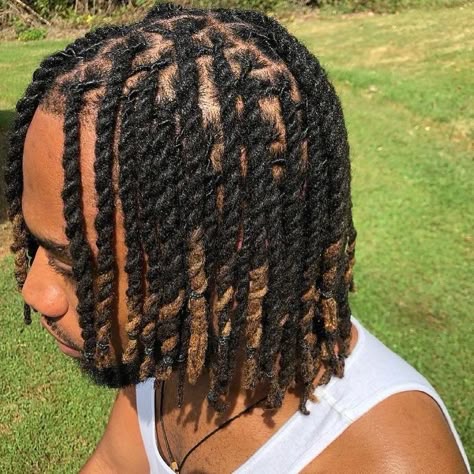
Divide the hair into sections and create two-strand twists throughout. Gather the twists upward and pin them into a loose updo at the crown or back of the head. This style is protective, meaning it keeps the ends of the hair tucked away and reduces friction damage during class. It also works with natural curl and coil patterns rather than trying to smooth them away.
For dancers with type 4 hair especially, this style can last multiple practice sessions when properly moisturized and pinned. Apply a light oil to the twists before securing to add sheen and reduce frizz during intense movement.
- Best for: All dance styles, especially for type 3–4 natural hair
- Time: 20–30 minutes
- Key products: Moisturizing leave-in conditioner, light oil, bobby pins
10. Half Up Half Down with Braid Detail

Source: @Instagram
Not every dance practice requires a full updo — and the half-up half-down keeps things fresh while still staying functional.
Take the top half of the hair and pull it back into a ponytail or bun, leaving the bottom half loose. Add a braid detail at the crown or sides to keep it polished. This style works best for lower-intensity practice sessions — think floor barre, stretching days, or beginning-level classes where acrobatic movement is limited.
Avoid this style for routines involving rapid turns, headstands, or partner work where loose hair could become a hazard.
- Best for: Beginner classes, lyrical slow sections, warm-up days
- Time: 8–12 minutes
- Key products: Light-hold elastic, decorative clip, anti-frizz serum
11. Cornrows with Bun

Source: @Pinterest
Cornrows are one of the most culturally rich and functionally excellent dance hairstyles in existence.
Have the hair cornrowed close to the scalp in neat rows, then gather the ends into a bun or ponytail at the back. Cornrows lie completely flat against the head, creating zero interference during lifts, spins, head movements, or floor work. They also last for multiple practice sessions — often several days — without needing to be redone.
For competitive dancers or those in intensive training, cornrows are one of the most practical and low-maintenance solutions available.
- Best for: All dance styles, especially competitive and intensive training
- Time: 30–60 minutes (setup), 0 minutes daily after
- Key products: Edge control, silk scarf for nighttime maintenance
12. Sock Bun

Source: @Pinterest
The sock bun gives you a big, full bun shape even if your hair is relatively thin — and it holds remarkably well.
Cut the toe off an old sock, roll it into a donut shape, and use it as a bun form. Pull hair into a high ponytail, thread the tail through the sock donut, fan the hair around it, and roll it down toward the elastic. The result is a large, perfectly round bun that maintains its shape throughout even the most demanding rehearsals.
The sock bun is particularly beloved by ballet and contemporary dancers who want a full, stage-ready bun shape during practice without spending 30 minutes on a bun net setup.
- Best for: Ballet, contemporary, lyrical, competition prep
- Time: 8–12 minutes
- Key products: Sock donut, strong elastic, bobby pins, hair gel
13. Pineapple Updo (for Curly Hair)

Source: @Pinterest
Curly-haired dancers, this one was made specifically for you.
The pineapple is created by loosely gathering all curls at the very top of the head and securing with a soft satin scrunchie. It preserves the curl pattern without flattening or stretching it, and keeps all that glorious volume away from the face and neck. It works best as a quick-fix style for lower-intensity practice or warm-up sessions.
For high-impact classes, reinforce the pineapple with a few strategically placed bobby pins and add a headband at the base to prevent the scrunchie from slipping with sweat.
- Best for: Contemporary, jazz, beginner ballet (lower intensity sessions)
- Time: 2–3 minutes
- Key products: Satin scrunchie, curl refresher spray, wide headband
14. Twisted Crown Updo
Source: @Pinterest
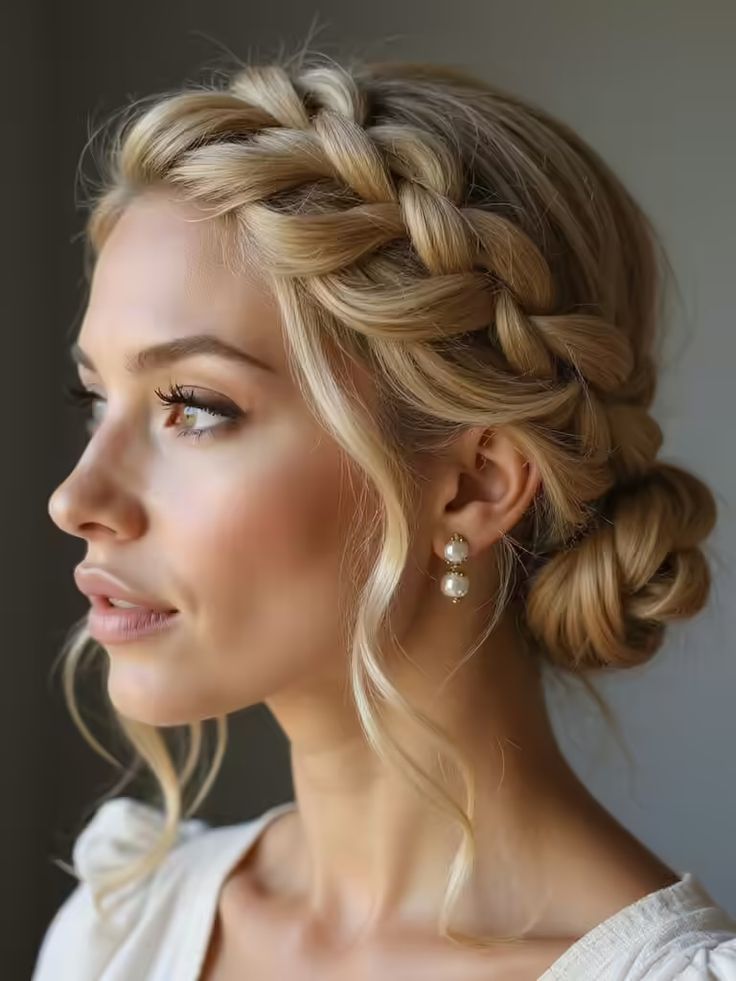
The twisted crown updo looks like you spent an hour on it — but it takes under 15 minutes.
Take a section of hair from each side of the head and twist them toward the back, pinning them together at the center. Gather the remaining hair into a low bun and tuck the twisted sections over the top of the bun. Secure everything firmly with U-pins and bobby pins. The result is a structured, elegant updo that works for both ballet rehearsals and performance-level practice days.
This style is also adaptable — for a more casual look, loosen the twists slightly and let a few face-framing pieces fall loose.
- Best for: Ballet, lyrical, contemporary, rehearsal days before performances
- Time: 12–15 minutes
- Key products: U-pins, bobby pins, strong-hold finishing spray
15. Headband Slick Back

Source: @Instagram
Sometimes the fastest solution is the best one — and the headband slick-back delivers in under two minutes.
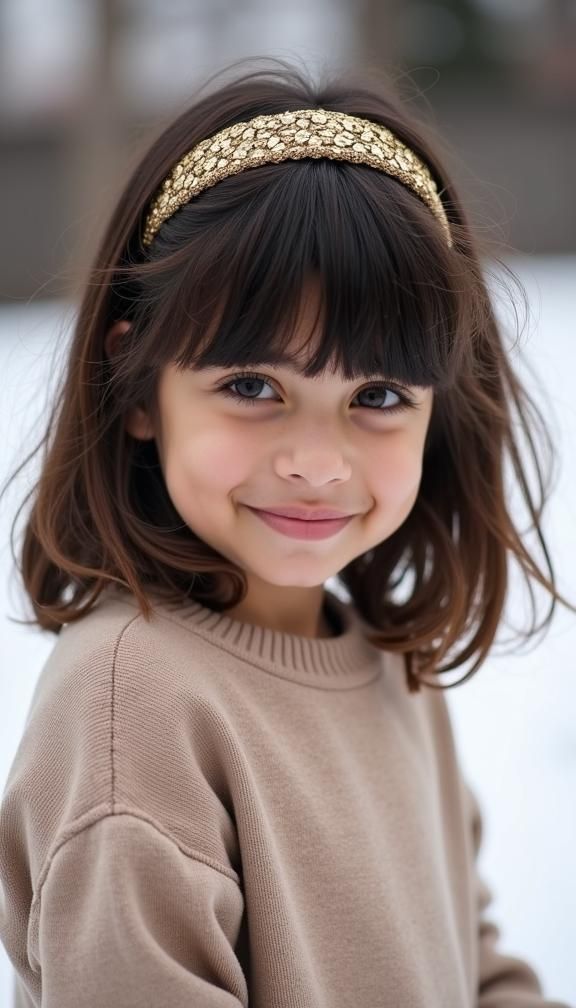
Apply a smoothing gel or edge control all over the hair, brush it straight back, and place a thick, non-slip athletic headband over the top to hold everything in place. This is the go-to for hip-hop and Zumba classes where you need your hair out of your face in 90 seconds flat.
Choose a headband made from silicone-grip or terry cloth material — thin fabric headbands tend to slip off during high-energy movement. For longer hair, add a low bun or ponytail after slicking back.
- Best for: Hip-hop, Zumba, dance fitness, warm-up sessions
- Time: 1–3 minutes
- Key products: Edge control, non-slip athletic headband, smoothing serum
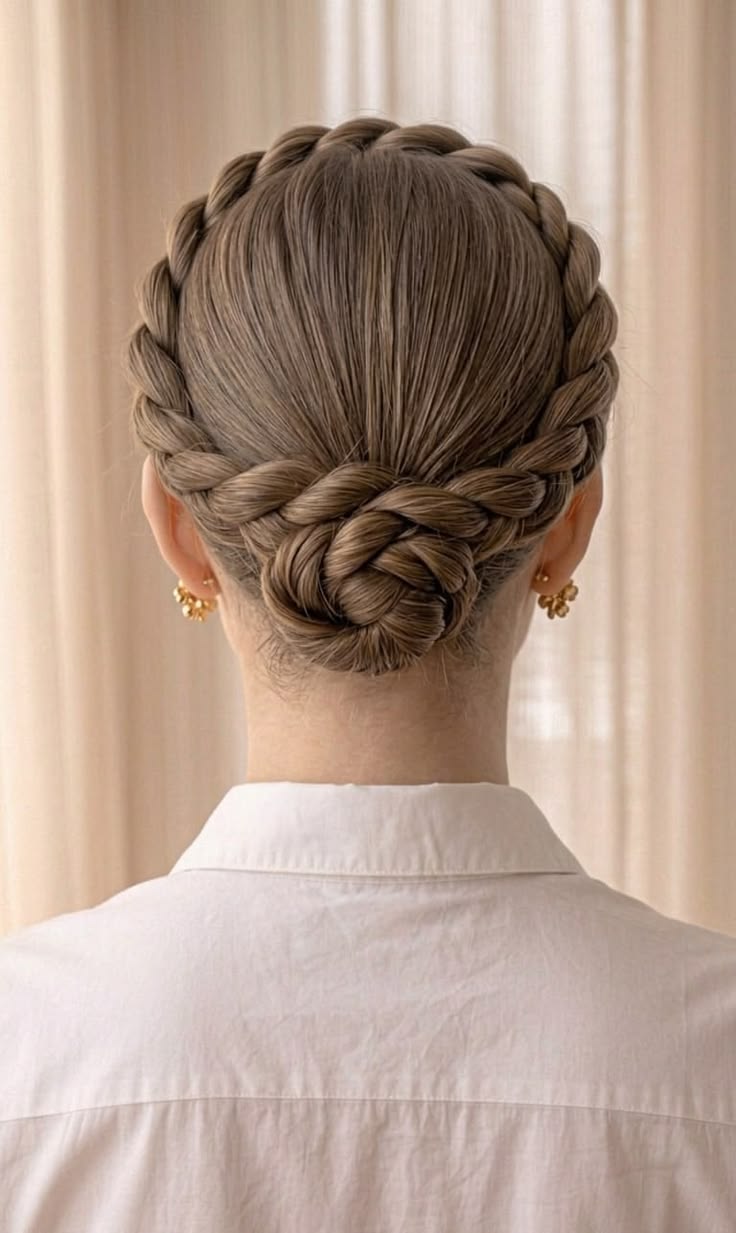
16. Rope Braid Bun
Source: @Pinterest
The rope braid bun is the elegant, underrated alternative to the standard bun — and it holds up just as well.
Split hair into two sections, twist each clockwise, and then wrap the two twisted sections around each other counterclockwise to form a rope braid. Coil the completed rope braid into a bun shape and secure with pins and an elastic. The tension created by the rope braid actually makes this bun more secure than a standard twisted bun.
For dancers who find that regular buns loosen and sag by the end of class, the rope braid bun is a game-changing upgrade. It’s also a beautiful style that transitions seamlessly from practice to performance rehearsal.
- Best for: Ballet, contemporary, lyrical, performance rehearsals
- Time: 10–15 minutes
- Key products: Strong elastic, bobby pins, U-pins, light-hold hairspray
And that’s all 16 hairstyles for dance practice — from the fastest to the most elaborate.
Quick-Reference Table: All 16 Dance Practice Hairstyles
| # | Hairstyle | Skill Level | Time | Intensity Level | Best Dance Style | Key Holdout Feature |
|---|---|---|---|---|---|---|
| 1 | Classic High Bun | Beginner | 5–10 min | High | Ballet, Contemporary | Balanced weight at crown |
| 2 | Sleek Low Ponytail | Beginner | 3–5 min | Medium–High | Jazz, Hip-Hop | Low center of gravity |
| 3 | French Braid | Intermediate | 10–15 min | High | Hip-Hop, Ballet | Scalp tension holds shape |
| 4 | Dutch Braid Bun | Advanced | 15–20 min | High | Contemporary, Competitive | Braid anchors bun |
| 5 | High Ponytail | Beginner | 3–5 min | Medium | Hip-Hop, Jazz | Dynamic movement |
| 6 | Braided Ponytail | Beginner | 8–12 min | High | Ballroom, Jazz | Prevents tangling |
| 7 | Space Buns | Beginner | 5–10 min | Medium–High | Hip-Hop, K-Pop | Balanced bilateral weight |
| 8 | Low Chignon | Intermediate | 10–15 min | High | Ballet, Ballroom | Gravity-centered balance |
| 9 | Two-Strand Twist Updo | Intermediate | 20–30 min | High | All styles (natural hair) | Protective, multi-day wear |
| 10 | Half-Up Half-Down | Beginner | 8–12 min | Low–Medium | Lyrical, Beginner classes | Casual, breathable |
| 11 | Cornrows with Bun | Advanced | 30–60 min | High | All styles | Completely flat, multi-day |
| 12 | Sock Bun | Beginner | 8–12 min | High | Ballet, Lyrical | Full shape without bulk |
| 13 | Pineapple Updo | Beginner | 2–3 min | Low–Medium | Contemporary, Jazz | Preserves curl pattern |
| 14 | Twisted Crown Updo | Intermediate | 12–15 min | High | Ballet, Lyrical | Elegant, structured hold |
| 15 | Headband Slick-Back | Beginner | 1–3 min | Medium | Hip-Hop, Zumba | Speed and simplicity |
| 16 | Rope Braid Bun | Intermediate | 10–15 min | High | Ballet, Contemporary | Rope tension locks bun |
Product Guide: What to Use for Long-Lasting Dance Hairstyles
| Product Type | What It Does | Best For | What to Look For |
|---|---|---|---|
| Strong-hold gel | Slicks hair flat, controls frizz at scalp | Ballet buns, chignons | Water-resistant formula |
| Edge control cream | Smooths baby hairs, tames flyaways | Sleek styles, braids | Non-flaky, sweat-proof |
| Texturizing spray | Adds grip so hair holds shape | Braids, rope twists | Salt-free for fine hair |
| Anti-frizz serum | Reduces humidity-induced puffiness | Braided ponytails, half-ups | Lightweight, non-greasy |
| Bun net | Holds bun shape through movement | High buns, chignons | Match to hair color |
| U-pins | Secure buns without leaving dents | All updos | 2-inch length minimum |
| Bobby pins | Tuck flyaways, anchor styles | All styles | Grip-tip style |
| Satin scrunchie | Protects curls, reduces breakage | Pineapple, curly styles | 100% satin fabric |
| Non-slip headband | Holds slicked hair in place | Headband slick-back | Silicone or terry cloth |
| Leave-in conditioner | Moisturizes before protective styling | Natural hair styles | Lightweight mist formula |
Common Mistakes and How to Avoid Them
I’ve watched dancers make the same hair mistakes over and over — and honestly, most of them are completely avoidable. Here’s what to watch for:
Using the wrong elastic. Thin, cheap elastics break mid-class. Always use professional-grade, thick hair elastics or spiral hair ties. They hold tighter and don’t snap under the stress of movement.
Applying too much gel. More gel does not mean more hold. Over-gelling makes the hair stiff and brittle, and flakes can fall into the eyes during intense movement. Use just enough to smooth the surface without a crunchy texture.
Buns that are too high or too low. A bun that’s off-center will actually throw off your balance during turns. For pirouettes and spinning work, the bun should sit directly at the crown or directly at the center back — never tilted to one side.
Not accounting for sweat. A style that looks perfect in the mirror before class can completely dissolve within 20 minutes of intense movement. Always use sweat-resistant products, and consider a light spritz of strong-hold hairspray as a final step before class begins.
Skipping the bun net. So many dancers skip the bun net and wonder why their bun falls apart by the end of class. The net adds a physical layer of containment that elastics alone can’t match.
Wearing styles that are too loose for the dance discipline. A flowing half-up might look beautiful for a slow lyrical warm-up but becomes a liability in a fast hip-hop class or during partner lifts. Match the style to the intensity and type of movement you’re doing.
Ignoring hair health. Daily tight styles, especially ballet buns secured with gel, put real stress on the hairline and scalp. Rotate your styles, use protective nighttime routines, and give your hair recovery days between heavy product use.
Similar Variations Worth Exploring
- For very short hair: A slick-back with strong-hold gel and a headband is your best friend. Even pixie-length hair can be fully controlled with the right products. Alternatively, a simple hair clip at the sides keeps it clean.
- For transitioning or chemically treated hair: Opt for looser styles like the braided ponytail or twisted crown updo to avoid putting excess tension on fragile strands. Use a satin-lined cap or durag during warmup to protect the style until class begins.
- For dancers with hair extensions: The rope braid bun and low chignon work best, as they minimize tension on the bonds or tracks. Avoid very high, tight buns that pull directly on the extension attachment points.
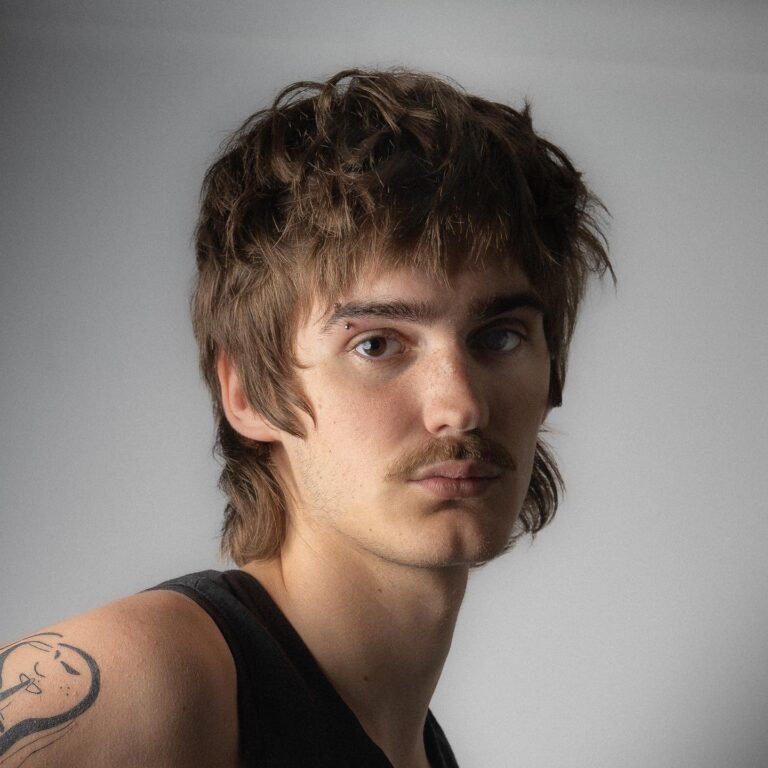
- For male dancers: A low ponytail or a short French braid down the back works well for mid-length hair. For shorter hair, a strong-hold cream and a headband keeps everything in place. Male dancers should also consider a light anti-frizz product to maintain a clean look through class.
Hair Care Tips for Dance Practice Hairstyles
Dancing is physically demanding — and that applies to your hair too. The combination of sweat, product, tight styling, and friction from costumes and floor work can take a real toll. Here’s how to keep your hair healthy while training hard:
Rotate your styles. Wearing the exact same tight bun every single day causes traction, which can lead to hair loss along the hairline over time. Alternate between high buns, low chignons, and braided styles to distribute tension.
Cleanse after intense practice. Sweat buildup on the scalp leads to clogged follicles and breakage. Use a gentle, sulfate-free shampoo after heavy practice days. On lighter days, a scalp refresher spray or dry shampoo extends the style without requiring a full wash.
Always deep condition weekly. Dancers who use strong-hold gels and sprays daily need to replenish moisture regularly. A weekly deep conditioning mask or protein treatment keeps the hair strong and elastic enough to withstand daily manipulation.
Protect your hair at night. After practice, release your style gently — don’t just rip out the bobby pins. Apply a small amount of hair oil or leave-in conditioner, then put the hair in a loose braid or wrap it in a satin scarf before bed. This prevents overnight breakage and frizz.
Don’t rip out elastics. Elastics that are yanked out roughly cause significant breakage, especially at the ponytail point. Always use a hair pick or your fingers to gently work the elastic loose, or invest in spiral hair ties that slide out easily.
Give your scalp a massage. Particularly after wearing a tight bun for several hours, gently massaging the scalp helps restore circulation and relieves tension. A drop of peppermint essential oil diluted in a carrier oil makes this feel amazing after a long rehearsal.
Use a wide-tooth comb or detangling brush for post-practice detangling. Never use a fine-tooth comb on tangled post-workout hair — it causes unnecessary breakage. Start from the ends and work your way up to the roots.
Outro
Dance is demanding in every way — physically, mentally, and yes, even when it comes to your hair. But with the right style in place, you can walk into every rehearsal feeling prepared, polished, and completely distraction-free. The best hairstyles for dance practice are the ones that stay out of your way so you can stay in your zone.
Whether you’re a ballet student perfecting your bun, a hip-hop dancer who needs a quick high ponytail, or a natural-haired dancer looking for a style that actually works with your texture — this list has a solution for you. Pick your style, grab your products, and get back to doing what you love. You’ve got dancing to do.