
16 Lowlights for Blondes: Add Depth, Dimension & Natural Movement to Your Color
Ever stared at your blonde hair in the mirror and thought — something’s missing? It’s bright, it’s blonde, but it looks… flat? That’s the exact problem lowlights for blondes solve. I’ve spent years studying color techniques, talking to colorists, and testing what actually works for blonde hair at every level — from platinum to dark honey — and I can tell you with complete confidence that this guide covers everything the standard articles skip right over.
So what are lowlights for blondes? Lowlights for blondes are darker color strands applied throughout naturally or dyed blonde hair to add depth, contrast, and dimension. Typical lowlight shades range from caramel and chestnut to ash brown and cool beige, placed 1–3 shades darker than the base blonde. They create a more natural, multi-tonal look and reduce the flat, over-processed appearance that solid blonde color can create.
Keep reading and I’ll walk you through 16 specific lowlight looks — including which shades work best for your blonde tone, the difference between foil lowlights and balayage-style lowlights, what to tell your colorist, and how to make the color last as long as possible between salon visits.
Why Blondes Actually Need Lowlights (The Color Theory Behind It)
Here’s something most articles don’t explain: nobody’s hair in real life is one solid color. Even natural blondes have variation — slightly darker strands at the roots, lighter pieces around the face, mid-tones throughout the body of the hair. It’s that variation that makes natural hair look alive and three-dimensional.
When you go fully blonde — especially with a heavy highlight or bleach application — you essentially wipe out all that variation. The result is a single, uniform tone that looks beautiful in photos but can read as flat, artificial, or overly processed in person. It also tends to make the hair look thinner than it is, because there’s no light-and-shadow contrast to create the illusion of volume.
Lowlights reintroduce that variation deliberately. Done well, they make blonde hair look richer, healthier, and far more dimensional — and they add the visual impression of thickness and body without a single haircut. That’s why so many colorists actually recommend lowlights as a maintenance step between major color services.
Now let’s get into the 16 looks.
1. Caramel Lowlights on Blonde Hair

Source: @Instagram
There is no lowlight combination more universally flattering than caramel on blonde — it’s warm, rich, and instantly adds the depth that bright blonde hair craves.
Caramel lowlights sit in the golden-brown range, typically 2–3 shades darker than a blonde base. Applied throughout the mid-lengths and ends with a few pieces worked in closer to the roots, caramel lowlights create a sun-kissed, naturally graduated look that mimics exactly how hair looks after a summer outdoors. The warmth of caramel also counteracts the sometimes cold, flat appearance of very light blonde.
Ask your colorist for “caramel lowlights in a balayage placement” if you want soft, blended results, or “foil lowlights” if you want more precise, noticeable contrast.
- Best for: Pale, platinum, or icy blonde base colors
- Placement: Mid-lengths through ends, scattered throughout
- Contrast level: Medium — 2 to 3 shades darker than base
- Maintenance: Every 10–14 weeks
- Skin tone match: Warm undertones (golden, peachy, olive)
Caramel is the gateway lowlight shade — once you try it, you’ll wonder why you ever went fully pale blonde in the first place.
2. Blonde Hair With Chestnut Lowlights

Source: @Instagram
Chestnut and blonde are a natural pairing — they share the same warm undertone family, which means the contrast is rich without ever looking jarring.
Chestnut lowlights on blonde mimic the look of naturally sun-kissed hair that has some deeper pieces underneath — the way genuinely naturally blonde hair often looks in late autumn when the summer lightening fades. The richness of chestnut adds body and weight to the overall color, which is particularly helpful for fine-haired blondes who want their hair to appear thicker.
Apply chestnut lowlights mainly to the underlayers of the hair — this creates a gorgeous peek-a-boo depth effect where the darker shades show through when the hair moves, without being the first thing you see when the hair is still.
- Best for: Golden, honey, or butter blonde bases
- Placement: Underlayers and mid-sections
- Contrast level: Medium-high — 3 shades darker
- Maintenance: Every 12–16 weeks
- Skin tone match: Warm to neutral undertones
3. Ash Blonde Lowlights

Source: @Instagram
Ash blode lowlights are the cool-toned answer to the classic caramel look — and for the right person, they’re even more striking.
Ash blonde is one of the most striking yet unforgiving color levels — beautiful in theory, but notoriously flat without dimension. Ash blonde lowlights — sitting in the smoky, cool-grey-adjacent blonde family — weave depth and contrast throughout the base without introducing a single note of warmth into the palette. The result is a sophisticated, multidimensional blonde that reads naturally in both sunlight and indoor lighting.
This technique works exceptionally well for clients with cool or pink-leaning skin undertones, where golden or honey lowlights would visibly clash with the complexion. Always request “cool-toned” or “ash” lowlights specifically — many colorists default to warmer formulas without that instruction.
- Best for: Platinum, icy, or silver-blonde bases
- Placement: Throughout, heavier in the mid-section
- Contrast level: Medium — 2 shades darker
- Maintenance: Every 10–12 weeks
- Skin tone match: Cool, pink, or neutral undertones
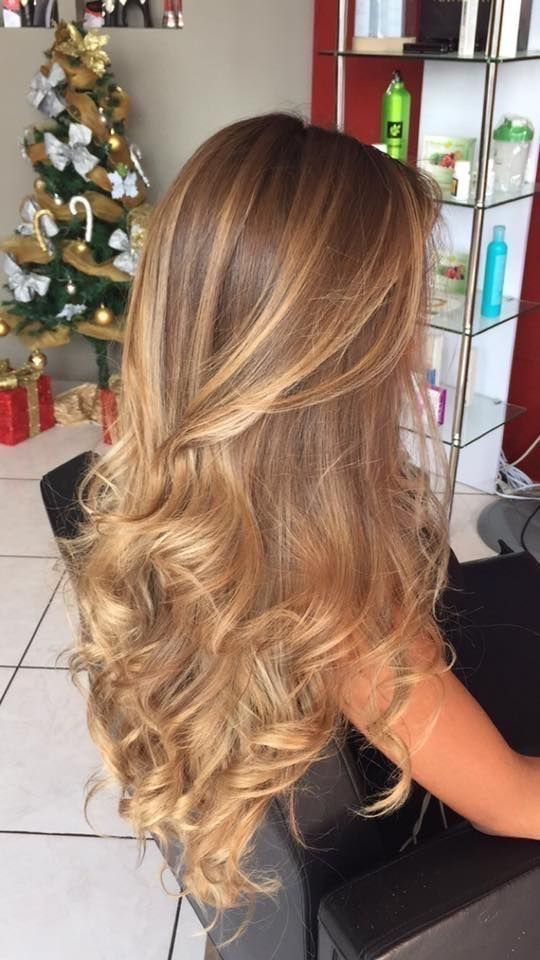
4. Dirty Blonde Hair With Highlights Honey
Source: @Pinterest
Dirty blonde is the most underappreciated blonde shade — and honey lowlights take it from “in between” to intentional and beautiful.
Dirty blonde hair (a natural medium blonde with some inherent warmth and depth) often gets dismissed as not quite blonde and not quite brunette. Honey highlights lean into that in-between quality and make it a feature rather than a flaw. By deepening a few sections with rich honey-brown tones, you create a multi-dimensional color that looks like natural, healthy, lived-in hair.
This is also one of the lowest-maintenance lowlight combinations on the list — because dirty blonde and dark honey are close in tone, regrowth is virtually invisible, making this a great option for people who can only visit a salon 2–3 times per year.
- Best for: Dirty blonde, medium blonde, or bronde bases
- Placement: Scattered throughout, some face-framing pieces
- Contrast level: Subtle — 1 to 2 shades darker
- Maintenance: Every 16–20 weeks (lowest maintenance on this list)
- Skin tone match: All undertones
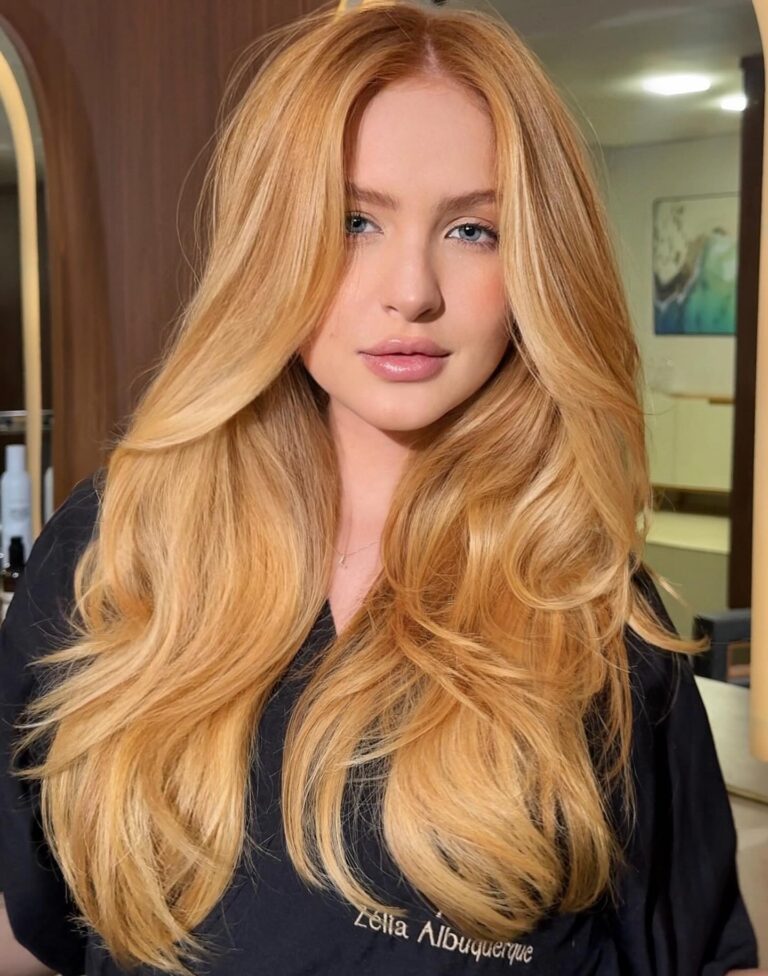
5. Copper Lowlights on Strawberry Blonde

Source: @Instagram
Copper and strawberry blonde belong together — they’re from the same warm, red-adjacent color family, and together they create a fire-kissed depth that is genuinely breathtaking.
Strawberry blonde hair already carries red and gold tones. Copper lowlights intensify those existing tones in specific sections, creating a richer, more dimensional version of the same color family rather than introducing an entirely new element. The effect is of a fire that burns deeper in some sections and lighter in others — luminous, warm, and completely natural-looking.
For strawberry blonde to copper lowlights, ask your colorist for a “dimensional warm tone” application — emphasizing that you want the colors to read as from the same family, just varied in intensity.
- Best for: Strawberry blonde, light auburn, red-blonde bases
- Placement: Throughout, heavier on the undersides
- Contrast level: Medium — the color shift is tonal rather than light-to-dark
- Maintenance: Every 10–14 weeks
- Skin tone match: Warm, golden, or reddish undertones
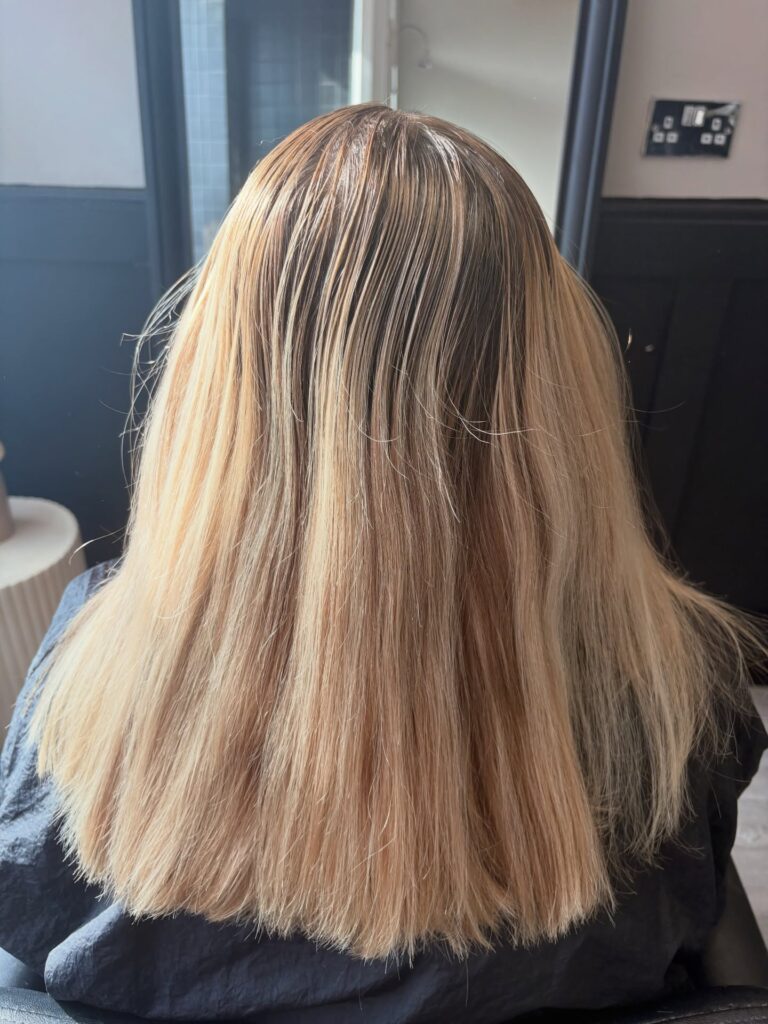
6. Beige Blonde With Lowlights
Source; @Instagram
Beige blode with lowlights are the most natural-looking option for bright blonde hair — they add dimension without anyone being able to pinpoint exactly what your colorist did.
Beige blode with lowlights sit in the neutral-to-warm range, bridging the gap between ash and golden tones. On beige blonde hair, they create a soft, lived-in depth that reads as completely natural — the kind of variation you’d see in naturally blonde Scandinavian hair. They’re especially effective for people who want to add dimension but are nervous about making a noticeable change.
Because beige is a neutral shade, it works across a wider range of skin tones than more specifically warm or cool lowlight options. It’s also a great starting point for people who have never had lowlights before.
- Best for: Bright, golden, or highlighted blonde bases
- Placement: Throughout, with a few pieces near the face
- Contrast level: Very subtle — 1 shade darker
- Maintenance: Every 14–18 weeks
- Skin tone match: All undertones (especially neutral)
7. Blonde With Chocolate Lowlights

Source: @Instagram
Bold, rich, and dramatically dimensional — chocolate lowlights on blonde create the strongest contrast on this list.
If you’ve had heavy highlighting done and your hair looks uniform and overworked, chocolate lowlights are one of the most effective correction techniques available. The rich depth of chocolate against a blonde base creates a bold dimensional look that immediately reads as intentional rather than over-processed.
This combination works particularly well in longer hair, where the contrast plays out over more length and the light-and-shadow effect becomes genuinely striking when the hair moves. It’s also a useful first step for people who want to eventually transition away from heavy blonde highlights toward a more natural, brunette-leaning color.
- Best for: Heavily highlighted or very uniform blonde bases
- Placement: Primarily underneath and mid-sections
- Contrast level: High — 4+ shades darker
- Maintenance: Every 8–12 weeks
- Skin tone match: Warm, olive, or medium skin tones
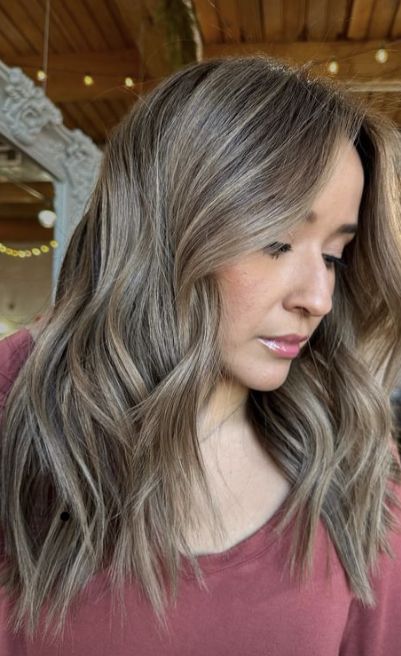
8. Mushroom Brown Lowlights on Blonde
Source: @Pinterest
Mushroom brown is having a major moment in the color world — and on blonde hair, it’s an unexpectedly sophisticated combination.
Mushroom brown sits in the cool, greige (grey-beige) range — it’s a neutral brown with no golden or red warmth. On blonde hair, mushroom lowlights add depth that’s perfectly aligned in temperature with the base color, keeping the overall palette cool and editorial. The result looks like a natural Scandinavian or Northern European hair color — cool, effortless, and deeply dimensional.
This is a particularly good option for people who have used toning treatments to achieve a cool or silver-tinted blonde and want lowlights that won’t undermine the cool tone they’ve worked hard to maintain.
- Best for: Cool, ash, silver, or toned blonde bases
- Placement: Throughout, with emphasis on the root area
- Contrast level: Medium — 2 to 3 shades darker in cool tones
- Maintenance: Every 10–14 weeks
- Skin tone match: Cool, pink, or fair undertones
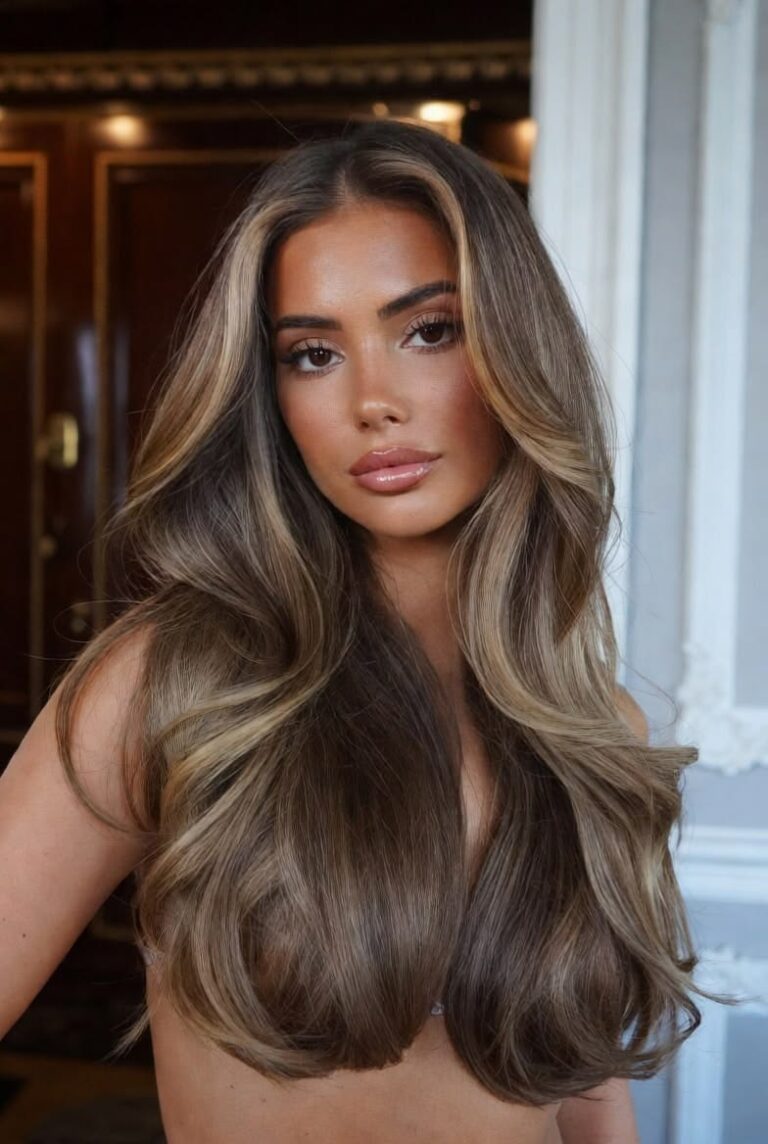
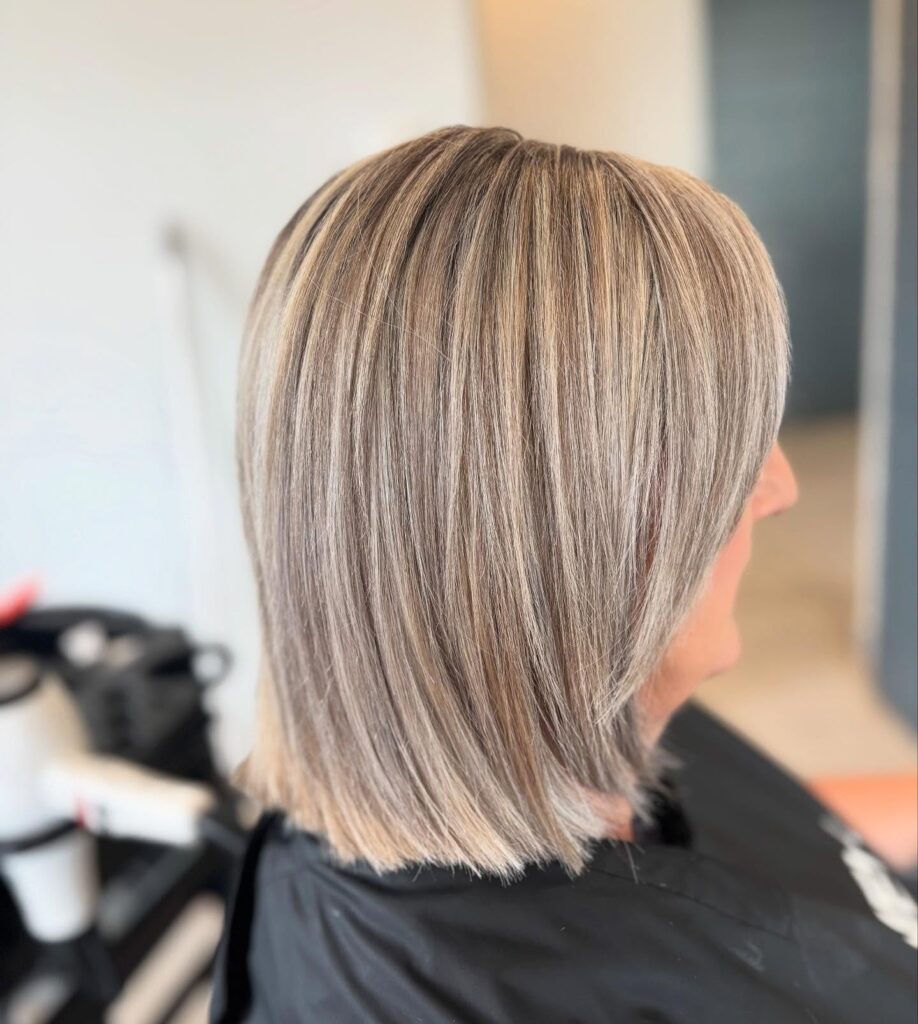
9. Blonde with Brown lowlights
Source: @Instagram
Blonde with brown lowlights is the most universally flattering color pairing in the salon — and for good reason. Pure blonde, particularly at lighter levels, reads one-dimensional without something darker anchoring it. Rich brown lowlights — sitting in the warm, chestnut-adjacent family — thread depth and contrast through the base, grounding the overall look without dulling the brightness of the blonde. The result is a naturally sun-kissed, dimensional color that mimics exactly how hair lightens outdoors.
This combination is particularly forgiving for clients with warm or golden skin undertones, where cool ash lowlights might appear grey or muddy against the complexion. Always request “warm brown” or “chestnut” lowlights specifically — the precise tone makes the entire difference between a lived-in, expensive finish and a result that simply looks dark.
- Best for: Medium, golden, or butter blonde bases
- Placement: Balayage/hand-painted, mid-lengths to ends
- Contrast level: Subtle to medium — 2 shades darker
- Maintenance: Every 14–20 weeks
- Skin tone match: Warm to neutral undertones
10. Toffee Lowlights on Sandy Blonde

Source: @Instagram
Toffee and sandy blonde — both sit in that warm, slightly muted golden range, and together they create a color combination that looks genuinely sun-drenched.
Sandy blonde hair can sometimes look dull in winter or in low light because its natural warmth is subtle rather than vivid. Toffee lowlights — a warm, caramel-adjacent brown with golden undertones — amplify the existing warmth of sandy blonde and add enough depth to make the overall color look rich and alive year-round.
Toffee lowlights applied in thin, scattered pieces create a speckled, dimensional effect similar to how real sunlight creates variation in natural hair. Thicker sections of toffee add a bolder, more noticeable contrast for those who want a more dramatic result.
- Best for: Sandy, ash-blonde, or light bronde bases
- Placement: Scattered thin to medium pieces throughout
- Contrast level: Medium — 2 shades darker and warmer
- Maintenance: Every 12–16 weeks
- Skin tone match: Warm, peachy, or golden undertones
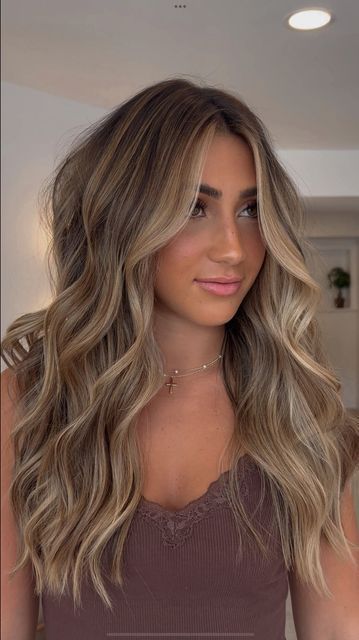
11. Dark Blonde Hair With Lowlights Brown
Source: @Pinterest
Dark blonde hair is one level away from brunette — and walnut lowlights bridge that gap in the most visually interesting way possible.
Walnut brown is a rich, medium-dark brown with warm red-brown undertones. On dark blonde hair, walnut lowlights create a deeply dimensional look that sits perfectly between full brunette and full blonde — a genuinely rich, complex color that’s difficult to achieve any other way. It’s the lowlight equivalent of a traditional Italian or Mediterranean natural hair color.
This combination is ideal for dark blonde people who don’t want to commit to going fully brunette but want significantly more depth and richness than standard blonde highlights or toning can provide.
- Best for: Dark blonde, dishwater blonde, or light brunette bases
- Placement: Throughout, heavier in the root area
- Contrast level: Medium-high — 3 shades darker
- Maintenance: Every 10–14 weeks
- Skin tone match: Warm, olive, or medium skin tones
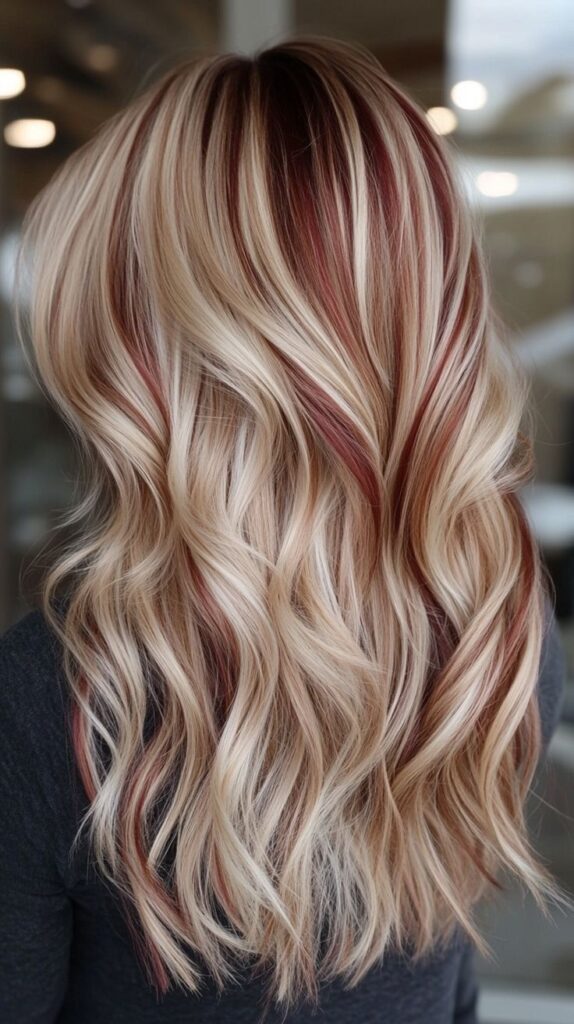
12. Blonde With Burgundy Lowlights
Source: @Pinterest
For the blonde who wants something truly unexpected — a whisper of burgundy in the lowlights creates a jewel-toned depth that’s unlike anything else on this list.
Burgundy lowlights don’t mean going red — they mean incorporating a very subtle warm-red-violet tone into specific lowlight sections, usually just a few pieces around the face or scattered underneath the top layer. On a warm blonde base, these burgundy pieces catch the light in a way that looks almost iridescent — shifting from deep brown to warm red depending on the light source.
This is a statement choice and works best for people with warm complexions and a bold personal style. Ask your colorist for “burgundy lowlights” and specify that you want the tone to be subtle rather than vivid.
- Best for: Warm, honey, or golden blonde bases
- Placement: A few strategic pieces, face framing and underneath
- Contrast level: High — the tone shift creates visual drama
- Maintenance: Every 8–10 weeks (red tones fade faster)
- Skin tone match: Warm, golden, or olive skin
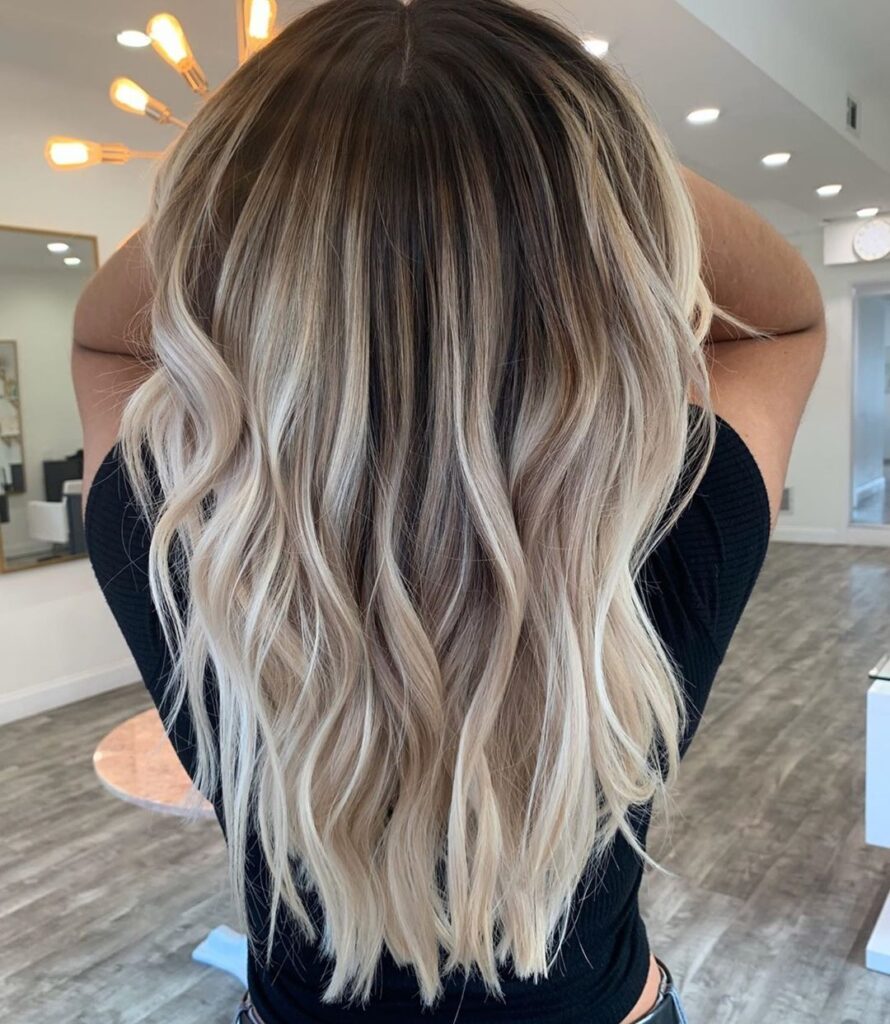
13. Shadow Root Lowlights Blonde
Source: @Pinterest
The shadow root isn’t just a regrowth solution — it’s actually one of the most sophisticated lowlighting techniques available to blondes.
The shadow root technique involves darkening the root area intentionally — 1 to 3 inches at the scalp — to create the appearance of natural darker regrowth. Unlike traditional lowlights applied throughout the hair, shadow roots concentrate depth at the top, which makes the hair look like it’s naturally growing out from a darker base. It adds incredible dimension to the root area without touching the rest of the color.
This technique significantly reduces maintenance because the root area is already dark by design — new growth blends seamlessly rather than creating a visible line.
- Best for: All blonde shades, particularly heavy highlights or platinum
- Placement: Root area only — 1 to 3 inches
- Contrast level: Variable — can be subtle or dramatic depending on shade chosen
- Maintenance: Every 16–24 weeks (lowest maintenance technique)
- Skin tone match: All undertones
14. Foil Lowlights for Precise, High-Contrast Results

Source: @Pinterest
When you want your lowlights to be unmistakably present — precise, visible, and confidently dimensional — foil application is the technique to request.
Unlike balayage or hand-painting, foil lowlights use aluminum foils to separate hair sections and apply color with crisp, clean precision. The result is a more structured, noticeable dimensional effect — you can clearly see where the lighter blonde ends and the lowlight begins. This works beautifully for people who want a significant color change or who have very uniform blonde hair that needs strong dimensional contrast.
Foil lowlights can be placed in traditional chunky sections for a bold look, or in thin woven sections (alternating with blonde sections) for a softer, more blended result — ask your colorist which placement style suits your desired outcome.
- Best for: All blonde bases where noticeable dimensional contrast is desired
- Application technique: Foil — precise and structured
- Contrast level: Medium to high — very controllable
- Maintenance: Every 8–12 weeks
- Skin tone match: Depends on shade chosen
15. Balayage-Style Lowlights for Soft, Blended Dimension
Source: @Pinterest
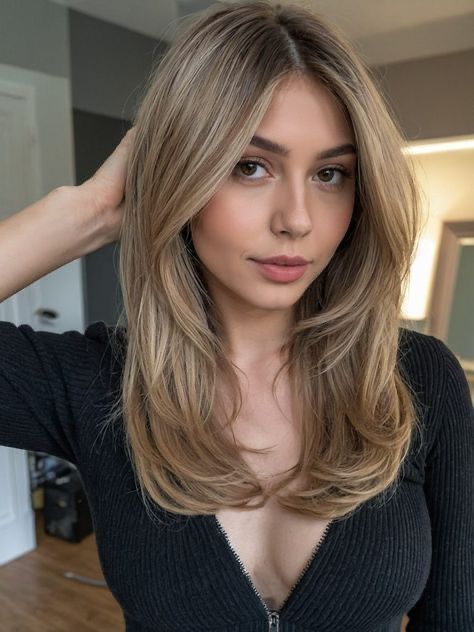
If foil lowlights are the bold statement, balayage-style lowlights are the quiet confidence — softer, more graduated, and longer-lasting.
Balayage (a French word meaning “to sweep”) involves hand-painting the lowlight color onto sections of hair in a sweeping motion, without foils. The result is a softer, more gradual transition between the blonde base and the lowlight — no hard lines, no obvious demarcation. This technique mimics the natural variation in hair color caused by sun exposure and aging, which is why balayage-style lowlights look the most naturally dimensional.
Balayage lowlights also grow out more gracefully than foil lowlights — because there are no harsh lines, regrowth integrates into the color rather than creating a visible new-growth stripe.
- Best for: People wanting the most natural-looking result
- Application technique: Hand-painted, no foils
- Contrast level: Subtle to medium — soft and blended
- Maintenance: Every 14–20 weeks
- Skin tone match: All undertones
16. Lowlights With Money Piece
Source: @Pinterest
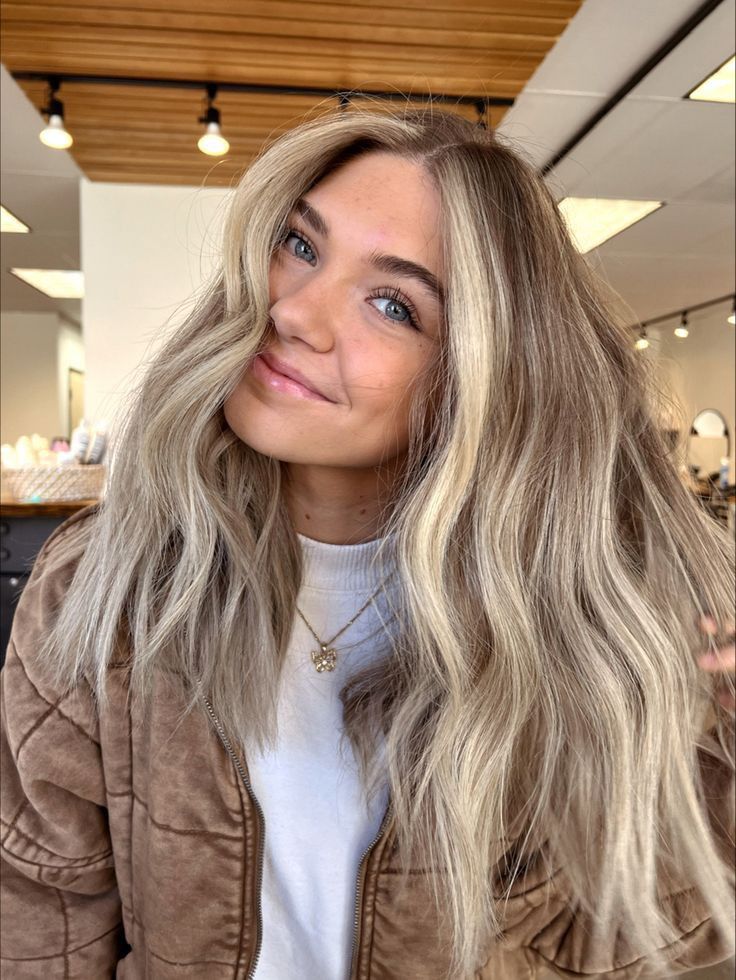
The money piece is the face-framing highlight technique — and pairing it with lowlights throughout the rest of the hair creates one of the most dynamic, high-fashion blonde color combinations available.
A money piece involves bleaching or lightening the very front sections of hair (typically 1–2 inch sections on each side of the face) to the lightest possible tone. When the rest of the hair is simultaneously given dimensional lowlights — darker pieces throughout — the contrast between the bright face-framing money piece and the deeper body of the hair is visually striking and deeply editorial.
This combination works particularly well on medium to dark blonde bases, where the money piece provides a bright focal point while the lowlights add the depth and richness that makes the overall color look genuinely dimensional rather than spotty.
- Best for: Medium to dark blonde bases
- Placement: Money piece at face frame + lowlights throughout
- Contrast level: High — dramatic contrast between brightest and darkest sections
- Maintenance: Every 8–10 weeks for the money piece specifically
- Skin tone match: All skin tones — the face-frame placement is universally flattering
Complete Lowlight Options Guide for Blondes
| # | Lowlight Shade | Base Blonde Color | Contrast Level | Maintenance Frequency | Best Skin Undertone | Application Technique |
|---|---|---|---|---|---|---|
| 1 | Caramel | Pale/Platinum | Medium | 10–14 weeks | Warm | Balayage or foil |
| 2 | Chestnut | Golden/Honey | Medium-High | 12–16 weeks | Warm-Neutral | Foil underlayer |
| 3 | Ash Blonde | Platinum/Icy | Medium | 10–12 weeks | Cool/Pink | Foil |
| 4 | Honey Highlights | Dirty/Medium Blonde | Subtle | 16–20 weeks | All | Balayage |
| 5 | Copper | Strawberry/Auburn-Blonde | Medium (tonal) | 10–14 weeks | Warm/Red | Balayage |
| 6 | Beige | Bright/Golden | Very Subtle | 14–18 weeks | Neutral/All | Balayage |
| 7 | Chocolate Brown | Highlighted/Uniform | High | 8–12 weeks | Warm/Olive | Foil |
| 8 | Mushroom Brown | Cool/Ash/Silver | Medium | 10–14 weeks | Cool/Fair | Foil or balayage |
| 9 | Blonde | Medium Blonde | Subtle-Medium | 14–20 weeks | Warm-Neutral | Balayage |
| 10 | Toffee | Sandy/Ash-Blonde | Medium | 12–16 weeks | Warm/Peachy | Scattered foil |
| 11 | Dark Blonde | Dark Blonde | Medium-High | 10–14 weeks | Warm/Olive | Foil |
| 12 | Burgundy Lowlights | Warm/Honey | High (tonal) | 8–10 weeks | Warm/Golden | Strategic foil |
| 13 | Shadow Root | All blonde shades | Variable | 16–24 weeks | All | Root application only |
| 14 | Foil Lowlights | Any blonde | Controlled | 8–12 weeks | Depends on shade | Foil |
| 15 | Balayage Lowlights | Any blonde | Soft-Medium | 14–20 weeks | All | Hand-painted |
| 16 | Lowlights With Money Piece | Medium-Dark Blonde | High | 8–10 weeks | All | Mixed techniques |
Lowlight Shade Selector by Skin Undertone
| Skin Undertone | Recommended Lowlight Shades | Shades to Avoid |
|---|---|---|
| Warm (golden, peachy, olive) | Caramel, chestnut, toffee, copper, walnut | Pure ash, mushroom, blue-grey tones |
| Cool (pink, fair, blue-veined) | Ash brown, mushroom, beige, cool chocolate | Copper, warm caramel, burgundy-tinted |
| Neutral (mix of warm and cool) | Beige, bronde, dark honey, walnut | Very extreme warm or cool tones |
| Olive / Medium | Chocolate brown, walnut, caramel, chestnut | Very ashy, silvery tones |
| Deep / Rich | Chocolate, walnut, chestnut with richer depth | Very subtle beige or light honey |
Common Mistakes and How to Avoid Them
I’ve seen (and honestly made) every mistake in the book when it comes to lowlights for blonde hair. Here’s what goes wrong most often:
Going too dark too fast. This is the number-one mistake. Jumping from platinum blonde to chocolate brown lowlights in one session can create a result that looks muddy and over-processed rather than dimensional. Start with a shade just 1–2 levels darker than your base and work progressively toward more contrast over subsequent appointments.
Using warm lowlights on a cool-toned blonde. If your blonde has been carefully toned to be cool, silver, or icy, warm caramel or golden lowlights will fight the existing tone and make the overall color look muddy or orangey. Always match the temperature of your lowlight to the temperature of your base.
Applying too many lowlights too close together. When lowlights are packed too densely, the hair looks uniformly darker rather than dimensionally lighter-and-darker. Effective lowlighting requires spacing — leaving enough blonde between the lowlight pieces for the contrast to read clearly.
Skipping the toner after lowlights. Even after lowlights are applied, a toning step is often needed to ensure the overall color palette is cohesive. Without a toner, lowlights can look slightly brassy or disconnected from the blonde base.
Choosing the wrong application technique for your goal. If you want dramatic, noticeable lowlights — request foil. If you want soft, natural, barely-there depth — request balayage. Asking for “lowlights” without specifying the technique often results in a look that doesn’t match your expectation.
Neglecting aftercare. Lowlights, like all color services, require specific aftercare to look their best. Using a regular drugstore shampoo strips color quickly. Skipping deep conditioning leads to dull, dry ends that make the color look faded and lifeless.
Similar Variations Worth Exploring
- Reverse balayage: A technique where the dark color is swept upward from the ends rather than painted from the root area — creates a particularly modern, grown-out-looking result.
- Gloss treatment as a lowlight alternative: If you’re not ready for permanent lowlights, a glossing treatment in a shade slightly darker than your base can add temporary depth and richness without commitment.
- Babylights as a contrast partner: Babylights are extremely fine, delicate highlight pieces — using them in the lighter sections while lowlights anchor the darker sections creates one of the most naturally dimensional blonde effects possible.
- Dimensional color melt: A technique that blends multiple shades from root to end in a seamless gradient — typically moving from a darker root through mid-tones to lighter ends, combining lowlighting and highlighting in a single service.
Hair Care Tips for Lowlights on Blonde Hair
Getting the color right is only half the work. Keeping it looking vibrant, healthy, and dimensional for as long as possible requires a consistent at-home routine.
Use a color-safe, sulfate-free shampoo. Sulfates are harsh detergents that strip color rapidly. Switching to a sulfate-free formula can extend the life of your lowlights by weeks — the color stays richer and the tones stay truer for significantly longer.
Use a purple or blue shampoo on the blonde sections only. Purple shampoo is formulated to neutralize brassiness in blonde hair — but it can also affect lowlight sections, potentially making warm lowlights appear dull or ashy. Apply purple shampoo specifically to the lighter sections while keeping it off the lowlight areas for the first minute or so.
Deep condition weekly. Blonde hair — especially bleached or highlighted hair — is inherently more porous and prone to dryness than untreated hair. A weekly deep conditioning mask restores moisture, seals the cuticle, and keeps both the blonde and lowlight sections looking shiny and healthy.
Protect from heat styling. Excessive heat accelerates color fade and introduces brassiness into both the blonde and lowlight sections. Always use a heat protectant spray before using a blow dryer, flat iron, or curling iron, and try to air-dry when possible.
Protect from sun and chlorine. UV rays fade all hair color — including lowlights. Wear a hat or UV-protective hair spray when outdoors for extended periods. Before swimming in chlorinated pools, saturate the hair with clean water — wet hair absorbs less chlorine than dry hair. Apply a small amount of conditioner or hair oil as a protective barrier.
Refresh lowlights before they’re fully faded. Rather than waiting until lowlights have completely disappeared, refresh them when they’re at about 70% vibrancy — this requires less color and maintains the dimensional look continuously rather than going from dimensional to flat and back again.
Outro
Blonde hair is beautiful on its own. But with the right lowlights, it becomes something truly special — rich, dimensional, and alive in a way that solid color never quite achieves. The 16 options in this guide run the full spectrum from barely-there beige to bold chocolate brown, from shadow roots to money piece contrasts, and from balayage softness to foil precision.
Whether you’re a platinum blonde looking for your first touch of depth or a dark blonde refining a complex dimensional color, these lowlights for blondes give you everything you need to walk into the salon with confidence and walk out with color that genuinely turns heads.