17 Low Taper Fade Haircut: The Styles Complete Guide for Men
Walk into any barbershop today and ask for a low taper fade haircut — and there’s a good chance you and the guy next to you will walk out looking completely different. That’s how versatile this cut actually is. I’ve put together the most thorough guide on low taper fades available, covering 17 distinct style variations, exactly how to communicate what you want to your barber, and how to keep it looking sharp between visits.
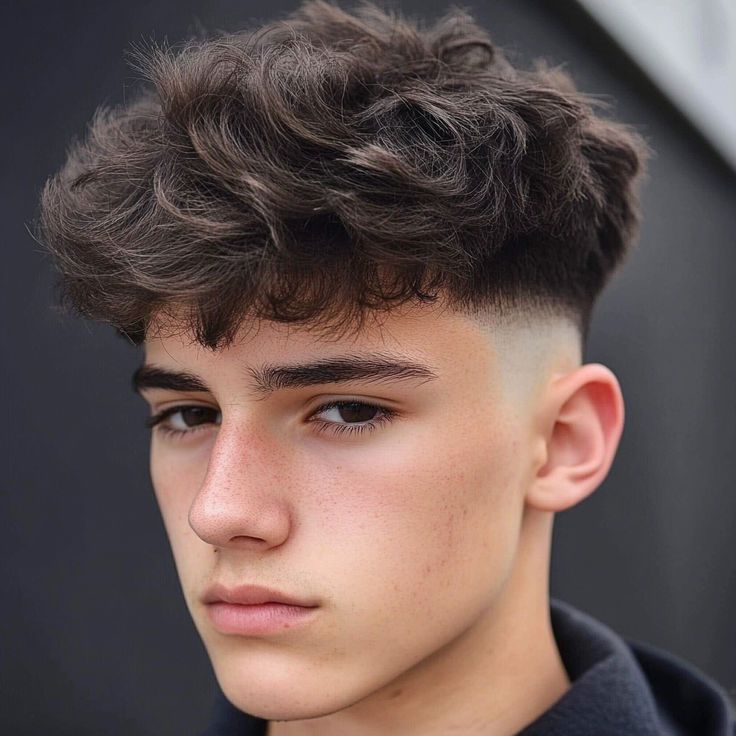
So, what is a low taper fade haircut? A low taper fade is a men’s haircut where the hair gradually decreases in length starting just above the ear and the neckline, blending from longer hair on top to shorter or skin-close hair at the bottom perimeter. The fade begins low — typically at or just above the natural hairline — distinguishing it from mid and high fades which start higher on the head.
Read on and I’ll break down all 17 styles, explain exactly what guard numbers and terms to use at your next appointment, show you a full comparison table, and walk you through the maintenance routine that keeps a low taper fade looking crisp for weeks.
What Makes the Low Taper Fade Different From Other Fades?
Before diving into styles, I want to clear up something that confuses a lot of guys. The word “taper” and “fade” are often used interchangeably — but they’re not the same thing.
- Taper: The gradual shortening of hair length from top to sides/back. All fades are tapers, but not all tapers are fades.
- Fade: A taper that blends all the way down to the skin (or very close to it).
- Low: Refers to where the fade starts — in this case, at the very bottom of the sides, near the natural hairline.
A low taper fade starts close to the ear and neckline and transitions gradually upward. The high portion of the sides and back retains more length than a mid or high fade. This is what gives the low taper fade its distinctly clean but not aggressive look — it’s polished without being severe.
17 Low Taper Fade Haircut Styles: Full Breakdown
1. The Classic Low Taper Fade
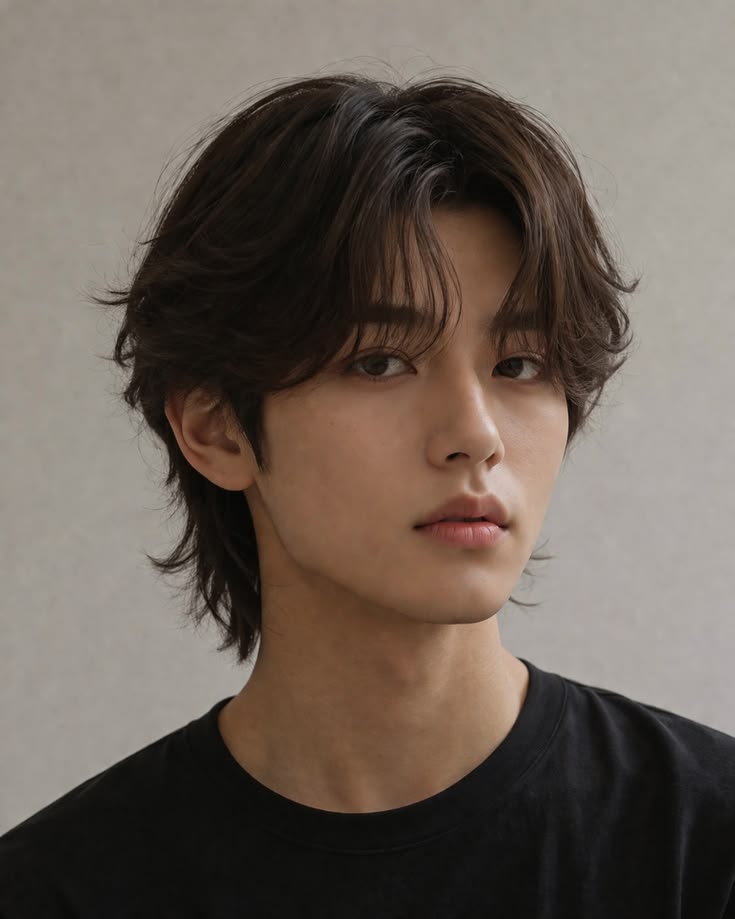
The classic version is exactly what it sounds like — a clean, well-blended low fade on the sides and back, with a moderate length on top that can be styled in any direction. This is the most requested fade variation at barbershops worldwide for a reason. It works on every hair type, suits virtually every face shape, and bridges the gap between professional and casual with ease. Ask your barber for a “low skin fade starting at the natural hairline with a blend up to the comb-over length on top.” That one sentence will get you there every time.
2. Low Taper Fade with a Comb-Over

Source: @Instagram
The comb-over and low taper fade are one of the most natural pairings in men’s hair. The top is left long enough (2–4 inches) to sweep to one side, while the low fade on the sides keeps everything clean and modern. The contrast between the full, swept top and the close-cut fade creates exactly the kind of structured-but-relaxed look that works in a boardroom and at a bar on the same day. Use a medium-hold pomade or clay to hold the comb-over in place without making it look stiff or glossy.
3. Low Taper Fade with Textured Top

Source: @Instagram
If your hair has natural texture — waves, curls, or coils — a low taper fade with a textured top is your best friend. The sides and back taper cleanly to the skin while the top is left longer and unstyled or lightly product-defined to show off natural movement. This is especially popular on men with 3a–4c hair textures. The low fade frames the textured top without competing with it. Use a curl cream or lightweight mousse to define the texture, and your barber should leave the top section at least 2.5–3 inches for maximum effect.
4. Low Taper Fade with Waves (360 Waves)

Source: @Instagram
360 waves and a low taper fade are practically a uniform combination for men who wave train. The low fade cleans up the perimeter beautifully without disrupting the wave pattern that extends to the very edges of the scalp. The key for wave guys: make sure your barber understands wave patterns and cuts with — not against — the direction of your waves. A low fade starting right at the hairline preserves the most wave territory while still giving you the crisp, barbered look.
5. Low Taper Fade with Curly Top
This is similar to the textured top but specifically for men with defined, coily or springy curls. The low fade on the sides creates a clean frame for a naturally voluminous curl top — whether that’s a small fro, defined coils, or loose ringlets. The contrast between the sharp, faded perimeter and the full, rounded curl top creates a strong silhouette that looks confident and well-maintained. This style looks especially sharp immediately after a fresh cut when the edges are at their most precise.
6. Low Taper with Dreads or Locs
Men with dreadlocks or locs don’t have to choose between their locs and a clean, barbered appearance. A low taper fade applied to the sides and back of a loc’d head creates a striking visual contrast — the organic, textured locs on top meet the crisp geometric precision of the fade below. This hybrid look is particularly popular in urban fashion and music scenes. Important: Find a barber specifically experienced with locs, as the technique around the loc roots requires different handling than standard hair cutting.
7. Low Taper Fade with a Line Up
The line up (also called an edge up or shape up) is a straight, clean line cut across the hairline at the forehead, temples, and sometimes the sides. Combined with a low taper fade, the line up adds an extra level of precision and sharpness to the overall cut. Without a line up, a low fade looks clean. With one, it looks razor-sharp. The line up is particularly popular in Black and Latino barbering tradition and is one of the details that separates a good fade from a great one.
8. Low Skin Fade with a Hard Part

Source: @Instagram
The hard part is a straight line shaved into the hair — usually on one side of the head — to create a defined, visible part. On a low taper fade, the hard part adds geometric detail and intentionality to the overall look. It’s a small addition with a big impact. The hard part works especially well on comb-over styles where the part needs visual definition. Ask your barber to use a straight razor or the corner of a trimmer blade for the sharpest hard part possible.
9. Low Taper Fade with Pompadour
The pompadour — hair swept upward and backward from the forehead in a voluminous mound — hits differently when paired with a low taper fade. The faded sides create a clean pedestal for the height of the pompadour to sit on, making the volume up top look even more dramatic by contrast. Use a strong-hold pomade or gel for a slick, classic pompadour or a matte clay for a more textured, modern version. This style suits oval, square, and diamond face shapes particularly well.
10. Low Taper Fade with French Crop
The French crop — a blunt, short fringe across the forehead with textured or choppy lengths on top — is one of the cleanest, most European-influenced pairings for a low taper fade. The overall look is tight, precise, and deliberately understated. It suits men who want a very low-maintenance styling routine — the French crop doesn’t require much product or blow-drying to look intentional. Apply a matte paste and a quick scrunch with your fingers and you’re done. It’s especially flattering on men with strong foreheads.
11. Low Taper Fade for Black Men (Natural Hair)
Natural hair — particularly 4b and 4c textures — responds brilliantly to the low taper fade. The tight coils on top create natural volume and definition, while the faded sides keep the overall shape controlled and intentional. This is one of the most popular haircut combinations at Black barbershops across the world, and for good reason: it honors the natural texture while adding the structure of professional barbering. The key variable here is the top length — from a short TWA (teeny weeny afro) to a fuller afro with a low fade base, the options span a wide range.
12. Low Taper Fade for White Men (Straight or Wavy Hair)
On straight or slightly wavy hair, the low taper fade creates a clean, modern silhouette that works in virtually any professional or social setting. The top can be styled back, to the side, or with a slight quiff depending on the vibe. Men with finer, straighter hair should ask for slightly more weight left on the sides to prevent the fade from looking too dramatic against thin top hair. A medium-length top (2–3 inches) pairs best with a low fade on straight hair — enough length for styling options, not so much that the fade looks disconnected.
13. Low Taper Fade with Mohawk
The mohawk and low fade combination takes the mohawk concept — a strip of hair running front to back along the center of the scalp — and replaces the traditional shaved sides with a blended, faded taper. The result is a more wearable, versatile version of the mohawk that doesn’t require fully shaved sides. It keeps the architectural drama of the mohawk shape while making it office-appropriate (depending on the office). The strip on top can be straight up, styled back, or twisted, depending on texture and preference.
14. Low Taper Fade with Quiff
The quiff sits between a pompadour and a comb-over — the hair at the front is swept slightly upward and forward rather than straight back. On a low taper fade base, the quiff creates a clean, fashion-forward look with a hint of vintage energy. It’s one of the best styles for men with medium-thickness hair, as the quiff shape works with almost any natural texture. Blow-dry the front section upward using a round brush, then finish with a light clay or wax to hold the shape without hardening it.
15. Low Taper Fade with Slicked-Back Hair
Long, slicked-back hair over a low taper fade is the most formal, mature version of this cut. All the hair on top is pushed straight backward — no part, no quiff, no side sweep — and held in place with a medium or strong pomade. The clean low fade provides a sharp base that complements the polished slicked-back top. This reads powerful, deliberate, and unquestionably grown-up. It’s the haircut equivalent of a tailored suit.
16. Low Taper Fade with Twists or Braids
Men who wear two-strand twists, mini twists, or short box braids benefit enormously from a low taper fade on the perimeter. The clean fade frames the twisted or braided top section and keeps the overall look neat rather than overgrown. This is especially popular on men who are transitioning to locs or who maintain a regularly twisted natural style. The fade tells the story of intention — showing that the textured top is a deliberate style choice, not an unmaintained one.
17. Low Taper Fade with Design or Art
Adding a simple design — a lightning bolt, geometric lines, a curved pattern, or initials — into the faded area is a way to make a low taper fade entirely personal and unique. The fade creates the canvas; the design adds the signature. Razor work in the fade area can be done during the initial cut or touched up between full cuts to freshen the look. Keep designs relatively simple for a first attempt — one clean line or geometric shape is more impactful than a cluttered pattern.
Quick Comparison Table: 17 Low Taper Fade Haircut Styles
Find Your Best Style at a Glance
| Style | Top Length | Hair Type | Face Shape | Maintenance | Professional? |
|---|---|---|---|---|---|
| Classic Low Taper | 2–3 inches | All types | All shapes | Every 3–4 weeks | Yes |
| Comb-Over | 2–4 inches | Straight/Wavy | Oval, Square | Every 3–4 weeks | Yes |
| Textured Top | 2.5–3 inches | Curly/Coily | Round, Oval | Every 3–4 weeks | Yes |
| 360 Waves | 0.5–1 inch | Coily | All shapes | Every 2–3 weeks | Yes |
| Curly Top | 2–4 inches | Curly/Coily | Oval, Round | Every 3–4 weeks | Yes |
| Dreads/Locs | Varies | Loc’d hair | All shapes | Every 4–6 weeks | Context-dependent |
| Line Up | 2–3 inches | All types | Square, Oval | Every 2–3 weeks | Yes |
| Hard Part | 2–3 inches | Straight/Wavy | Oval, Square | Every 3–4 weeks | Yes |
| Pompadour | 3–5 inches | All types | Oval, Diamond | Every 3–4 weeks | Yes |
| French Crop | 1.5–2.5 inches | All types | Strong forehead | Every 3–4 weeks | Yes |
| Natural Hair (Black) | 1–4 inches | 4a–4c | All shapes | Every 2–4 weeks | Yes |
| Straight Hair (White) | 2–3 inches | Straight | Oval, Square | Every 3–4 weeks | Yes |
| Mohawk Fade | 2–4 inches (center) | All types | Oval, Long | Every 3–4 weeks | Context-dependent |
| Quiff | 2.5–4 inches | Medium | Oval, Square | Every 3–4 weeks | Yes |
| Slicked-Back | 3–5 inches | Thick/Straight | Square, Oval | Every 3–4 weeks | Yes |
| Twists/Braids | 1.5–3 inches | Coily | All shapes | Every 3–4 weeks | Yes |
| Design/Art Fade | 2–3 inches | All types | All shapes | Every 2–3 weeks | Context-dependent |
What to Tell Your Barber: Exact Language That Works
This section is something most articles completely skip. Here’s exactly what to say:
For a basic low taper fade: “I want a low skin fade — start the fade right at the natural hairline, blend up to about a 2 guard on the sides, and leave the top at [X inches] for styling.”
For a low fade with line up: “Low skin fade with a hard line up at the forehead and temples using a straight razor.”
Guard numbers explained:
- 0 (skin): Closest to the skin — used at the very bottom of a skin fade
- 0.5: Barely visible stubble
- 1: Very short (about 1/8 inch)
- 1.5: Short but visible
- 2: About 1/4 inch — common for mid-fade transition point
- 3: About 3/8 inch — common for low fade transition point
- 4 and above: Where most low fades blend into the top
Common Mistakes and How to Avoid Them
1. Confusing Low, Mid, and High Fades Men often ask for a “fade” without specifying the height, and the barber defaults to whatever they prefer. Be specific: “low fade starting at the hairline” vs “mid fade starting at the temple” are very different results. Know what you want before you sit down.
2. Not Communicating How Often You Can Come Back The sharper and more skin-close your fade, the faster it grows out and looks untidy. A skin fade looks best 1–2 weeks after the cut. If you can only make it to the barber every 5–6 weeks, ask for a slightly longer, less aggressive fade that grows out more gracefully.
3. Over-Styling the Top After a Fresh Fade Heavy product on the top the same day as a fresh fade draws attention to the lines and can make the blend look harsher than it is. Give the cut a day before heavy product styling — let the fresh work speak for itself.
4. Letting the Neckline Go Unmanaged Between Cuts The neckline is where a fade deteriorates fastest. Invest in a quality trimmer and clean your own neckline once a week between barber visits. This single habit dramatically extends how long your low fade looks sharp.
5. Picking the Wrong Top Style for Your Hair Texture A pompadour on very fine, thin hair won’t have the volume to look balanced over a fade. A slicked-back style on very coarse, thick hair might need strong product to stay flat. Match the top style to your actual hair texture — not just the reference photo you saved.
Similar Variations Worth Knowing
- Mid Taper Fade — The fade begins at the temple rather than the hairline; more coverage removed from the sides than a low fade
- High Taper Fade — Starts at or above the temples; very little length left on the sides; creates a dramatic disconnected look
- Skin Fade (Bald Fade) — All versions of the fade that blend completely to the skin at the bottom; low, mid, and high are all subtypes
- Taper Without Fade — A gradual length reduction on the sides that stops short of the skin; softer and more conservative than a fade
- Drop Fade — The fade line drops down behind the ear, creating a curved shape instead of a straight horizontal line; more dramatic in profile view
Hair Care Tips for the Low Taper Fade Haircut
Keeping the Fade Sharp Between Visits
- Weekly neckline cleanup: Use a trimmer with a 0 or 0.5 guard to clean your own neckline every 7–10 days
- Edge refreshing: A small detailing trimmer or razor can maintain your line up between full cuts
- Book your next appointment before leaving: Most low taper fades look their best at the 2–3 week mark and start to lose definition by week 5–6
Scalp and Skin Care for Faded Areas
- The skin-close faded areas are exposed to sun, wind, and friction more than the rest of your scalp
- Apply a lightweight, unscented moisturizer or scalp oil to the faded areas weekly to prevent dry, flaky skin
- Use SPF on the exposed skin in summer months — this is almost universally overlooked and genuinely matters for men with very short fades
Top Hair Maintenance
- Use products appropriate to your hair type: matte clay for thick/coarse hair, light pomade for medium hair, volumizing mousse for fine hair
- Avoid heavy, greasy products on fine hair — they weigh the top down and make the fade look disconnected
- Wash hair 2–3 times per week maximum; daily washing strips natural oils and makes hair harder to style
Outro
The low taper fade haircut is one of the most adaptable, universally flattering, and enduringly popular cuts in men’s barbering — and now you have 17 specific ways to make it your own. Whether you want the clean professional energy of a classic comb-over fade, the bold contrast of a pompadour, or the cultural depth of a 360 waves setup, the low fade is the foundation that makes all of it work.
Remember: communicate clearly with your barber, know your face shape, match your top style to your natural texture, and maintain that neckline between visits. Do those things and your low taper fade haircut will look sharp every single week.