15 African American Hairstyles That Are Turning Heads in 2026
Ever scroll through Instagram and wonder, “How do Black women make every single hairstyle look like a work of art?” I’ve spent years obsessing over African American hairstyles — studying them, trying them, and yes, failing spectacularly at a few braiding attempts along the way. But that journey gave me something valuable: a deep understanding of what these styles actually are, how they work, and what makes them so special.
So what are the most iconic African American hairstyles? African American hairstyles include a diverse range of protective, natural, and styled looks such as box braids, cornrows, Bantu knots, locs, twist-outs, and silk presses, among others. Most of these styles celebrate natural 4A, 4B, and 4C hair textures and often serve dual purposes: stunning aesthetics and protective care that reduces breakage and retains moisture.
In this article, I’m walking you through 15 standout African American hairstyles — complete with styling tips, common mistakes to avoid, hair care advice specific to each look, and a detailed comparison table so you can pick the right style for your hair type and lifestyle. Trust me, by the end of this, you’ll feel fully equipped to rock any one of these looks with total confidence.
What Makes African American Hairstyles Unique?
Before we dive into the list, let’s talk about why these hairstyles carry so much cultural weight. African American hair — particularly types 3C through 4C — has a coily, kinky, or tightly curled texture that is structurally different from straighter hair types. The curls create natural volume and versatility, but also require intentional moisture retention. That’s why many iconic styles in this community are “protective styles” — they tuck away the ends of the hair and minimize daily manipulation, promoting length retention and healthy hair growth.
These hairstyles aren’t just fashion. Many have roots in African traditions stretching back centuries. Cornrows, for instance, were used by African women to map escape routes during slavery. Locs have spiritual significance in Rastafari culture and beyond. When you wear these styles, you carry history with you.
15 African American Hairstyles to Try Right Now
1. Box Braids
Box braids are arguably the most recognized protective style in the African American natural hair community. The style involves sectioning the hair into neat, square-shaped parts (“boxes”) and braiding extensions or natural hair from root to tip into long, uniform braids. They can be shoulder-length or waist-length, thin or chunky, and are worn loose or styled into buns, ponytails, or half-up half-down looks.
What makes box braids a go-to is their incredible versatility. You can keep them in for 6–8 weeks with proper care, making them ideal for low-manipulation periods. They protect your natural hair from the elements, reduce daily styling time to nearly zero, and look consistently polished. Whether you’re heading to a board meeting or a beach vacation, box braids make a statement without requiring any extra effort from you in the morning. A great transitional style that bridges natural hair care and everyday convenience.
2. Cornrows
Cornrows are one of the oldest African American hairstyles known to exist — and they’re having a major fashion moment right now. This style involves braiding hair flat against the scalp in continuous, raised rows. They can be styled in straight lines, curved patterns, geometric designs, or intricate artistic layouts that double as head art.
Modern cornrows are far more elaborate than the basic straight-back styles. Feed-in cornrows (where extension hair is gradually added) create a seamless, fuller look. You can add beads, cuffs, or cowrie shells for cultural flair. They’re also a great base for more complex styles like cornrow updos or cornrow-to-bun combinations. Because the hair is tightly braided to the scalp, they protect your edges — which is critically important, since edge loss is one of the most common hair damage issues in the Black hair community. The transition from one cornrow look to the next is seamless; just take them down, deep condition, and start fresh.
3. Bantu Knots

Source: @Instagram
Bantu knots are small, coiled knots that sit close to the scalp and are created by twisting sections of hair and wrapping them around themselves. Originating from the Bantu-speaking peoples of sub-Saharan Africa, these knots are both a gorgeous stand-alone style and a tried-and-true method for creating a “Bantu knot-out” — defined, spiral curls that emerge once the knots are undone.
The dual-purpose nature of Bantu knots is what makes them so smart. Wear the knots as a style for 1–3 days, then unravel them to reveal bouncy, defined curls that can last another 3–4 days. They work best on natural hair that’s been detangled, moisturized, and slightly damp. The key is twisting tightly and securing each knot with a bobby pin or simply tucking the end under. A style that genuinely gives you two looks for the price of one preparation session.
4. Locs (Dreadlocks)
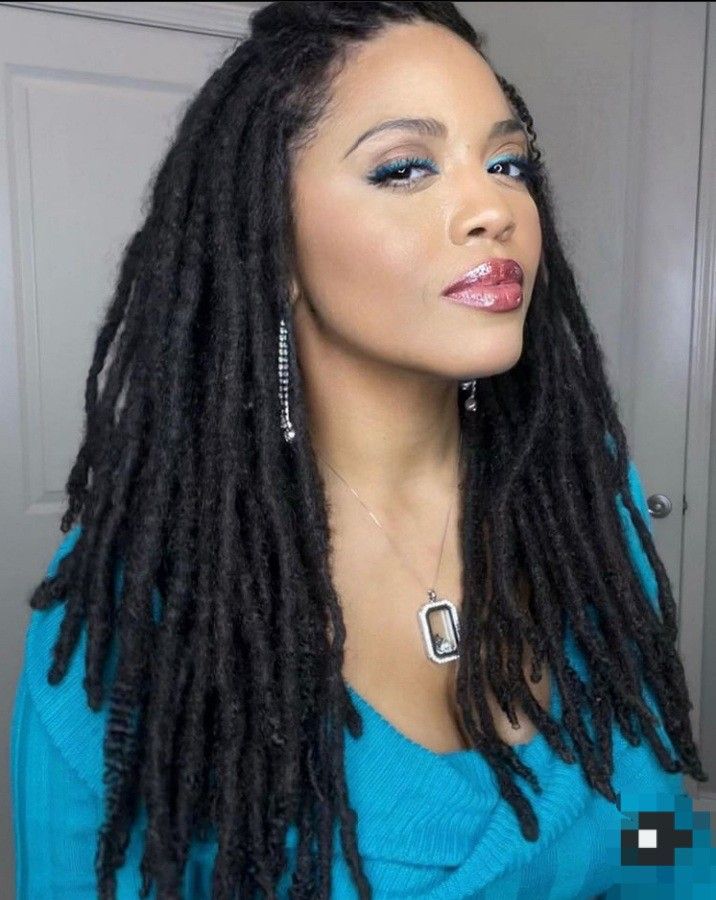
Locs — also called dreadlocks or simply dreads — are sections of hair that have been allowed to naturally mat and lock together over time, or have been cultivated through methods like palm rolling, interlocking, or the “freeform” technique. They range from starter locs (thin, not yet fully locked) to mature, thick locs that can reach extraordinary lengths.
What competitors rarely mention: locs are a commitment, not just a style. The locking process can take 6 months to over a year depending on your hair type and technique. But once mature, locs are incredibly low-maintenance and hold immense cultural and spiritual meaning for many wearers. Sisterlocks — a trademarked technique using a special tool to create very fine, uniform locs — are a popular alternative for those who want a more refined look. Maintaining locs involves regular retwisting at the roots, scalp oiling, and periodic deep conditioning to prevent dryness and buildup.
5. Twist-Out Styles
The twist-out is one of the most beloved natural hair styling methods. You start by two-strand twisting damp, product-coated hair, letting it dry fully (either overnight or under a hooded dryer), then unraveling each twist to reveal beautifully defined, separated curls. The result is a cloud of bouncy texture that looks effortlessly done.
The magic of a twist-out is in the products and the patience. Using the LOC method (Liquid, Oil, Cream) before twisting — moisturizing with water, sealing with a light oil, and then applying a curl cream — produces the most defined and long-lasting results. A twist-out can last 3–5 days with proper pineappling (gathering hair loosely on top at night) and silk bonnet protection. It’s the perfect introduction to no-heat styling for those transitioning from relaxed to natural hair, giving you gorgeous texture without any damage.
6. Afro
Source: @Instagram
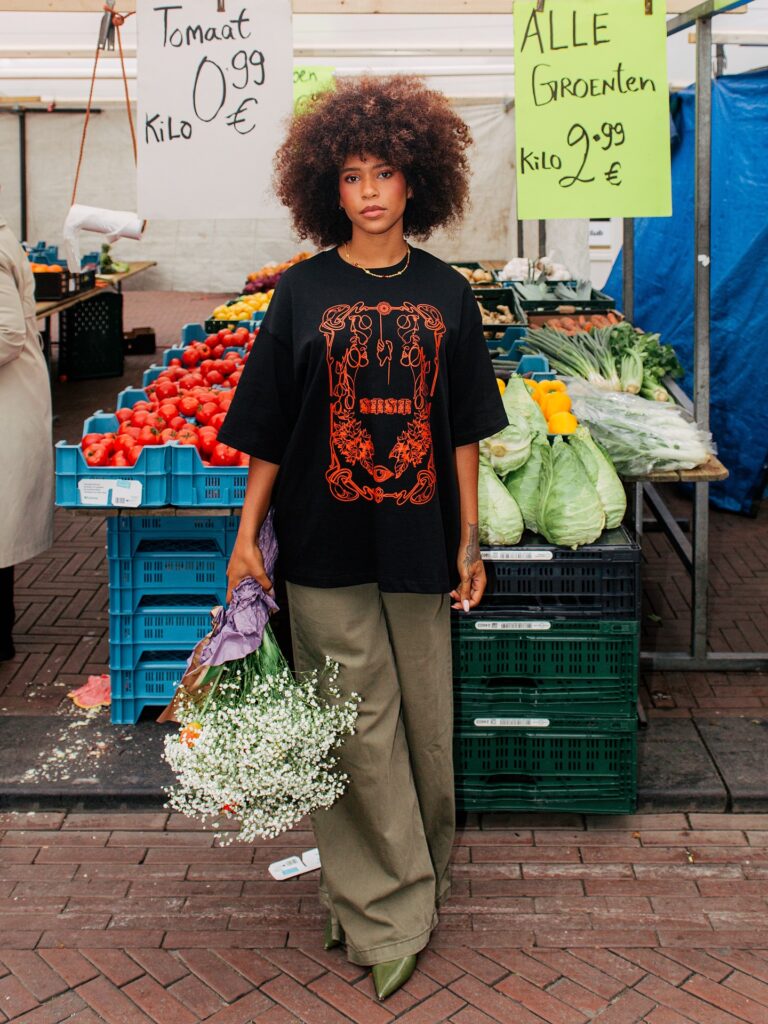
The Afro is more than a hairstyle. It’s a cultural symbol of Black pride that rose to global prominence during the Civil Rights Movement and has never truly gone out of style. A natural Afro celebrates the full, rounded shape of 4C hair allowed to expand and shrink without heat or chemical alteration.
Achieving a defined, round Afro requires a pick (or Afro comb), moisture, and patience. Using a hydrating leave-in conditioner, sealing with a light oil, then gently picking the hair out from root to tip creates that iconic round shape. The Afro works on all lengths — even a short TWA (Teeny Weeny Afro) after a big chop is powerful. Styling variations include the puffed Afro, the shaped Afro (trimmed for a perfect sphere), and the Afro puff (gathered into a single rounded ponytail). This style requires very little manipulation and is ideal for 4B and 4C naturals who want to let their hair speak for itself.
7. Silk Press

Source: @Instagram
The silk press is the modern, heat-styling answer to the relaxer — except it’s temporary, reversible, and doesn’t involve chemicals. A silk press uses a blow-dryer and flat iron to straighten natural hair to a sleek, glossy, bone-straight finish that mimics the look of chemically relaxed hair. Done right, it’s transformative.
The key difference between a silk press and a regular flat iron job is the process: a silk press includes a thorough shampoo, deep conditioning session, heat protectant application, and then careful blow-drying and flat ironing in small sections at the right temperature. The result is shiny, straight hair with movement — not stiff or crispy. A good silk press can last 1–2 weeks with proper wrapping at night. What the competition misses: heat damage is real with this style, and it’s critical to use a heat protectant rated for at least 450°F and avoid exceeding your hair’s heat tolerance, especially for fine 4C strands.
8. Senegalese Twists
Senegalese twists (also called rope twists) are created by wrapping two pieces of hair — typically kanekalon extension hair — around each other in a smooth, rope-like pattern. Unlike box braids, which use a three-strand technique, the two-strand rope method gives Senegalese twists their distinct, sleek texture and slightly shiny finish.
They’re lighter and less bulky than box braids, making them more comfortable for those with sensitive scalps or thinner hair. Senegalese twists can be worn straight down, curled with hot water (by dipping the ends into near-boiling water for a coiled tip), or styled into updos, high buns, and half-up styles. They typically last 4–6 weeks and require the same maintenance as box braids: nighttime wrapping, scalp oiling, and light moisturizing of the natural hair underneath. A particularly popular choice for summer because their lightweight feel reduces scalp sweating compared to thicker styles.
9. Faux Locs
Faux locs give you the look of authentic locs without the long-term commitment of actually locking your hair. They’re created by wrapping extension hair (usually Marley braid hair or dreadlock extension packs) around your natural braided hair to mimic the texture and appearance of real locs.
There are several methods: traditional wrapping, crochet faux locs (where pre-made loc extensions are attached using a crochet hook), and butterfly locs (a newer variation with a wavy, bohemian texture). Faux locs last 4–8 weeks and are one of the heavier protective styles, so it’s important not to make them too long or too many, as excess weight can cause traction on the scalp. They’re also fantastic for those who are “loc curious” — people who want to experience the loc aesthetic before committing to a permanent journey.
10. Halo Braid

Source: @Instagram
The halo braid (also called an angel braid or goddess braid) is a single, continuous braid that circles the head like a crown. It’s an elevated, regal style that looks incredibly complex but is actually accessible with a bit of practice. The braid runs along the hairline all the way around, creating a frame for the face.
The halo braid is a showstopper for weddings, graduation ceremonies, proms, and formal events. It can be done with natural hair only (best for medium-to-long lengths) or with extensions added for fullness. Decorating the braid with gold cuffs, pearls, or floral pins elevates the look further. What most articles skip: this style requires strong, healthy edges to execute cleanly. If your edges are thinning, opt for a looser version or place the braid slightly further from the hairline to reduce tension. The halo braid is a style that transitions gracefully from ceremony to dance floor without losing its shape.
11. Crochet Braids
Crochet braids are a versatile and time-saving protective style where extensions are looped through braided natural hair using a crochet hook. Unlike traditional braiding methods, the installation is much faster (often 1–3 hours versus 6–10 for traditional box braids), making them a popular choice for those who want a stylish look without hours in the salon chair.
The extensions used can vary wildly: curly Afro extensions, wavy Caribbean curls, straight kinky blowout hair, locs, twists, or braids. This means crochet braids can achieve almost any aesthetic — from a natural curly texture that blends seamlessly with 4C hair to a sleek straight look. The natural hair is typically braided into a cornrow base before the extensions are looped in. Crochet styles last 4–8 weeks and can be refreshed by spritzing with water and re-defining curls with your fingers.
12. Flat Twist Updo

Source: @Instagram
The flat twist updo is a stunning natural hair style that lies somewhere between cornrows and a braid-out. Using the two-strand twisting technique but laying it flat against the scalp (similar to how cornrows are done), flat twists can be styled into elaborate updos, curved crown styles, or patterns across the head.
For a classic flat twist updo, the hair is divided into sections, each section flat-twisted from the front toward the back or crown, and then the ends are tucked, pinned, or wrapped into a bun or chignon. It’s a heat-free, manipulation-free style that doubles as a protective option and a polished look for professional or formal settings. The flat twist updo is especially elegant for natural hair that’s between lengths — not quite long enough for a full bun but too long for a TWA style. When accessorized with pearl pins or decorative clips, it becomes genuinely show-stopping.
13. Ghana Braids (Feed-In Braids)

Source: @Instagram
Ghana braids are a style of cornrows that begin very thin and flat at the hairline and gradually increase in size as extension hair is “fed in” as the braid progresses. The result is a fuller, more voluminous braid that appears to emerge seamlessly from the scalp — very different from traditional cornrows, which maintain a uniform thickness throughout.
They can be styled straight back, in curved lines, in zigzag patterns, or in elaborate designs. Ghana braids are particularly kind to the hairline when done properly because the feed-in technique avoids pulling large amounts of extension hair through from the root. They last 2–4 weeks and look sharpest when freshly done, with the scalp moisturized and the edges laid with edge control. These braids are especially popular among athletes and dancers because their close-to-the-scalp design stays secure and neat through intensive movement.
14. High Puff
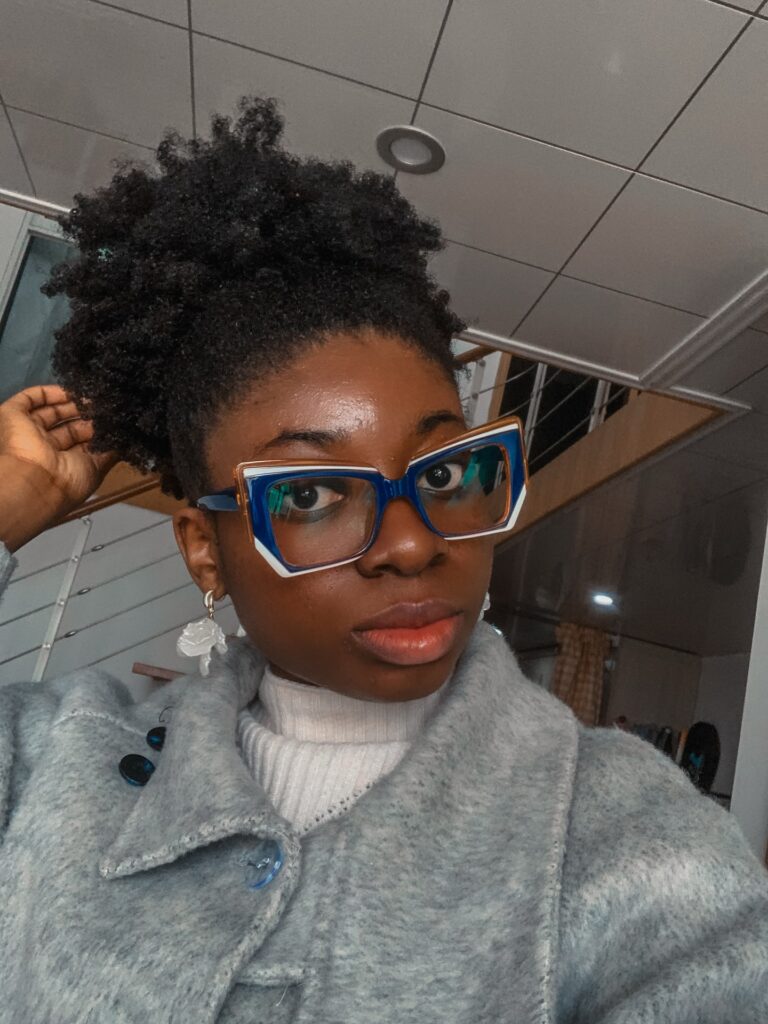
Source: @Instagram
The high puff is the everyday natural hair hero. It’s simply gathering all your hair to the top of your head and allowing the natural curls to spread out in a rounded, full puff shape. Simple in concept, brilliant in execution — because it works on nearly every curl type and length, from 3C to 4C hair.
The high puff requires nothing more than a wide headband, a hair tie, and moisturized hair. The trick to a really full, gorgeous puff is to detangle thoroughly while the hair is wet, apply a leave-in conditioner and curl-defining cream, let it air dry, then gather and secure. Using a satin-lined headband reduces frizz and tension on the edges. The style can be dressed up with a bold headwrap, accessorized with a scarf tied into a bow, or kept clean and sleek for a minimalist look. It’s a style that celebrates natural hair in its most unfiltered, free state.
15. Headwrap Styles

Source: @Instagram
The headwrap — a fabric tied, twisted, or draped around the head — is one of the oldest and most versatile African hair styling traditions. From the gele of West African ceremonies to everyday head ties worn across the African diaspora, headwraps carry deep cultural meaning and also function as an incredibly practical styling tool.
Modern headwrap styles range from a simple folded cloth knotted at the front to elaborate sculptural turban-style creations that require some practice to master. Fabric choice matters: cotton wraps absorb moisture and increase frizz, while silk and satin wraps protect the hair underneath and help retain moisture. Headwraps also function as a protective style — they completely shield the hair from environmental damage while looking intentional and stylish. Pair a headwrap with defined curls peeking out at the nape for a balanced, sophisticated look.
Quick Comparison Table: 15 African American Hairstyles at a Glance
Style Comparison by Hair Type, Duration & Maintenance Level
| Style | Best For Hair Type | Avg. Duration | Maintenance Level | Heat Required? | Good for Beginners? |
|---|---|---|---|---|---|
| Box Braids | 3C–4C | 6–8 weeks | Low | No | Yes |
| Cornrows | 3A–4C | 3–6 weeks | Low | No | With practice |
| Bantu Knots | 4A–4C | 1–3 days (knots) | Medium | No | Yes |
| Locs | 4B–4C | Permanent (6+ months to lock) | Low (once mature) | No | No |
| Twist-Out | 3C–4C | 3–5 days | Medium | No | Yes |
| Afro | 4B–4C | Daily refresh | Low | No | Yes |
| Silk Press | 3B–4C | 1–2 weeks | High | Yes | No |
| Senegalese Twists | 3C–4C | 4–6 weeks | Low | No | With practice |
| Faux Locs | 3C–4C | 4–8 weeks | Low–Medium | No | With help |
| Halo Braid | 3A–4B | 1–2 days | Low | No | No |
| Crochet Braids | 3B–4C | 4–8 weeks | Low | No | With practice |
| Flat Twist Updo | 3C–4C | 2–5 days | Medium | No | Yes |
| Ghana Braids | 3C–4C | 2–4 weeks | Low | No | With help |
| High Puff | 3C–4C | Daily | Low | No | Yes |
| Headwraps | All types | As needed | None | No | Yes |
Common Mistakes and How to Avoid Them
Even the most beautiful styles can go wrong. Here are the mistakes I see most often — and how to steer clear of them.
Braiding too tightly. This is the #1 mistake with any braid or loc-adjacent style. Tension on the scalp — especially the edges — leads to traction alopecia, a form of hair loss that can become permanent. Your scalp should not be in pain after a fresh install. If it hurts, the style is too tight. Speak up to your stylist immediately.
Skipping the deep condition before protective styles. Installing box braids, faux locs, or cornrows on dry, brittle hair is like putting on a cast over an untreated wound. Always deep condition 1–2 days before installation to ensure your natural hair enters the protective style strong and moisturized.
Leaving styles in too long. Every protective style has a recommended wear time for a reason. Leaving braids or twists in past 8 weeks can cause excessive shedding (shed hairs get trapped and can tangle), buildup on the scalp, and matting at the roots that’s very difficult to detangle.
Using too much heat. Silk presses are gorgeous, but repeated high heat on natural hair — especially 4C strands — causes heat damage that can permanently alter your curl pattern. Never use heat above 400°F without a quality heat protectant, and limit heat styling to once a month at most.
Neglecting the scalp during a protective style. Just because your hair is “put away” doesn’t mean your scalp gets a vacation. Scalp health is critical — apply a diluted oil blend (jojoba, peppermint, and tea tree work beautifully) every 5–7 days to keep the scalp moisturized, clean, and stimulated.
Skipping the satin bonnet. Cotton pillowcases absorb moisture from your hair like a sponge. Every night without a satin or silk bonnet is a night of stolen hydration. This one habit change makes a bigger difference than most people realize.
Similar Variations to Explore
If you love these styles, here are some variations and adjacent looks that might catch your eye:
- Passion Twists — Similar to Senegalese twists but with a boho, textured extension hair that gives a more natural, romantic look.
- Knotless Box Braids — A gentler version of traditional box braids where extensions are gradually fed in rather than knotted at the root, dramatically reducing tension.
- Jumbo Box Braids — Thicker, larger braids that install faster and make a bold visual statement.
- Spring Twists — Short, springy, coiled protective twists that mimic the look of natural coils on shorter hair.
- Butterfly Locs — A newer variation of faux locs with a wavy, undone, bohemian texture.
- Micro Braids — Very thin, tiny braids that take hours to install but last months and offer a delicate, intricate look.
- Goddess Braids — Thick, chunky cornrows usually worn in just a few rows that run along the crown of the head.
Hair Care Tips for African American Hairstyles
Great styles start with healthy hair. Here’s what I’ve learned works best for maintaining and growing natural Black hair:
Moisture is everything. Type 4 hair loses moisture faster than any other hair type because the coil pattern makes it harder for natural scalp oils to travel down the hair shaft. Hydrate your hair 2–3 times per week using the LOC or LCO method (Liquid, Cream, Oil or Liquid, Oil, Cream — try both to see which your hair prefers).
Detangle gently, always. Use a wide-tooth comb or your fingers, and always detangle from ends to roots. Detangling while the hair is saturated with conditioner in the shower dramatically reduces breakage.
Protective style, then rest. Give your hair at least 1–2 weeks of “rest” between long-term protective styles. Use this time to clarify the scalp with a gentle sulfate-free shampoo, deep condition, and trim any split ends.
Trim regularly. Many naturals avoid scissors out of fear of losing length, but trimming split ends every 8–12 weeks actually promotes faster, healthier growth by preventing splits from traveling up the shaft.
Protein-moisture balance. If your hair feels mushy, limp, or overly stretchy when wet, it needs protein (a protein treatment like Aphogee or egg mask). If it feels stiff, brittle, and breaks easily, it needs moisture. Understanding this balance is a game-changer.
Protective styling at night. Whether you sleep in a high puff, a loose bun, or with a silk bonnet, protecting your hair at night reduces friction-related breakage significantly. Silk pillowcases are a solid alternative if you don’t want to wear anything on your head.
Diet and hydration. Hair grows from the inside out. Biotin, zinc, iron, and vitamins D and E all contribute to healthy hair growth. Drinking adequate water daily is arguably more important than any product you put on your hair.
Outro
African American hairstyles are a rich, living tapestry of culture, creativity, and self-expression — and this list only scratches the surface of what’s possible with natural Black hair. From the timeless crown of a well-laid cornrow to the free-spirited bounce of a twist-out, every style tells a story worth wearing with pride.
Whether you’re choosing your first protective style or looking to expand your natural hair repertoire, the most important thing is to listen to your hair, keep it healthy, and wear whatever makes you feel most like yourself. The best African American hairstyles aren’t the ones trending on Pinterest — they’re the ones that make you feel unstoppable.