17 80s Mullet Guys Hairstyles That Are Making a Massive Comeback
Ever look at an old yearbook photo from the 1980s and think, “Wait — that actually looks kind of cool”? I do, all the time. And I’m not alone. The 80s mullet for guys has gone from punchline to genuinely trending, and I’m here to break down every version of it so you can rock it with full confidence.
I’ve spent years studying men’s hair trends, tracking what stylists are cutting, and watching how retro styles cycle back. When it comes to 80s men’s hairstyles, the mullet is hands-down the most iconic — and the most misunderstood.
So what exactly is an 80s mullet for guys? The classic 80s men’s mullet is a hairstyle with short or cropped hair on the top and sides, and noticeably longer hair in the back — famously described as “business in the front, party in the back.” In the 1980s, this cut dominated rock music, sports culture, and mainstream pop. Today’s versions range from tight, modern fades to full-volume retro recreations.
Stick around — I’m covering 17 distinct 80s mullet styles for men, a detailed comparison table, the most common mistakes guys make, and essential hair care tips to keep your mullet looking sharp. Let’s go.
What Made the 80s Mullet So Iconic?
Before we get into the looks, it helps to understand why the 80s mullet for guys became such a phenomenon in the first place. The 1980s were a decade obsessed with volume, rebellion, and personality. Hair was a statement. The mullet let men look clean-cut from the front (great for the office, great for parents) while showing their wild side in the back.
Rock legends like David Bowie, Rod Stewart, and Billy Ray Cyrus helped push the style into mainstream territory. Athletes like hockey players wore it with pride — so much so that the mullet became practically the unofficial hairstyle of hockey culture. By the mid-80s, you’d see mullets on everyone from construction workers to pop stars.
Now, decades later, the irony has flipped. What was once mocked in the 90s is now worn proudly — and stylishly — by a new generation of guys who know exactly what they’re doing.
17 80s Mullet Styles for Guys
1. The Classic Kentucky Waterfall

Source: @Instagram
This is the original. Short on top, cropped sides, and long flowing hair in the back — no fade, no frills. The Kentucky Waterfall was the mullet of the everyman in the 80s. Think blue collar cool. The back length typically hits between the shoulder blades, and the top can be slightly feathered or combed back flat. It works best on straight to slightly wavy hair. If you want to honor the original spirit of the 80s mullet, this is your starting point. It suits rounder face shapes particularly well because the length in the back adds the illusion of a longer silhouette. Transition: But if you want something with a bit more edge and structure, the next style is your move.
2. The Feathered Mullet
Source: @uppercutdeluxe
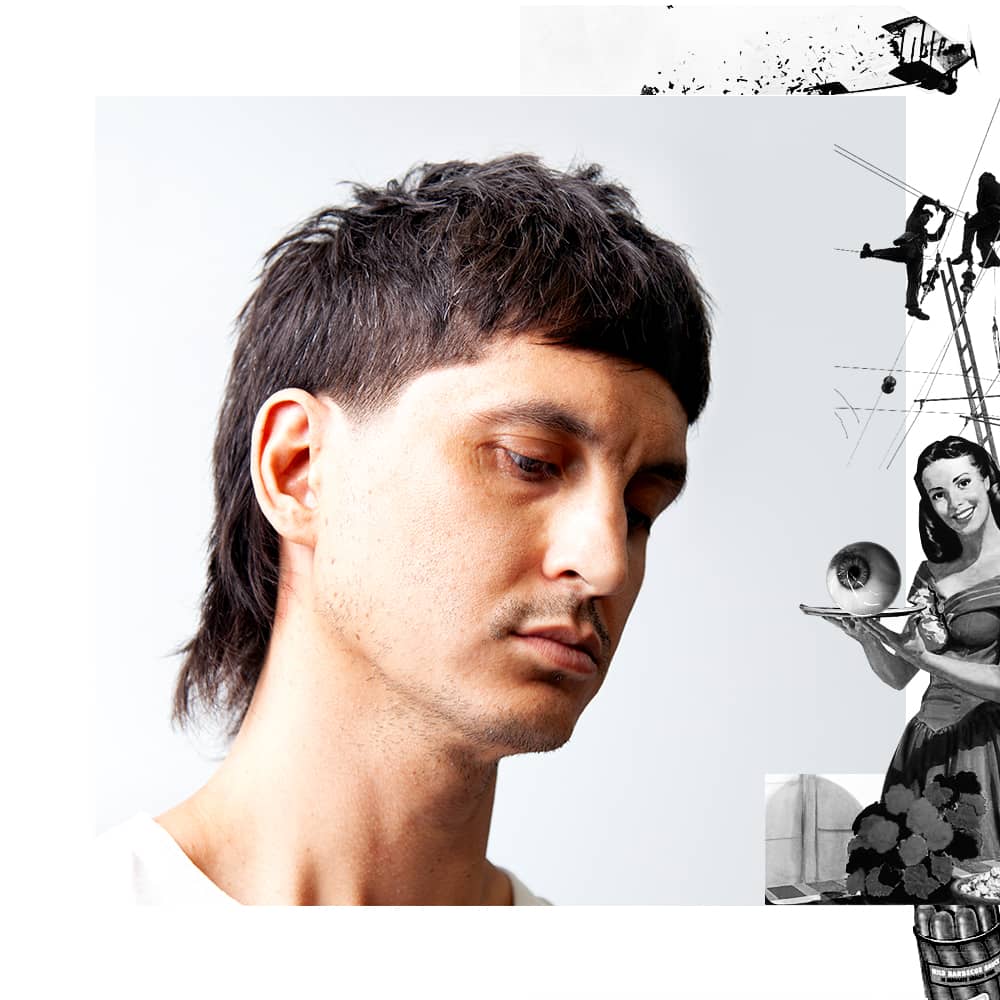
The feathered mullet was the pretty boy version of the classic. Think Jon Bon Jovi in his heyday — wings swept back from a center part, glossy and voluminous. The sides are styled outward and slightly upward, creating that signature “wing” effect. The back is long and layered for movement. This style requires a good blow-dry routine and a round brush to get the volume right. Medium to thick hair types pull this off the best. It’s got a softness to it that the standard mullet lacks, making it wearable at more occasions — even semi-formal ones. Transition: If feathered is a little too polished for your taste, the next option leans harder into rock-and-roll territory.
3. The Rock Star Shaggy Mullet
Source: @Instagram
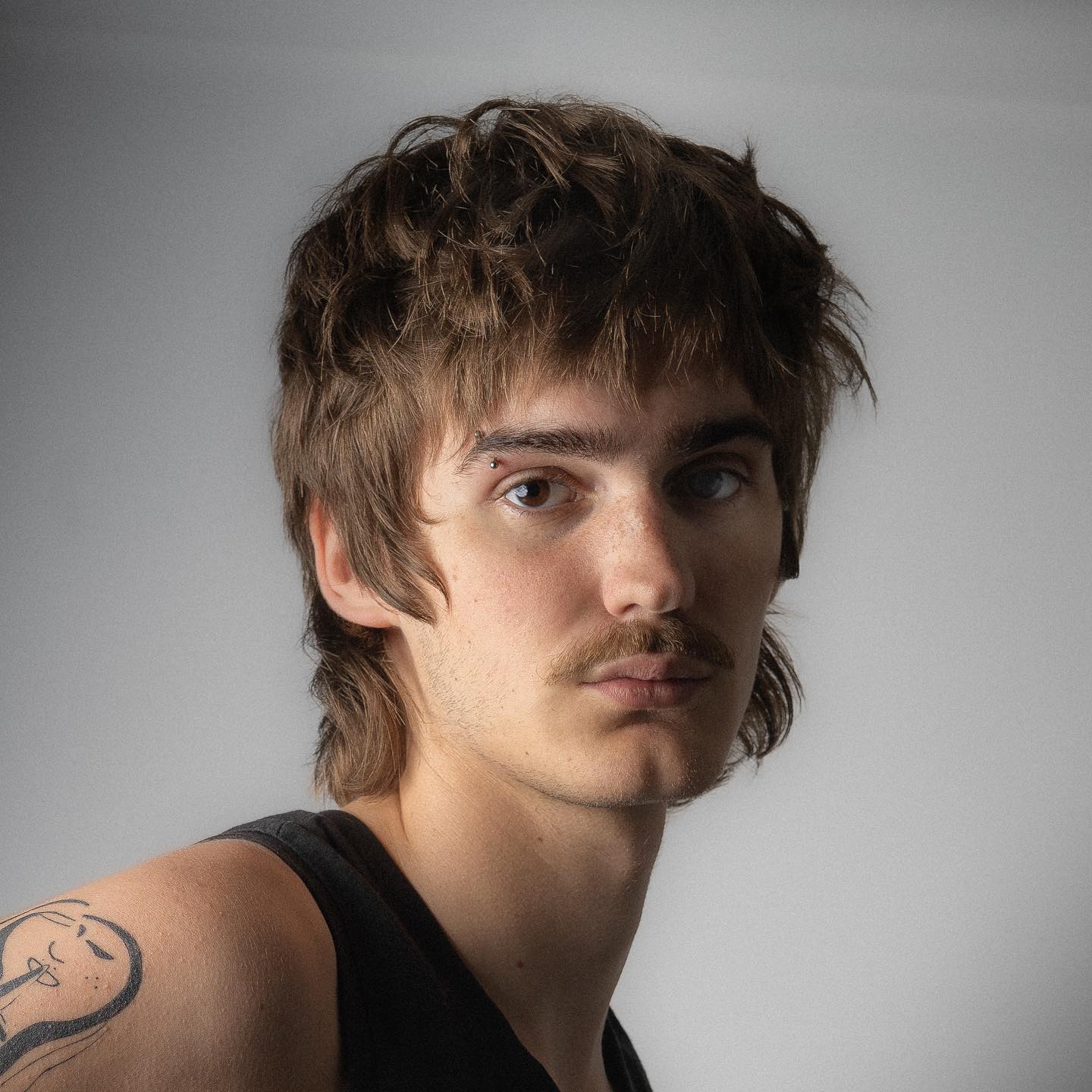
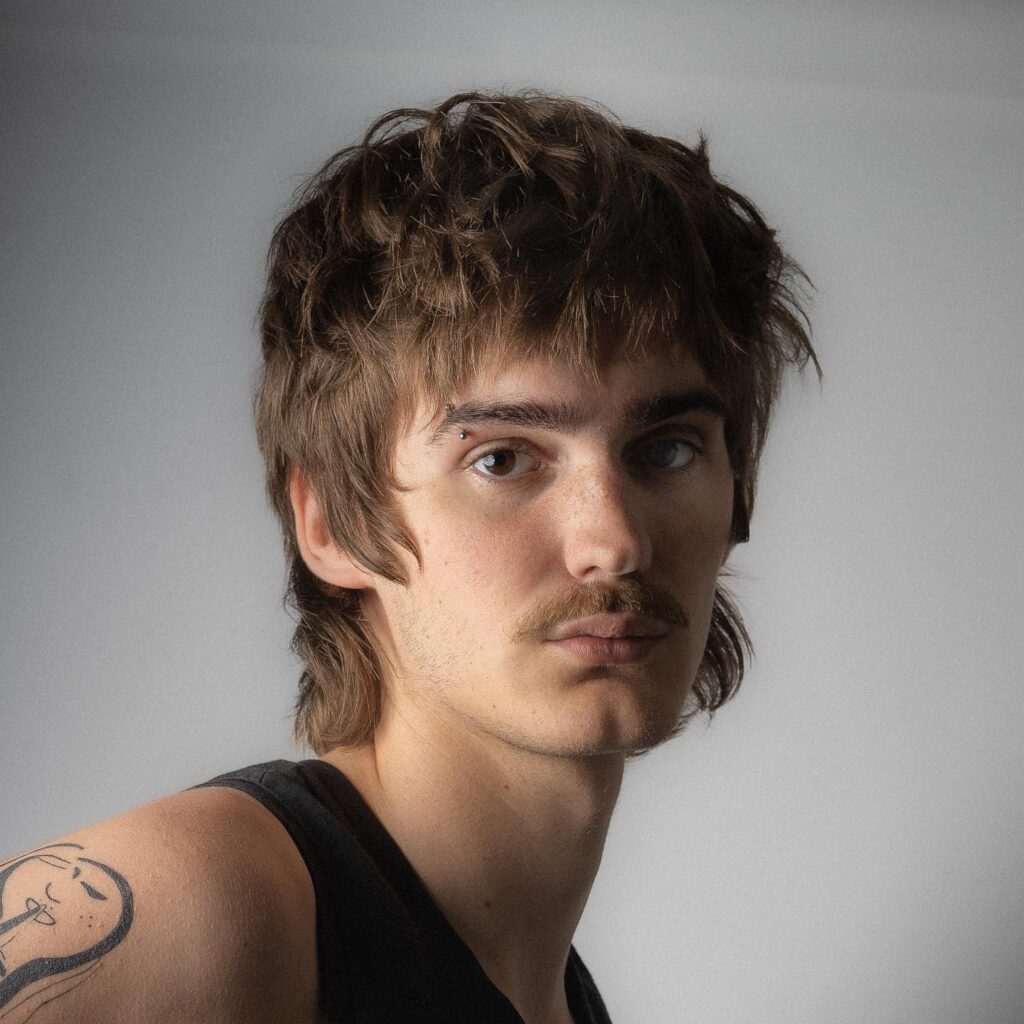
David Bowie, Rod Stewart, Mick Jagger — these guys wore their mullets messy, layered, and unapologetically rock and roll. The shaggy mullet has choppy layers throughout the top and sides, with longer, deliberately untamed strands in the back. There’s texture everywhere. This version actually suits curly and wavy hair beautifully because the natural texture does most of the work for you. You’ll want a texturizing salt spray or sea salt spray to amplify the movement. It reads as effortlessly cool rather than “I’m trying to look retro,” which is exactly why it translates so well to today. Transition: For guys who want volume without the deliberate messiness, the next style delivers big hair in a more controlled way.
4. The Perm Mullet (The Curly 80s Icon)

Source: @Instagram
Perms were massive in the 1980s, and combining a perm with a mullet was absolutely peak decade energy. The perm mullet gives you tight or loose curls throughout — top, sides, and especially the long back section. When done right, this is genuinely striking. The curls add incredible volume and drama. Modern versions use looser body-wave perms rather than the tight spirals of the original era, which makes it look more contemporary. If you have naturally wavy hair, a light perm can enhance what you’ve already got without looking artificial. This is a high-maintenance style, though — curly hair needs moisture-rich products and anti frizz care consistently. Transition: If a perm feels like too much commitment, the next style gives you volume without the chemical process.
5. The Mullet Fade (The Modern 80s Crossover)

Source: @Instagram
Here’s where the 80s mullet meets 2020s barbershop culture. The mullet fade keeps the long back and short top of the classic, but introduces a clean skin fade or taper on the sides — sometimes a high fade, sometimes a mid fade. This is the most popular version of the mullet right now, and for good reason. The fade modernizes the silhouette dramatically. It looks intentional, clean, and clearly styled rather than accidental. It’s the version I’d recommend to anyone trying the mullet for the first time because it gives you an exit ramp — if you love the length in the back, great. If not, your barber can take it down easily. Transition: The fade works beautifully with a beard too, which brings us to the next look.
6. The Mullet with Beard Combo

Source: @Instagram
Few combinations in men’s grooming hit harder than a well-maintained mullet paired with a full beard. The extra facial hair balances the elongated back of the mullet and adds masculinity to the overall silhouette. In the 80s, plenty of rockers and bikers rocked this combination. Today, you see it on tattoo artists, musicians, and anyone who leans into a rugged aesthetic. For the beard specifically, a medium-length full beard or a thick stubble works best — a long, untrimmed beard can compete visually with the mullet’s length. Keep both the beard and the back of the mullet well-conditioned to avoid a scraggly look. Transition: From rugged to refined — the next style shows the mullet can actually look polished.
7. The Slicked Back Mullet
Source: @Instagram
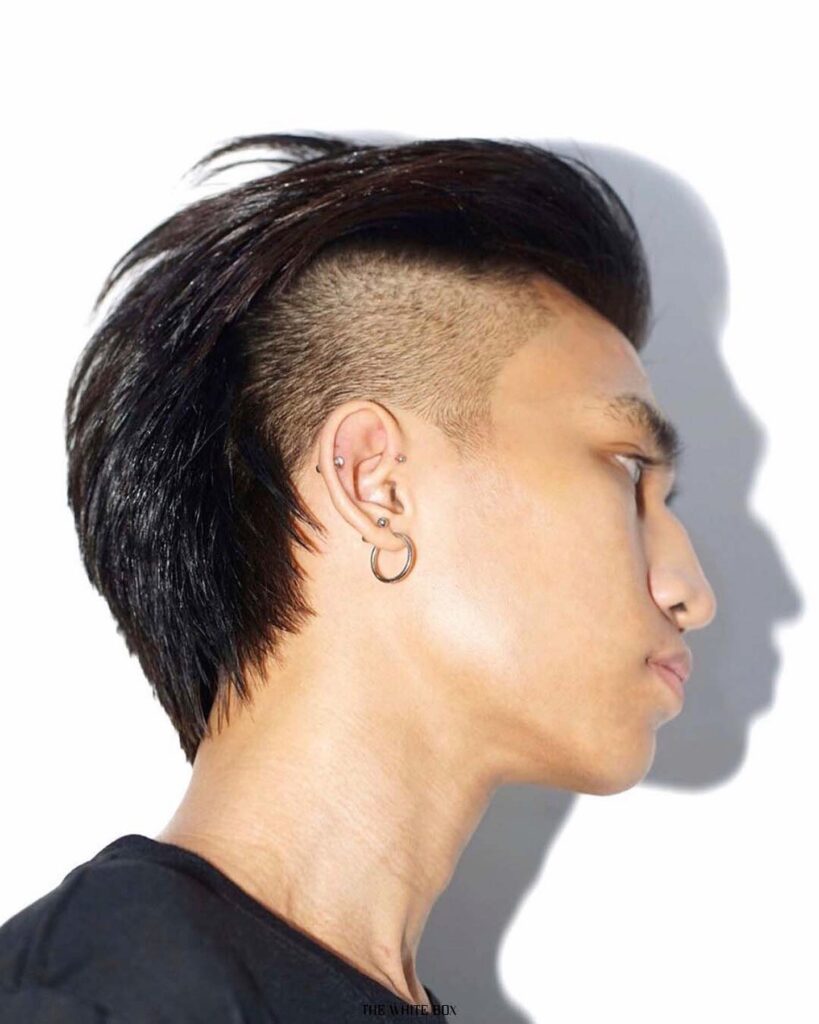
Believe it or not, some guys in the 80s wore the mullet to the office. The mullet was neatly combed, with the top and sides slicked back tight and the back length kept neat and trimmed (usually not past the collar). Think of it as the mullet in its most professional form. Today, this version gets called the “executive mullet” in some barbershop circles. It’s styled with a medium hold pomade or cream, keeping everything sleek and intentional. Paired with a suit or blazer, it actually reads more fashion forward than controversial. This is the version you wear if you want a mullet but still need to show up to client meetings. Transition: If the slicked back look feels too conservative, the next style brings the drama back.
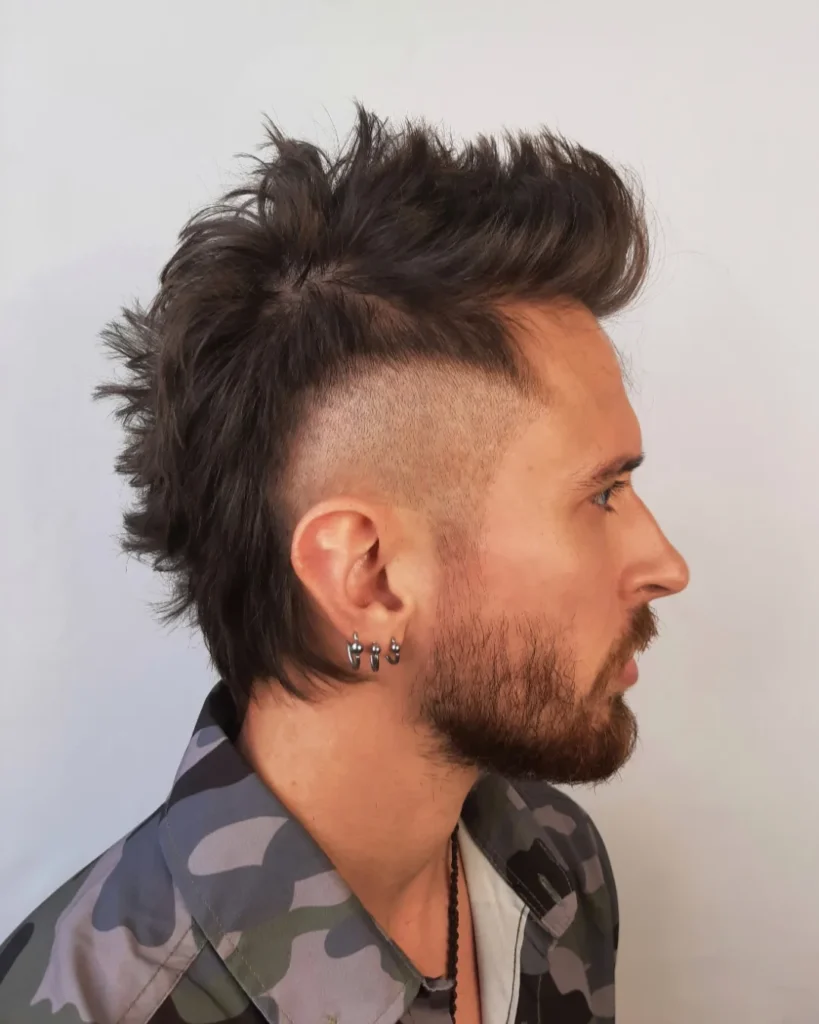
8. The Mohawk Mullet (The Moullet)
Source: @Instagram
This one’s for the bold. The Mohawk Mullet — sometimes called the “moullet” — combines the dramatic center strip of a mohawk on top with the classic long back of a mullet. The sides are shaved or faded very close, the top center strip is styled upward or spiked, and the back is left long and flowing. It’s loud, it’s theatrical, and it demands attention. This was a punk-adjacent style in the 80s, worn by guys who wanted to push the mullet into more aggressive territory. It’s not for the faint-hearted, but if your personality can carry it, it’s genuinely one of the most eye-catching looks in men’s hair. Transition: Want the statement of the moullet but dialed back a notch? The next option is for you.
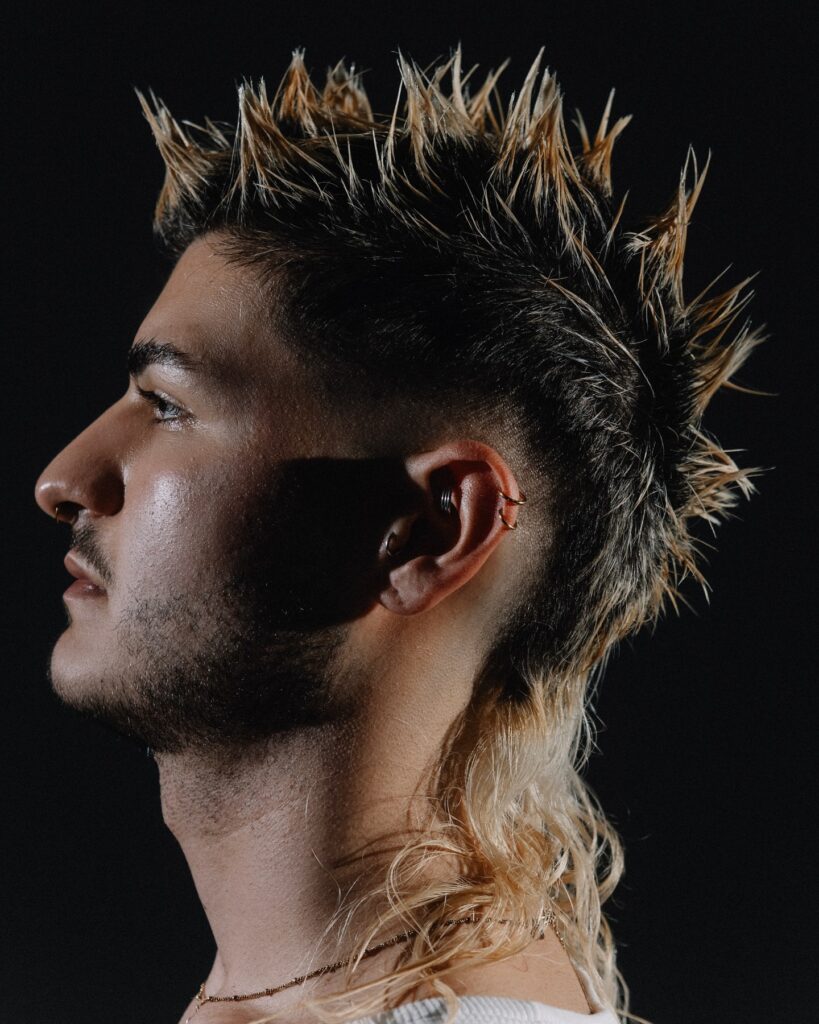
9. The Spiked Mullet
Source: @Instagram
Instead of the smooth, combed back top of a classic mullet, the spiked mullet gives you aggressively spiked hair on the crown, with the signature long back still intact. This was big in the punk and new wave scenes of the 80s. The contrast between the spiky and the flowing back creates a really interesting visual tension. For today’s version, a matte clay or strong-hold fiber gives the spikes a more modern, less crunchy texture than the old school gel look. This style works especially well with a fade on the sides to keep things balanced. Transition: For guys who want texture on top but without the spike, the next style has a softer approach.
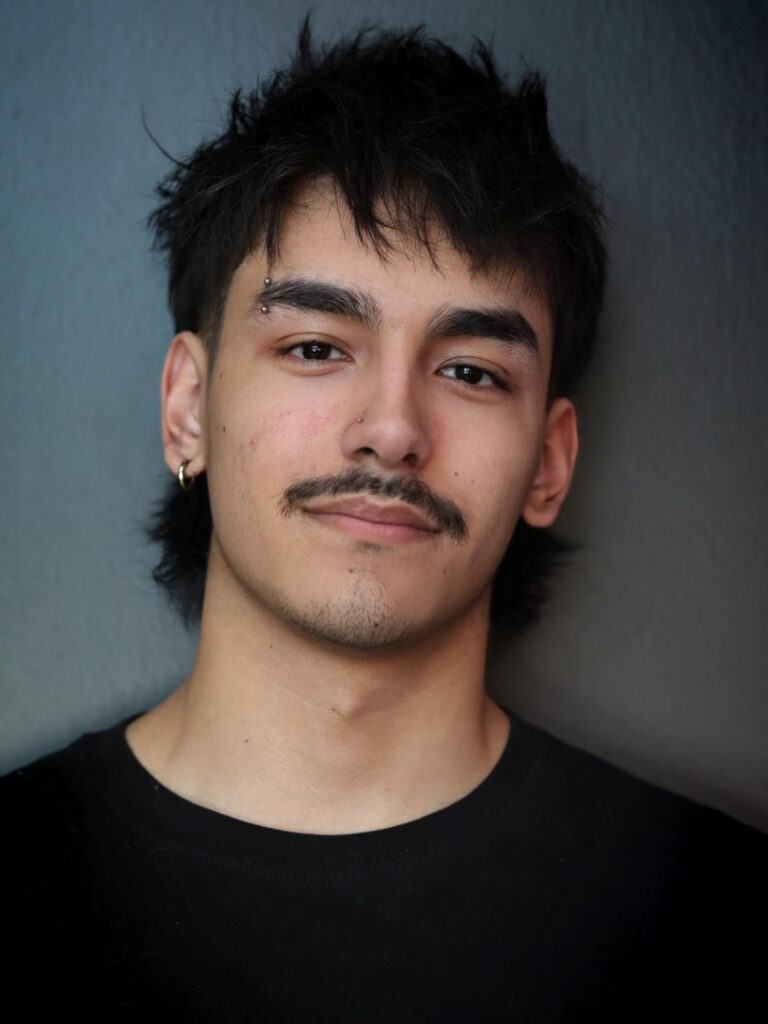
10. The Textured Mullet
Source: @Instagram
This is the cool, low-effort version that looks like you just rolled out of bed — but in a good way. The textured mullet has a slightly disheveled top with casual, natural looking texture, paired with the long back. No helmet hair, no precision styling. You use a small amount of texturizing paste or clay, scrunch it through slightly damp hair, and let it air dry or hit it briefly with a diffuser. It’s the most approachable mullet style on this list, and ironically one of the most stylish because it doesn’t look like you’re trying too hard. Great for oval and oblong face shapes. Transition: Let’s take things to the other extreme — the next mullet style is all about maximum volume.
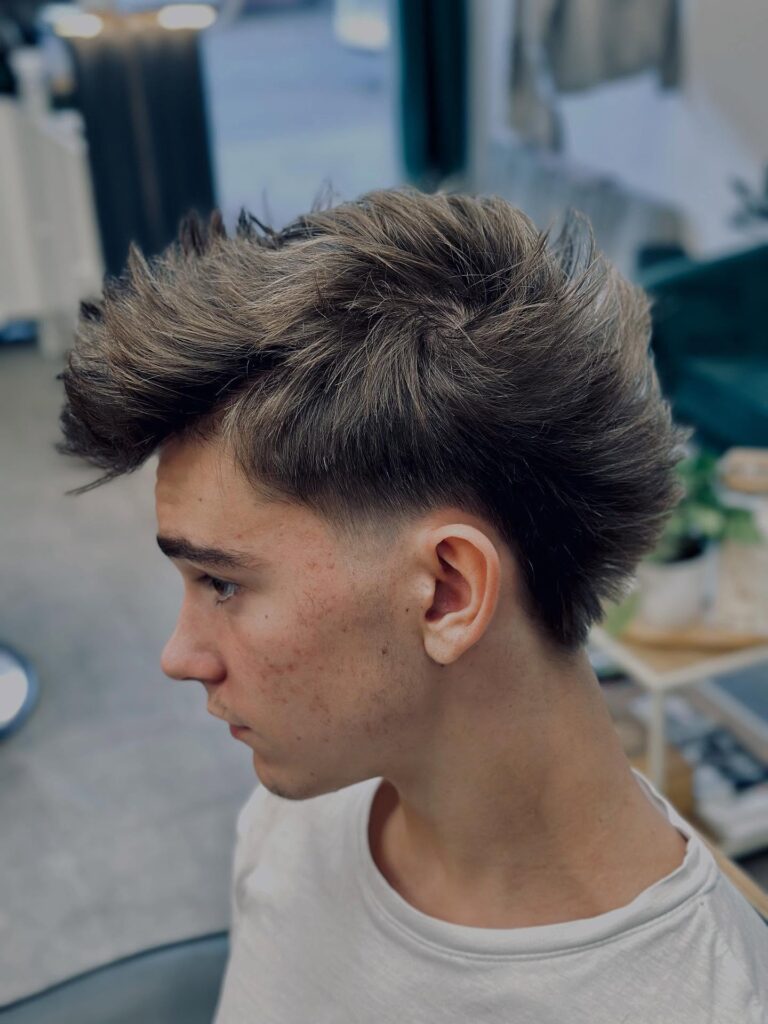
11. The Blowout Mullet
Source: @Instagram
If you watched any 80s music video, you saw this. The blow out mullet is styled with maximum volume on the top and crown — blown back and up with a dryer and round brush — while the back hangs in dramatic, voluminous layers. This is the mullet at its most theatrical and its most authentically “1980s.” To recreate it today, you need a volumizing mousse applied to damp hair, a strong hold hairspray, and a blow dryer with a concentrator nozzle. Apply heat while lifting the roots upward at the crown. It takes effort, but the result is genuinely spectacular for themed events, photo shoots, or just when you want to make an entrance. Transition: Not everyone wants that much maintenance — so the next style keeps the spirit but cuts the effort.
12. The Low Maintenance Natural Mullet

Source: @Instagram
This is the mullet for guys who want the look without the styling routine. The natural mullet leans into your hair’s actual texture — straight, wavy, or loosely curly — without trying to fight it or dramatically alter it. You just let the top and sides grow out short to medium, let the back grow long, and work with whatever texture you’ve got. A small amount of light cream or oil keeps it conditioned and controlled without weighing it down. This version has become surprisingly popular with the eco-grooming crowd — minimal products, minimal heat, maximum personality. Transition: The next style takes a deliberate approach to color, which can completely transform the mullet’s visual impact.
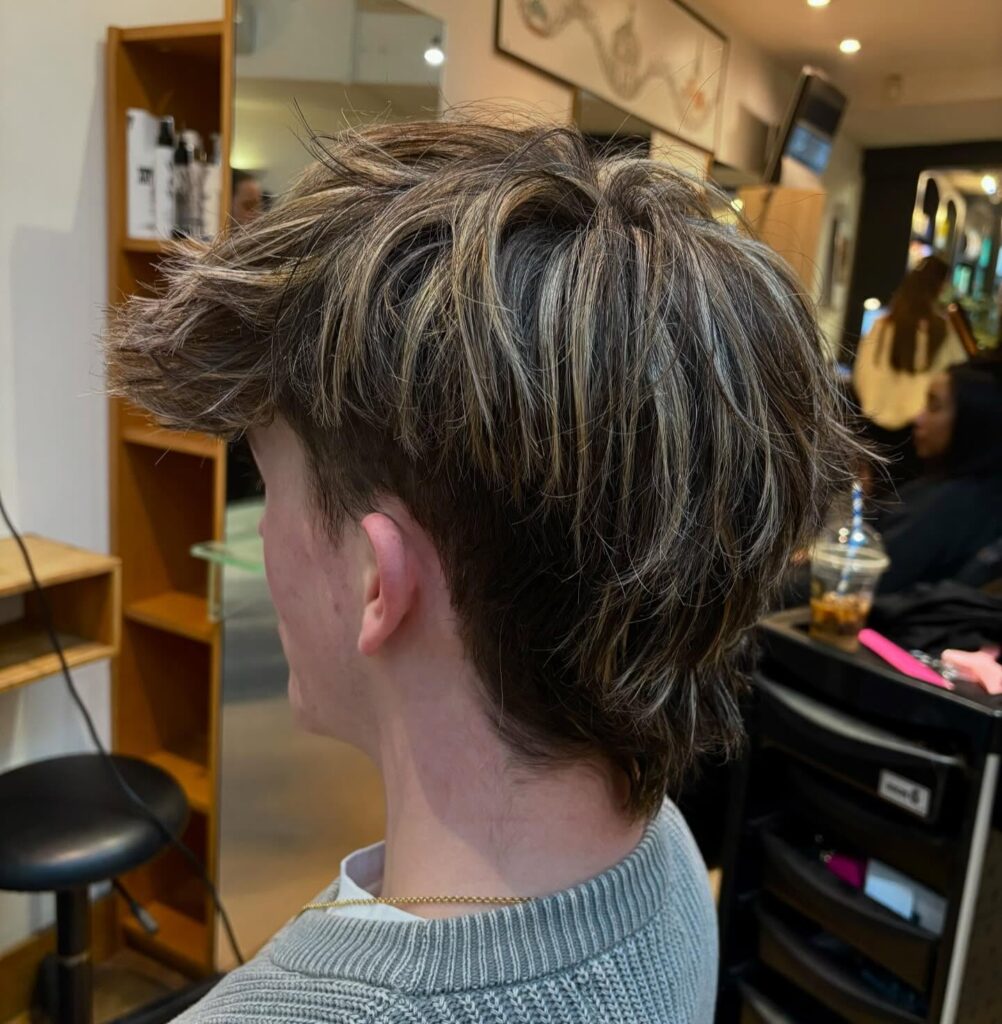
13. The Bleached or Highlighted Mullet
Source: @Instagram
Color was everywhere in the 80s — bleached tips, chunky highlights, bold streaks. The bleached mullet paired platinum blonde or heavily highlighted color with the classic cut, creating a striking look that felt simultaneously rebellious and glamorous. Today, the most popular version is a “money piece” — bright highlights framing the face — combined with bleached or lightened ends in the back. The contrast between darker roots and lighter length looks incredible in motion. If you’re going this route, make sure you’re investing in a quality bond-protecting treatment like Olaplex during the bleaching process. Color-treated hair needs deep conditioning weekly. Transition: From color to cut — the next style is defined by its precision layering.
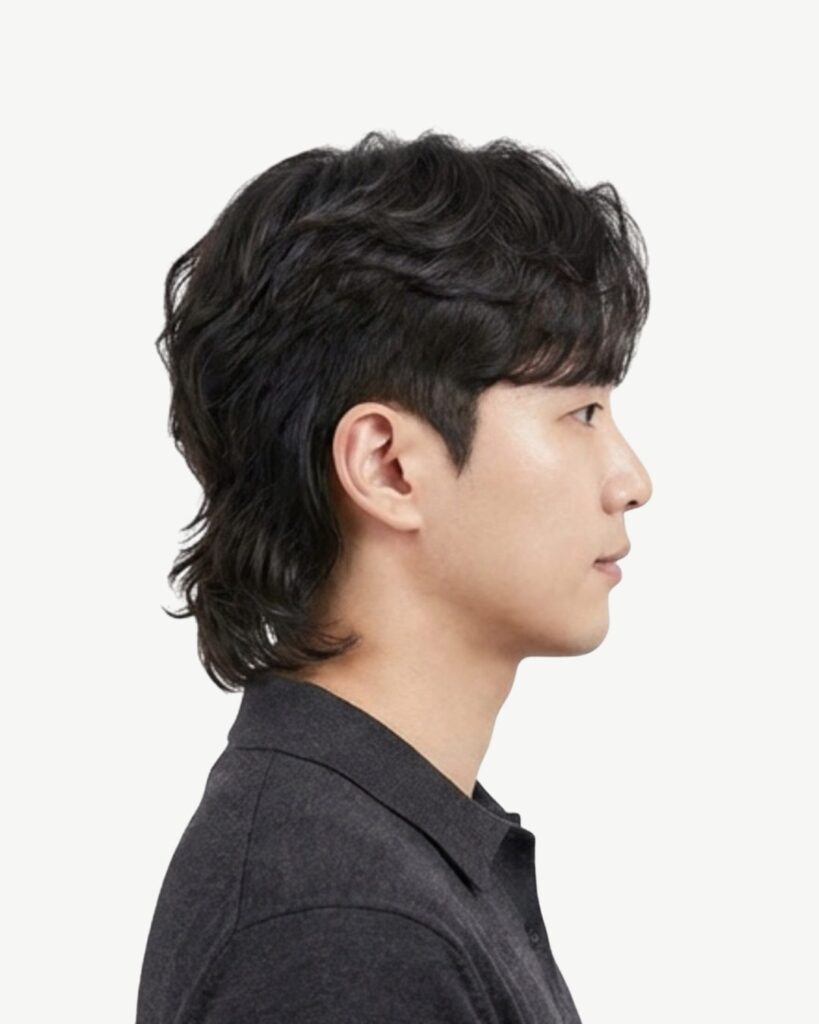
14. The Layered Mullet
Source: @Instagram
Layering is what separates a flat, lifeless mullet from one with real movement and dimension. The layered mullet has intentional layers cut throughout the back section — shorter layers near the crown that gradually lengthen as they fall down the back. This is actually one of the most flattering versions of the mullet because it suits almost every face shape and hair texture. Your stylist will use point cutting or razor techniques to create this effect. Ask specifically for “interior layers” in the back section when you book your appointment. Transition: If you want something that works just as well for formal occasions, the next style has you covered.
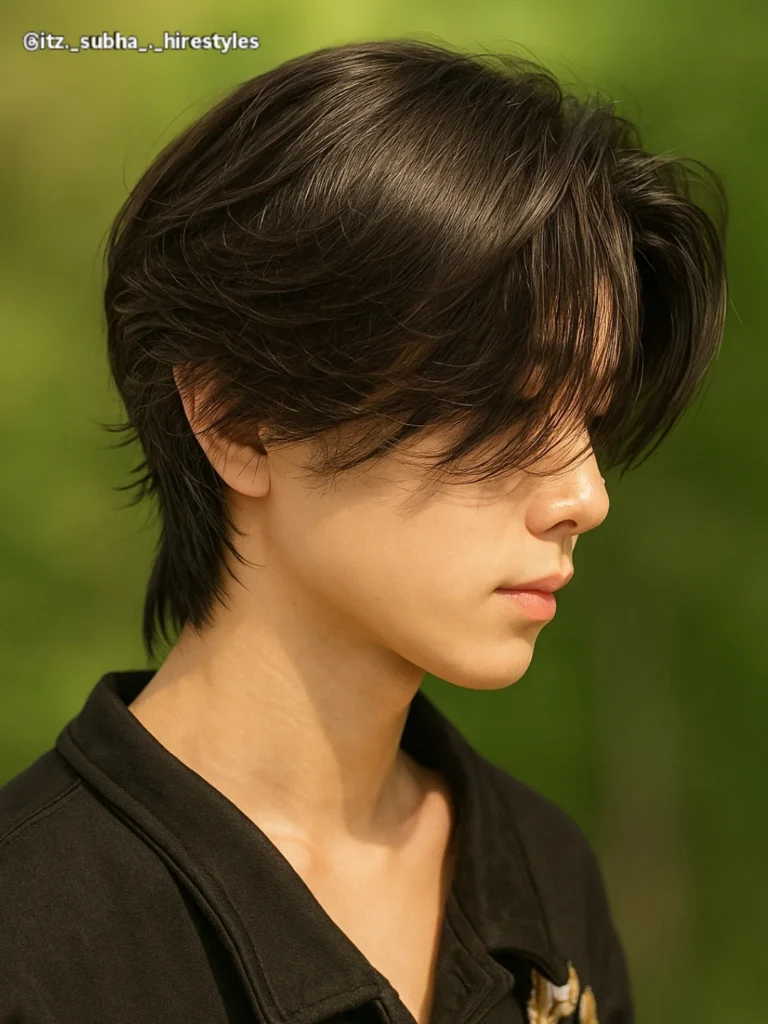
15. The Mullet with Curtain Bangs (The Soft 80s Look)
Source: @Instagram
Curtain bangs — that center-parted, face-framing fringe that falls to either side — were absolutely an 80s thing, and they pair beautifully with a modern interpretation of the mullet. This combination softens the overall look considerably. The curtain bangs add a romantic, slightly 70s-meets-80s quality to the front, while the longer back keeps the mullet energy alive. It’s a surprisingly wearable combination for men with longer face shapes because the bangs add horizontal width at the forehead. Style the bangs with a light serum for a smooth, natural fall. Transition: For those who want something that bridges retro and genuinely contemporary, the next style is the best of both worlds.
16. The Undercut Mullet

Source: @Instagram
The undercut mullet is a direct collision between modern barbershop culture and 80s nostalgia. The sides are cut very short or completely shaved — a true undercut — while the top is left longer, styled back or to the side, and the back maintains the longer mullet length. Visually, it creates a very high-contrast look: clean shaved sides, flowing back. This version has been spotted on runways and in men’s fashion editorials, which tells you everything about where the mullet currently sits in the cultural conversation. It’s bold, it’s architectural, and it looks deliberate rather than nostalgic. Transition: And finally, the most dramatic interpretation of the 80s mullet for guys.
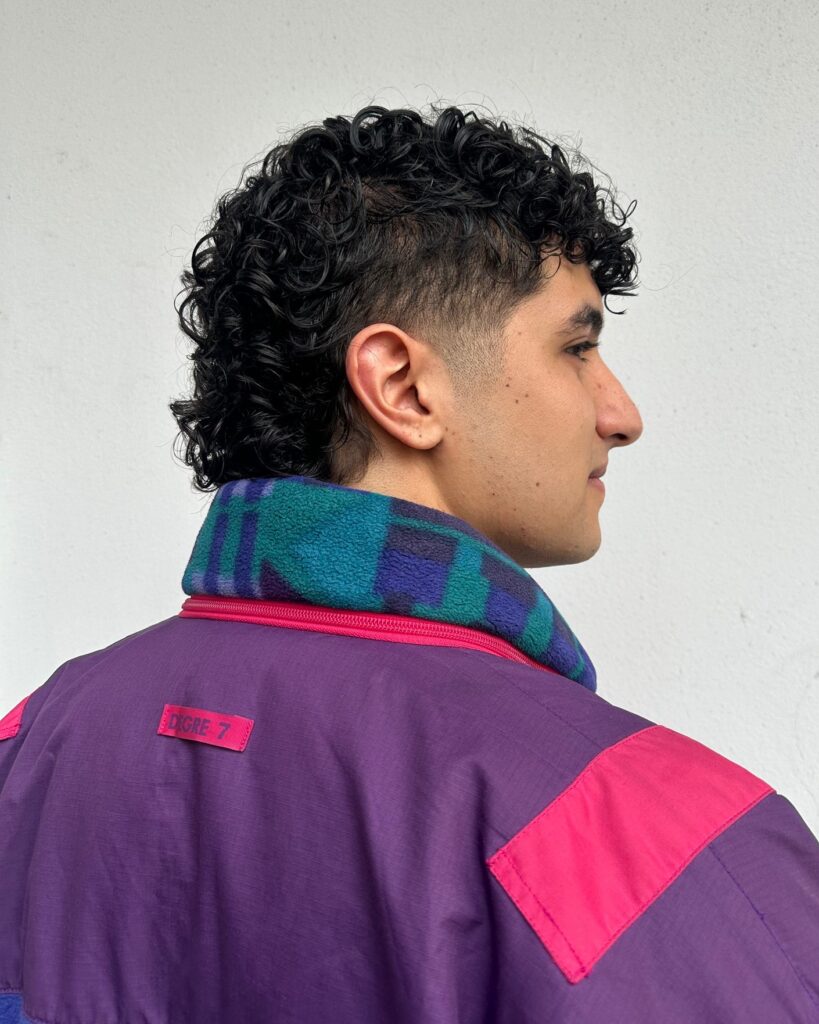
17. The Revival Mullet
Source: @Instagram
This is the whole thing — no modernizing, no compromising. The revival mullet is a complete, faithful recreation of the authentic 1980s look: feathered sides, significant top volume, and back length that reaches the shoulders or beyond. Worn without irony, purely as a style statement. Increasingly, you see this at vintage inspired events, rockabilly shows, and on creative professionals who have the personality and the wardrobe to pull it off completely. To nail this look, work with a stylist who actually understands the original cut — not just someone who’s done “modern mullets.” The construction is different. The layering philosophy is different. Done right, it’s genuinely spectacular. The 80s mullet for guys has never been more legitimately cool than it is right now.
Quick Reference Comparison Table
80s Mullet Styles for Guys: At a Glance
| # | Style Name | Face Shape | Hair Texture | Maintenance | Best For |
|---|---|---|---|---|---|
| 1 | Classic Kentucky Waterfall | Round, Oval | Straight | Low | Authentic retro look |
| 2 | Feathered Mullet | Oval, Heart | Straight, Medium | Medium | Semi-formal occasions |
| 3 | Rock Star Shaggy | All shapes | Wavy, Curly | Low–Medium | Casual, festival |
| 4 | Perm Mullet | Oval, Square | Any (permed) | High | Maximum volume drama |
| 5 | Mullet Fade | All shapes | Straight, Wavy | Medium | First time mullet wearers |
| 6 | Mullet + Beard | Square, Oval | Any | Medium–High | Rugged aesthetic |
| 7 | Sliked back Mullet | Oblong, Oval | Straight | Medium | Professional settings |
| 8 | Mohawk Mullet | Oval, Square | Straight | High | Bold statement |
| 9 | Spiked Mullet | Oval, Round | Straight, Fine | Medium | Punk/New Wave energy |
| 10 | Textured Mullet | Oval, Oblong | Wavy | Low | Effortless everyday wear |
| 11 | Blowout Mullet | All shapes | Straight, Medium | High | Events, photoshoots |
| 12 | Natural Low-Maintenance | All shapes | Any | Very Low | Minimal styling lifestyle |
| 13 | Bleached/Highlighted | Oval, Square | Straight, Wavy | High | Color-forward looks |
| 14 | Layered Mullet | All shapes | Straight, Wavy | Low–Medium | Most flattering option |
| 15 | Curtain Bangs Mullet | Oblong, Long | Straight, Fine | Medium | Soft, romantic aesthetic |
| 16 | Undercut Mullet | Oval, Square | Any | Medium | Fashion forward wearers |
| 17 | Revival Mullet | Oval, Heart | Straight, Medium | High | Committed retro styling |
Common Mistakes Men Make with the 80s Mullet (And How to Avoid Them)
Getting a mullet wrong is genuinely easy. Getting it right requires knowing the pitfalls.
Mistake 1: Not Communicating the Back Length Clearly Most men walk into a barbershop and say “I want a mullet” without specifying how long the back should be. This is how you end up with three inches when you wanted six. Bring reference photos. Be specific: “I want the back to hit here” while pointing to your neck, collar, or shoulder blades.
Mistake 2: Ignoring the Transition Zone The area where the short sides meet the long back is called the “transition zone,” and it needs careful blending. A choppy, abrupt transition looks like a bad accident. A good mullet has a smooth, graduated blend from the shorter sides into the longer back. Ask your barber specifically about this.
Mistake 3: Wrong Products for the Style Heavy gels make mullets look stiff and dated in a bad way. Light clays, texturizing sprays, and flexible hold creams give you movement and shape without the crunch.
Mistake 4: Skipping Regular Trims The back of a mullet grows fast and can quickly look scraggly and unintentional. Plan on trimming the back every 6–8 weeks to keep the length and shape intentional.
Mistake 5: Choosing the Wrong Version for Your Face Shape Not all mullets suit all faces. Men with very round faces should avoid adding width at the sides — a tighter fade or undercut mullet works better. Men with long, narrow faces should avoid styles that add extreme length in the back — the feathered or layered cascade works better for them.
Similar Variations Worth Exploring
If you love the 80s mullet vibe but want to explore related territory, these styles are worth knowing:
- The Shag Haircut — Similar layered, textured quality but without the hard contrast between front and back. More uniform length overall.
- The Wolf Cut — A 2020s hybrid of the shag and the mullet, with heavy curtain-bang framing and lots of layers. Think mullet energy with a softer silhouette.
- The Hockey Flow — Long, flowing hair at the back with a cleaner, shorter top. The mullet’s quieter cousin, beloved in hockey culture.
- The Bro Flow — No dramatic length contrast, just longer all-over hair with natural waves. Lower commitment but similar aesthetic territory.
- The Skullet — A shaved top with long hair only in the back. Extreme, but it exists, and yes, some guys absolutely pull it off.
Hair Care Tips for Your 80s Mullet
Rocking a mullet well comes down to keeping your hair healthy. The longer back section is vulnerable to dryness and breakage if you’re not taking care of it.
Hydration is everything. Long hair dries out faster than short hair, especially at the ends. Use a moisturizing conditioner every single wash, and a deep conditioning hair mask at least once a week. Look for ingredients like shea butter, argan oil, or coconut oil.
Protect from heat. If you’re blow-drying and styling regularly, apply a heat protectant spray on damp hair before any heat tool touches it. This prevents the brittleness that makes the ends of the mullet look ragged over time.
Sleep on a satin or silk pillowcase. This one sounds minor but it genuinely matters. Cotton pillowcases create friction that contributes to breakage and frizz in the longer sections of your mullet. Satin or silk dramatically reduces that friction overnight.
Trim strategically. Get the sides and top cleaned up every 3–4 weeks to keep the shape intentional. The back only needs trimming every 6–8 weeks unless you’re maintaining a very specific length target.
Choose the right shampoo. If you’re using a clarifying shampoo every wash, you’re stripping the natural oils from the longer sections of your hair. Clarify once a week at most; use a hydrating or moisturizing shampoo for your other wash days.
Scalp health matters. A healthy scalp means healthier, faster hair growth — which matters a lot when you’re trying to build out the back length of your mullet. Use a scalp scrub or a gentle exfoliating shampoo once a week to keep follicles clear.
Outro
The 80s mullet for guys has come a long way from being a cultural punchline. Today it’s worn by fashion editors, musicians, athletes, and regular guys who just want a cut with personality — and there are genuinely 17 distinct ways to wear it, from the clean fade hybrid to the full retro revival. Whatever your face shape, hair type, or lifestyle, there’s a version of this iconic cut that works for you.
The key is to choose your style deliberately, communicate clearly with your barber, and take care of the longer back section so it always looks intentional. Once you nail that, you’ll understand exactly why the 80s mullet for guys is one of the most enduring and genuinely cool hairstyles in men’s grooming history.