17 Shoulder Length Hair Styles That Prove This Is the Most Underrated Length of All
I’ve always believed that shoulder length hair is the most underestimated length in the entire hair world — and I’m about to prove it. After covering everything from pixie cuts to waist-length styles, I can say with real confidence that the shoulder length sweet spot offers more versatility, more flattering options, and more styling range than almost any other length. This guide gives you the full picture — no fluff, no filler.
So, what is shoulder length hair exactly? Shoulder length hair refers to hair that falls at or just grazing the top of the shoulders, typically measuring between 10 and 14 inches from the root. It sits below the chin (distinguishing it from a lob) but above the mid-back, making it the midpoint between short and long.
Keep reading — because I’m breaking down 17 specific styles you can wear at this length, complete with face shape guidance, texture-specific advice, three detailed reference tables, common styling mistakes, and a hair care routine built specifically for shoulder-length hair. There’s a lot more to this length than most people realize.
Why Shoulder Length Hair Deserves Way More Credit
Let’s be honest. Shoulder length hair often gets treated like a “between lengths” situation — the awkward phase you pass through on the way to long hair, or what’s left after a big chop grows out. That framing is completely wrong.
Shoulder length is, in many ways, the smartest length you can have. Here’s why:
- It’s genuinely versatile. Long enough to pull back, short enough to wear down without heat management becoming a full-time job.
- It works with every texture. Straight, wavy, curly, and coily hair all behave differently at this length — and all of them look good.
- It’s the easiest length to maintain. Less length means less breakage, less tangling, less product needed, and faster drying time.
- It flatters most face shapes. The collarbone-to-shoulder range sits at the exact zone where most face shapes find natural balance.
Now let’s get into the actual styles.
17 Shoulder Length Hair Styles Worth Trying Right Now
1. The Classic Straight Shoulder Length Long Bob
Source: @Instagram
The long bob that sits at the shoulder is one of the most enduringly popular haircuts in existence — and for good reason. It’s clean, professional, versatile, and maintains itself well between salon visits. A straight, blunt-cut lob at shoulder length has a single- length bottom that creates a polished, intentional finish without requiring daily styling effort.
Who it suits: Oval, oblong, and heart face shapes. The blunt bottom line adds visual width at the jaw — on heart-shaped faces this balances a wider forehead, and on oblong faces it creates the illusion of shorter facial length.
Styling tip: A blunt long bob needs sharp ends to look its best — even a quarter inch of split-end damage visibly dulls the bottom line. Trim every eight to ten weeks, even if you’re trying to maintain the length. A trim removes the compromised ends that make blunt cuts look scraggly.
Want the blunt length but with more movement? The next style adds texture to the same foundation.
2. The Textured Shoulder Length Bob
Source: @Instagram
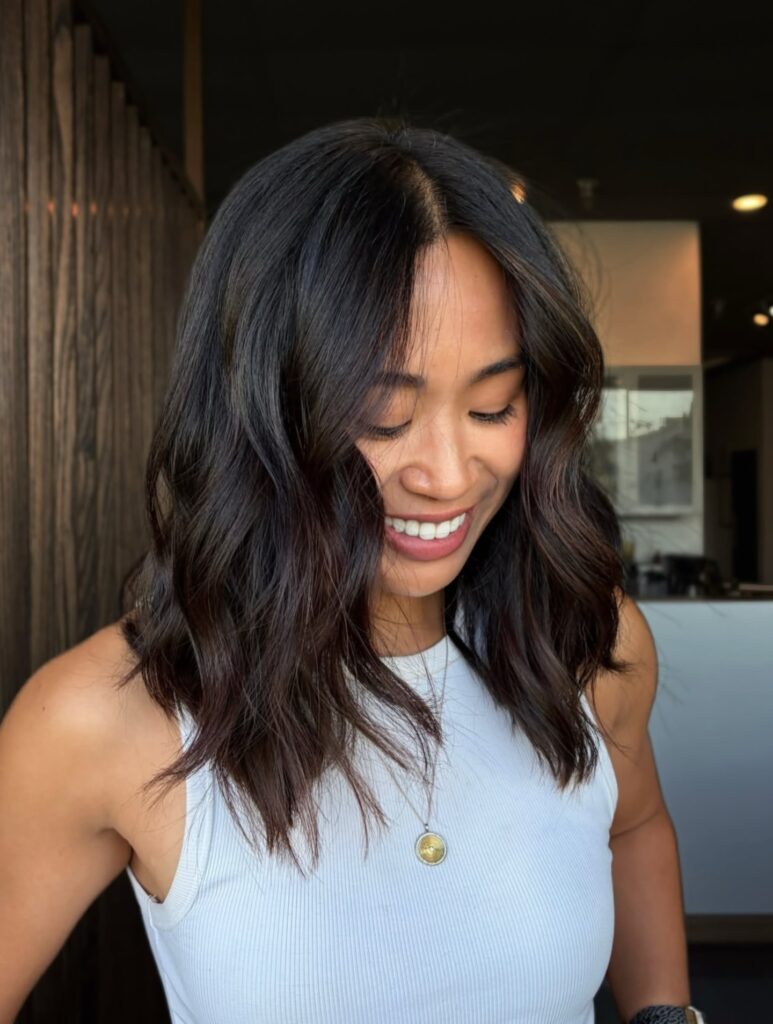
Same length as the classic lob, but the ends are point cut or razor cut to create soft, wispy movement rather than a solid blunt line. The textured bob feels lighter, more casual, and significantly easier to style on days when you’re not using heat. It’s the low-maintenance person’s answer to the polished lob.
Who it suits: Round, oval, and square face shapes. The wispy ends soften the jawline on square faces and add a slight visual lengthening effect on rounder structures.
Styling tip: The texture in this cut comes from the ends — protect them. Apply a small amount of hair oil specifically to the tips (not the roots) before any heat styling, and use a wide-tooth comb rather than a brush to detangle. Preserving the cut ends keeps the movement looking intentional rather than damaged.
3. Shoulder Length Layers
Source: @Instagram
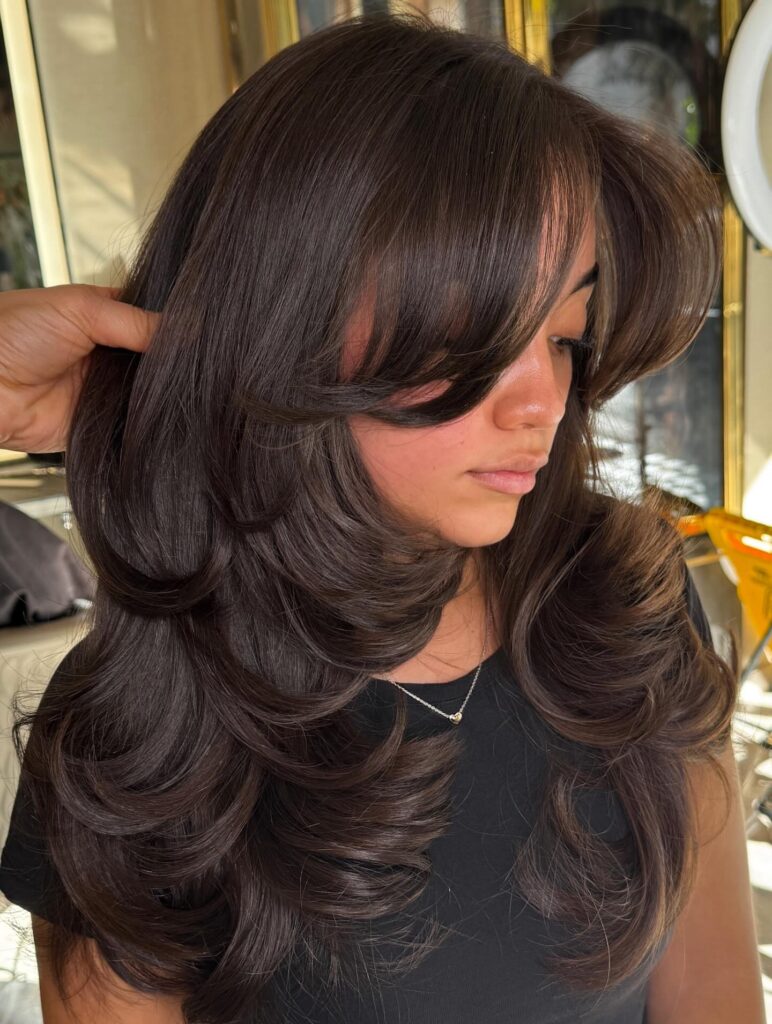
This is the style that the word “versatile” was invented for. Adding layers to shoulder-length hair creates movement, reduces bulk, and makes the hair easier to style in multiple ways. Layers at this length typically start at the collarbone and graduate upward, with shorter pieces framing the face and longer underlayers providing weight.
Who it suits: All face shapes. Layering technique can be customized to suit any face structure — face-framing pieces for oval and heart shapes, layers that add width for oblong faces, and rounded layers for square faces.
Styling tip: When you leave the salon with fresh layers, resist the urge to flat iron everything smooth. Layers are designed to move — a quick blow dry with a round brush or a scrunch and air dry gives the layers room to show what they can do. Smoothing flat actually collapses the layered effect.
4. Shoulder Length Curtain Bangs

Source: @Instagram
Curtain bangs paired with shoulder length hair is one of the most universally flattering combinations in contemporary hair styling. The center parted, face-framing fringe sweeps slightly outward and blends seamlessly into the rest of the length, while the shoulder length cut provides just enough weight to balance the softness of the bangs.
Who it suits: Oval, square, and round face shapes. For square faces, curtain bangs soften the angularity of the forehead and jaw simultaneously. For round faces, the center part creates visual length.
Styling tip: Blow dry curtain bangs with a round brush, pulling the brush outward and slightly downward — not straight back. This creates the signature sweep shape. A small amount of light hold cream on the fingertips, smoothed along the surface of the bangs after drying, controls flyaways without product buildup.
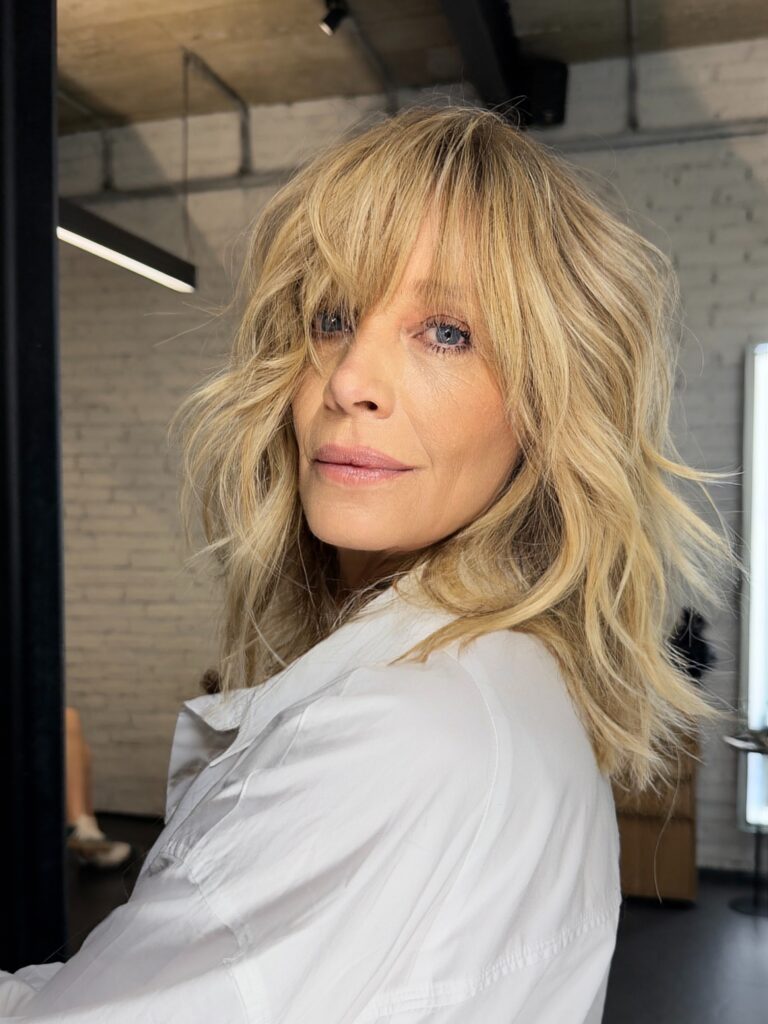
5. The Shoulder Length Shag
Source: @Instagram
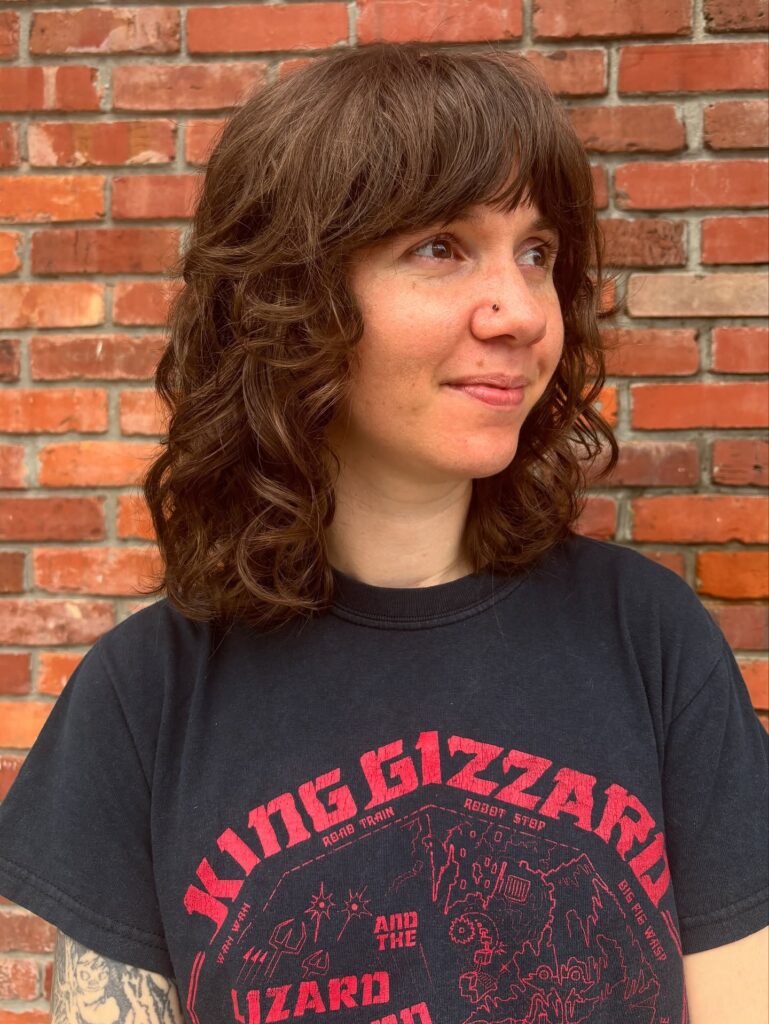
The shag — with its choppy layers, face-framing pieces, and deliberate texture — looks spectacular at shoulder length. The shag cut at the shoulder creates a style that’s simultaneously edgy and manageable, with enough length to pull back but enough layered texture to look interesting when worn down.
Who it suits: Heart, oval, and long face shapes. The face framing layers of a shag add width around the cheekbones and soften longer facial structures.
Styling tip: A shoulder length shag needs the right product balance. On wash days, apply a texturizing mousse to damp hair before air drying or diffusing. On non wash days, a dry texturizing spray through the mid-lengths and ends revives the layered texture without weighing it down.
6. Shoulder Length Waves

Source: @Instagram
Natural or styled waves at shoulder length hit the collarbone in a way that’s visually effortless and deeply flattering. Whether your waves are natural (type 2A through 2C) or created with a curling wand, the shoulder length zone allows waves to complete one full cycle before the hair ends — which is the sweet spot for maximum visual impact.
Who it suits: All face shapes. Waves create soft, horizontal movement that subtly adds width — this is especially beneficial for oblong or long face shapes that can use more visual balance.
Styling tip: For heat styled waves at shoulder length, use a one inch curling wand and alternate the direction of each wave (some toward the face, some away). This creates a natural looking, multi directional wave pattern rather than uniform ringlets. Finish with a flexible hold spray and gently break apart the waves with fingers — never a brush.
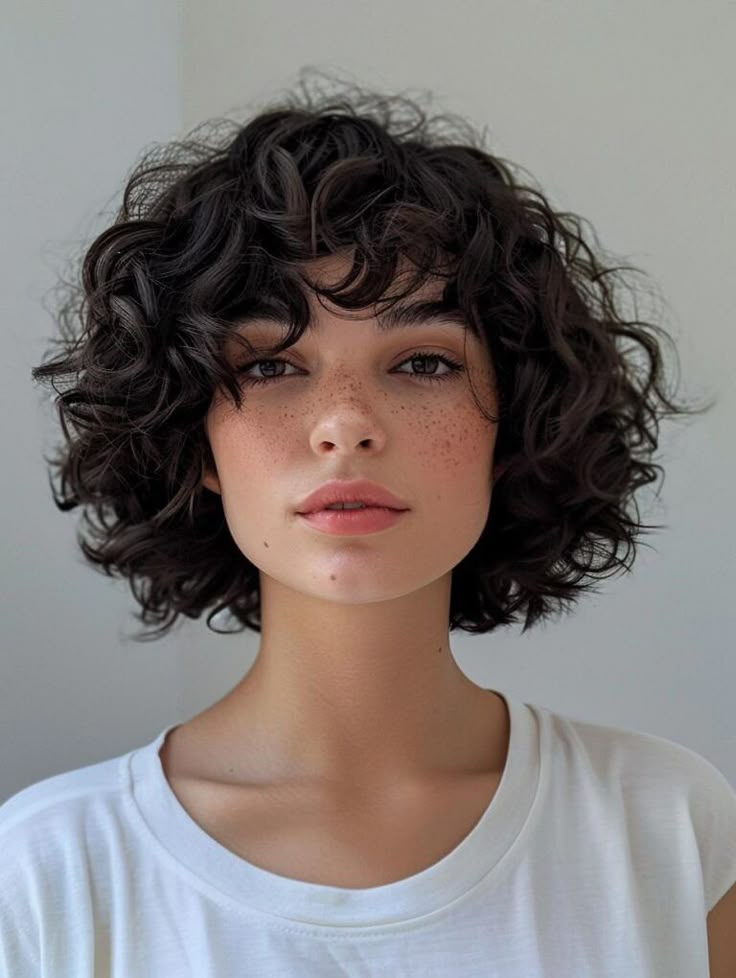
7. Shoulder-Length Curls
Source: @Instagram
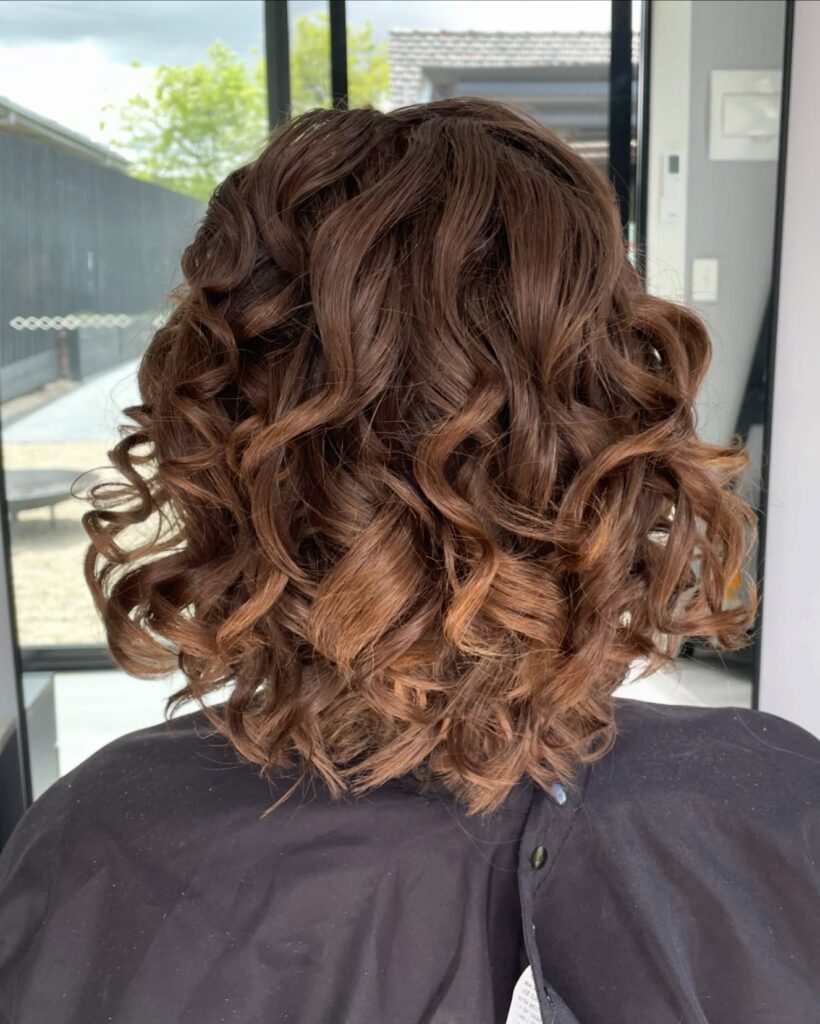
Curly hair at shoulder length has its own set of rules — and its own set of rewards. Because curls shrink as they dry, hair that measures 12–14 inches when stretched might sit at or just above the shoulder when fully dry. This length is actually ideal for curly hair: long enough to show the curl pattern fully, short enough to prevent the weight of extra length from stretching and collapsing the curl.
Who it suits: All face shapes. The natural volume and width of curls at shoulder length adds horizontal dimension — especially flattering for oval, oblong, and long face shapes.
Styling tip: Shrinkage at shoulder length means your curls might appear shorter than your intended length. If you want them to consistently reach the shoulder, ask your stylist to cut while the hair is fully stretched (blowout or braided straight), then trim a little longer than your target length to account for shrinkage.
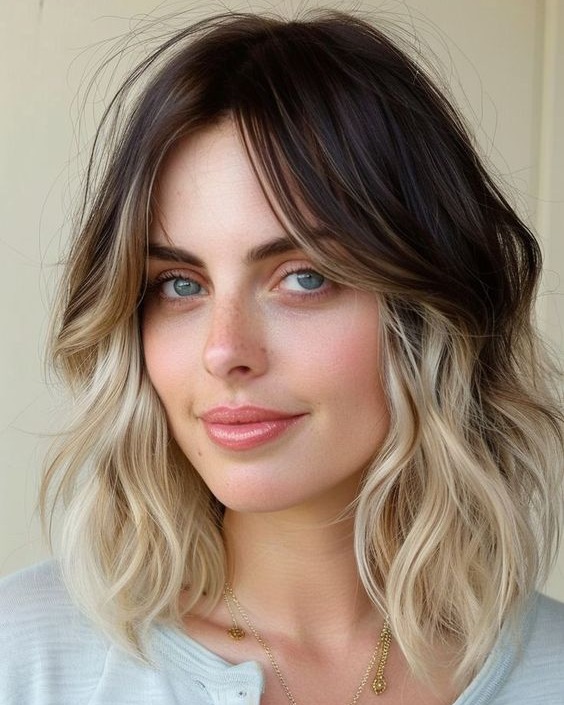
8. The Wolf Cut at Shoulder Length
Source: @Instagram
The wolf cut — characterized by a heavy crown of short layers that create volume and a longer underlayer that trails toward the shoulders — translates magnificently to shoulder length. At this length, the contrast between the short crown layers (which might be ear-length or chin-length) and the longer shoulder-touching underlayer is maximized without looking overly dramatic.
Who it suits: Oval, heart, and long face shapes. The volume at the crown adds height and the length at the shoulders adds balance — this combination suits face shapes that benefit from both vertical height and visible length.
Styling tip: The wolf cut lives and dies by how the crown layers are dried. Flip the head forward while diffusing and scrunch the crown layers upward — this builds the volume that makes the style recognizable. Drying it flat produces none of the wolf cut’s signature shape.
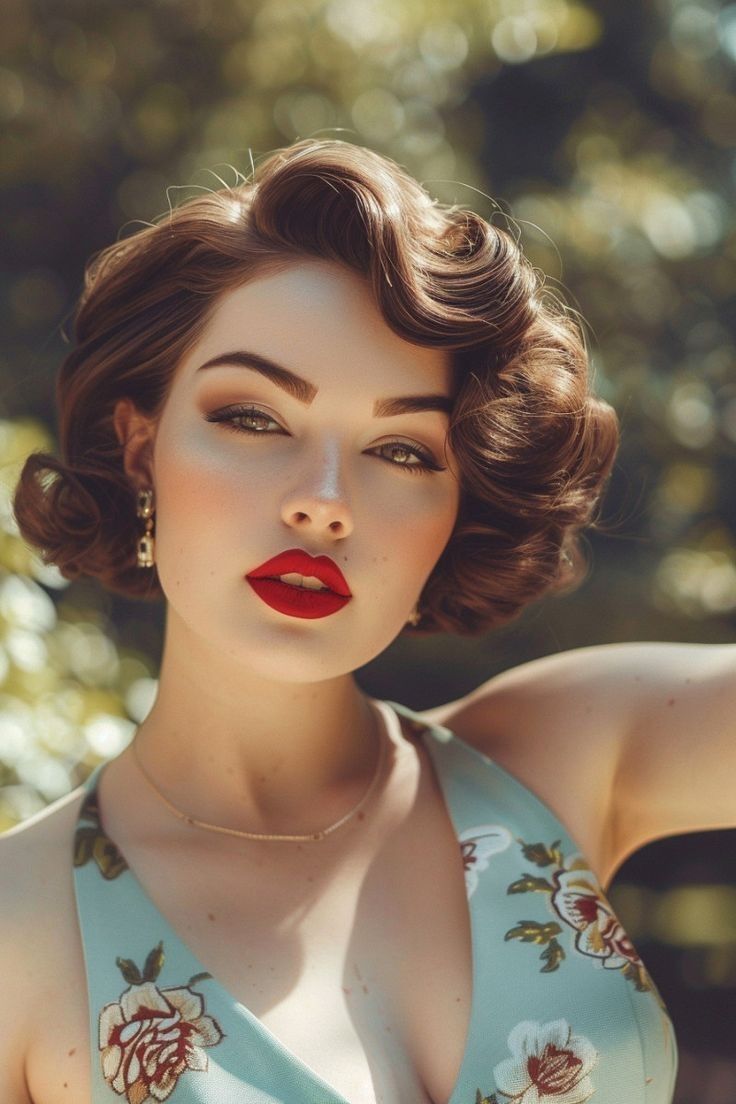
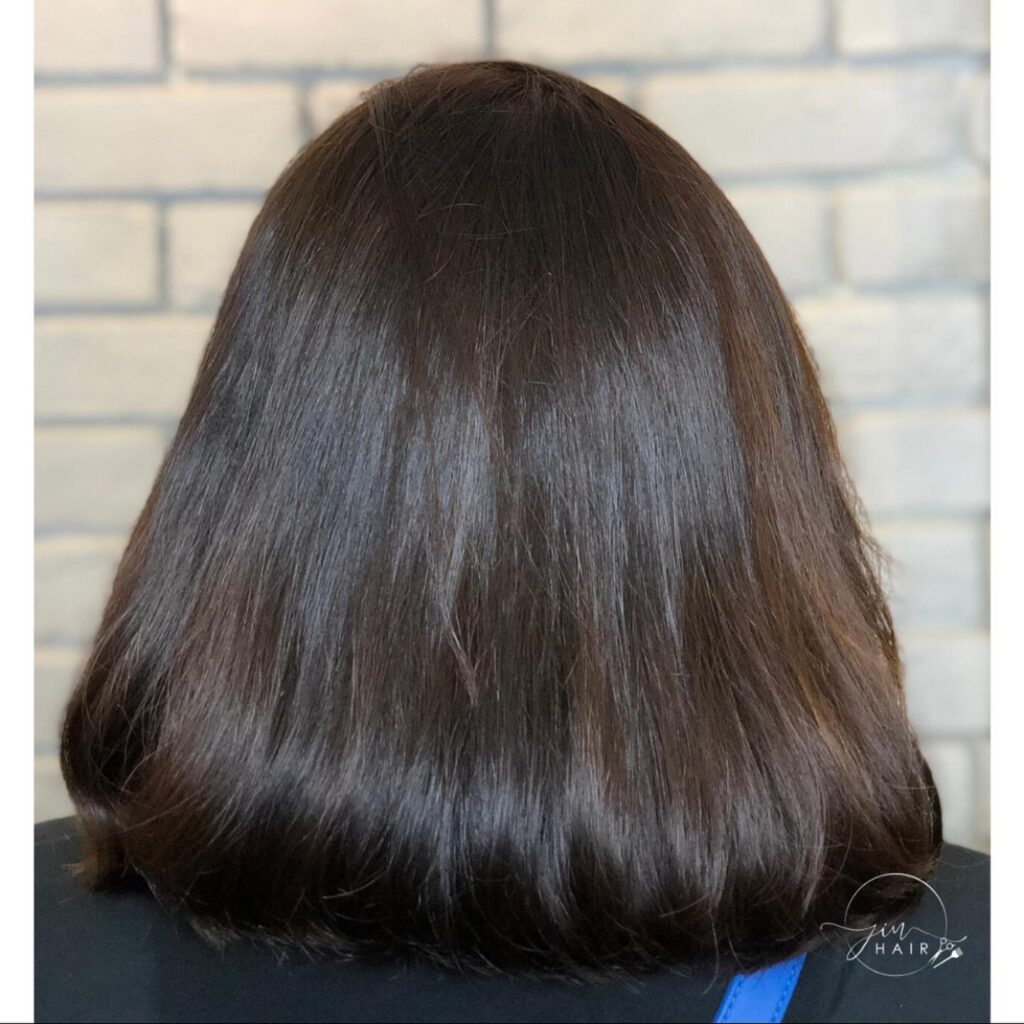
9. The C-Curl Blowout at Shoulder Length
Source: @Instagram
The C-curl blowout — where hair is blow-dried with a large round brush to create a soft, inward or outward curl at the ends — is one of the most polished, glamorous looks achievable at shoulder length without any additional heat tools. The length hits at the exact point where a well-executed C-curl frames the collarbone beautifully.
Who it suits: Oval and heart face shapes. An inward C-curl adds softness at the jaw — particularly beautiful on heart-shaped faces where the jaw is narrower. An outward C-curl adds width at the ends, flattering on oval faces.
Styling tip: Use a large round brush (at least 2 inches in diameter) for the C-curl — smaller brushes create tighter, more retro curls rather than the smooth, sweeping C-shape. Direct the blow dryer’s nozzle downward along the brush as you roll to smooth the cuticle and add shine simultaneously.
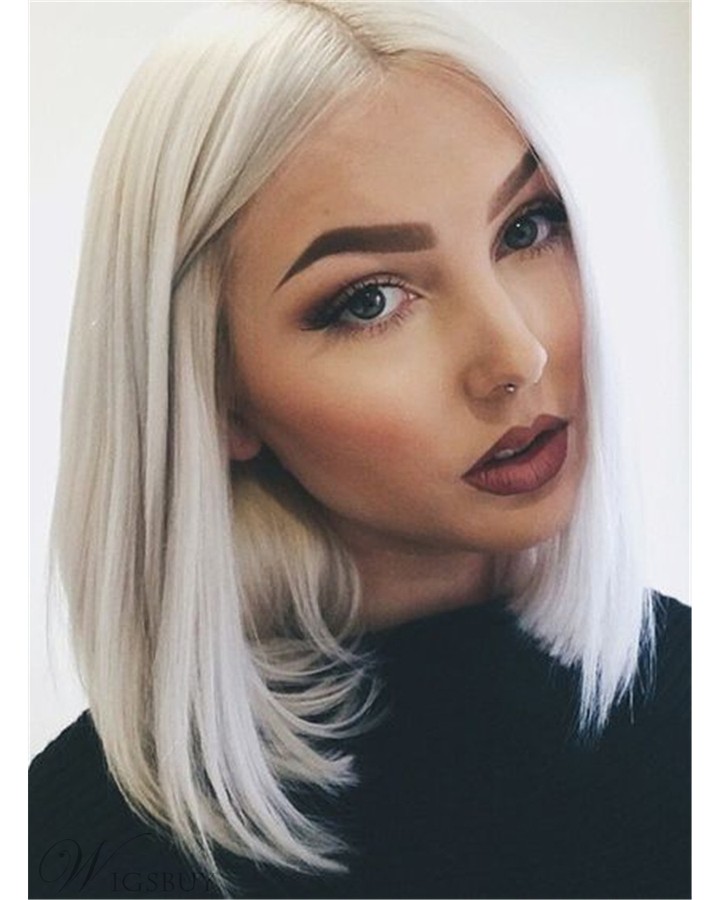
10. The Middle Part, Straight and Sleek
Source: @Instagram
Simple. Clean. Impossible to mess up once you know the trick. A center part with straight, sleek shoulder-length hair is a look that reads differently depending on your outfit — it can be editorial, minimalist, professional, or casual. The simplicity of the look is the point.
Who it suits: Oval and long face shapes primarily. A center part creates two equal sections of hair that frame the face symmetrically — this suits faces with natural symmetry and balanced proportions. On very round faces, a center part can minimize desirable width at the sides.
Styling tip: The secret to sleek, frizz-free straight hair at shoulder length is the blow dry, not the flat iron. Blow dry with a paddle brush and the dryer nozzle pointing downward (always down the hair shaft, never against it) before flat ironing. This smooths the cuticle first so the flat iron is just finishing rather than doing all the work — and the result is significantly smoother and shinier.
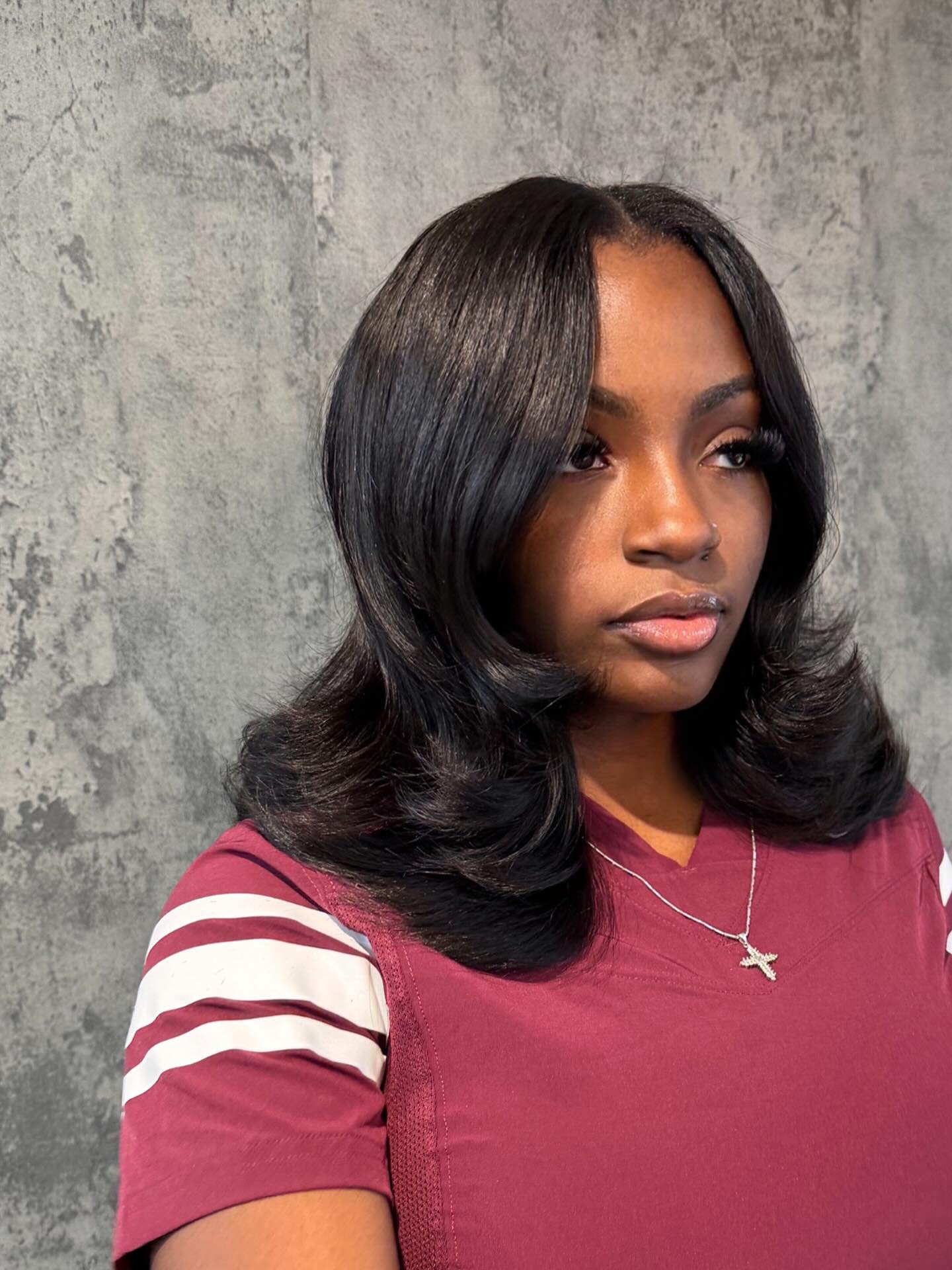
11. The Off-Center Part with Volume
Source: @Instagram
A slightly off-center part — just an inch or two to one side of center — creates asymmetrical volume that’s more dynamic and interesting than a perfect center or a deep side part. It’s a small change with a surprisingly significant visual impact.
Who it suits: Round and square face shapes. The off-center part creates visual asymmetry that disrupts the symmetry of round or square faces — adding a sense of length and movement.
Styling tip: To train a part that wants to go back to center, blow dry in the new direction while the hair is still damp. Hold the part in place for at least two minutes with a fine-tooth comb and low heat — the heat sets the hair into the new direction temporarily, and repeated styling gradually trains it to fall there naturally.
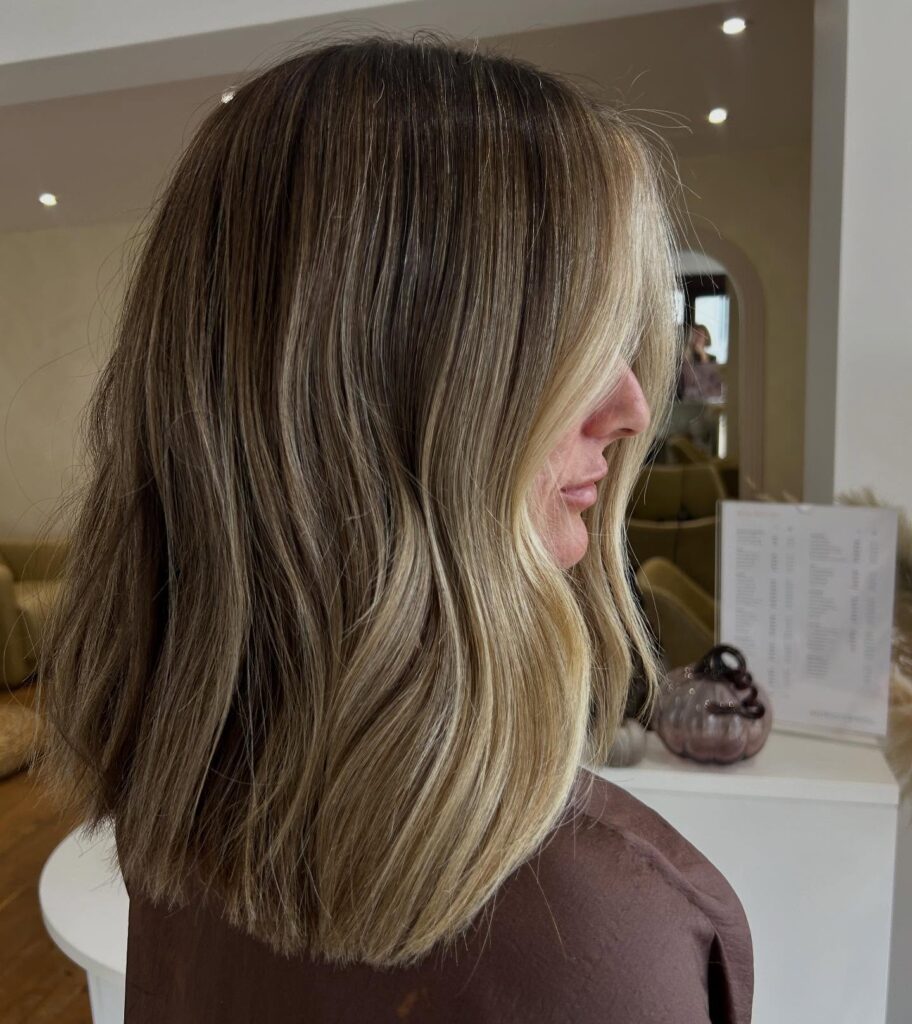
12. Shoulder Length Hair with Highlights
Source: @Instagram
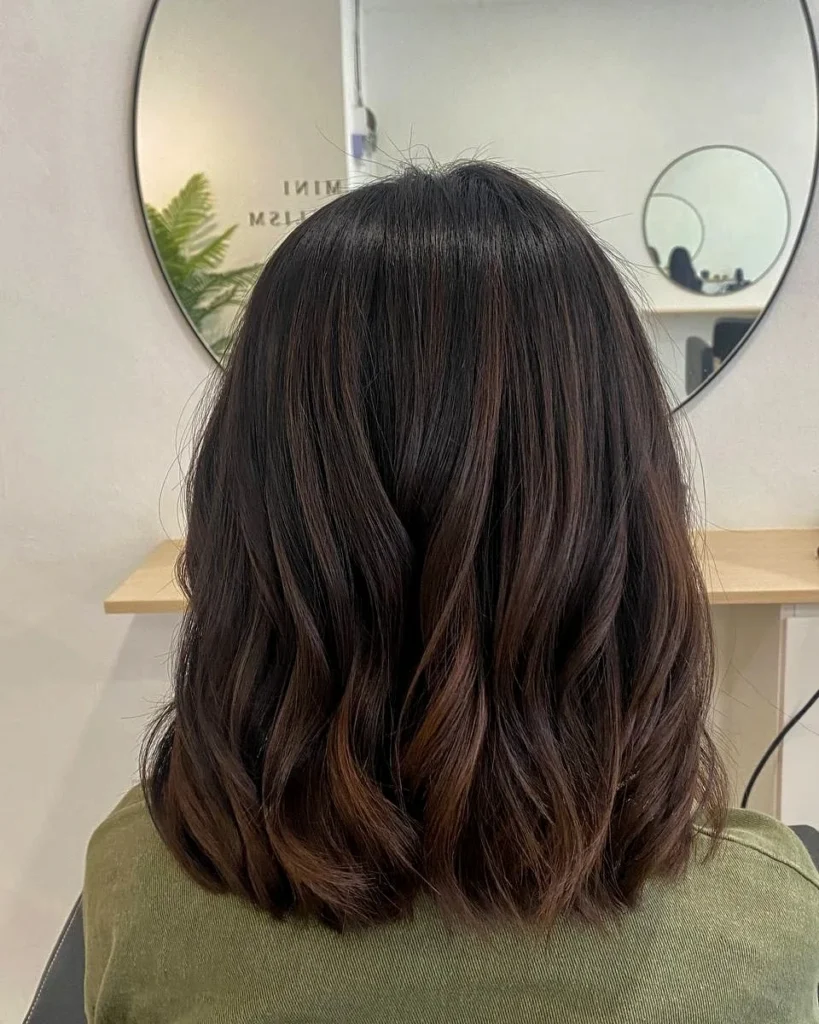
Color at shoulder length behaves differently than at longer lengths — because the highlighted sections are more visible and end closer to the face, color choices here feel more personal and immediate. Highlights on shoulder-length hair can be traditional foil highlights, sun-kissed balayage, or bold color-blocking.
Who it suits: All face shapes. Highlight placement can be customized — lighter pieces around the face open and brighten; concentrated highlights at the ends add visual weight where needed.
Styling tip: Shoulder-length highlighted hair is at a higher risk for visible damage because the shorter length means highlighted sections make up a larger percentage of the overall hair. Use a bond-building treatment (like a weekly Olaplex No. 3 or similar) and a color-depositing conditioner every two to three washes to maintain vibrancy and integrity simultaneously.
13. The Half Up Half Down at Shoulder Length
Source: @Instagram
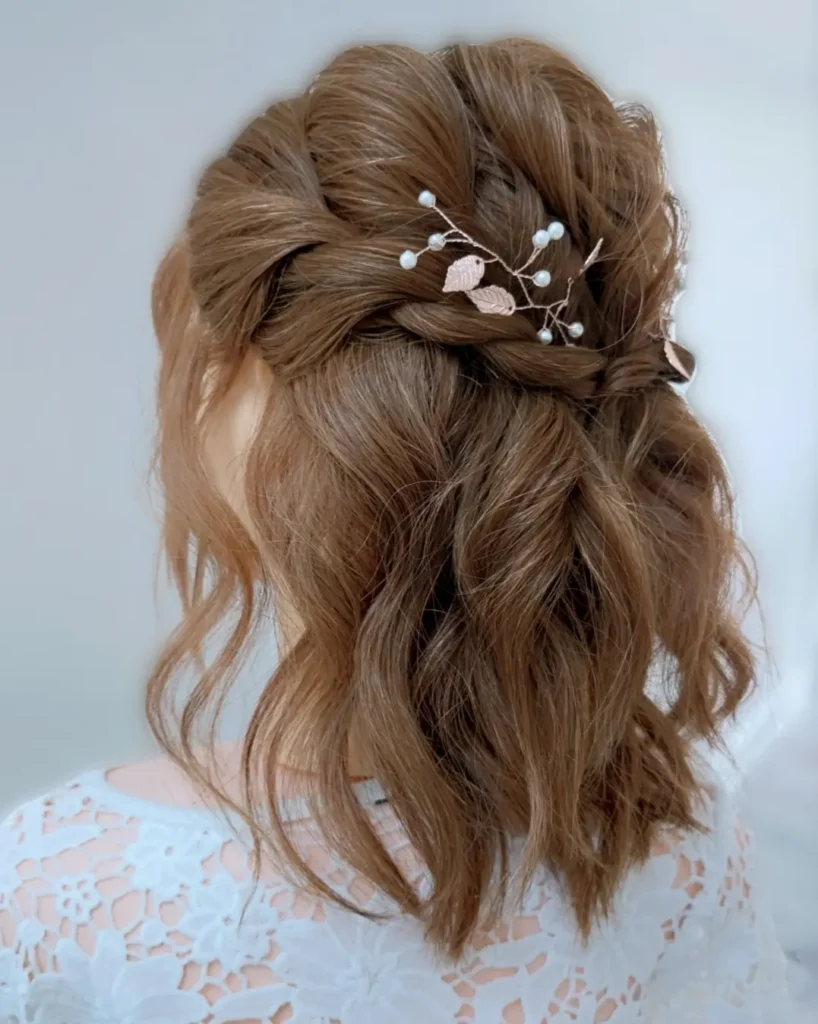
Half up, half down styling works at every length — but at the shoulder, it works especially well. The length is short enough that the down half doesn’t overwhelm the style, but long enough that the up portion has real presence. You can make this simple (a clean top knot or claw clip) or dressed up (a braided half-up with tendrils framing the face).
Who it suits: All face shapes. The half up creates height at the crown (elongating) while leaving length visible (balancing). This universally useful combination suits virtually every face structure.
Styling tip: For a half up that stays put without bobby pins digging in, gather the top section loosely and secure with a claw clip placed horizontally rather than vertically. The flat, horizontal grip distributes tension more evenly and holds better on shoulder-length hair where there’s less weight pulling downward.
14. Shoulder Length Hair with Bangs (Full Fringe)
Source: @Instagram
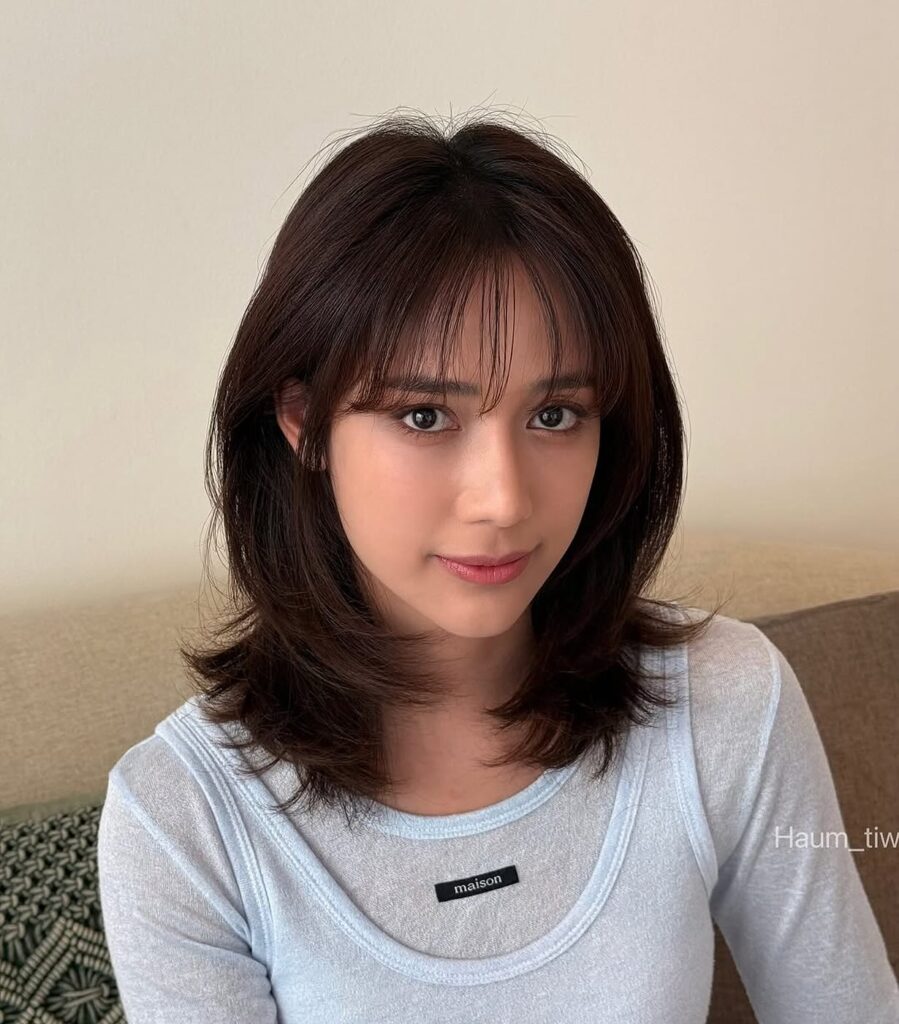
A full, across-the-forehead fringe paired with shoulder-length hair is a deliberate, fashion-forward combination. The fringe creates a horizontal focal point at the top of the face, the shoulder length creates one at the bottom, and everything between is framed within that structure. It’s a high-impact look that photographs beautifully.
Who it suits: Oblong, long, and oval face shapes. Full bangs shorten the visual length of the face significantly — they work best on faces where the forehead is a prominent feature or the face is proportionally long.
Styling tip: Full fringe at shoulder length requires more frequent trims than the rest of the cut — bangs grow into the eyes faster than shoulder-length hair grows noticeably. Trim bangs every three to four weeks at most (or learn to do it yourself at home with sharp scissors and a comb for the guide).
15. The Braided Shoulder Length Style
Source: @Instagram
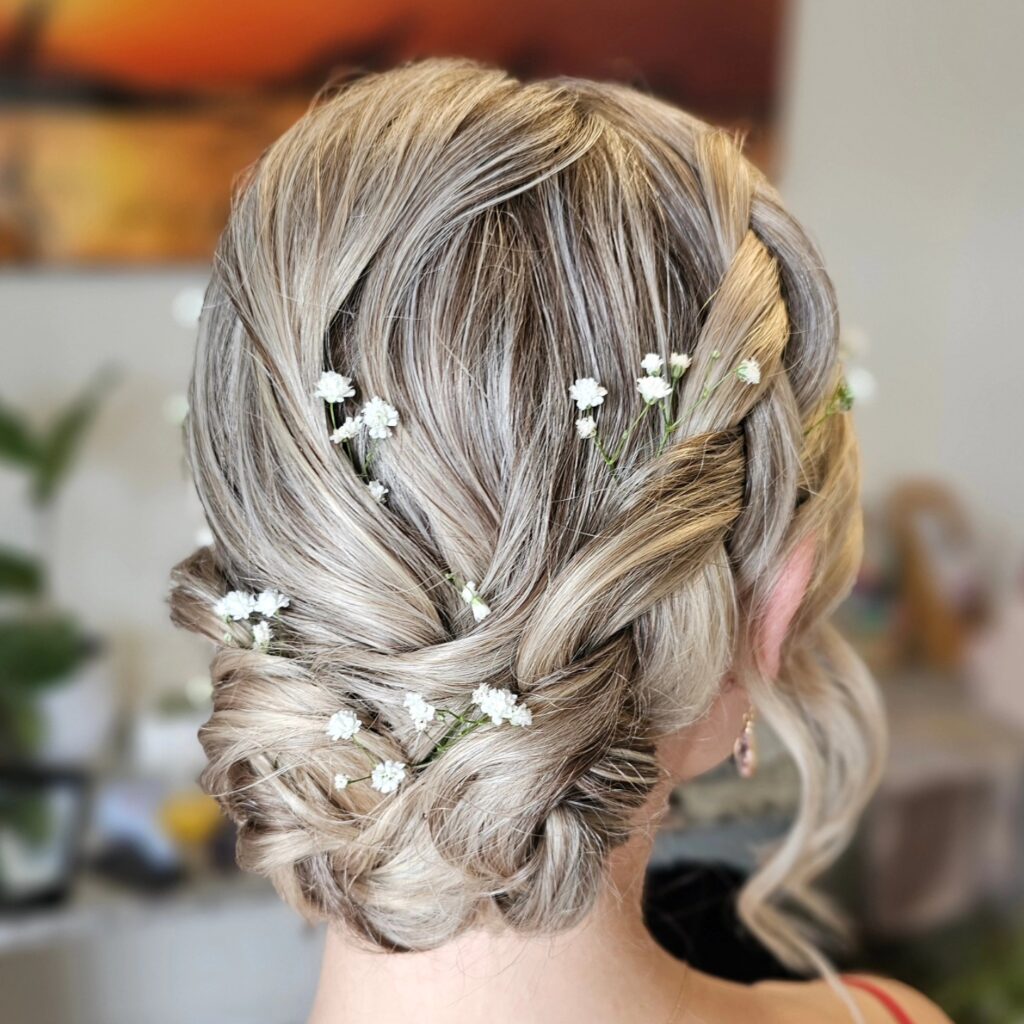
Shoulder length hair is long enough to braid properly but short enough that braids don’t become unwieldy. A single French braid or Dutch braid into a low ponytail, two loose braids worn over the shoulders, or a braided crown that pulls sections back from the face — all of these work beautifully at the shoulder length and can be dressed up or down.
Who it suits: All face shapes. The versatility of braid styling means the direction, tightness, and placement can be adjusted to suit any structure — braids swept back open the face; loose braids framing the face soften it.
Styling tip: Braids hold better and look neater on hair that isn’t freshly washed — day-two or day-three hair has natural texture and grip that keeps braids in place. If you want to braid on freshly washed hair, apply a small amount of texturizing cream or dry shampoo to the lengths before braiding to add grip.
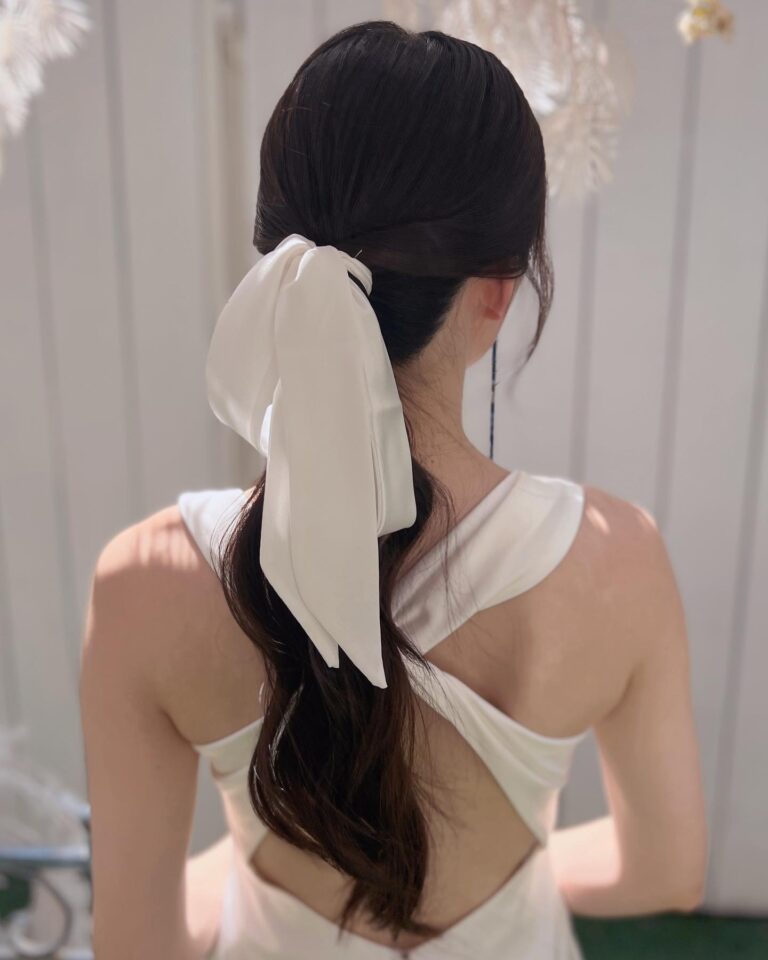
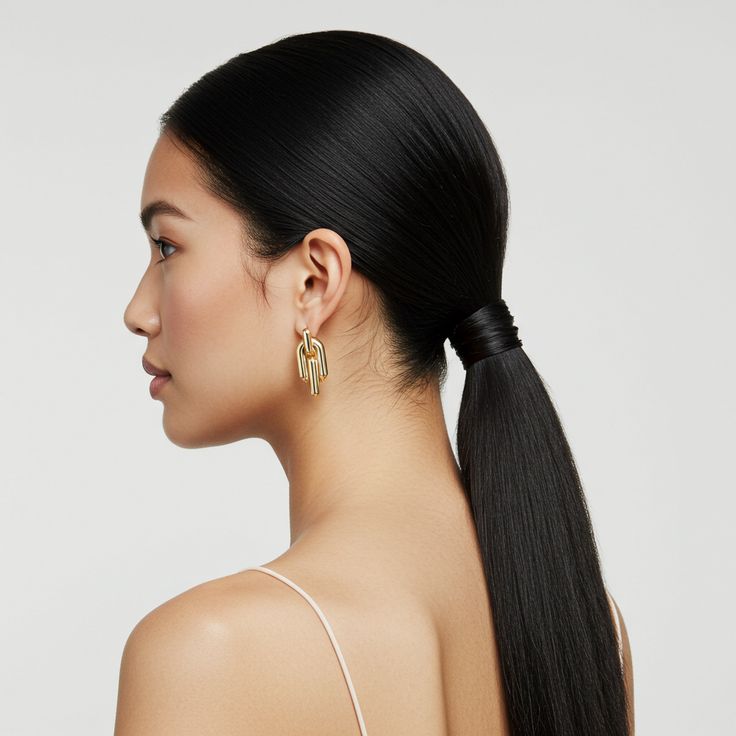
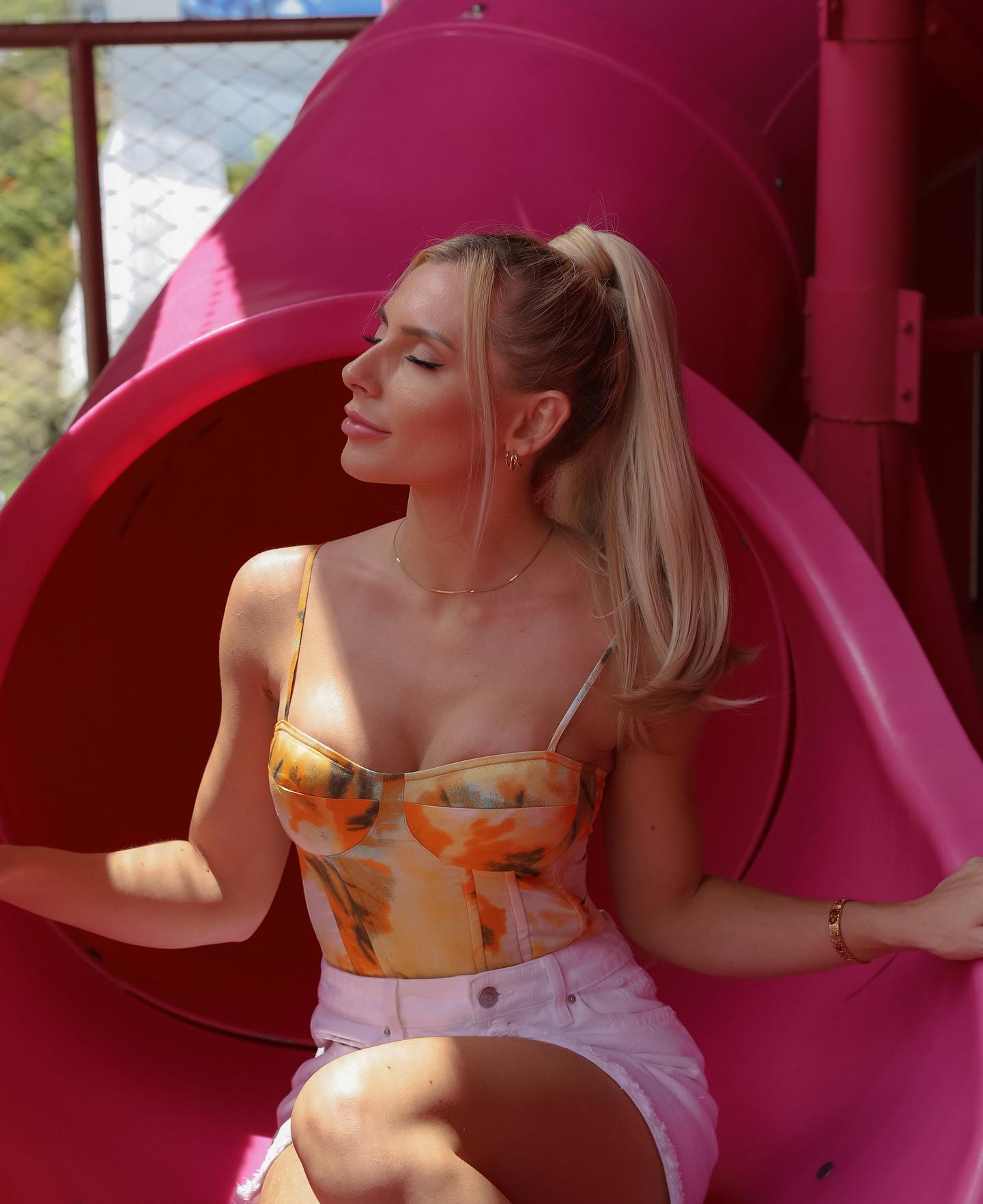
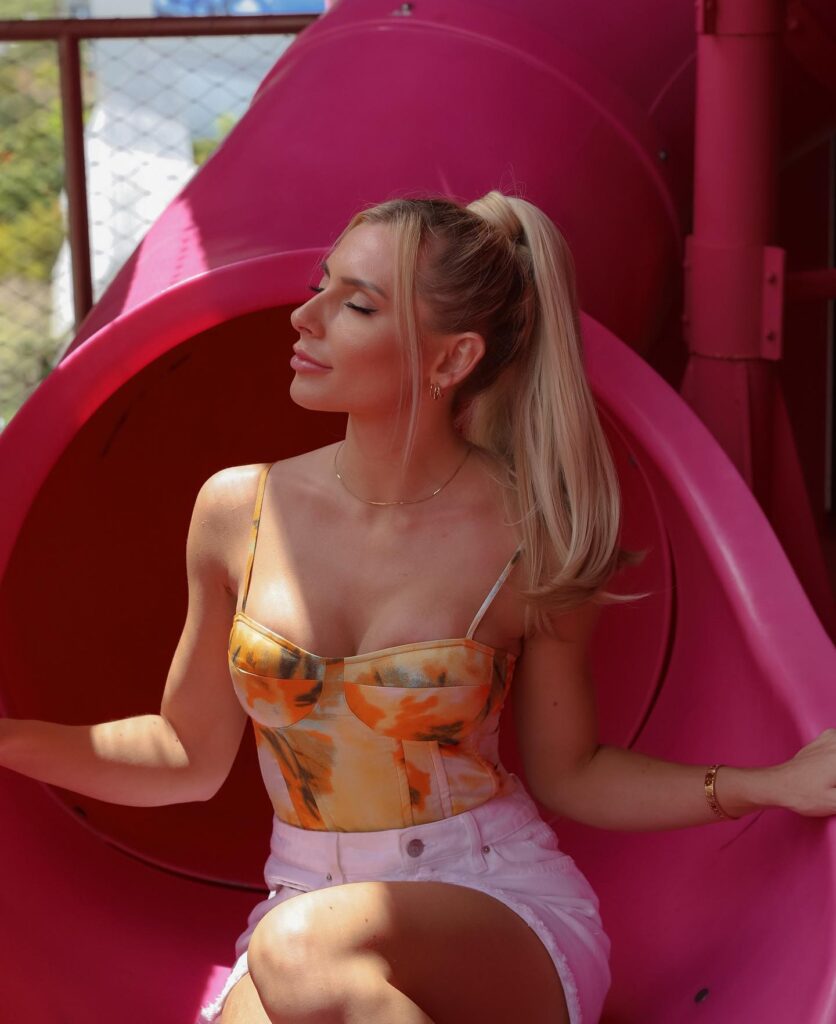
16. The Sleek Ponytail at Shoulder Length
Source: @Instagram
A sleek, low or mid-height ponytail at shoulder length looks exceptionally clean and polished. The shoulder length means the tail itself sits neatly at the nape without the bulk of longer hair, while remaining long enough to look intentional rather than stumpy. A single strand of hair wrapped around the base hides the elastic for an elevated finish.
Who it suits: Oval, heart, and long face shapes. A sleek ponytail pulls the hair away from the face entirely — this exposes bone structure, which works best on faces where that exposure is flattering rather than stark.
Styling tip: A smooth ponytail on shoulder-length hair requires the right elastic. Thin, clear elastics or fabric-covered spirals leave less of a dent in the hair and don’t create the “ponytail bump” that standard elastics do at this shorter length. Wrap loosely — shoulder-length ponytails don’t need tight tension to hold.
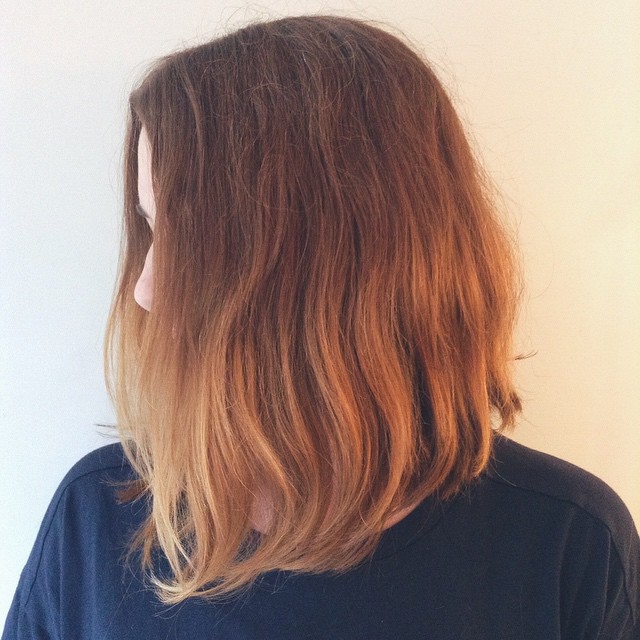
17. The Effortless Air Dried Look
Source: @Instagram
Sometimes the best thing you can do with shoulder length hair is nothing. The effortless air dried look — applied-product on damp-hair, let it-be — is increasingly the aesthetic standard rather than the fallback option. At shoulder length, this look works across all textures straight hair air dries smoothly, wavy hair develops natural bend, and curly hair forms its natural pattern without heat interference.
Who it suits: All face shapes. The air-dried look lets your hair’s natural texture determine the silhouette — it’s the most organic, personalized version of whatever shoulder length style suits you individually.
Styling tip: The difference between “effortlessly undone” and “actually undone” is a single product applied to damp hair. For straight hair, a small amount of frizz-control serum. For wavy hair, a wave cream. For curly hair, a defining gel. Apply it, don’t touch until completely dry, and then decide if you need anything else. Most of the time, you won’t.
Quick Reference Tables
Shoulder Length Hair by Face Shape
| Face Shape | Best Styles | Features to Request | What to Avoid |
|---|---|---|---|
| Oval | Any style | All cuts and textures work; open canvas | Nothing off-limits |
| Round | Textured Bob, Layers, Wolf Cut, Sleek Pony | Center part; volume at crown; length past chin | Blunt cuts with no layers that sit at jaw level |
| Square | Curtain Bangs, Wavy Layers, Shoulder Shag | Soft ends; waves; curtain bangs to soften angles | Very blunt, one-length cuts with hard lines |
| Heart | C-Curl Blowout, Half-Up, Textured Bob | Fullness at ends/jaw; lighter at temples | Very voluminous crown with no length balance |
| Long/Oblong | Full Fringe + Lob, Wavy Layers, Highlights | Width-adding texture; full bangs; horizontal movement | Very sleek, straight styles with no horizontal volume |
Styling Time by Look
| Style | Daily Styling Time | Difficulty Level | Best For |
|---|---|---|---|
| Air-Dried Natural | 5 min (product only) | Easy | All textures; busy schedules |
| Half-Up Claw Clip | 2 min | Very Easy | Everyday; all hair types |
| Textured Waves | 15–20 min | Intermediate | Special occasions; date nights |
| Sleek Straight | 20–25 min | Intermediate | Professional settings |
| C-Curl Blowout | 25–30 min | Advanced | Formal events; weekends |
| French Braid | 10 min | Intermediate | Active days; outdoor events |
| Curtain Bang Style | 10–15 min | Easy–Intermediate | Daily wear; office |
Product Guide for Shoulder-Length Hair by Texture
| Hair Texture | Must-Have Product | Application Method | Avoid |
|---|---|---|---|
| Straight | Frizz-control serum + heat protectant | Apply serum to damp ends; protectant before heat | Heavy creams on roots |
| Wavy | Wave cream + light-hold mousse | Apply both to soaking wet hair; scrunch | Brushing while dry |
| Curly | Curl cream + strong-hold gel | LOC method on wet sections | Towel rubbing; heat without diffuser |
| Fine/Thin | Volumizing mousse + dry shampoo | Mousse on roots when wet; dry shampoo next-day | Anything heavy — oils, butters, thick creams |
| Thick/Coarse | Smoothing serum + heat protectant | Apply serum to towel-dry hair section by section | Skipping heat protectant; over-brushing |
| Color-Treated | Color-depositing conditioner + bond builder | Conditioner every wash; bond builder weekly | Sulfate shampoos; high-heat tools |
Common Mistakes and How to Avoid Them
Mistake 1: Treating Shoulder Length as a “Transition” Phase
Shoulder length hair is not a temporary state. Too many people spend their time at this length wishing they were shorter or longer, so they neglect the styling and care that would make it look its absolute best. Commit to the length you’re at. The results will surprise you.
Mistake 2: Skipping Heat Protectant on “Just a Quick Style”
There is no such thing as a “quick” heat styling session that doesn’t require protection. Even one pass of a flat iron without protectant causes cumulative damage that shows up as frizz, dullness, and split ends over weeks. Shoulder-length hair shows damage quickly because the ends are close to the face and visible. Always protect first.
Mistake 3: Using the Same Brush for Everything
Different tasks need different tools. A paddle brush for blow-drying smooth hair, a round brush for building shape and curl, a wide-tooth comb for detangling wet hair, and a boar-bristle brush for distributing natural oils. Using one brush for every task causes breakage at the wrong moments and prevents the right finishes from developing.
Mistake 4: Washing Too Frequently
Shoulder-length hair — especially if it’s been lightened, relaxed, or heat-styled regularly — loses moisture quickly. Daily washing strips the natural scalp oils that protect and condition the hair shaft. Two to three washes per week is sufficient for most textures. On non-wash days, a dry shampoo at the roots and a light mist of water-glycerin at the ends refreshes without stripping.
Mistake 5: Getting Layers Without Knowing Your Texture
Layers work differently on different textures. On fine, straight hair, too many layers can make the ends look sparse and thin. On curly hair, layers without curl-specific cutting technique can create a triangle shape rather than flattering movement. Always tell your stylist your texture and whether you air dry or heat style — the layers should be designed around your actual routine, not a general template.
Mistake 6: Neglecting the Ends
The ends of shoulder-length hair are the oldest and most fragile part — they’ve survived the longest since growing from the scalp. Apply a small amount of hair oil or serum to the ends every day, even on non-wash days. This seals the cuticle, prevents split ends from worsening, and keeps the ends looking polished rather than frayed.
Similar Variations Worth Exploring
The Lob (Long Bob): Technically the same zone but typically describes a more blunt, one-length cut that sits slightly above the shoulder. Very structured, very clean.
The Midi Length: Just below the shoulder but above the mid-back. Offers slightly more length for updos and braids while maintaining many of the same styling advantages as shoulder length.
The Collarbone Cut: Hair cut to exactly the collarbone — sometimes an inch or two above the shoulder, sometimes right at it. This is the most on-trend specific length within the shoulder range.
The C-Lob: A curved bob that’s longer at the front than the back, creating a diagonal line that grazes the shoulder on one side. Dramatically different silhouette from a straight lob.
The Grown-Out Bob: As a blunt bob grows from the jaw to the shoulder, it develops a softer, slightly irregular shape that reads as its own distinct style rather than an in-between phase.
Hair Care Tips for Shoulder Length Hair
Shoulder-length hair sits at the exact length where the ends are old enough to need real care but the overall length is short enough that good maintenance keeps everything looking healthy. Here’s what actually matters:
Protein-Moisture Balance At shoulder length, the ends have been growing for one to two years (hair grows approximately half an inch per month). That’s one to two years of brushing, heat, sun, and environmental exposure. Monthly protein treatments (rice water rinse, protein conditioner) strengthen the aging ends; weekly deep conditioning maintains the moisture balance. Test your hair’s elasticity: good stretch before snapping = good moisture; no stretch, immediate snap = needs protein.
Silk or Satin at Night Shoulder-length hair is long enough to create friction against cotton pillowcases all night but short enough that it can’t be easily pineappled or braided for sleep protection. A satin pillowcase or a satin bonnet prevents the overnight friction that causes frizz, tangles, and breakage — especially at the ends that sit right at the collar zone.
Trim Timing Every eight to ten weeks for maintained length; every six weeks if you’re growing it out and want to prevent split ends from traveling up the shaft. Counter-intuitively, regular trims help you maintain shoulder length better than skipping trims — because split ends break, creating uneven lengths that require larger corrections later.
Sun and Environmental Protection Shoulder-length hair is frequently exposed — it hits the back of the neck and collarbone where sunscreen is applied but hair-specific UV protection is forgotten. In summer, use a UV-protecting hair spray or wear your hair up when spending extended time outdoors. UV exposure fades color, dries the cuticle, and weakens the hair protein structure over time.
Scalp Health Drives Length Health Healthy growth at shoulder length requires a healthy scalp. A weekly scalp massage (fingertips only, no nails) for five minutes increases blood circulation to the follicles. Adding a few drops of rosemary oil to your regular shampoo has growing research support for stimulating hair growth — and it makes wash day smell exceptional.
Outro
Shoulder length hair is — and I genuinely mean this — the most capable length in the entire range. It’s long enough to braid, pull back, and style elaborately. It’s short enough to air dry without a three-hour commitment, to feel light in summer heat, and to look polished without significant effort. The 17 styles in this guide barely scratch the surface of what’s possible at this length — but they give you a real, practical starting point. Whether you’re maintaining shoulder length intentionally or working through it on the way somewhere else, I hope this guide convinced you to give it the attention it genuinely deserves. Shoulder length hair done right is something special.