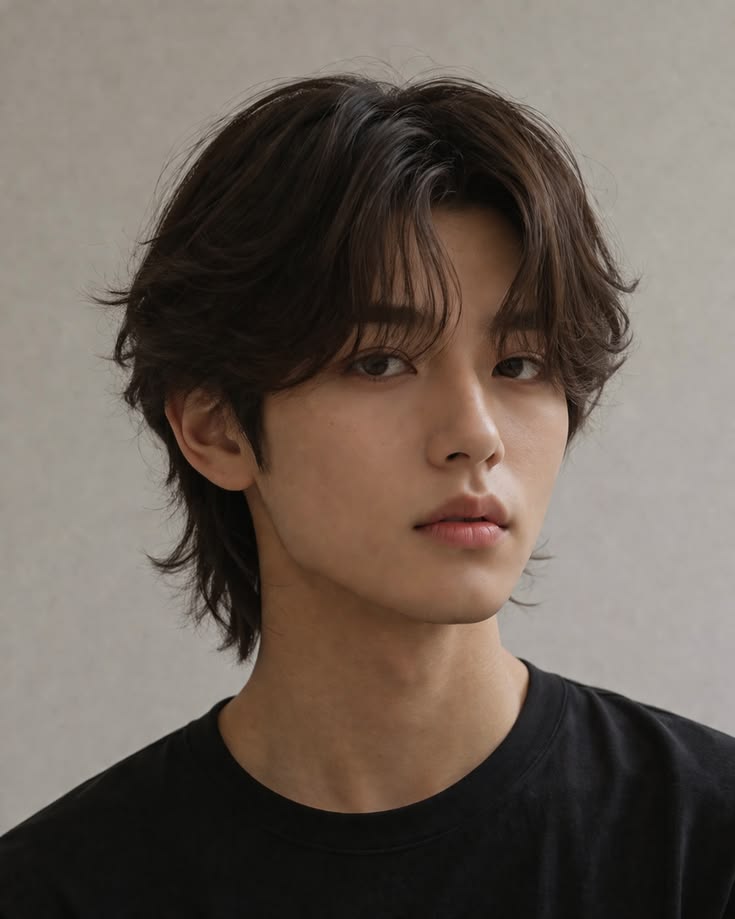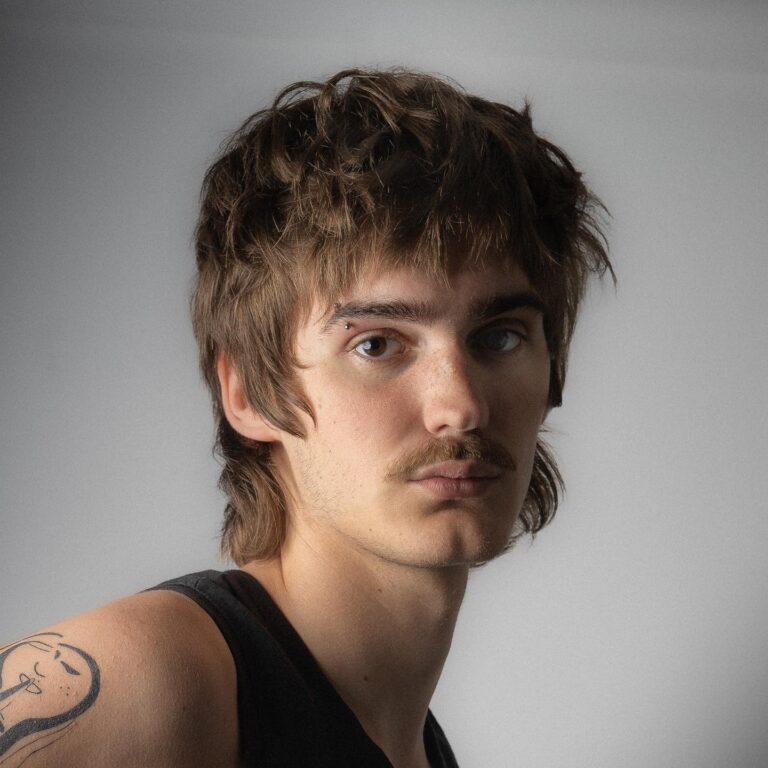

15 Wavy Quiff Hairstyles That Prove Volume and Texture Are the Ultimate Power Duo
I’ve studied men’s and unisex hairstyling trends for years and consulted with professional barbers and stylists to give you the most complete, accurate breakdown of the wavy quiff — so you’re reading the right article.
So what is a wavy quiff? A wavy quiff is a hairstyle where the front section of hair is swept upward and forward with visible wave texture — rather than slicked smooth — creating height and volume at the forehead. It blends the structured lift of a classic quiff with loose, natural-looking waves for a modern, effortlessly styled finish.
Read on for 15 distinct wavy quiff variations, a full product and technique guide, a face shape compatibility table, the most common styling mistakes people make, and a complete hair care routine that keeps wavy quiffs looking fresh every day.
What Separates the Wavy Quiff from Every Other Men’s Style
Let me be direct: the wavy quiff is one of the most versatile men’s hairstyles in existence right now. And I say that having looked at virtually every option on the market. Most men’s styles ask you to choose between structure and texture. The classic quiff is structured but can look overly polished. Messy textured styles look relaxed but lose definition. The wavy quiff refuses to choose. It gives you the height and forehead-framing lift of a traditional quiff while the wave texture keeps it feeling lived-in, natural, and genuinely cool.
The quiff itself dates back to the 1950s — a pompadour-influenced style characterized by hair swept upward from the forehead. The wavy variation modernizes that blueprint by working with natural or enhanced wave patterns rather than fighting them. Less product. Less time. More personality.
And the beauty of this style? It scales across settings. A tighter, more defined wavy quiff reads as polished enough for a job interview. A looser, more voluminous version fits a music festival or beach weekend perfectly. Fifteen variations, one concept — let me show you how each one works.
15 Wavy Quiff Variations Worth Knowing
1. The Classic Wavy Quiff
Source: @Instagram
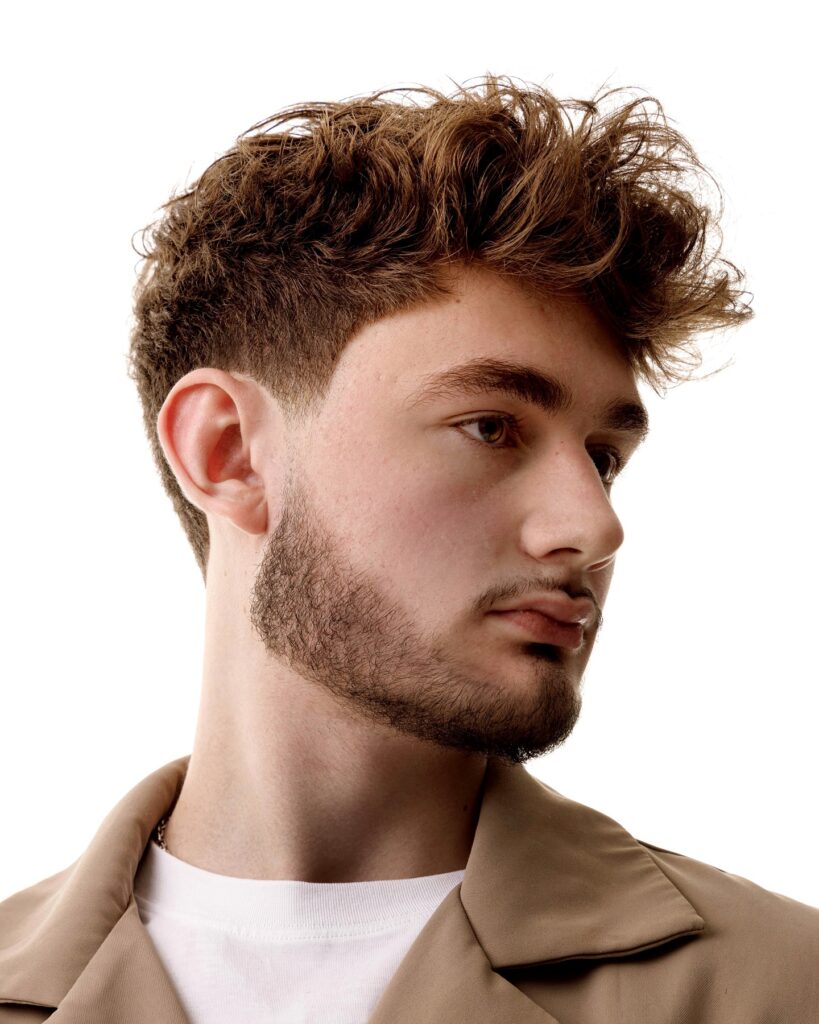
The foundation every other variation is built on. The classic wavy quiff keeps the sides tapered short — either scissor-cut or faded — while the top is left long enough to sweep forward and upward with natural wave texture intact. The wave at the front creates a gentle crest of volume that replaces the rigid, product-heavy lift of a traditional quiff. To style it, blow dry the top section forward and upward using a round brush or your fingers, then apply a medium-hold clay or paste through the waves to define them without flattening. The result is effortless, structured, and adaptable to almost any face shape.
2. The Textured Disconnected Wavy Quiff
Source: @Instagram
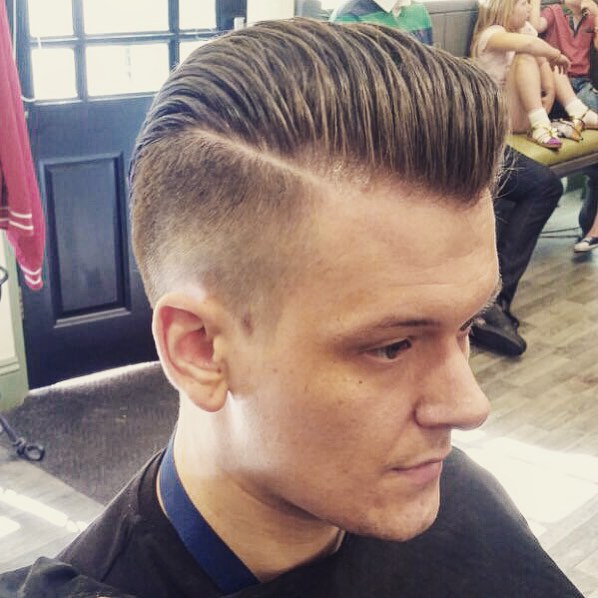
The disconnected quiff features an abrupt contrast between very short sides and a significantly longer top — with no gradual fade blending the two together. On wavy hair, this contrast becomes even more dramatic because the waves at the top create additional visual height and mass. The sharp line between short sides and textured waves on top reads as bold and editorial. This variation suits confident style personalities and works particularly well on oval and oblong face shapes where the contrast doesn’t widen the silhouette. Use a strong-hold texture paste on the top section and keep sides tight with a high skin fade.
3. The Loose Wavy Quiff (Undone, Beach-Inspired)
Source: @Pinterest
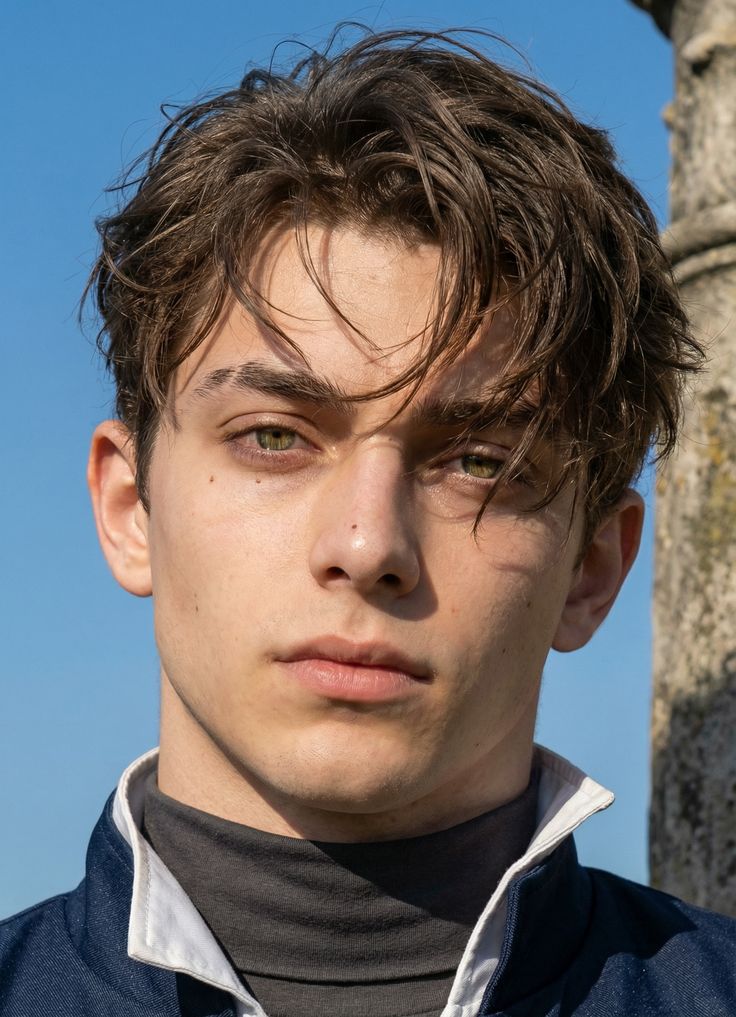
This is the version I recommend most often for beginners. Rather than a tightly controlled wave formation, the loose wavy quiff lets the hair’s natural movement take the lead — you guide rather than direct. Blow dry roughly with your fingers for general direction and volume, then scrunch in a light sea salt spray while still warm for texture definition. The result is a soft, beachy quiff that looks like it happened naturally rather than through deliberate effort. It suits all face shapes and is the most forgiving of daily variations in styling technique.
4. The Wavy Quiff with High Skin Fade
Source: @Instagram
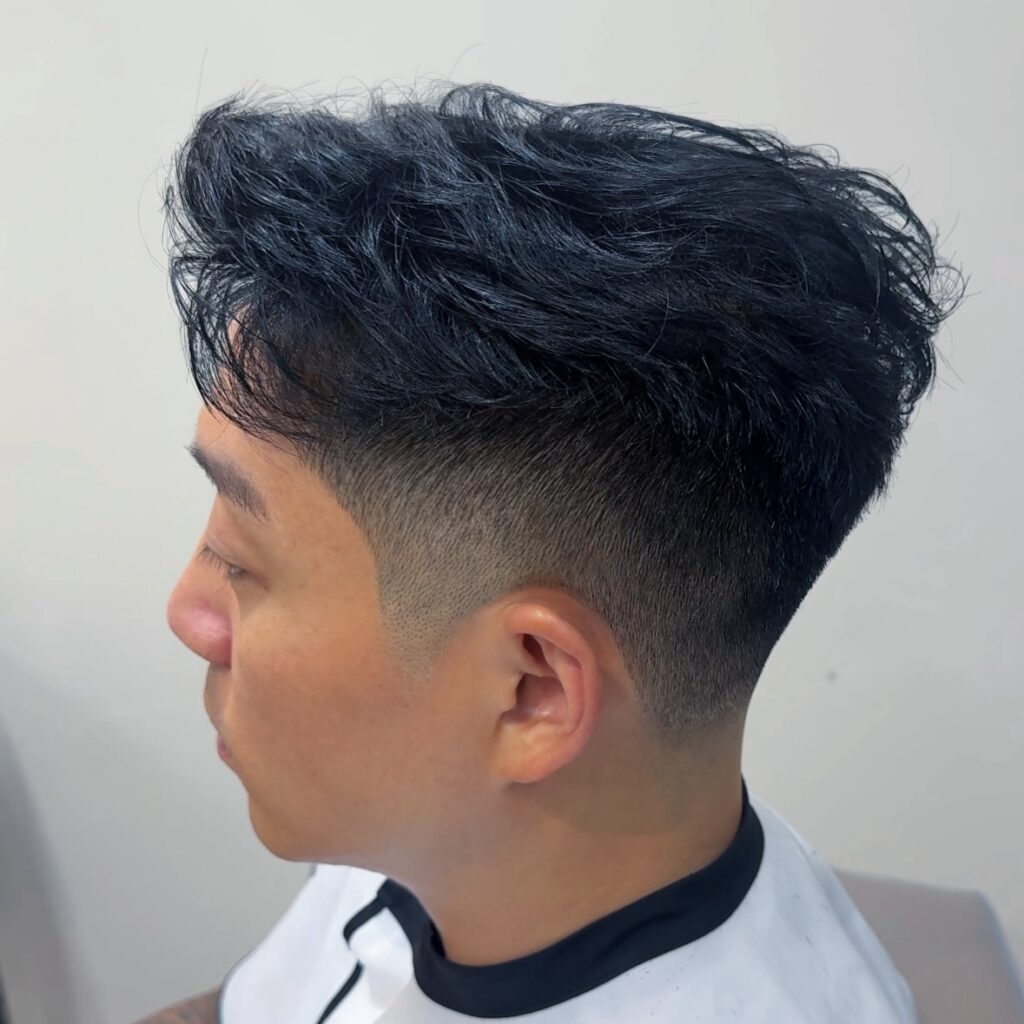
Pair the organic texture of a wavy quiff on top with a razor-sharp high skin fade on the sides and the contrast is genuinely striking. The fade draws the eye upward toward the wave volume, amplifying the height the quiff creates. This is currently one of the most popular barbershop requests and for good reason — it combines contemporary barber precision with the relaxed quality of wave texture. High skin fades also require less daily maintenance than longer side styles since there’s nothing to style below the fade line.
5. The Wavy Quiff with Mid Fade
Source: @Instagram
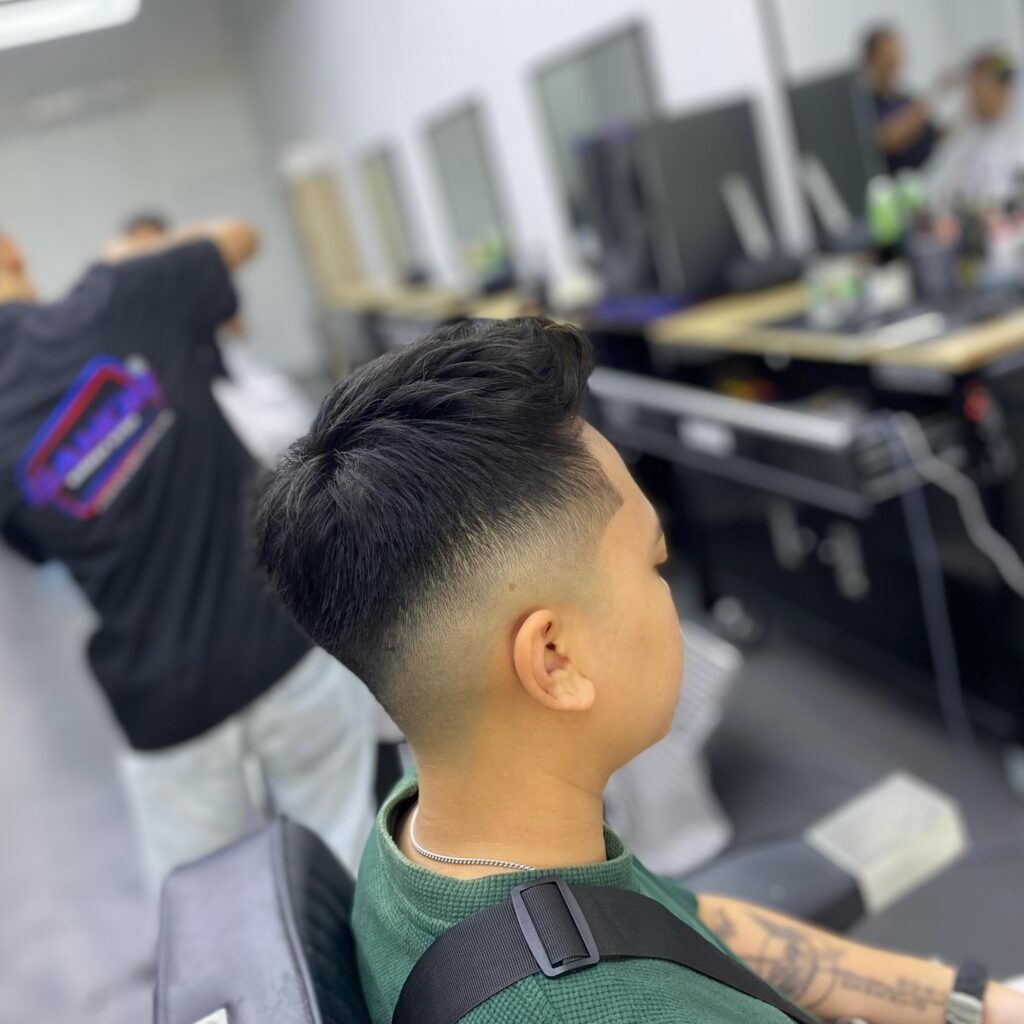
The mid fade hits at roughly ear level — a middle ground between the low fade (which starts near the neckline) and the high skin fade. On a wavy quiff, the mid fade creates a balanced silhouette that suits a wider range of face shapes than the high fade, which can add length to already-long faces. The mid fade also grows out more gracefully, buying an extra week or two between barbershop visits. For medium and thick hair types especially, the mid fade helps control bulk at the sides while leaving maximum material at the top for wave volume.
6. The Wavy Quiff with a Hard Part
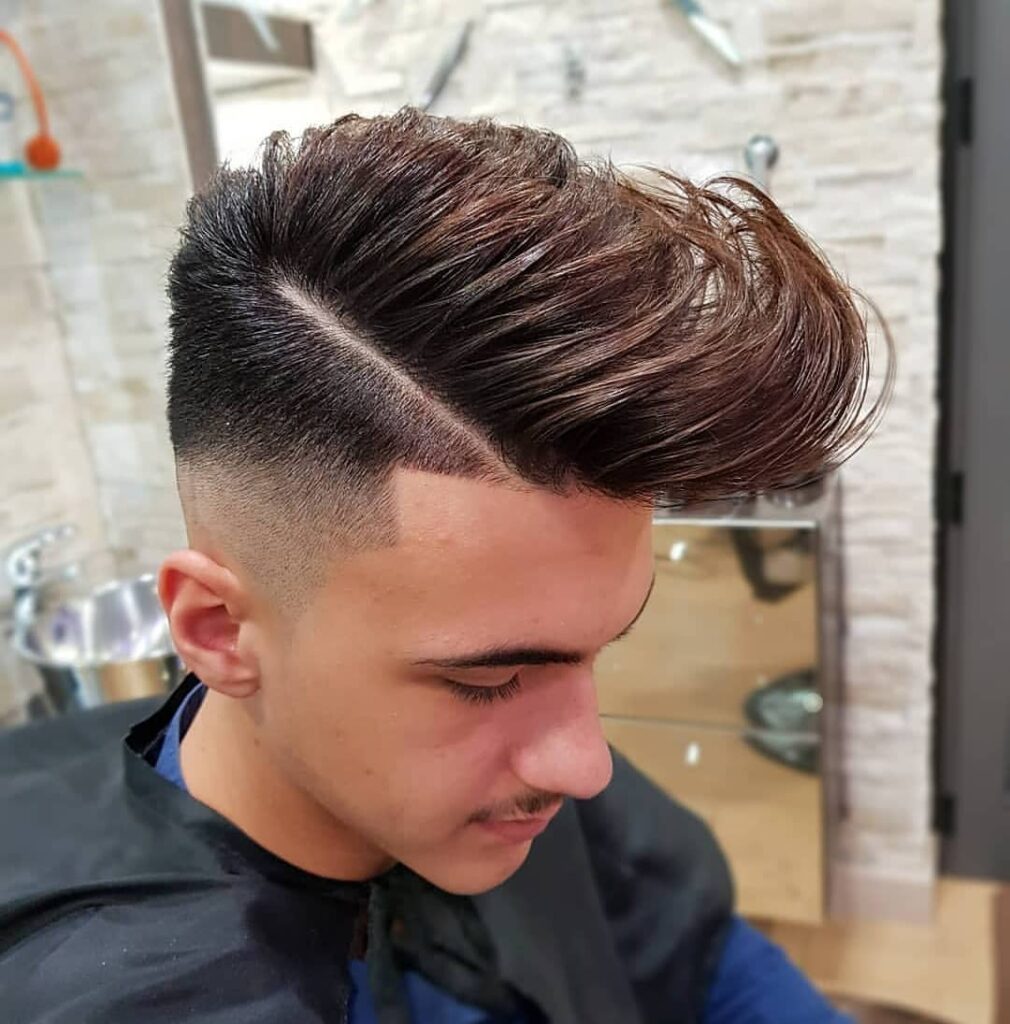
Source: @Instagram
A hard part — a shaved or razor-etched line at the side parting — adds architectural precision to the organic quality of wavy hair. The hard part signals that the style is intentional; the waves signal that it’s effortless. That combination is the core tension that makes this variation so visually interesting. Ask your barber to etch the hard part at your natural hairline parting position — fighting against your natural part creates a line that won’t stay in place and requires constant product reinforcement.
7. The Long Wavy Quiff (Two-Inch-Plus Length on Top)
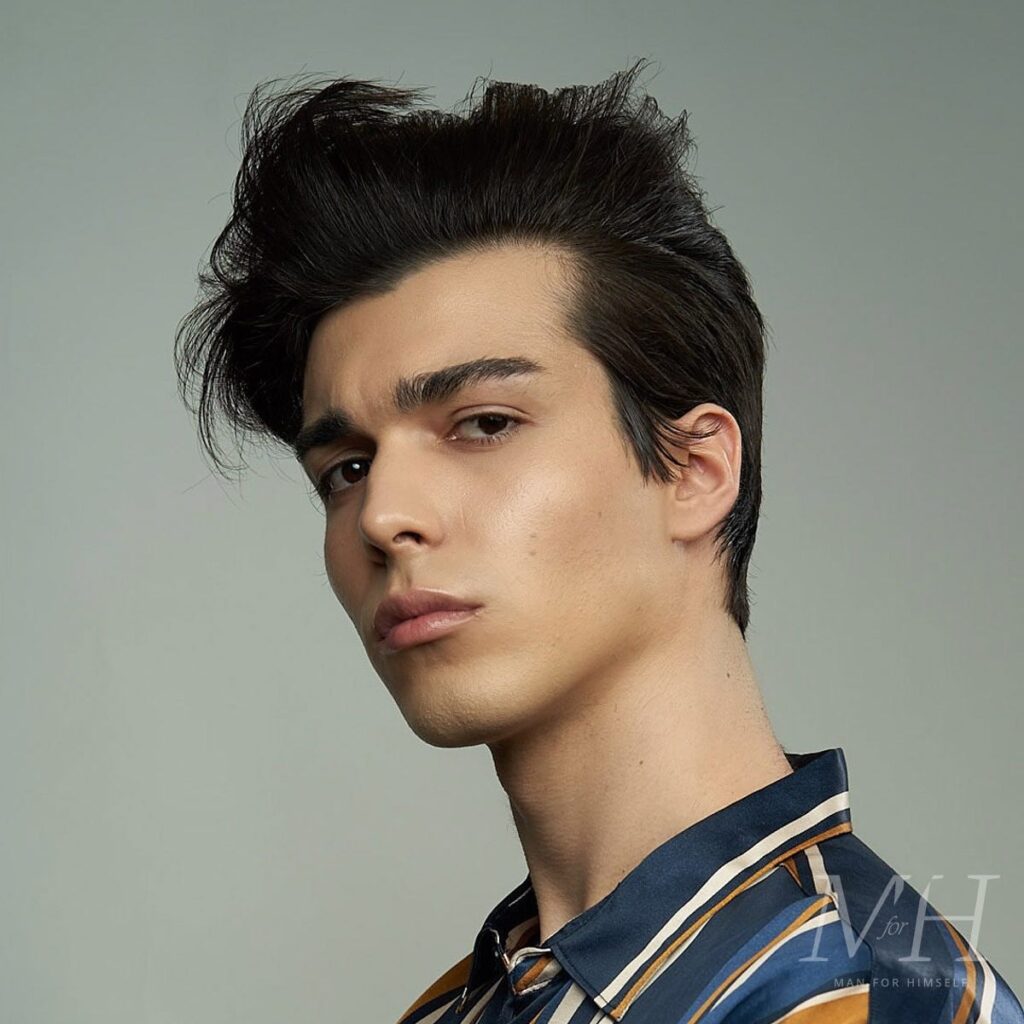
Source: @Instagram
When the top section grows to two inches or more, the quiff gains enough material for the waves to genuinely develop and cascade. A longer wavy quiff has more visual weight at the front and creates a crest of wave rather than a simple lift. This variation is ideal for those with naturally strong wave patterns — Type 2B and 2C wave types especially — where the wave has enough structure to hold its position with minimal product. Use a light pomade or hair wax (rather than heavy clay) to define without weighing down the length.
8. The Wavy Quiff with Taper Fade
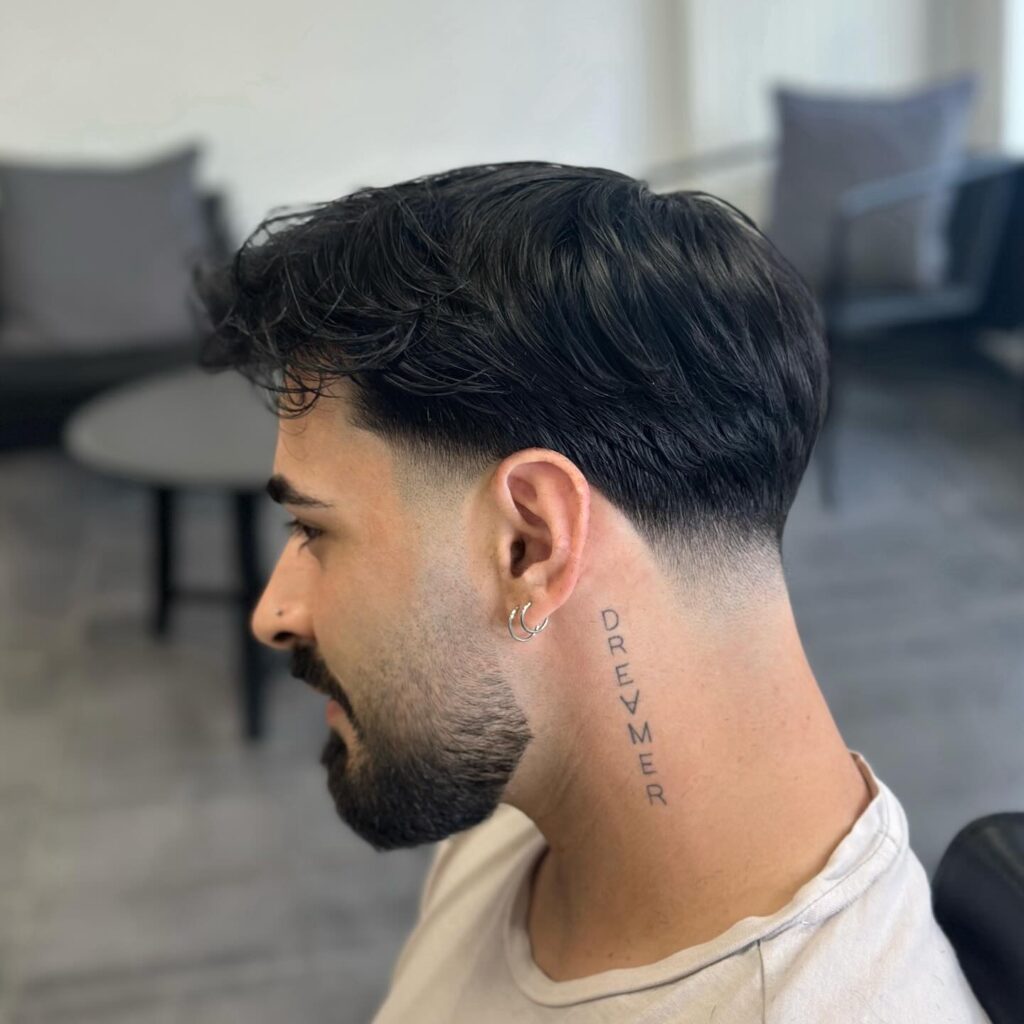
Source: @Instagram
A taper fade — which gradually decreases in length from the top down to the neckline without reaching bare skin — creates a softer, more traditional framing for the wavy quiff than a skin fade. The taper suits professional environments, classic aesthetics, and men who prefer a barbershop look that doesn’t shout “just got a haircut” immediately. On a wavy quiff, the taper fade provides clean structure without harsh contrast, making the overall look feel polished without rigidity. This is the most office-appropriate variation on the list.
9. The Wavy Quiff with Undercut
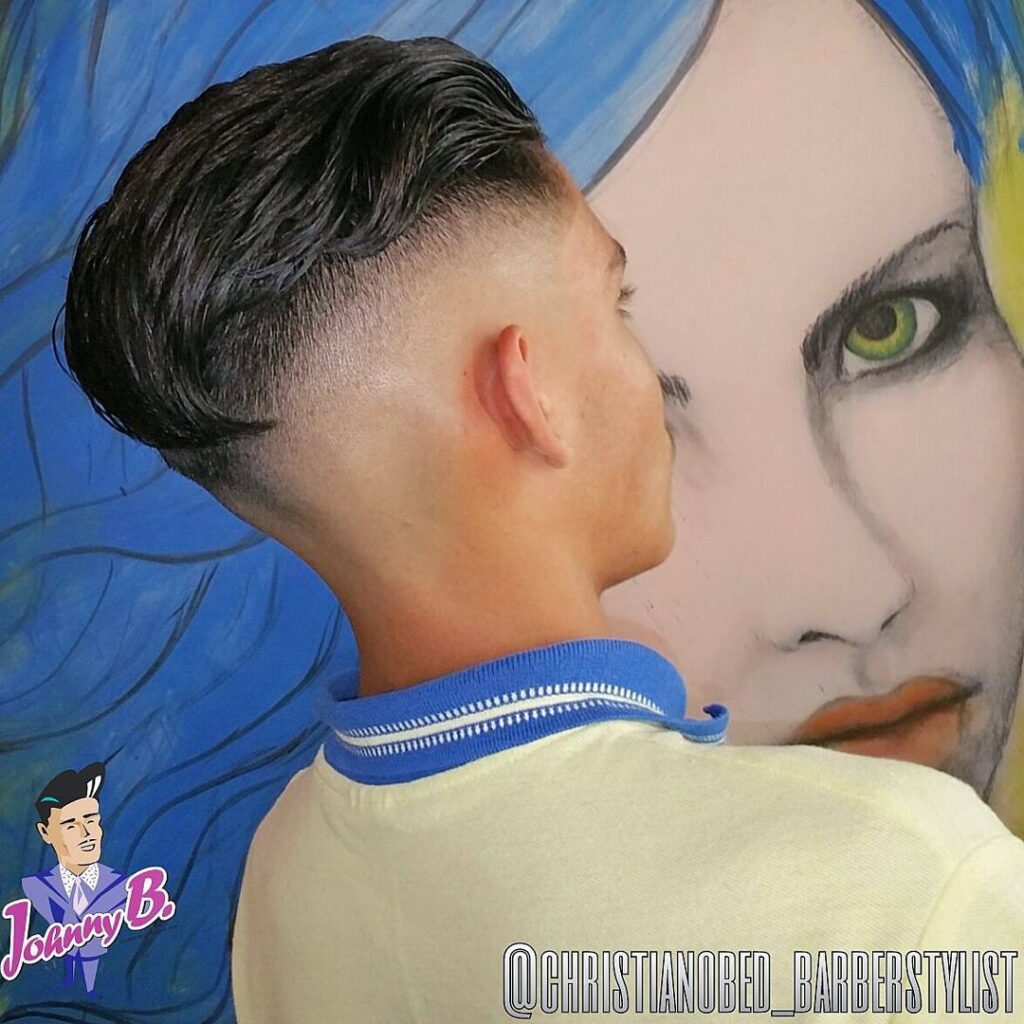
Source: @Instagram
An undercut — where the sides and back are cut very short underneath but covered by the longer top hair — creates a hidden contrast that’s revealed only when the hair moves or is pushed back. On a wavy quiff, the undercut provides a natural structure: the longer top section falls forward in its wave pattern while the undercut sides stay flat and controlled beneath. This style is particularly practical for thick hair because the undercut removes significant bulk without affecting the visible top layer.
10. The Side Swept Wavy Quiff

Source: @Instagram
Rather than sweeping straight forward and up, the side-swept variation pushes the front wave diagonally across the forehead — combining the quiff’s lift with a side-part sweep. The result is a style that sits between a classic quiff and a modern side part. On wavy hair, the diagonal sweep creates a graceful, flowing line at the forehead that’s incredibly flattering on rectangular and oblong face shapes where softness is needed. Blow dry toward the desired direction while the hair is still damp and finish with a light hold pomade for all-day retention.
11. The Wavy Quiff with Natural Curls Blended In
Source: @Instagram
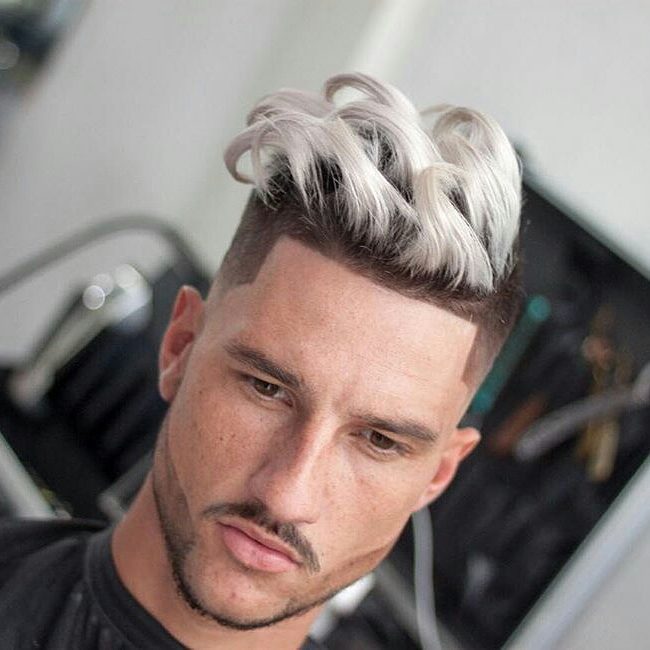
For men with hair that’s closer to curly than wavy — Type 2C to 3A — a quiff that leans into the curl pattern rather than stretching it out creates a unique, textured volume that straight or wavy hair simply can’t produce. The curls at the front crest into a rounded, voluminous quiff shape that holds its height without much product at all. The key is a haircut that leaves enough length at the front for curls to stack rather than just frizz. Use a curl cream on damp hair and diffuse upward to set the shape before finishing with a light-hold spray.
12. The Wavy French Crop Quiff Hybrid
Source: @Instagram
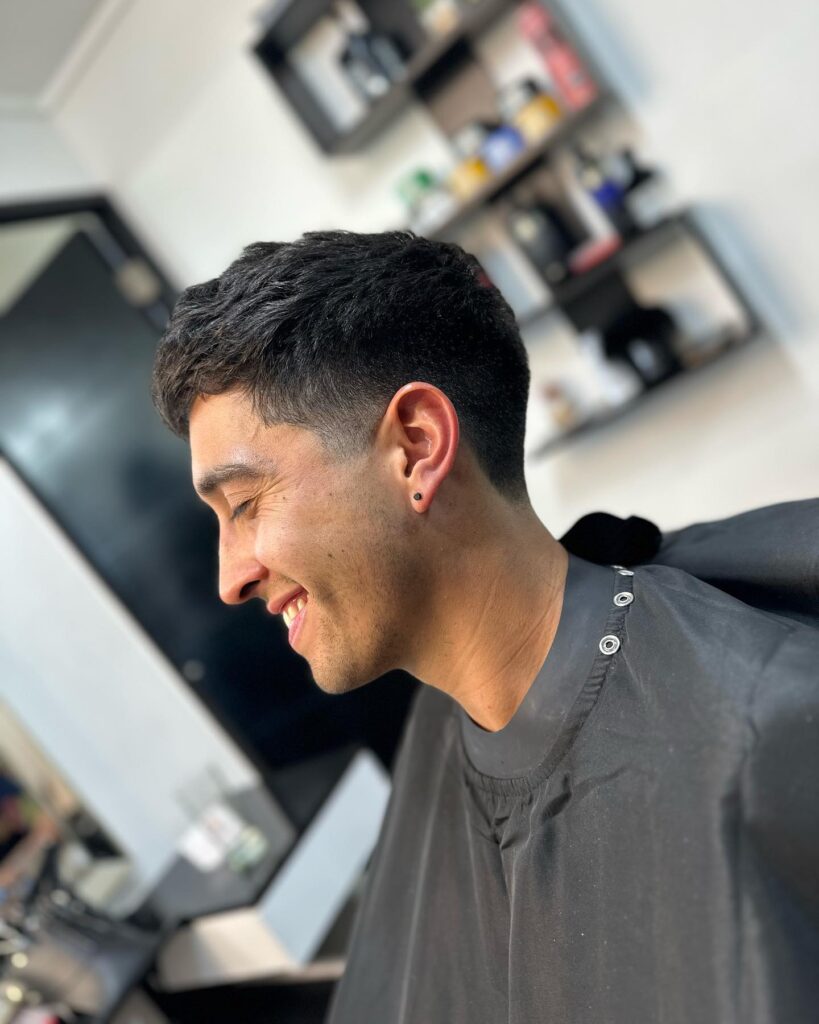
The French crop — characterized by a textured, forward-brushed top with a short fringe — shares structural DNA with the quiff but hugs closer to the head. Blending the two concepts on wavy hair creates a style with just enough quiff lift at the front to avoid the flat quality some French crops have. The waves give the fringe section movement and texture that elevates a standard French crop into something more personal and expressive. This hybrid is one of the most popular requests at European barbershops currently and suits round and square face shapes especially well.
13. The Voluminous Blowout Wavy Quiff
Source: @Pinterest
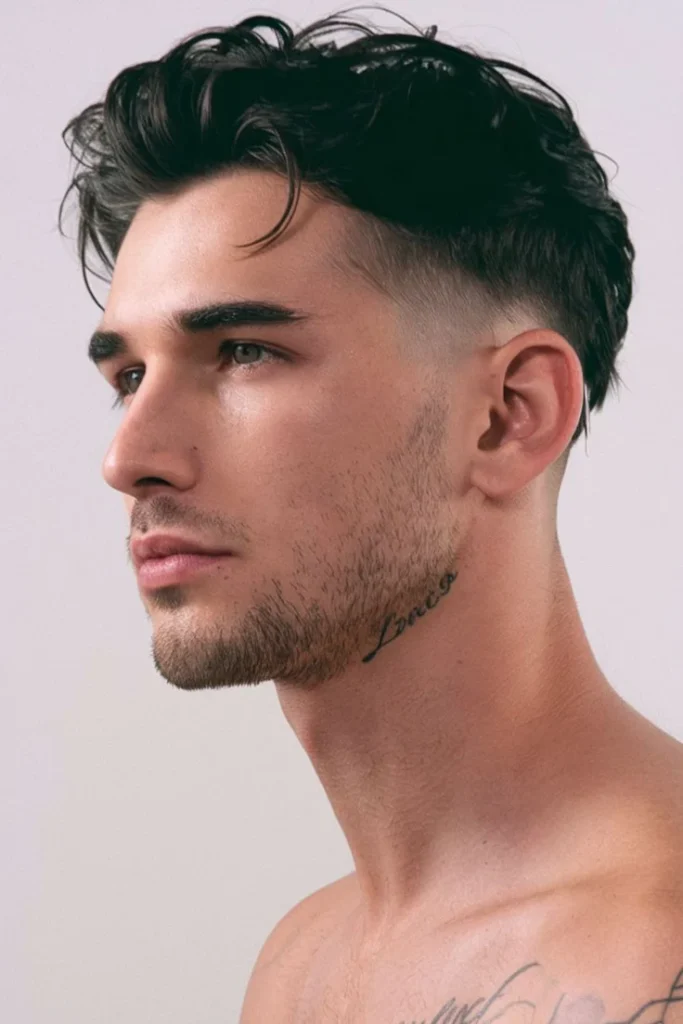
The blowout quiff takes the styling technique to its maximum potential — using a blow dryer, a paddle brush, and a round brush together to create extraordinary volume and lift at the front. The waves are enhanced and separated during the blowout process, creating defined crests and valleys of texture throughout the quiff. This variation requires the most styling effort but produces the most dramatic result. It suits thick and medium hair types that can support the volume without collapsing. A strong-hold clay applied section by section during the blowout locks the waves in place for all-day hold.
14. The Wavy Quiff for Receding Hairlines
Source: @Pinterest
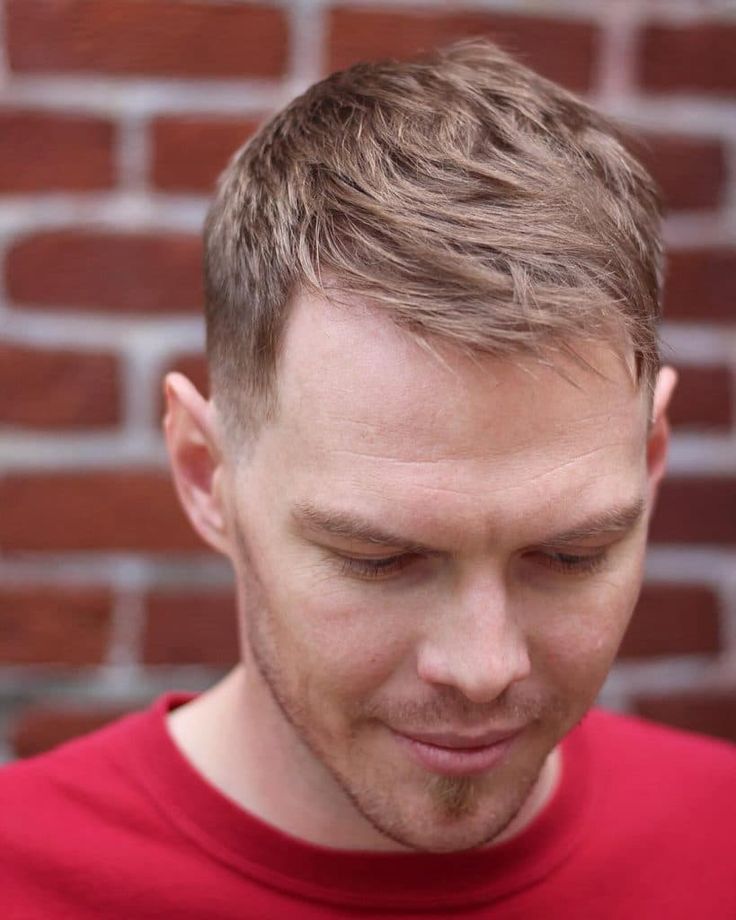
One of the most underrated benefits of the wavy quiff is how effectively it minimizes the appearance of a receding hairline. The forward sweeping direction of the quiff draws attention to the volume and height at the front center rather than the hairline edges. The wave texture adds visual density that compensates for any thinning. Key advice: avoid a very high fade with this variation because it exposes more of the temple area. Instead, opt for a mid or low fade that keeps more material at the sides to balance the overall silhouette.
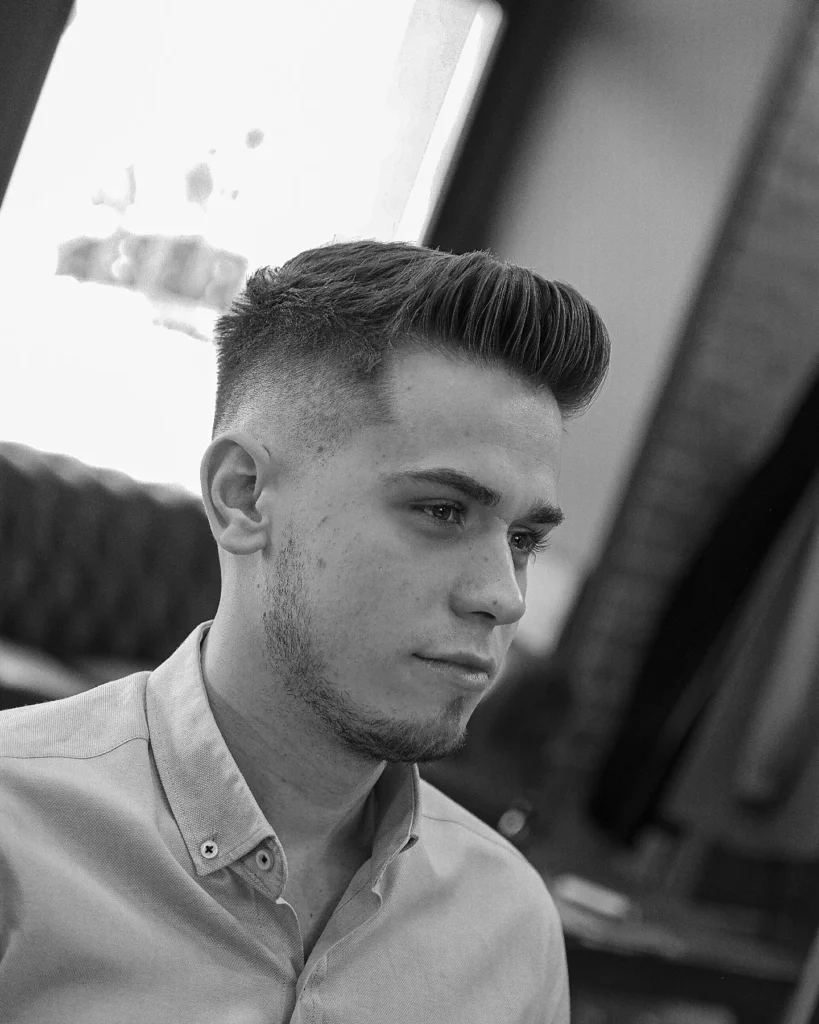
15. The Casual Wavy Quiff (Air-Dried, Minimal Product)
Source: @Instagram
The most relaxed entry on this list — and genuinely underrated. Wash your hair, apply a small amount of leave-in conditioner or a wave-enhancing cream, and let it air dry completely without touching it. The result is a naturally formed wavy quiff that shows your hair’s true wave pattern with nothing added beyond moisture and minimal hold. This approach works best for Type 2A and 2B wave types where the wave pattern is consistent and defined without extra help. It’s the definition of effortless — and on the right hair, it looks better than any heavily styled version.
Quick-Reference Table: Wavy Quiff by Face Shape, Hair Type & Occasion
Wavy Quiff Style Selector
| Variation | Best Face Shape | Best Hair Type | Occasion | Hold Product Needed | Styling Time |
|---|---|---|---|---|---|
| Classic Wavy Quiff | Oval, Square, Heart | All types | Everyday, office | Medium clay/paste | 5–8 min |
| Textured Disconnected | Oval, Oblong | Medium to thick | Creative, weekend | Strong texture paste | 8–10 min |
| Loose Beach Wavy Quiff | All shapes | Fine to medium | Casual, festivals | Light sea salt spray | 3–5 min |
| High Skin Fade Quiff | Oval, Heart | All types | Everyday, social | Medium clay | 5–7 min |
| Mid Fade Quiff | All shapes | Medium to thick | Office, everyday | Medium pomade | 5–8 min |
| Hard Part Wavy Quiff | Oval, Square | All types | Smart-casual | Light pomade | 6–8 min |
| Long Wavy Quiff | Oval, Oblong | Wavy (2B–2C) | Creative, social | Light wax | 8–12 min |
| Taper Fade Quiff | All shapes | All types | Office, formal | Light pomade | 5–8 min |
| Side-Swept Wavy Quiff | Rectangle, Oblong | All types | Smart-casual, office | Medium pomade | 5–7 min |
| Blowout Wavy Quiff | Oval, Square | Thick, medium | Events, nights out | Strong clay | 12–15 min |
| Receding Hairline Quiff | All shapes | Fine to medium | Everyday | Medium clay | 5–8 min |
| Air-Dried Casual Quiff | All shapes | Fine, wavy (2A–2B) | Weekends | Wave cream only | 0 min active |
Common Mistakes and How to Avoid Them
Applying product to completely dry hair. This is the single most common wavy quiff mistake. Most styling products — clays, pastes, pomades — distribute more evenly and activate wave texture more effectively when worked into hair that’s about 80% dry rather than bone dry. Completely dry hair causes product to clump at the surface rather than distributing through the hair shaft.
Using too much product. One pea-sized amount of clay or paste is almost always enough for a wavy quiff. More product adds weight that suppresses the very waves you’re trying to enhance. Start with less than you think you need — you can always add more but you can’t take it away without washing.
Fighting against your natural wave direction. Your hair’s natural wave pattern has a direction it wants to grow in. Styling directly against it requires more product, more effort, and more heat — and the style still won’t hold as long as one that works with your natural growth direction. Ask your barber to cut the quiff shape in a way that complements your natural wave direction rather than opposing it.
Choosing the wrong product type for your hair. Clay and matte paste give texture and hold but don’t add shine — ideal for a natural, lived-in wavy quiff. Pomade adds hold with shine — better for the more polished, side-swept or taper fade variations. Using a shiny pomade on a deliberately undone wavy quiff makes it look greasy rather than styled. Match the product finish to the intended aesthetic of your variation.
Skipping the blow dryer entirely. While the air-dried casual quiff works for specific wave types, most wavy quiff variations benefit from at least a partial blow dry to establish the foundation of height and direction before applying product. Without even a quick rough-dry, the quiff often lacks the lift that defines the style.
Getting the wrong haircut for your wave type. A quiff on very fine, limp waves needs more length to build volume. A quiff on thick, coarse waves needs weight removed so the wave doesn’t overwhelm the shape. Communicate your wave type, texture, and desired outcome clearly before any scissors start moving.
Similar Variations Worth Exploring
- The pompadour: Shares the front-sweep height with the quiff but has more volume and roundness at the front section. Historically more structured; the wavy version bridges both worlds.
- The modern slick back: For days when you want the quiff’s sides without the front volume — sweep the waves straight back rather than forward for a completely different but equally polished look from the same haircut.
- The textured fringe: A forward-brushed fringe without the quiff’s lift — flatter, more European in character, and equally suited to wavy hair. A natural next step if you want less height.
- The quiff fade with curls: For curlier hair types, following the quiff structure but embracing full curl definition on top rather than wave texture creates a distinct variation with its own visual personality.
- The faux hawk: Channels the quiff’s central height but distributes it along a strip from front to back rather than concentrating at the forehead. More dramatic, equally wearable on wavy hair.
Hair Care Tips for a Wavy Quiff
Your wave quality is the foundation of the entire style. Protect it.
Shampoo every two to three days, not daily. Daily washing strips the natural oils that give wave patterns their definition and bounce. Those oils are part of what holds your wave in place without product. Overwashing leads to frizz, dryness, and waves that won’t cooperate. On non-wash days, rinse with water and conditioner only.
Use a conditioner formulated for wavy or textured hair. Wavy hair needs moisture to maintain its curl pattern without frizzing. A lightweight conditioner applied from mid-length to ends — not the roots — keeps the wave hydrated without adding heaviness that flattens the quiff’s volume.
Scrunch a wave-enhancing product in while hair is soaking wet. The best time to encourage and define your natural wave pattern is immediately after washing, while the hair is saturated. Scrunch a wave cream or curl-enhancing lotion upward from ends to roots while standing upright — the upward motion encourages the wave to stack rather than hang.
Sleep on a satin pillowcase or use a hair wrap. Cotton pillowcases create friction that disrupts wave patterns and causes frizz overnight. A satin or silk pillowcase dramatically reduces this friction, meaning you wake up with waves that are closer to your styled result and require significantly less restyling in the morning.
Get a trim every four to six weeks. The quiff’s shape depends on the specific weight distribution your haircut creates. As the hair grows, the top section becomes too heavy for the waves to lift properly and the sides lose their definition. Regular trimming maintains the architectural balance that makes the wavy quiff work.
Use heat protectant every time you blow dry. Even a quick rough-dry applies significant heat to hair. A spray heat protectant applied to damp hair before any dryer contact prevents cumulative damage that leads to frizz, brittleness, and loss of wave definition over time.
Outro
The wavy quiff is genuinely one of the most rewarding men’s hairstyles to commit to — once you understand your wave type, find the right product, and get a haircut that works with your natural texture, the daily styling routine becomes almost automatic. Five to ten minutes in the morning produces a result that looks considered, effortless, and completely yours.
Start with one of the lower-maintenance variations — the loose beach quiff or the air-dried casual quiff — to understand how your waves naturally behave, then build toward more structured versions as your confidence grows. The wavy quiff rewards those who pay attention to their hair, and that investment comes back to you every single time you look in the mirror.