15 Baby Girl Haircut Styles That Are Absolutely Adorable (And Actually Practical)
Ever stood in a salon with your tiny daughter, completely clueless about what haircut to ask for? I’ve been there — and trust me, it’s more overwhelming than it sounds. Baby girl haircut styles are one of those things nobody really prepares you for as a parent.
As a hair enthusiast who has researched and documented dozens of children’s haircut trends, styling techniques, and age-appropriate looks, I’ve put together the most thorough guide you’ll find anywhere on this topic. Everything here is grounded in real stylist advice, child-safe practices, and what actually works for little ones.
What are the best baby girl haircut styles? The top baby girl haircut styles include the classic bob, wispy layers, the butterfly cut, micro bangs, the pixie cut, soft fringe layers, the lob (long bob), rounded bowl cut, curtain bangs, side-swept styles, tendrils with trim, the shaggy cut, blunt-end trims, feathered layers, and the chic top-knot trim. Each style suits different hair textures, thicknesses, and ages — typically ranging from 6 months to 5 years.
Keep reading because I’ll break down every single one of these styles in detail — including which textures they suit best, how to maintain them at home, common mistakes parents make, and professional tips to keep your baby girl’s hair healthy and gorgeous all year round.
Baby Girl Haircuts: Why the Right Cut Actually Matters
Before we dive into the styles, let me be real with you — not all haircuts are created equal for baby girls. Their hair is fine, often uneven in growth, and sometimes still developing its natural texture. A bad cut can make hair look thinner, create awkward grow-out phases, or even be uncomfortable for the child.
The right cut does three things: it flatters the face shape, suits the hair’s natural texture, and is easy enough for a busy parent to manage on a Tuesday morning. That’s the sweet spot we’re aiming for with every style on this list.
15 Best Baby Girl Haircut Styles
1. The Classic Bob
Source: @Instagram
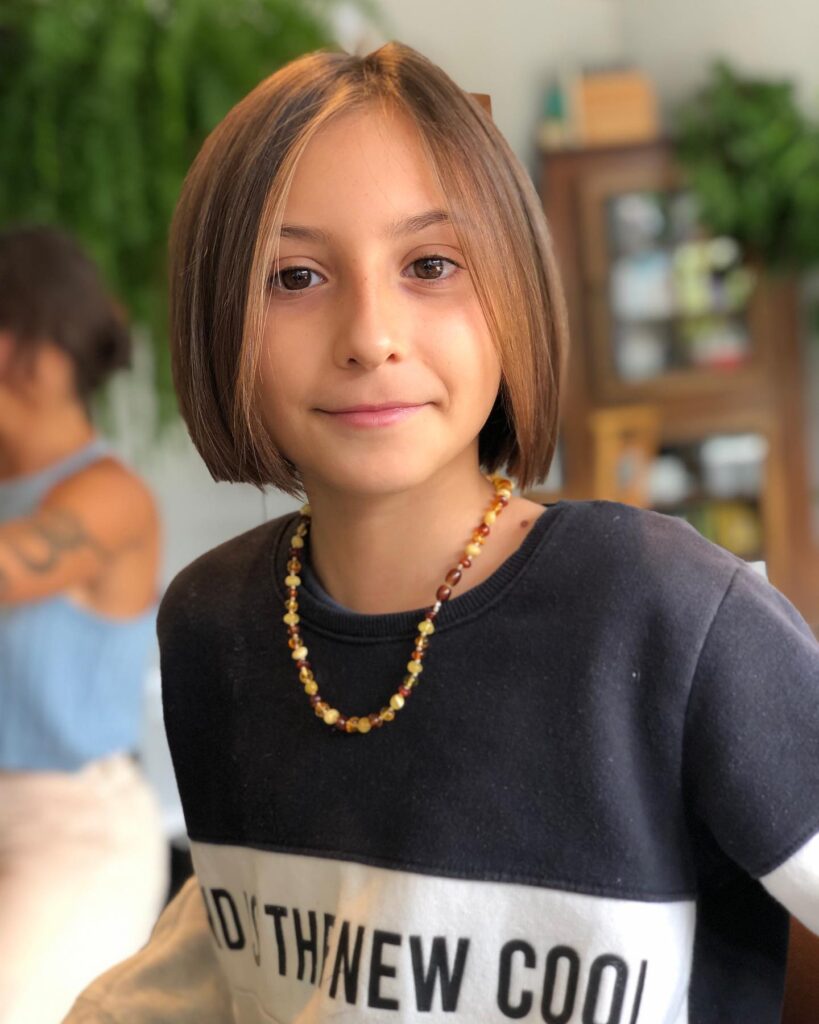
The classic bob is the undisputed queen of baby girl haircuts — and for very good reason.
Clean, symmetrical, and endlessly versatile, the classic bob sits anywhere from the chin to just below the ears. It works beautifully on fine to medium hair and gives the illusion of fullness where baby hair might otherwise look sparse. The straight-across cut at the bottom adds a polished, intentional look that photographs incredibly well.
For babies with round faces, a chin-length bob elongates the face slightly. For narrow faces, a shorter bob just below the ears adds visual width. Ask your stylist for a slight internal layering to reduce weight if your baby’s hair is thicker.
Practical tip: The bob grows out gracefully. You won’t be rushing back to the salon every 6 weeks — a trim every 10–12 weeks keeps it looking neat.
Best for: Straight or wavy hair | Ages 1–5 | Fine to medium thickness
2. Wispy Layered Cut
Source: @Instagram
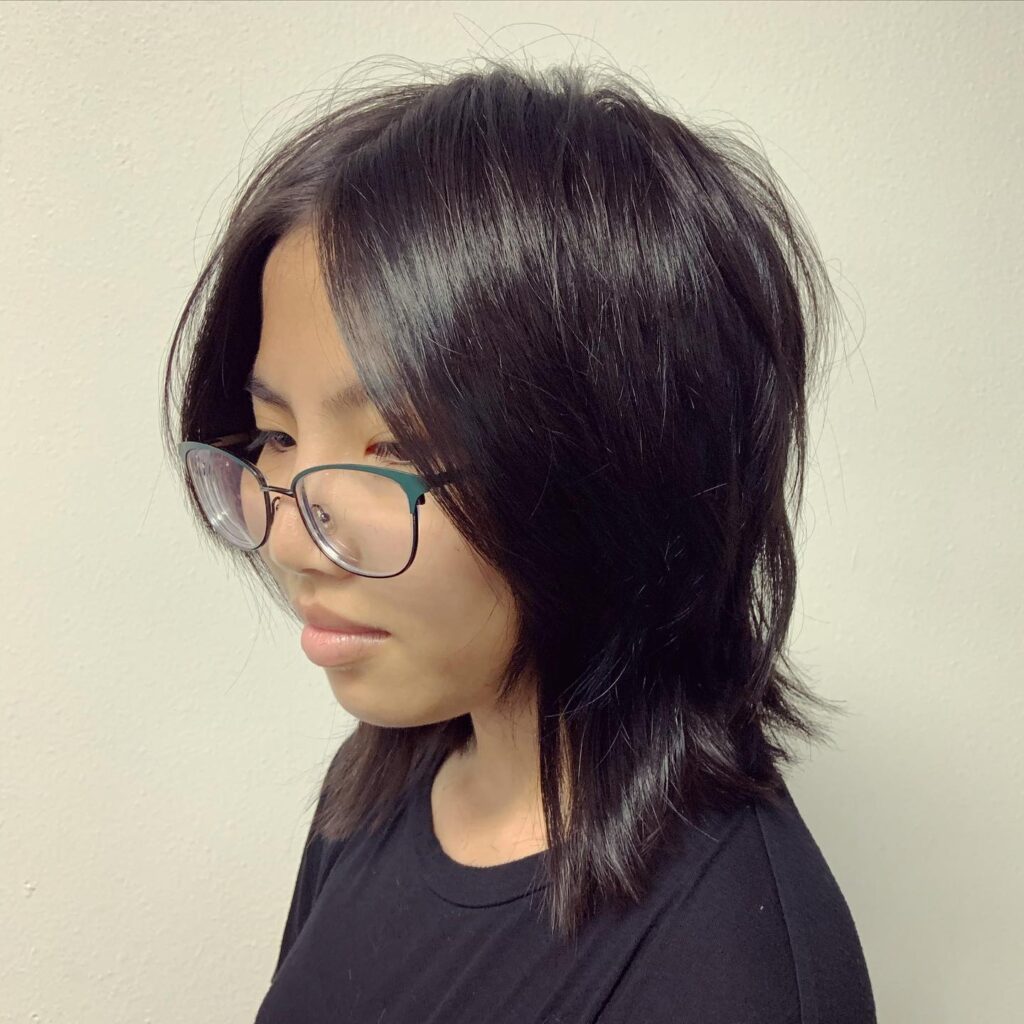
Nothing looks more naturally beautiful on a baby girl than wispy, featherlight layers that move with every giggle.
Wispy layers are especially perfect for babies whose hair is still in that early growth stage — uneven, fine, and determined to do its own thing. Instead of fighting the texture, this cut works with it. The stylist removes weight from the ends and through the mid-lengths, creating soft movement that frames the face.
This isn’t a precise, structured cut. It’s intentionally relaxed and undone-looking. That’s the magic of it. Add a tiny clip or bow and you’ve got an effortlessly pretty look that takes zero effort to style.
Practical tip: Use a wide-tooth comb on damp hair before bed. It prevents tangles from forming overnight without damaging delicate strands.
Best for: Fine, wispy hair | Ages 6 months–3 years | All thicknesses
3. The Butterfly Cut
Source: @Instagram
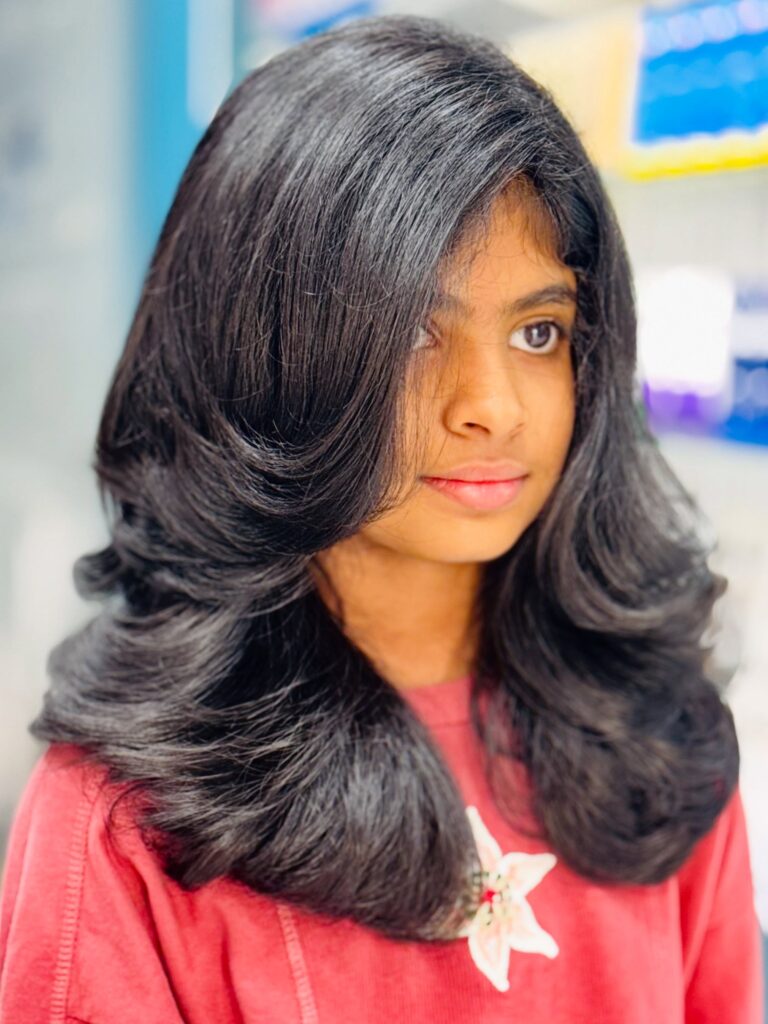
The butterfly cut has taken social media by storm — and yes, it works beautifully on baby girls too.
Originally popularized for adult women, the butterfly cut features shorter layers at the crown that blend into longer lengths below. On baby girls, this translates into a soft, voluminous look where the hair near the face is slightly shorter, creating a “wing-like” silhouette. It’s playful, modern, and incredibly photogenic.
This cut is ideal for babies with naturally wavy or curly hair because the layers enhance the texture rather than flatten it. It also adds beautiful movement and bounce that straight-cut styles simply can’t match.
Practical tip: Let the hair air dry after bath time. The natural curl pattern will activate the layers perfectly without any styling tools.
Best for: Wavy or curly hair | Ages 2–5 | Medium to thick thickness
4. Baby Bangs with Soft Length
Source: @Instagram
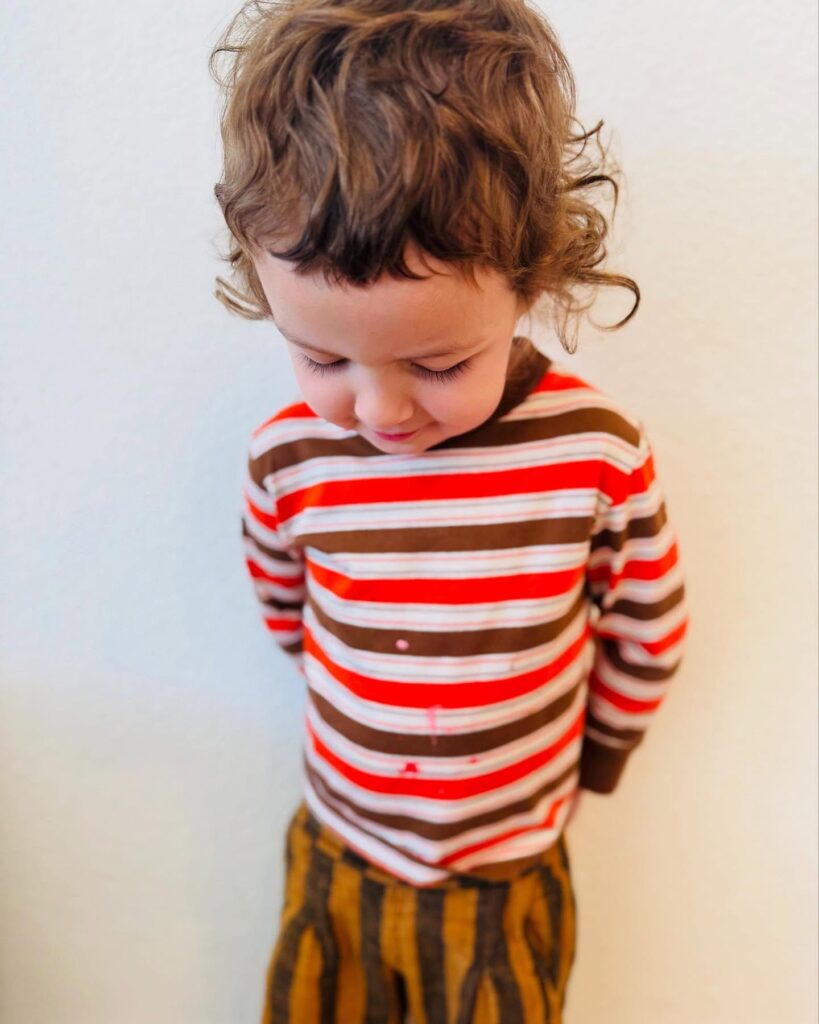
Baby bangs on baby girls? Yes — and they are absolutely everything.
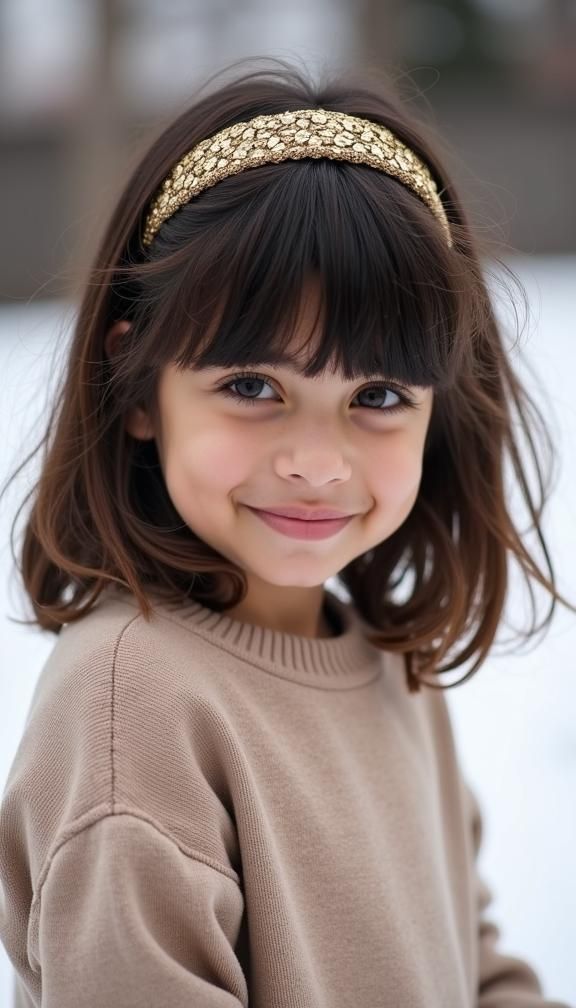
Baby bangs sit high on the forehead, usually 1–2 inches above the brow line. On little ones, this style creates an almost doll-like appearance that is undeniably cute. Keep the rest of the hair at a medium length — chin to shoulder — for balance, and the overall look is chic without being fussy.
One thing to watch- make sure your stylist cuts them straight and even. Uneven baby bangs on fine baby hair are hard to fix. Always request a dry trim on bangs, as wet hair tends to spring up once it dries.
Practical tip: A tiny bit of baby safe hair balm rubbed between the fingers and smoothed over the bangs keeps flyaways in check without any stiffness.
Best for: Straight hair | Ages 2–5 | Fine to medium thickness
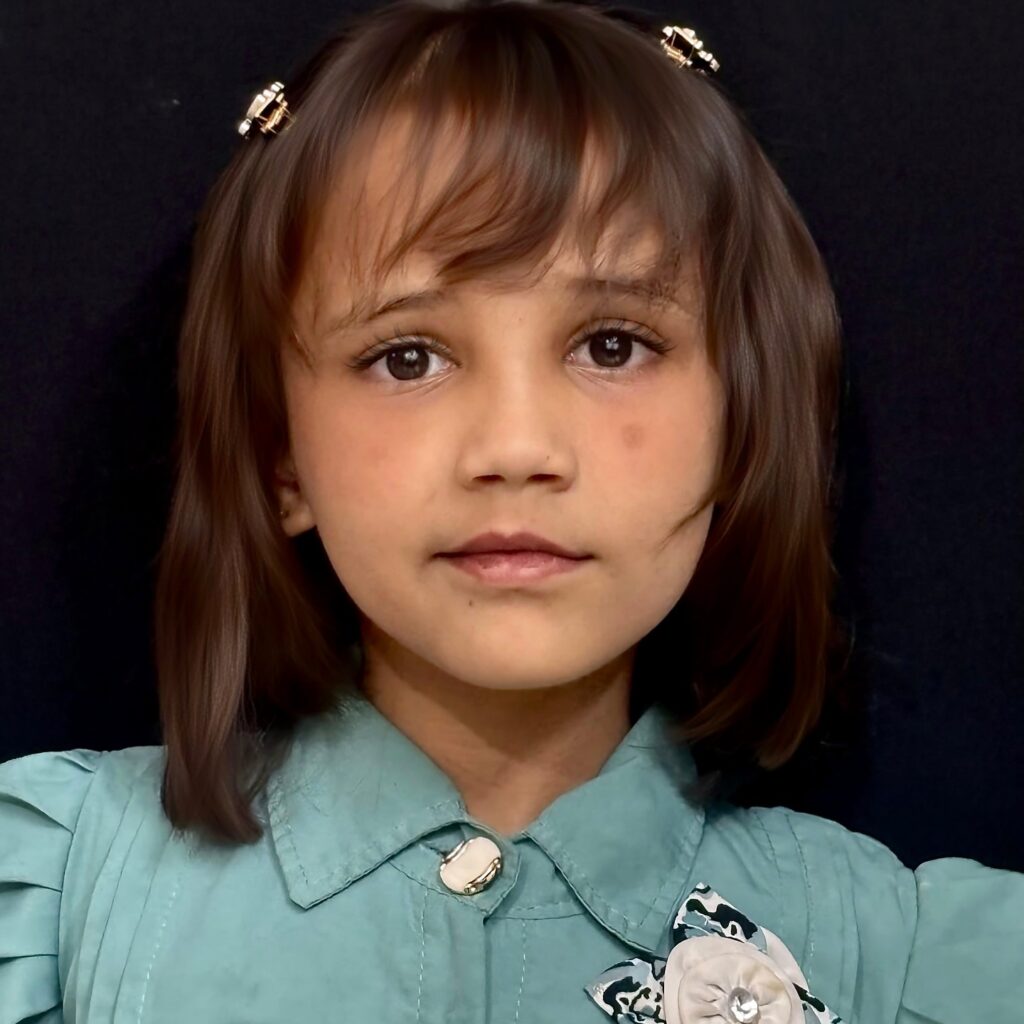
5. The Pixie Cut
Source: @Instagram
Bold, fearless, and impossibly cute — the baby pixie cut is for the little girl who was born to stand out.
The pixie cut is short all over, typically keeping about 1–2 inches of length on top with even shorter sides. It’s a fantastic option for babies with thick, fast-growing hair that gets tangled easily, or for parents who want a truly low-maintenance cut.
Far from masculine, a baby girl’s pixie cut looks absolutely feminine and adorable — especially when paired with a floral headband or tiny bow clip. Some stylists add a touch of soft fringe at the front to keep it sweet.
Practical tip: Ask for a “textured pixie” rather than a blunt one. The textured version has slight point-cutting through the top, creating dimension that flat, fine hair desperately needs.
Best for: Thick or curly hair | Ages 1–4 | Medium to thick thickness
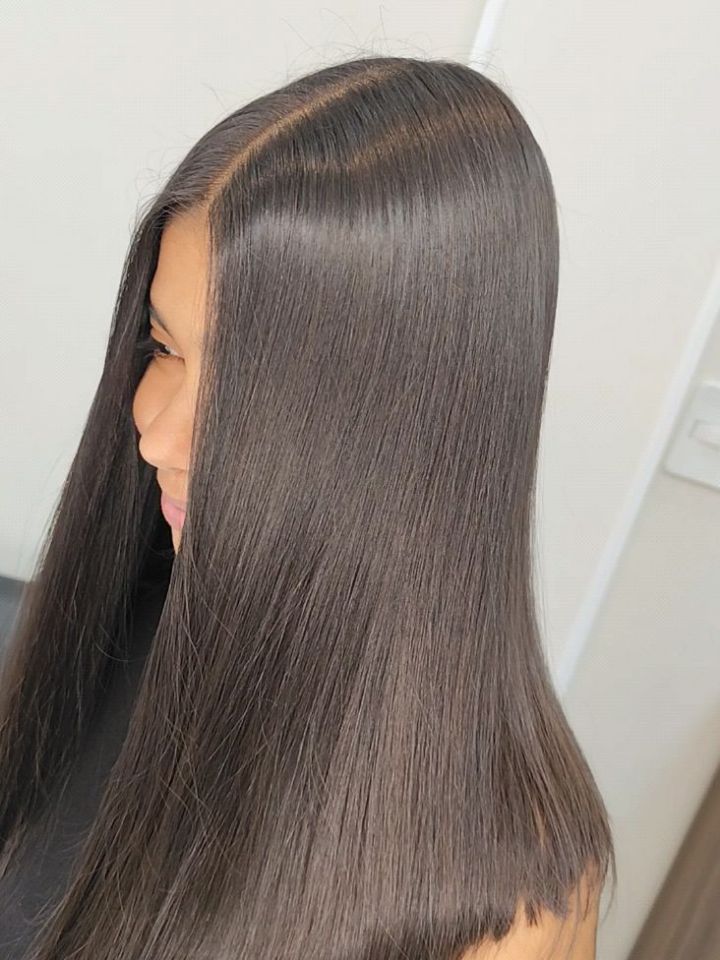
6. The Long Bob
Source: @Instagram
Think of the long bob as the grown-up bob’s cooler, more relaxed sibling — perfect for baby girls with a little more length.
The long bob sits anywhere from the collarbone to the shoulders. It’s longer than the classic bob but still structured enough to look intentional. This style is brilliant for parents who want something that offers versatility — hair long enough for a small ponytail or pigtails, but short enough to stay tangle-free.
The long bob suits almost every face shape and works on nearly all hair textures. Ask your stylist to add the slightest internal layering for movement, especially if your baby girl’s hair tends to lie flat.
Practical tip: Keep a small spray bottle with a water-and-detangler mix by the bathroom sink. A quick spritz and gentle brush-through makes morning routines a dream.
Best for: All textures | Ages 2–5 | All thicknesses
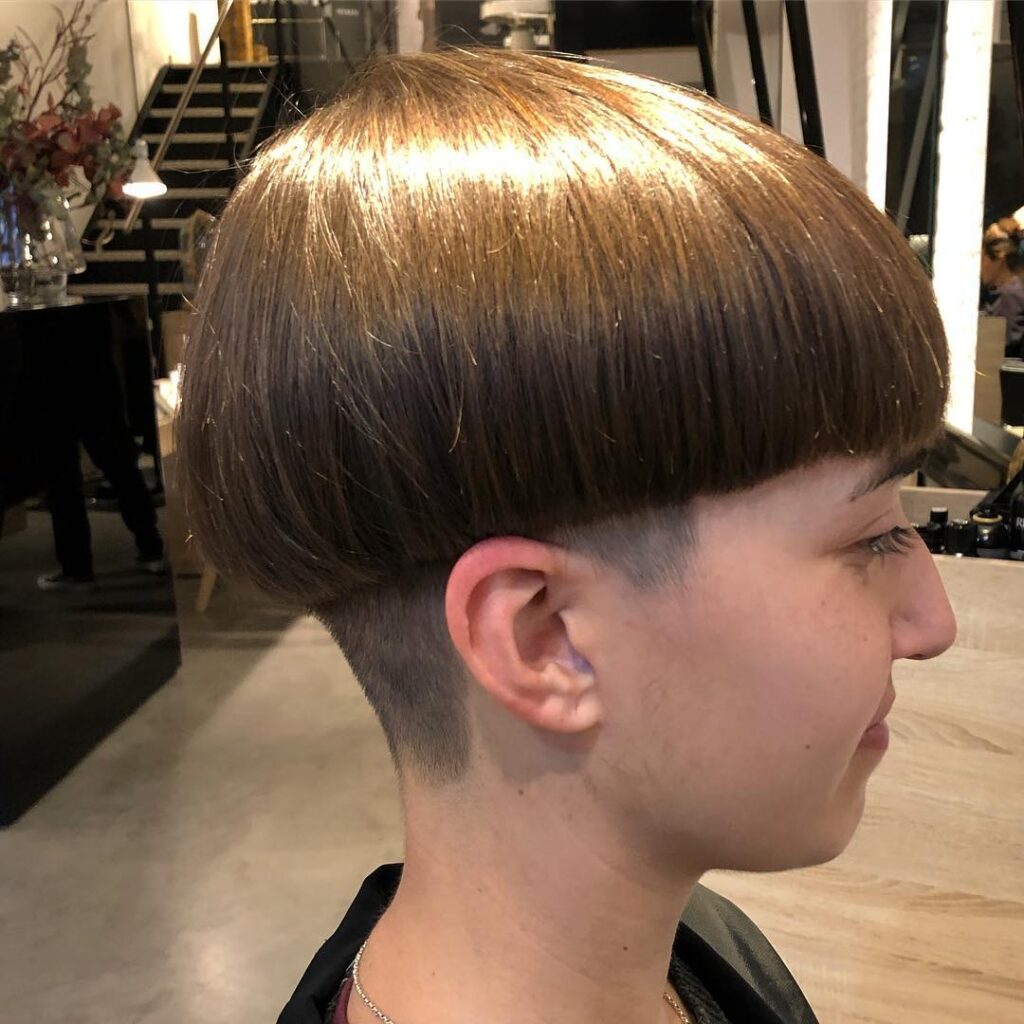
7. Bowl Cut
Source: @Instagram
The bowl cut is back — and when done right on a baby girl, it is irresistibly charming.
Today’s bowl cut is softer than its ’90s predecessor. Instead of harsh lines, the modern version features curved, blended edges that sit just below the ears. The length on top is kept uniform, creating a rounded cap effect that’s incredibly sweet on toddler faces.
This cut works especially well for babies with fine, straight hair. The uniform length creates the illusion of density, making the hair appear fuller and thicker than it actually is.
Practical tip: A bowl cut grows out awkwardly if you skip trims. Schedule a tidy-up every 8 weeks to keep the shape clean.
Best for: Straight, fine hair | Ages 1–4 | Fine to medium thickness
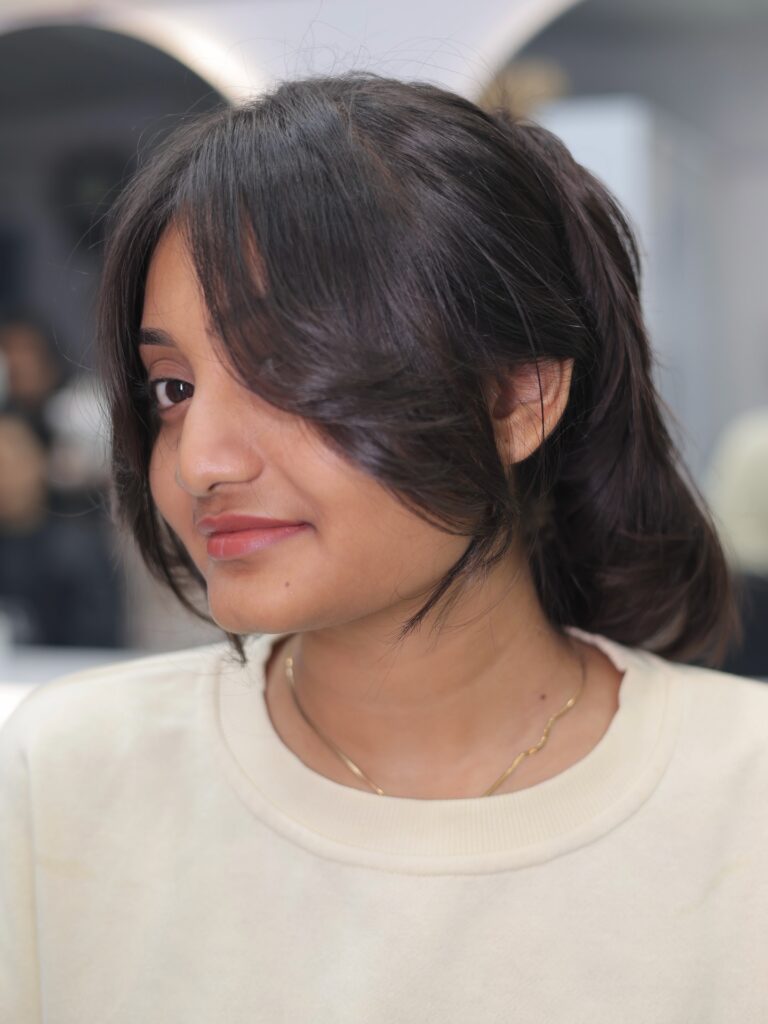
8. Curtain Bangs with Long Layers
Source: @Instagram
Curtain bangs are one of the most flattering fringe styles ever created — and yes, they look incredibly sweet on baby girls.
Curtain bangs are parted down the middle and fall softly to either side of the face, framing it like — you guessed it — curtains. Paired with long, layered hair, this creates a look that’s romantic, soft, and utterly adorable. It suits oval and round face shapes equally well.
The beauty of curtain bangs is that they’re forgiving. As they grow out, they naturally blend into the layers without looking awkward. That means fewer trips to the salon to maintain them.
Practical tip: Part the hair damp down the middle and let it air dry. The curtain bang shape sets naturally without any blow-drying needed.
Best for: Straight to wavy hair | Ages 2–5 | All thicknesses
9. Side Swept Fringe with Layers
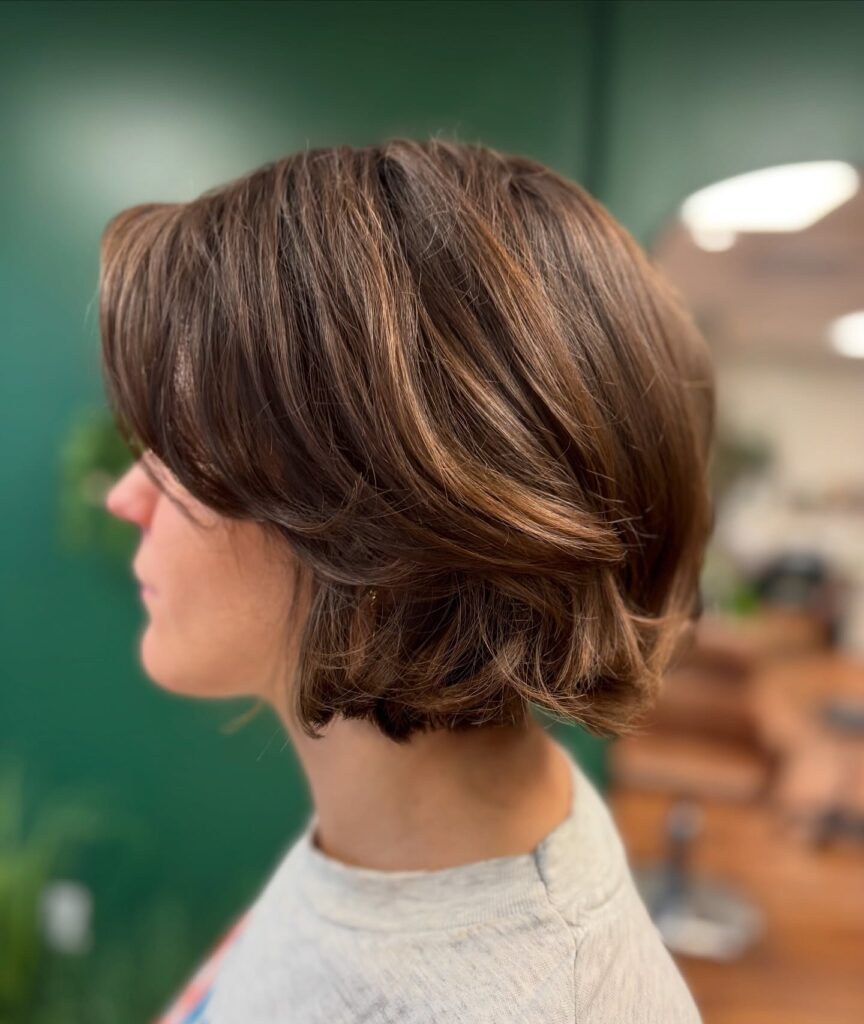
Source: @Instagram
A side swept fringe adds instant personality and softness to any baby girl’s look.
Unlike blunt bangs, a side swept fringe is angled and falls across the forehead at a gentle diagonal. It’s a great alternative for parents who love the look of bangs but want something a little more relaxed and less maintenance heavy. Combined with soft layers at the back and sides, this style frames the face beautifully.
It also works wonderfully for babies with a slightly asymmetrical hairline — the sweep direction can be chosen to balance the natural growth pattern.
Practical tip: Use a soft bristle brush (not plastic) to sweep the fringe to one side after a bath. Setting the direction while damp trains the hair to fall naturally over time.
Best for: Straight to wavy hair | Ages 2–5 | Fine to medium thickness
10. Tendril Hairstyles
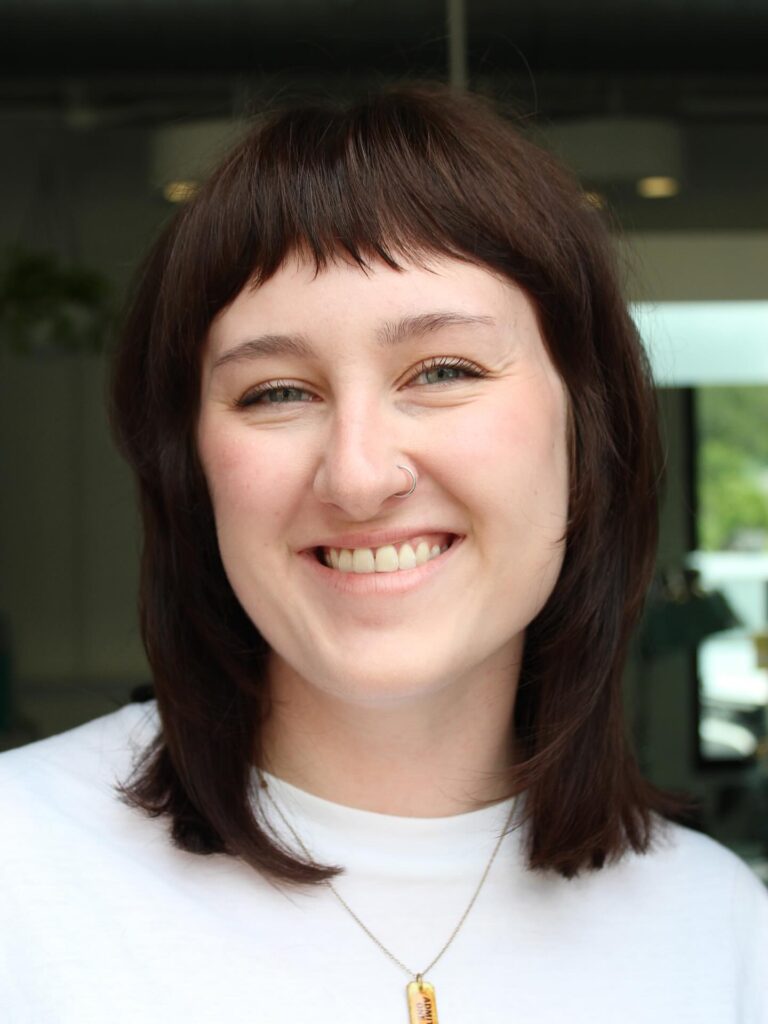
Source: @Instagram
Sometimes, all a baby girl needs is a simple, precise trim — and the tendrils is the most beautiful version of “keeping it natural.”
The tendrils is for babies with naturally curly or ringlet hair. The stylist trims the ends evenly while preserving the curl pattern entirely — no layering, no reshaping. The result is defined, bouncy curls that hang in gorgeous tendrils around the face.
This is perhaps the most gentle haircut on this list, and for curly haired babies, it’s often the best first haircut to start with. It maintains length while removing split ends and encouraging healthier curl definition.
Practical tip: Always cut curly baby hair dry, not wet. Wet curls stretch significantly and spring back after drying — what looks like an inch wet can be two inches shorter once dry.
Best for: Curly or ringlet hair | Ages 1–4 | Medium to thick thickness
11. The Shaggy Cut
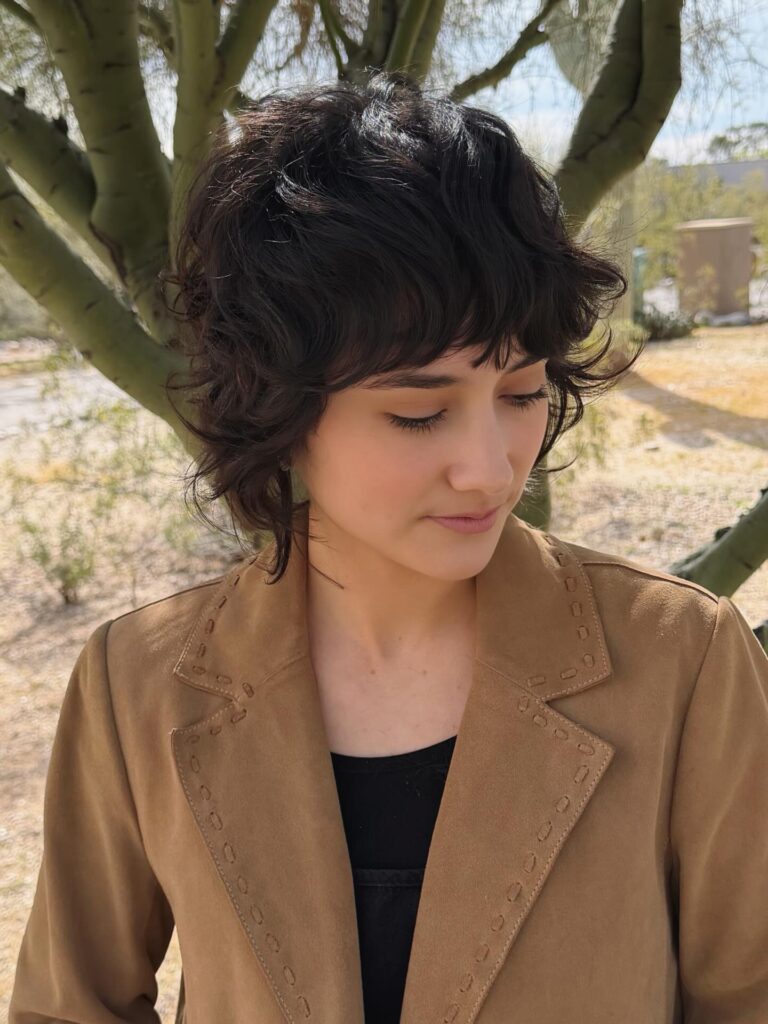
Source: @Instagram
The shaggy cut is the definition of effortlessly cool for little girls who love movement in their hair.
The shaggy cut features heavy point-cutting and razoring throughout all the layers, creating a deliberately textured, “just-tumbled-out-of-bed” look that is packed with personality. It’s a little undone, a little rock-and-roll, and completely adorable on small children. Pair it with wispy face-framing pieces and the look is complete.
This style is especially brilliant for thick-haired babies whose weight tends to drag the hair flat. The heavy layer removal lifts the entire silhouette and creates gorgeous movement.
Practical tip: Scrunch damp hair gently with a microfiber towel (no rubbing) to encourage the textured shape. Add a pea-sized amount of curl cream if the hair has any natural wave.
Best for: Wavy or thick straight hair | Ages 2–5 | Medium to thick thickness
12. Blunt Cut
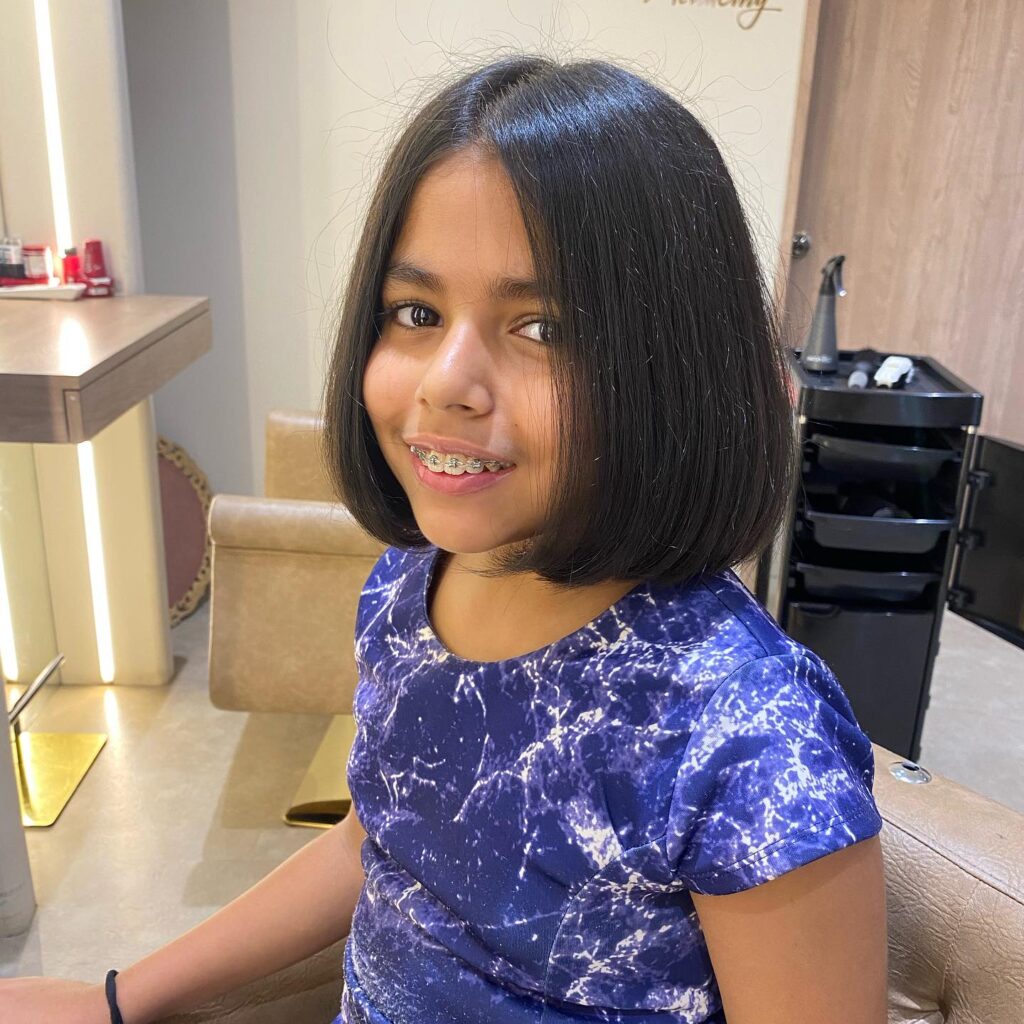
Source: @Instagram
Simple, sharp, and sophisticated — the blunt-end trim is the purist’s choice for baby girl hair.
No layers. No fringe. Just a clean, perfectly horizontal cut across the bottom of the hair at whatever length suits the child. This style is about precision and letting the natural beauty of the hair speak for itself. It looks absolutely stunning on fine, silky straight hair and creates a beautiful, uniform curtain of shine.
The blunt cut also makes thin hair look significantly thicker because all the weight is concentrated at the same level, creating a dense, full-looking bottom.
Practical tip: A blunt cut shows every millimeter of unevenness. Request that your stylist use a guide section and cut perfectly parallel to the floor.
Best for: Straight, silky hair | Ages 1–5 | All thicknesses
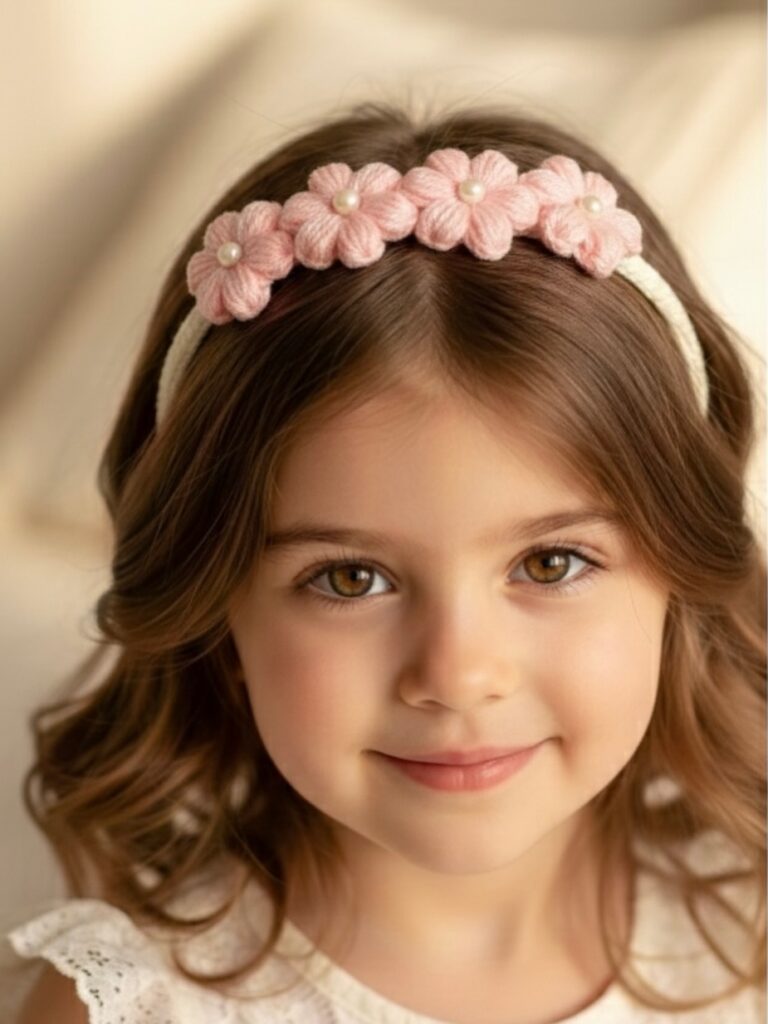
13. Feathered Layers
Source: @Instagram
Feathered layers bring a light, airy quality to baby girl hair that is truly beautiful in motion.
Feathering involves point-cutting into the layers at a steep angle, creating ends that are wispy and tapered rather than blunt. The effect is soft, feminine, and incredibly lightweight — perfect for babies who find heavy hair uncomfortable in warm weather.
Feathered layers also work brilliantly as a transition style during grow-out phases. If your baby girl is growing out a shorter cut, feathered layers can shape the in-between lengths beautifully.
Practical tip: Ask specifically for “internal feathering” to add movement without reducing the overall perceived length significantly.
Best for: Fine to medium hair | Ages 2–5 | Fine to medium thickness
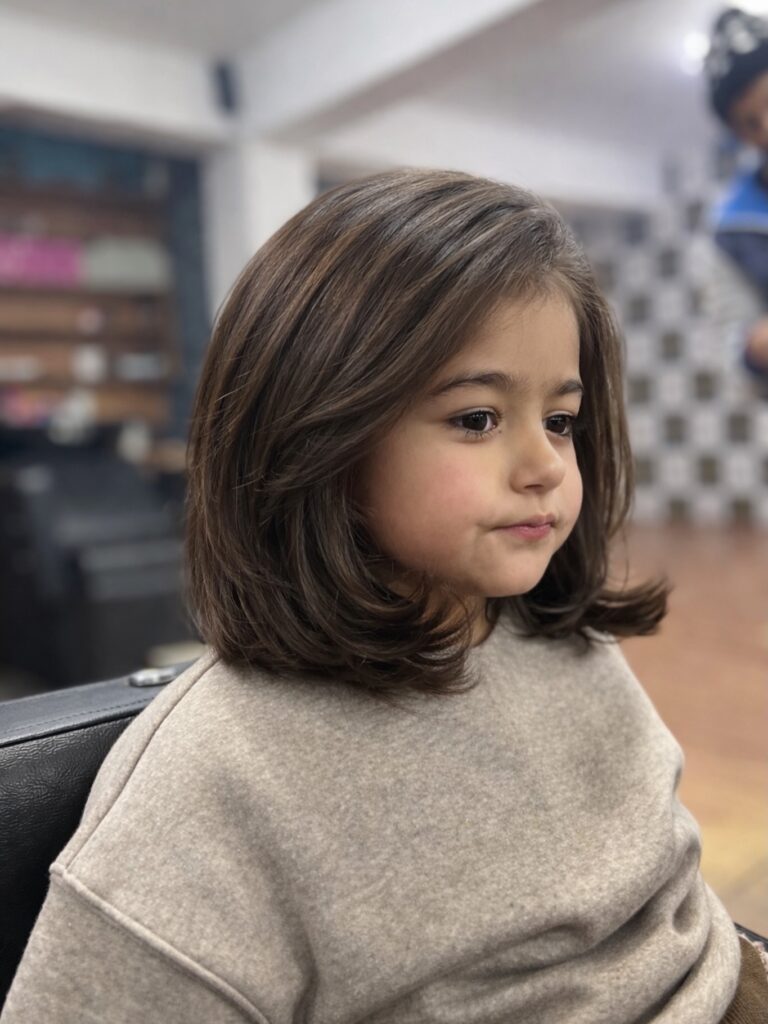
14. Soft Fringe with Rounded Layers
Source: @Instagram
The combination of a soft, rounded fringe and gentle layers is arguably the most universally flattering baby girl haircut on this entire list.
A soft fringe differs from sharp bangs — it’s slightly wispy at the edges and sits with a natural curve that mirrors the forehead’s shape. Combined with rounded layers that follow the head’s contour, this style creates a perfectly oval-framing effect that suits virtually every baby girl face shape.
It’s approachable enough for first-time haircut appointments and polished enough for special occasions. This is the style I recommend to parents who feel overwhelmed by choice — it genuinely works for everyone.
Practical tip: When trimming between salon visits, always cut bangs in small, quarter-inch increments with small, sharp scissors. Never cut straight across in one go.
Best for: All textures | Ages 1–5 | Fine to medium thickness
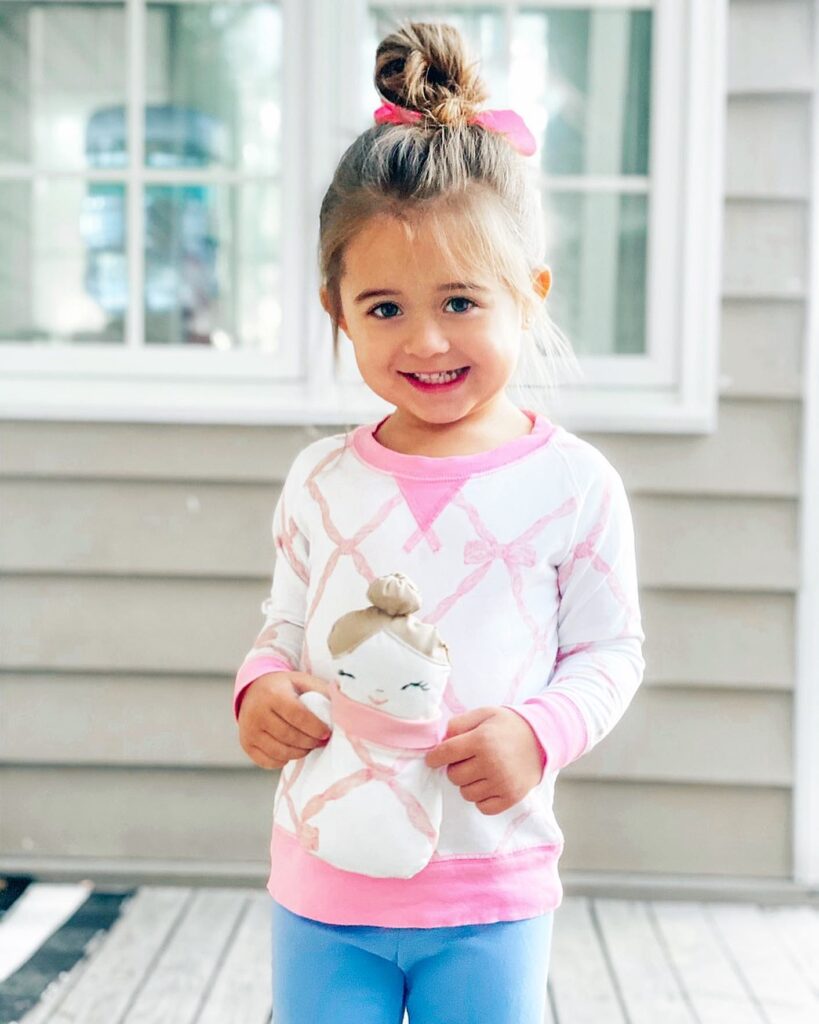
15. Top Knot
Source: @Instagram
The top knot isn’t just a hairstyle — it’s a philosophy. Keep it long, keep it healthy, and style it up.
Rather than a traditional cut, the top-knot involves maintaining the hair’s length by trimming only the very ends (about a quarter inch every 8–10 weeks) to prevent split ends. The signature style is a high, rounded top knot that sits on the crown of the head.
This is perfect for parents who want to preserve length while keeping the hair healthy and manageable. It also doubles as a heat free, effort free daily style.
Practical tip: Use a soft, seamless elastic (no metal!) when doing a top knot on fine baby hair. Regular hair ties create tension and breakage on delicate strands.
Best for: All textures | Ages 6 months–5 years | All thicknesses
Quick Reference: Baby Girl Haircut Styles at a Glance
Style Comparison Table
| # | Style | Best Hair Type | Age Range | Maintenance Level | Best For |
|---|---|---|---|---|---|
| 1 | Classic Bob | Straight/ Wavy | 1–5 yrs | Low | Everyday polish |
| 2 | Wispy Layers | Fine/ Thin | 6mo–3 yrs | Very Low | Natural grow-out |
| 3 | Butterfly Cut | Wavy/ Curly | 2–5 yrs | Low–Medium | Volume & bounce |
| 4 | Baby Bangs | Straight | 2–5 yrs | Medium | Doll like look |
| 5 | Pixie Cut | Thick/ Curly | 1–4 yrs | Low | Low upkeep |
| 6 | Lob | All types | 2–5 yrs | Low | Versatility |
| 7 | Bowl | Straight/ Fine | 1–4 yrs | Medium | Fullness illusion |
| 8 | Curtain Bangs | Straight/ Wavy | 2–5 yrs | Low | Face framing |
| 9 | Side Swept Fringe | Straight/ Wavy | 2–5 yrs | Low | Relaxed bang look |
| 10 | Tendril | Curly/Ringlet | 1–4 yrs | Very Low | Curl preservation |
| 11 | Shaggy Cut | Wavy/Thick | 2–5 yrs | Low | Texture & movement |
| 12 | Blunt | Straight/Silky | 1–5 yrs | Low | Shine & density |
| 13 | Feathered Layers | Fine–Medium | 2–5 yrs | Very Low | Lightweight feel |
| 14 | Soft Fringe + Rounded Layers | All types | 1–5 yrs | Low | Universal flattery |
| 15 | Top Knot | All types | 6mo–5 yrs | Very Low | Length preservation |
Common Mistakes to Avoid (And How to Fix Them)
Getting a baby girl’s haircut wrong is more common than you’d think — even at professional salons. Here’s what to watch for:
Cutting too much off the first time. Babies and toddlers have limited patience. The moment they get fidgety, stylists sometimes rush and take off more than planned. Always tell the stylist to start with less than you think you need.
Choosing a style based on photos, not hair type. That gorgeous photo of a bob might look completely different on fine, straight hair versus thick, wavy hair. Always discuss your baby’s specific texture before committing to a style.
Skipping the salon out of fear. Many parents attempt a first haircut at home with regular scissors. Baby hair is extremely fine and unpredictable. A trained children’s stylist knows exactly how to work around a moving target and will produce a much better result.
Washing hair right before the appointment. Freshly washed, slippery fine hair is harder to cut evenly. Let hair settle for a day after washing before a salon visit.
Ignoring the natural growth pattern. Every baby has a unique growth pattern, including cowlicks, swirls, and directional growth. A good cut works with these, not against them.
Similar Variations Worth Exploring
If you’re drawn to any of the 15 styles above, here are some related cuts that might also suit your baby girl:
- French Bob — A shorter version of the classic bob that sits above the jaw
- Bubble Bob — A rounder, fuller version of the bob with internal volume
- Bixie — A hybrid between the bob and the pixie, sitting mid-ear level
- Hime Cut — Japanese-inspired straight-across fringe with side pieces framing the face
- Wolf Cut (Mini) — A child-friendly version of the trending wolf cut with heavy shaggy layers
- The C-Curl Bob — A bob where the ends are styled to curl inward at the bottom
Hair Care Tips for Baby Girl Haircut Styles
Good hair care between cuts is just as important as the cut itself. Here’s how to keep your baby girl’s hair in the best possible condition:
Washing frequency: Babies under 2 generally don’t need hair washed more than 2–3 times per week. Over-washing strips natural oils from fine hair, causing dryness and breakage.
Detangling routine: Always detangle from the ends upward — never from the root down. Use a wide-tooth comb or a soft-bristle detangling brush specifically designed for children’s hair.
Product selection: Use sulfate-free, fragrance-free, baby-specific shampoo and conditioner. Adult products are too harsh for fine, developing hair.
Heat tools: Avoid heat styling entirely for babies under 3. For ages 3–5, use the lowest heat setting and always apply a heat protectant beforehand.
Sleeping care: Loose braids or a soft satin sleep bonnet prevent overnight tangling significantly. Cotton pillowcases create friction; satin or silk creates none.
Trimming schedule: Even styles you’re growing out need a trim every 10–12 weeks to remove split ends. Split ends travel up the shaft and cause more damage the longer they’re left.
Scalp health: Gently massage the scalp with fingertips during washing to stimulate healthy hair growth and prevent product buildup.
Recommended Products by Hair Type
| Hair Type | Shampoo Type | Conditioner Type | Styling Aid |
|---|---|---|---|
| Fine/Straight | Volumizing, sulfate-free | Lightweight leave in | Baby hair serum |
| Wavy | Moisturizing, sulfate-free | Cream conditioner | Curl-enhancing balm |
| Curly/Ringlet | Hydrating, sulfate-free | Deep moisture conditioner | Curl-defining cream |
| Thick/Coarse | Smoothing, sulfate-free | Rich detangling conditioner | Lightweight oil |
Outro
Choosing the right baby girl haircut style doesn’t have to be stressful. Whether you’re drawn to the sweet simplicity of a classic bob, the playful bounce of the butterfly cut, or the gentle preservation of a tendrils trim for your little one’s curls — there truly is a perfect cut for every baby girl on this list.
The key takeaways? Match the style to your baby’s hair type and texture, prioritize ease of maintenance, and invest in good hair care habits between salon visits. A well-chosen haircut does more than just look cute — it sets your little one up with hair that’s healthy, manageable, and growing beautifully. Now go find that perfect baby girl haircut style that makes your heart melt just a little bit every time you look at her.