16 Winter Haircuts That Look Great Even Under a Hat
Here’s something nobody talks about enough: winter is genuinely the hardest season for your hair. Static from wool hats. Dryness from indoor heating. Frizz from cold wind. Flat, lifeless roots after hours under a beanie. I’ve spent years figuring out which hairstyles actually hold up in winter — not just look good in a salon photo taken in October — and this guide is the result. Whether you want something protective, polished, or just reliably low-maintenance through the coldest months, I’ve got you covered.
So what are the best winter haircuts? The best winter haircuts include low buns, braids, deep side parts, sleek blowouts, protective twists, curtain bangs, and textured lobs. These styles either minimize friction from winter headwear, retain moisture in cold dry air, or look polished without requiring daily heat styling in harsh weather.
Keep reading — I’ll cover all 16 winter styles in detail, explain what makes each one specifically suited to cold weather (not just generally pretty), share a comparison table, break down the most common cold-weather hair mistakes, and give you the exact winter hair care routine that keeps your hair healthy from December through March.
Why Winter Is a Unique Challenge for Your Hair
Most hairstyle articles don’t address this directly, so let me. Winter creates four specific hair problems that don’t exist in summer:
Static. Cold, dry air — especially combined with wool and synthetic fabrics from hats, scarves, and coat collars — creates intense static electricity that makes hair flyaway, frizzy, and difficult to manage. Some hairstyles dramatically reduce this problem. Others make it worse.
Hat Hair. Beanies, knit hats, and earmuffs flatten the crown, compress the roots, and reshape the hair into whatever shape the hat is — which is usually not what you intended. Styles that either hide under a hat gracefully or survive the hat being removed are the real winter winners.
Moisture loss. Indoor heating systems strip humidity from the air, and cold outdoor temperatures cause the hair cuticle to contract and become more porous. The result: chronic dryness, increased breakage, and dull, brittle ends — especially for naturally textured and chemically treated hair.
Scarf friction. Wool and knit scarves rubbing against the hair creates friction that damages the cuticle and causes tangles, breakage, and frizz at the nape and around the face. Any style that tucks the hair away from contact with outerwear protects against this.
The 16 styles below either solve one or more of these problems directly — or simply look so consistently good that hat hair and static are minor inconveniences rather than disasters.
16 Winter Haircuts Worth Wearing This Season
1. The Sleek Low Bun
The sleek low bun is the single most winter-proof hairstyle that exists, and I’m not being dramatic. It sits below hat level, eliminating hat hair entirely. It tucks the hair away from scarf friction at the nape. It keeps the hair smooth and controlled in cold wind. And it looks genuinely elegant — appropriate for work, events, and everything in between.
Creating a truly sleek low bun requires a smoothing serum or light pomade applied before gathering the hair, a brush to pull everything into a tight, smooth ponytail at the nape, and a bun formed by twisting or wrapping the ponytail and securing with pins. The sleeker, the better — the goal is a surface so smooth that no flyaways or bumps are visible from any angle. On straight or wavy hair, this comes together in under five minutes. On textured or curly hair, a bit more product and a smoothing step (even just a warm flat iron over the surface of the gathered hair before wrapping) creates the sleek finish. One of the few hairstyles that actually looks better after a day of winter wear than it did in the morning.
2. The French Braid

Source: @Instagram
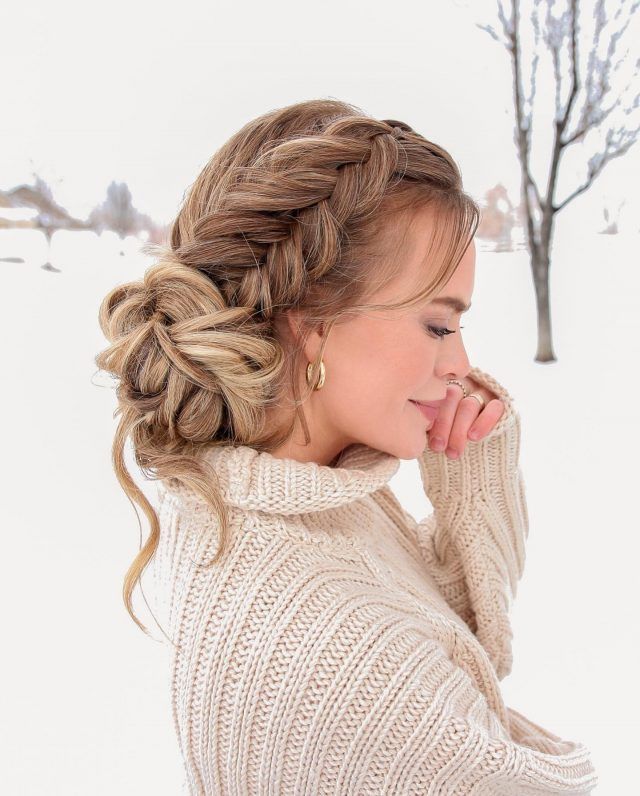
The French braid might be the most practical winter hairstyle ever invented. It incorporates all the hair from root to end into a continuous, flat braid structure that lies against the head — which means no loose sections to get tangled in scarves, no flyaways to be amplified by static, and no volume to be crushed by hats.
A French braid braided at home on slightly damp hair (apply a light mousse or cream before braiding) will hold its shape cleanly for 2–3 days with minimal refreshing. When you take it down, the result is beautifully crimped, textured hair that can be worn in a whole second style without any heat required. Two French braids (one on each side) create the same benefits with a more casual, relaxed aesthetic. For cold climates where you’re wearing hats daily, a French braid is one of the smartest single decisions you can make for your hair — it’s protective, static-resistant, scarf-friendly, and genuinely low maintenance.
3. The Textured Lob (Long Bob)
The lob — a cut that falls somewhere between the chin and the collarbone — is perhaps the most universally flattering haircut of the past decade, and it’s particularly smart for winter because of what it eliminates. Long hair in winter gets tangled in scarves, tucked awkwardly into coat collars, flattened by hats, and dragged through wet snow. A lob sits right at the zone where most of these problems disappear.
The textured version — cut with razor or point-cutting technique to create layered, choppy ends rather than a single blunt line — adds movement and dimension that survives hat compression far better than a blunt cut. When you take your hat off, textured ends bounce back and separate naturally rather than clumping into one flat mass. A small amount of sea salt spray or texture cream scrunched into dry hair maintains the piece-y, effortless finish throughout the day. The textured lob is also an excellent cold-weather color canvas — rich brunette tones, caramel balayage, and deep auburn all photograph particularly beautifully at lob length.
4. The Deep Side Part Blowout
The deep side part is winter’s most reliably polished daytime look. A part placed well to one side of the head — roughly in line with the outer edge of the eyebrow on the parting side — creates an asymmetric sweep of hair that looks effortlessly styled and adds natural volume on the lifted side without requiring any pinning or accessories.
For winter specifically, the deep side part blowout works beautifully because the smooth, blown-out surface is naturally resistant to static (the cuticle is sealed from the heat of blow-drying) and the side part direction means hat removal reveals a style that falls cleanly to one side rather than sitting flat and centerless. Use a round brush while blow-drying to build body and smoothness simultaneously, then finish with a light-hold hairspray to lock the part in place. The deeper the part, the more volume and movement you create on the longer side — something that winter flatness (from hats and heating) makes especially welcome.
5. Protective Twists
For natural and textured hair types specifically, winter is the most important season to be in a protective style — and two-strand twists are one of the most effective options available. The cold, dry air of winter is particularly damaging to 3C–4C coil patterns because the hair’s natural moisture evaporates faster in low-humidity environments, and the increased fragility from dryness leads to breakage that shows up months later as reduced length retention.
Two-strand twists — created by dividing the hair into sections and twisting two pieces around each other — tuck the ends of the hair away, retain moisture inside the twist structure, and require zero daily manipulation. Installed on well-moisturized, sealed hair (using the LOC method: Liquid, Oil, Cream), twists can last 1–3 weeks with proper nighttime protection. Wear them loose and free, gather them into a twist-out puff, or pin them up into an updo for variety without disturbing the protective structure. For natural hair that tends to get dry, brittle, and broken in winter, this is genuinely the most protective thing you can do.
6. The Curtain Bang Blowout

Source: @Instagram
Curtain bangs — long, face-framing bangs that part in the middle and sweep to both sides of the face — became one of the biggest hair trends of recent years and they’ve settled in as a genuinely flattering, versatile cut that suits the winter season particularly well. Unlike traditional blunt bangs, curtain bangs don’t require daily precision styling and they work with hat wearing rather than against it.
When a hat is removed, curtain bangs fall back into their natural parted-and-swept position easily because the length means they’re heavy enough to drop back into place rather than sticking straight up. Blow-dry them with a round brush — rolling the ends outward and away from the face — while directing the root area to part softly in the center. A small amount of styling cream through the lengths keeps them smooth and frizz-free in winter humidity fluctuations. The result frames the face beautifully, works with almost every face shape, and gives any winter outfit an immediate feeling of intention and polish.
7. The Classic Ponytail (Elevated)
The basic ponytail becomes genuinely chic in winter when it’s executed with care rather than thrown together in 30 seconds. An elevated ponytail — positioned at mid-height between the crown and the nape, smooth on top, and wrapped with a small section of hair to hide the elastic — is one of those styles that looks considered without requiring significant effort.
For winter specifically, the ponytail at mid-height sits comfortably under most hat styles without being crushed flat (the way a high ponytail would be) or getting compressed into the collar of a coat (the way a very low one sometimes does). Before gathering the hair, apply a smoothing serum to eliminate static flyaways and run a boar bristle brush over the surface for a polished finish. The wrapped elastic detail elevates the entire look from “functional” to “styled” — it takes 45 seconds but completely changes the impression the ponytail makes.
8. The Sleek Straight Blowout

Source: @Instagram
The sleek straight blowout is the cold-weather equivalent of a blank canvas — everything is smooth, clean, and unified, which means it’s immune to the textural chaos that winter weather introduces. Static doesn’t show on an already-smooth surface. Hat compression creates minimal disruption when the hair starts flat. Scarf friction leaves less evidence on hair that has no curl pattern to disturb.
Achieving a genuinely sleek blowout at home requires three things: a heat protectant applied to damp hair, a high-quality blow-dryer with a concentrator nozzle (this directs airflow downward along the hair shaft, sealing the cuticle rather than ruffling it), and a flat iron for any areas the blow-dryer doesn’t quite smooth. Apply a few drops of shine serum or argan oil over the finished surface to seal and add that glassy, healthy sheen. The sleek blowout lasts 3–5 days in winter with proper overnight wrapping (pinning or smoothing the hair flat and covering with a satin bonnet or scarf), making it an efficient choice for the busy cold-weather months.
9. The Claw Clip Updo

Source: @Instagram
The claw clip has completed one of fashion’s most satisfying comeback arcs, and it’s earned a permanent spot on this winter list. A large claw clip gathering all the hair into a casual, loose updo at the back of the head takes about 20 seconds, keeps hair entirely clear of scarves and coat collars, reduces static contact dramatically, and looks effortlessly stylish in a way that a formal bun sometimes doesn’t.
The key to a good claw clip updo in winter is choosing the right clip size (large enough to hold all your hair without straining) and positioning: mid-to-low at the back of the head sits cleanly under most hats, while a high clip at the crown creates a more dramatic silhouette that works when you’re not wearing a hat. Leave a few face-framing pieces out for softness. The wonderful thing about the claw clip for winter specifically is that it requires absolutely zero product and zero heat — which is exactly what dry, winter-stressed hair needs on its off-days.
10. The Half-Up Twist
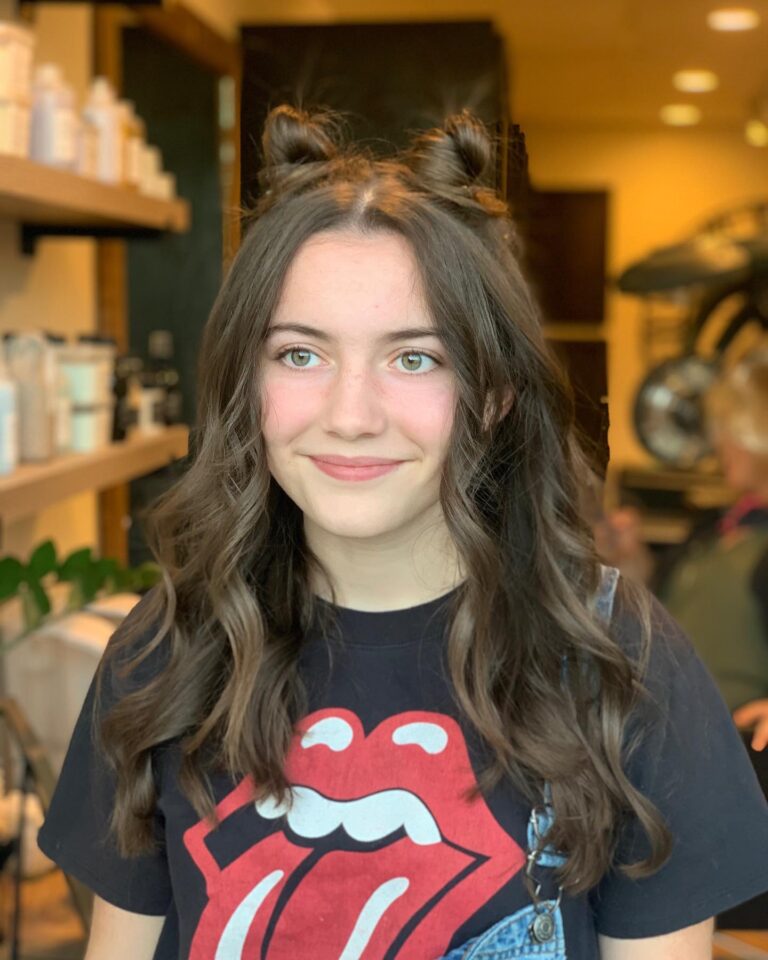
The half-up twist is winter’s answer to the question “what do I do when I want my hair down but I can’t deal with it touching my scarf?” The top section of the hair is gathered, twisted gently, and secured at the back of the head with a clip or pins, while the bottom section falls free. The result is a style that keeps the face clear, the neck clear of the coat, and the overall look polished without being fully “done.”
For winter, this style works especially well because the twisted top section is smooth and controlled (less static surface area), while the loose bottom section benefits from whatever moisture-sealing products you’ve applied. On wavy or curly natural hair, the half-up twist is particularly flattering — the defined curl texture of the loose section looks intentional and beautiful against the smoothed, twisted top. Add a decorative clip or pin at the twist point for an accessory moment that suits winter’s more layered, dressed-up aesthetic.
11. The Low Side Ponytail Braid
The low side braid — a single braid worn to one side, falling over the shoulder — is one of winter’s most comfortable everyday styles. It keeps the hair together in a contained structure that doesn’t catch in coat zippers or tangle with scarf fringe. It lies flat enough that hats sit over it without creating obvious lumps. And a braid worn to the front of the body instead of down the back stays visible, which is somehow more intentional-looking.
A three-strand braid creates a clean, classic look. A fishtail braid adds texture and complexity. Either can be left tight and neat or loosened by gently pulling the sides of the braid apart after braiding to create a fuller, more relaxed shape. Tying the end with a small, hair-colored elastic keeps it from unraveling. For long, fine hair that tends to break at the nape from scarf friction in winter, the low side braid is one of the most quietly effective protective choices on this entire list.
12. The Milkmaid Braid

Source: @Instagram
The milkmaid braid — two braids that wrap up and across the top of the head, pinned in place to create a crown-like effect — is one of the most winter-friendly updos available because it keeps virtually all the hair away from everything: scarves, coat collars, static-generating necklines, and wind. It’s also one of the warmest hairstyles for cold days, since the hair is gathered tightly against the head rather than hanging loose and catching cold air.
Creating a milkmaid braid involves making two low pigtail braids, then crossing each over the top of the head and pinning it on the opposite side. The technique is genuinely easy once you’ve done it once. Secure with plenty of bobby pins and spritz lightly with hairspray to keep any flyaways down. The result looks elaborate but takes only about 10 minutes. For winter events — holiday parties, family gatherings, New Year’s celebrations — the milkmaid braid is one of the most reliably festive, polished styles you can wear without needing a blowout first.
13. The Wet-Look Gel Style
Winter is arguably the best season to experiment with the wet-look gel style — where hair is saturated with a strong-hold gel and styled while wet to create a sleek, glossy, intentionally-wet appearance. The cold, dry air of winter that wrecks volume-dependent styles has zero impact on a style that’s already flat by design.
Apply a generous amount of hold gel to soaking-wet hair just out of the shower, smooth it straight back or to one side with a fine-tooth comb, and let it air dry (or use a diffuser on low heat). Once dry, the gel casts a firm, glassy finish that holds all day regardless of what the weather throws at it. Static doesn’t affect gelled hair. Hats slide over it cleanly. Wind doesn’t move it. For straight to wavy hair, this works beautifully as a slick-back or deep-part style. For curly and coily hair, gel applied over wet curls creates defined, frizz-free curl clumps that last the entire day.
14. The Chunky Knit Hat Compatible Braid
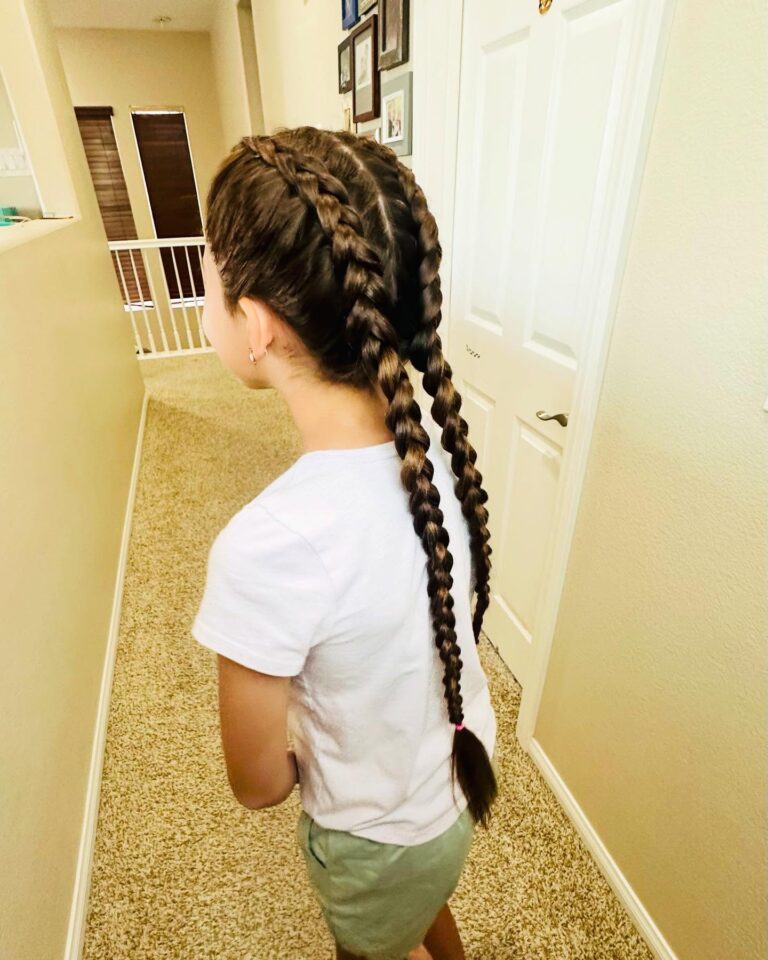
This one is specifically designed around being worn under a winter hat and then revealed when the hat comes off. Two thick, chunky braids (either regular three-strand or Dutch braids sitting above the scalp) on either side of the head create a style that: fits comfortably under a beanie, survives several hours of hat wear, and looks intentional and complete when the hat is removed — no mirror adjustment necessary.
The trick is braiding slightly tighter than feels comfortable, because the hat will loosen the braids slightly during wear. Also: start the braids lower on the head (behind the ears rather than at the temples) so the hat brim doesn’t create a dent midway through the braid. When the braids are loosened by hat wear, they look relaxed and textured rather than messy — which is genuinely the goal. A cold-weather style designed from first principles around the realities of winter dressing.
15. The Low Chignon

Source: @Instagram
The low chignon is the more refined, sophisticated cousin of the messy bun. Where the messy bun is casual and deliberately undone, the chignon is smooth, coiled, and intentional — hair gathered at the nape and wrapped or twisted into a neat, flat knot rather than a round puff. It sits low enough to sit comfortably under a hat, close enough to the head to stay in place in wind, and polished enough to suit formal and professional environments.
A chignon on straight or wavy hair can be created from a low ponytail: twist the ponytail around itself, coil it flat against the head, and secure with pins until it holds without any elastic showing. On natural and textured hair, a chignon can be created on stretched or blown-out hair for a smooth finish, or on moisturized coils for a more textured, organic version. A few pearl or gold pins inserted into the chignon transform it from simply functional to genuinely decorative — making it appropriate for holiday events, galas, and winter weddings.
16. The Shag Haircut (Winter Refresh)

Source: @Instagram
The shag — a layered, textured cut characterized by voluminous crown layers, feathered edges, and often curtain bangs — is having an extended cultural moment, and for good reason. In winter specifically, the shag performs wonderfully because its heavy layering creates natural volume that bounces back after hat compression. The curtain bangs frame the face in a way that remains visible and flattering when bundled up in a scarf and coat. And the overall relaxed, effortless quality of the cut means it looks as good at the end of a cold day as it did at the beginning.
The shag cut also responds beautifully to the textured, air-dried styles that cold weather naturally pushes you toward — applying a curl cream or texturizing spray to towel-dried hair and letting it air dry with the shag’s layers creates a genuinely editorial, fashion-forward result without any heat styling at all. It’s a cut that genuinely gets better as the day (and the season) progresses, making it one of the most rewarding winter investments in the stylist’s chair.
Winter Haircuts Comparison Table
At-a-Glance Guide for Cold-Weather Styling
| Hairstyle | Hat-Friendly? | Static-Resistant? | Scarf-Safe? | Styling Time | Heat Required? | Best Hair Type |
|---|---|---|---|---|---|---|
| Sleek Low Bun | Yes (sits below hat) | Yes | Yes | 5–8 min | Optional | All types |
| French Braid | Yes | Yes | Yes | 10–15 min | No | Straight to wavy |
| Textured Lob Cut | Yes | Moderate | Yes (short length) | 5–10 min | Optional | All types |
| Deep Side Part Blowout | Moderate | Yes | Yes | 15–25 min | Yes | Straight to wavy |
| Protective Twists | Yes | Yes | Yes | 30–90 min | No | Natural 3C–4C |
| Curtain Bang Blowout | Moderate | Yes | Yes | 10–15 min | Yes | Straight to wavy |
| Elevated Ponytail | Yes | Moderate | Yes | 3–5 min | No | All types |
| Sleek Straight Blowout | Yes | Yes | Yes | 20–30 min | Yes | Straight to wavy |
| Claw Clip Updo | Yes | Yes | Yes | Under 1 min | No | All types |
| Half-Up Twist | Moderate | Moderate | Yes | 5 min | No | All types |
| Low Side Braid | Yes | Yes | Yes | 5–10 min | No | All types |
| Milkmaid Braid | Yes (fully) | Yes | Yes | 10–15 min | No | Straight to wavy |
| Wet-Look Gel Style | Yes | Yes | Yes | 5 min | No | All types |
| Hat-Compatible Double Braids | Yes (designed for it) | Yes | Yes | 10–15 min | No | Straight to wavy |
| Low Chignon | Yes | Yes | Yes | 8–12 min | No | All types |
| Shag Cut | Moderate | Moderate | Yes | 5–15 min | Optional | Wavy to curly |
Common Mistakes and How to Avoid Them
Over-washing in winter. Cold weather already strips moisture from your hair via dry indoor air and heating systems. Washing too frequently (daily or every other day) removes the natural scalp oils that are your first line of defense against winter dryness. In winter, most hair types benefit from reducing washing to 2–3 times per week maximum, with a moisturizing co-wash in between if needed.
Wearing a cotton hat directly on the hair. Cotton is hair’s enemy in winter — it absorbs moisture, creates friction, and generates significant static. Line your hat with a satin or silk scarf before putting it on, or invest in a satin-lined beanie (they’re widely available now). This single habit change dramatically reduces winter static, frizz, and breakage at the nape and temples.
Going outside with wet hair. In freezing temperatures, water inside the hair shaft expands as it freezes — this can literally crack the hair from the inside, causing damage and breakage that appears weeks later as inexplicable snapping and split ends. Always allow hair to dry at least 80% before going out in sub-freezing temperatures. If you’re in a rush, use a blow-dryer on the roots and let the lengths air dry indoors before heading out.
Neglecting deep conditioning. Many people deep condition only when hair “feels dry.” Winter requires a proactive schedule — deep condition every 7–10 days regardless of how the hair currently feels, because by the time winter dryness is noticeable, significant moisture loss has already occurred.
Styling winter hair with alcohol-based products. Many gel and hairspray formulas contain drying alcohols (isopropyl alcohol, alcohol denat, ethanol) that amplify winter dryness significantly. Check your product labels and switch to glycerin-based or alcohol-free formulations during the coldest months.
Wearing the same tight updo every day. The same elastic in the same place every day creates a friction point that eventually breaks the hair at that exact location. Vary your ponytail height, change where the elastic sits, and alternate between different updo types to prevent concentrated breakage.
Similar Variations to Explore
- The Bubble Ponytail — Multiple elastics placed down the length of a ponytail at regular intervals, creating a segmented, rounded “bubble” effect that holds up beautifully in cold weather.
- The Braided Bun — A French or three-strand braid that continues all the way to the end and then coils into a bun — combining the protective benefits of braiding with the hat-friendliness of an updo.
- The Twisted Updo — Multiple twisted sections pinned at the back of the head in a way that looks complex but takes under five minutes; especially good on natural and textured hair.
- The Curtain Bang + Low Bun Combo — Pairing curtain bangs with a sleek low bun creates a winter style that’s entirely hat-compatible while still being distinctly styled and fashion-forward.
- The Hat-Ready Bun — A low or mid bun positioned specifically to sit inside a hat without creating bulk or a visible bun lump through the fabric.
Hair Care Tips for Winter Haircuts
Switch to a moisturizing shampoo and conditioner pair. Your summer clarifying shampoo is too stripping for winter. Use a sulfate-free, moisturizing formula (look for ingredients like glycerin, hyaluronic acid, aloe vera, or shea butter in the top five ingredients) and always follow with a rinse-out conditioner — never skip it in winter.
Deep condition weekly without fail. A 20–30 minute deep conditioning treatment with a heat cap or heated processing cap once a week is the single most effective thing you can do to maintain hair health through winter. Focus the product on the mid-lengths and ends, where dryness and breakage concentrate.
Add a hair oil to your routine. A light oil applied to the lengths and ends after styling seals the cuticle and prevents moisture evaporation throughout the day. Argan oil, jojoba oil, and camellia oil are all lightweight enough to not weigh down fine hair while still providing genuine moisture-sealing benefit.
Use a humidifier indoors. Indoor heating creates a low-humidity environment that’s as harsh on your hair as any weather condition outside. Running a humidifier in your bedroom overnight adds ambient moisture that your hair absorbs passively — many women with natural or chemically treated hair report dramatic improvement in winter dryness just from this one change.
Protect your ends from outerwear contact. The ends of the hair are the oldest, most fragile part of every strand. In winter, they’re constantly in contact with rough coat fabrics and wool scarves that create friction and breakage. Tuck your ends into your coat collar, pin them up, or choose styles that keep them contained. This alone prevents months of split-end accumulation.
Trim before winter, not after. The best time to trim split ends is at the beginning of winter, not when you notice damage in spring. Going into the cold season with healthy ends means your hair has the best possible foundation to withstand the drying, friction, and stress of the next three months.
Sleep on satin every night. If you do nothing else on this list, do this. A satin or silk pillowcase (or a satin bonnet) prevents the friction between your hair and cotton bedding that robs moisture from your hair every single night of the year — but especially in winter when moisture loss from every other source is already elevated.
Outro
Winter doesn’t have to be your hair’s worst season. With the right styles and a proactive care routine, your hair can look genuinely great from the first frost all the way through to the first warm day of spring. The 16 winter haircuts in this guide were chosen specifically for how they perform in cold weather — not just how they look in an indoor photo — which is the distinction that actually matters when you’re stepping out into January wind.
Choose a style that fits your hair type, your lifestyle, and your winter hat situation. Protect your moisture. Sleep on satin. And remember: the best winter haircuts are the ones that still look good when you peel off the beanie at the office. You’ve got all the tools to make that happen.