
15 4c Hairstyles For School That Are Cute, Protective, and Built to Last All Day
Does this sound familiar? It’s 6:45 in the morning. School starts in an hour. Your child is sitting in front of you with beautiful, thick 4c hair — and you’re staring at it wondering which style is going to hold up through PE, lunch, recess, and a full day of activity without turning into a complete mess by dismissal. I’ve been in that exact spot, and I’ve spent years finding 4c hairstyles for school that actually work — not just for the first hour, but for the whole day.
I’ve worked with natural hair stylists, spoken to parents of 4c-haired kids, and personally tested products and techniques across dozens of styling sessions. What I share here is real, tested, and practical.
So what are the best 4c hairstyles for school? The best 4c hairstyles for school are low-manipulation protective styles that last 3–7 days without needing restyling. Top options include two-strand twists, cornrows, bantu knots, puff styles, flat twists, box braids, and high puffs. These styles protect the hair’s natural curl pattern, reduce daily manipulation that causes breakage, and hold up well through active school days.
Keep reading — because I’m breaking down 15 specific styles with step-by-step tips, product recommendations, a full style guide table, and a maintenance routine that keeps 4c hair healthy and thriving throughout the school week.
What Makes a School Hairstyle Work for 4c Hair?
Before the styles — let me explain what I look for when choosing school hairstyles specifically for 4c hair. Not every cute style is a practical school style. Here’s my checklist:
Longevity: The style should last at least 3 days without full restyling. School mornings are hectic — you don’t want to start from scratch every day.
Protection: 4c hair is the tightest curl pattern on the Andre Walker scale. It’s also the most fragile at the ends. Good school styles tuck those ends away or keep them moisturized and protected from friction (like rubbing on school uniform collars).
Comfort: Tight styles cause headaches. No child should sit through a school day with a tension headache. Every style on this list can be done without pain.
Activity-proof: Gym class. Running at recess. Wind. Rain. The style needs to survive all of it.
With that framework in place — here are 15 styles that check every box.
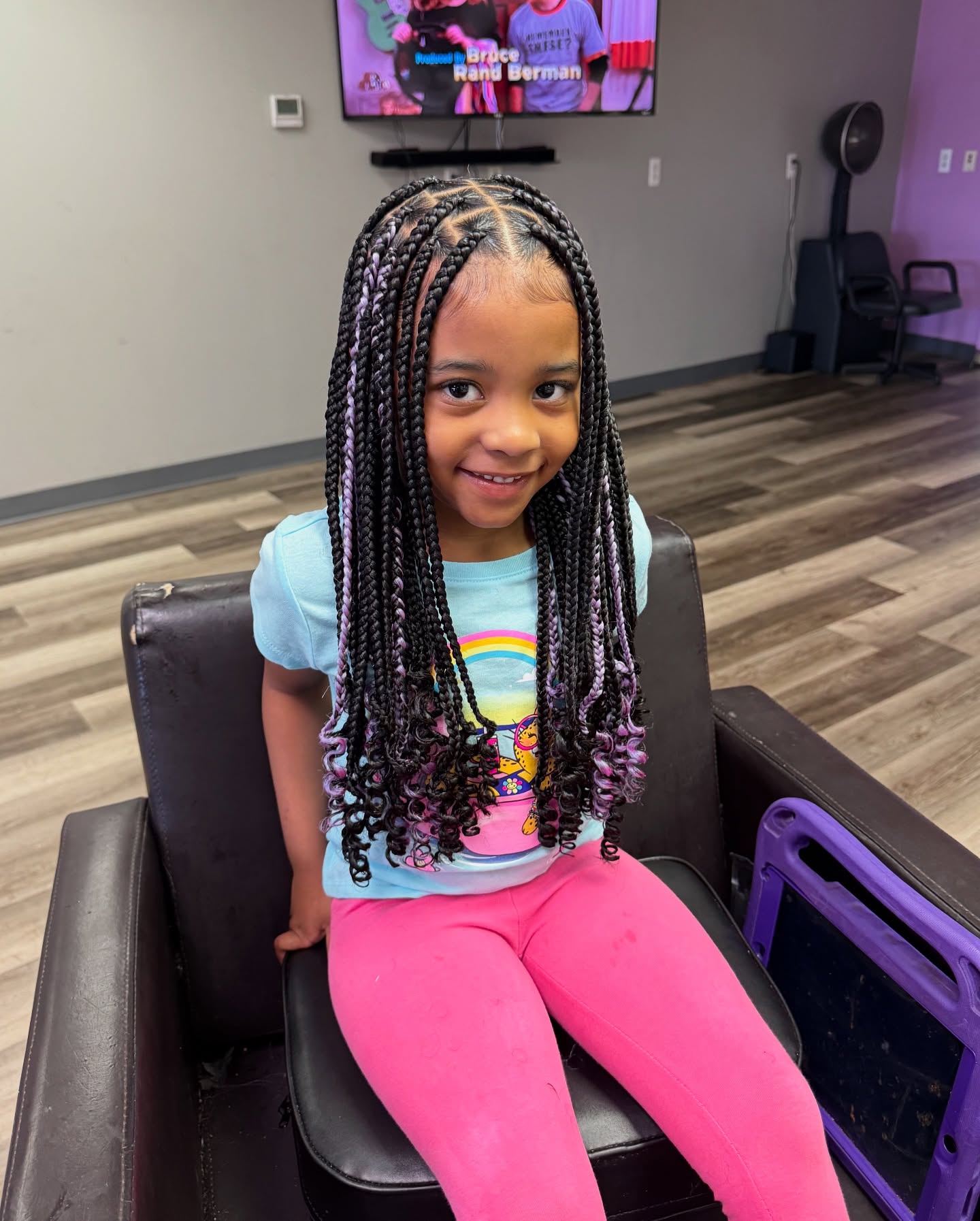
1. Two-Strand Twists (The Ultimate 4c School Staple)
Source: @Instagram
Two-strand twists are the workhorse of natural hair styling — and for good reason. For 4c hair specifically, they’re one of the most protective, versatile, and long-lasting styles you can install. Two sections of hair are twisted around each other from root to tip, creating a coiled, rope-like strand that holds its shape beautifully on 4c texture.
The style can be worn loose (twists hanging freely), pinned up into a half-updo, or gathered into a puff at the top. On 4c hair, properly moisturized two-strand twists can last 5–7 days before needing a refresh — which means you install on Sunday and get through the full school week.
Practical tip: Apply a leave-in conditioner, then a light butter or cream, then seal with a light oil before twisting each section. This LOC (Liquid-Oil-Cream) or LCO method locks moisture into the twist and keeps it defined all week. Twist at night so the hair has time to fully dry before school in the morning.
Best for: All 4c hair lengths Lasts: 5–7 days Difficulty level: Beginner
Two-strand twists are the perfect starting point — and if you want something even more structured, cornrows are the natural next step.
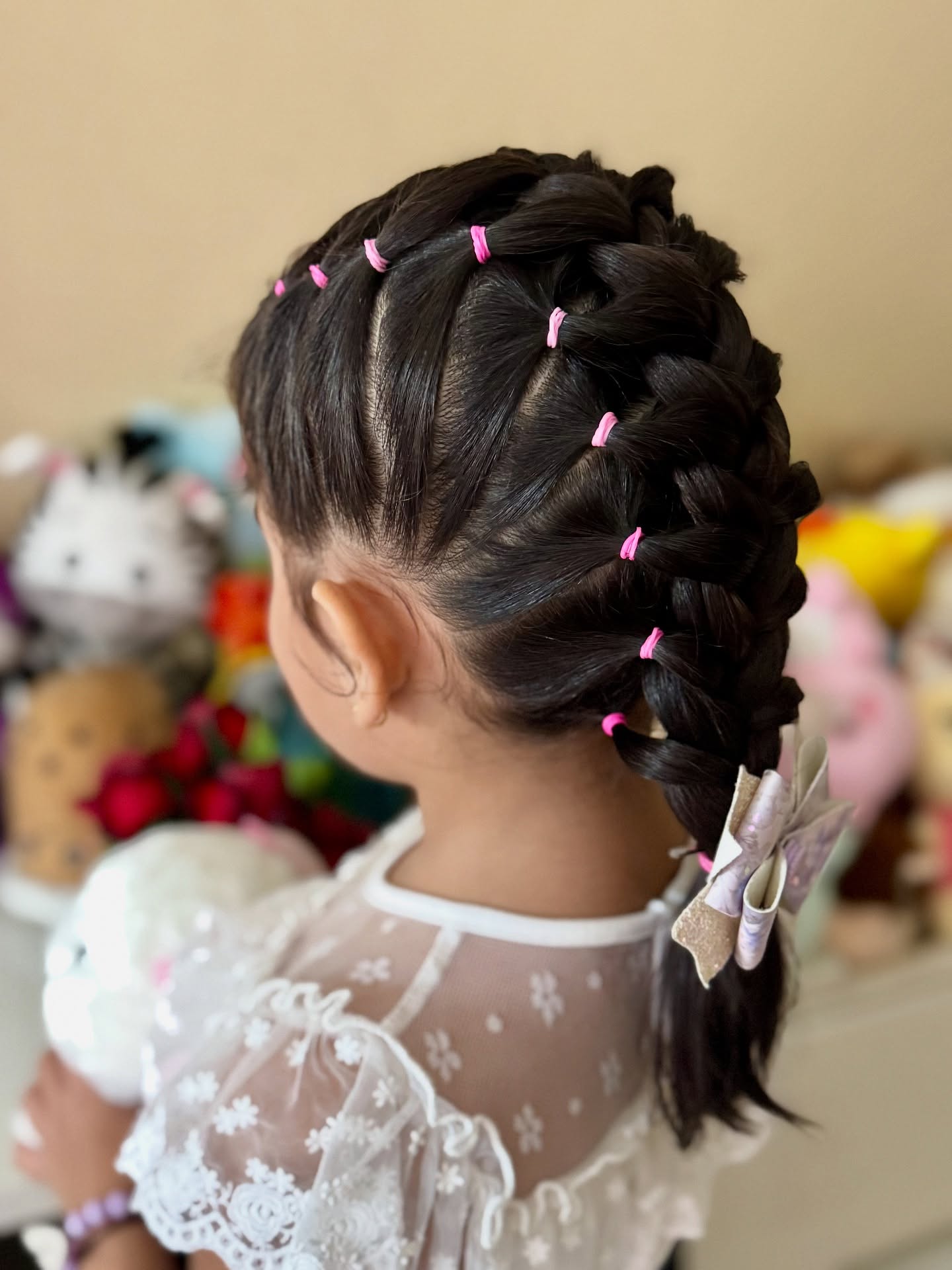
2. Cornrows (Classic, Clean, and Completely Reliable)
Source: @Instagram
Cornrows are the definitive protective school style for 4c hair. They lie flat against the scalp, keep every strand secured, protect the ends, and look intentional and polished no matter how rough the school day gets. Cornrows can be styled into endless patterns — straight back, curved, geometric, zigzag — making them both practical and creative.
For school specifically, keep the cornrow pattern simple and scalp-friendly. Six to eight straight-back cornrows last the longest and are the easiest to maintain. Avoid styles with too many intricate parts, as these can be harder to re-braid or refresh mid-week.
Practical tip: Moisturize the scalp with a light braid spray every 2–3 days while the cornrows are in. Dry scalp causes itching, which causes scratching, which causes frizz and loosened braids. A little daily moisture maintenance extends the life of cornrows from 1 week to 2–3 weeks.
Best for: All ages, all 4c lengths Lasts: 2–3 weeks with care Difficulty level: Intermediate
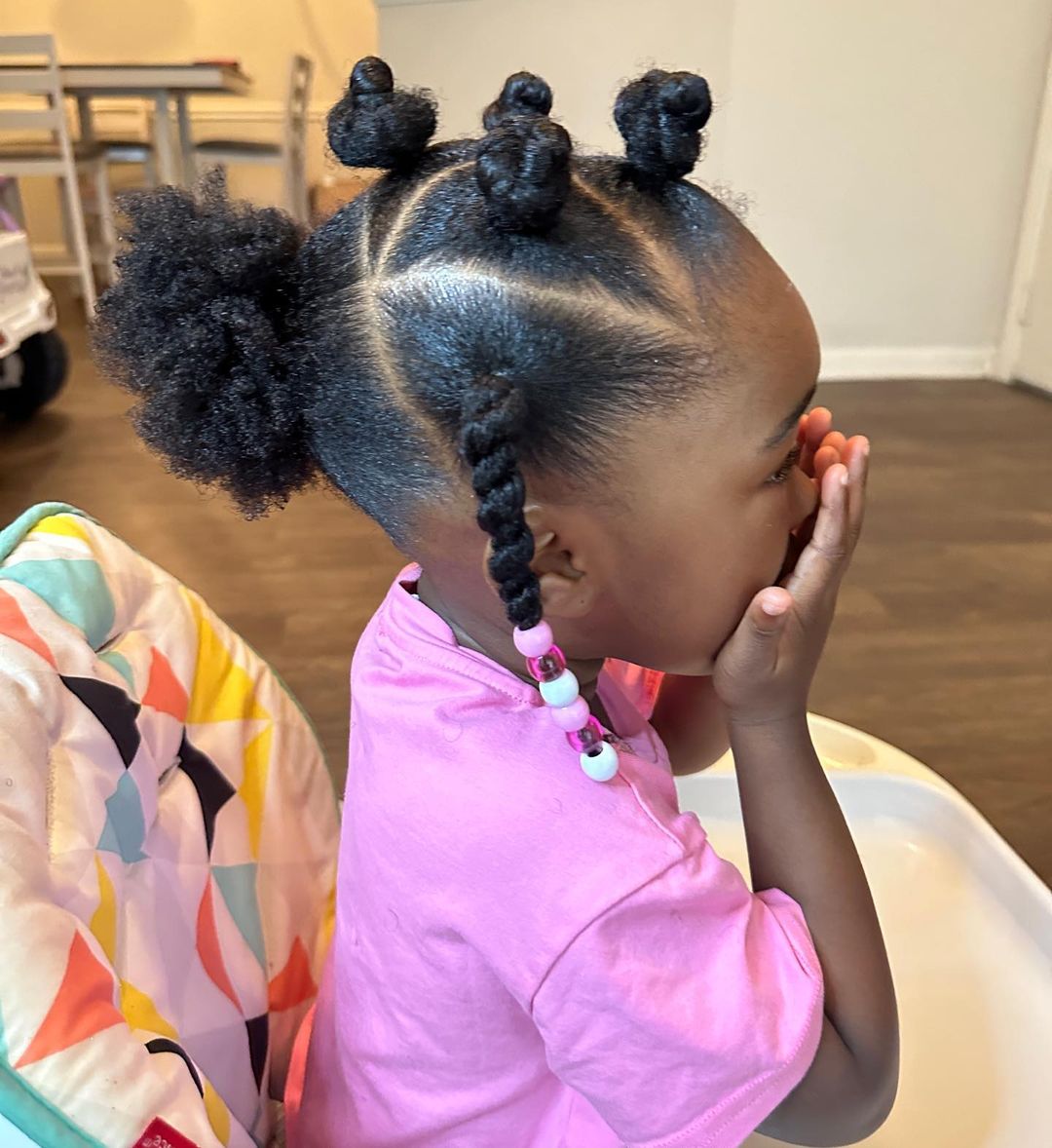
3. High Puff with Edge Control
Source: @Instagram
The high puff is the quickest school style in the 4c playbook and it looks fantastic. Gather all the hair to the top of the head, secure with a stretched ponytail elastic (never a tight rubber band on 4c hair — it snaps strands), and smooth the edges with an edge control gel for a polished finish. Done in under 10 minutes.
The key to a great high puff on 4c hair is moisture. Dry 4c hair in a puff looks frizzy and deflated. Well-moisturized 4c hair in a puff looks full, round, and beautiful. Spritz the hair with a water and leave-in conditioner mix before gathering it up.
Edge control tip: Apply edge control in sections — front, sides, and nape separately — using a soft toothbrush or edge brush. This gives you smooth, sleek edges that last all day even through physical activity.
Best for: Medium to long 4c hair Lasts: 1–2 days (refreshable) Difficulty level: Beginner
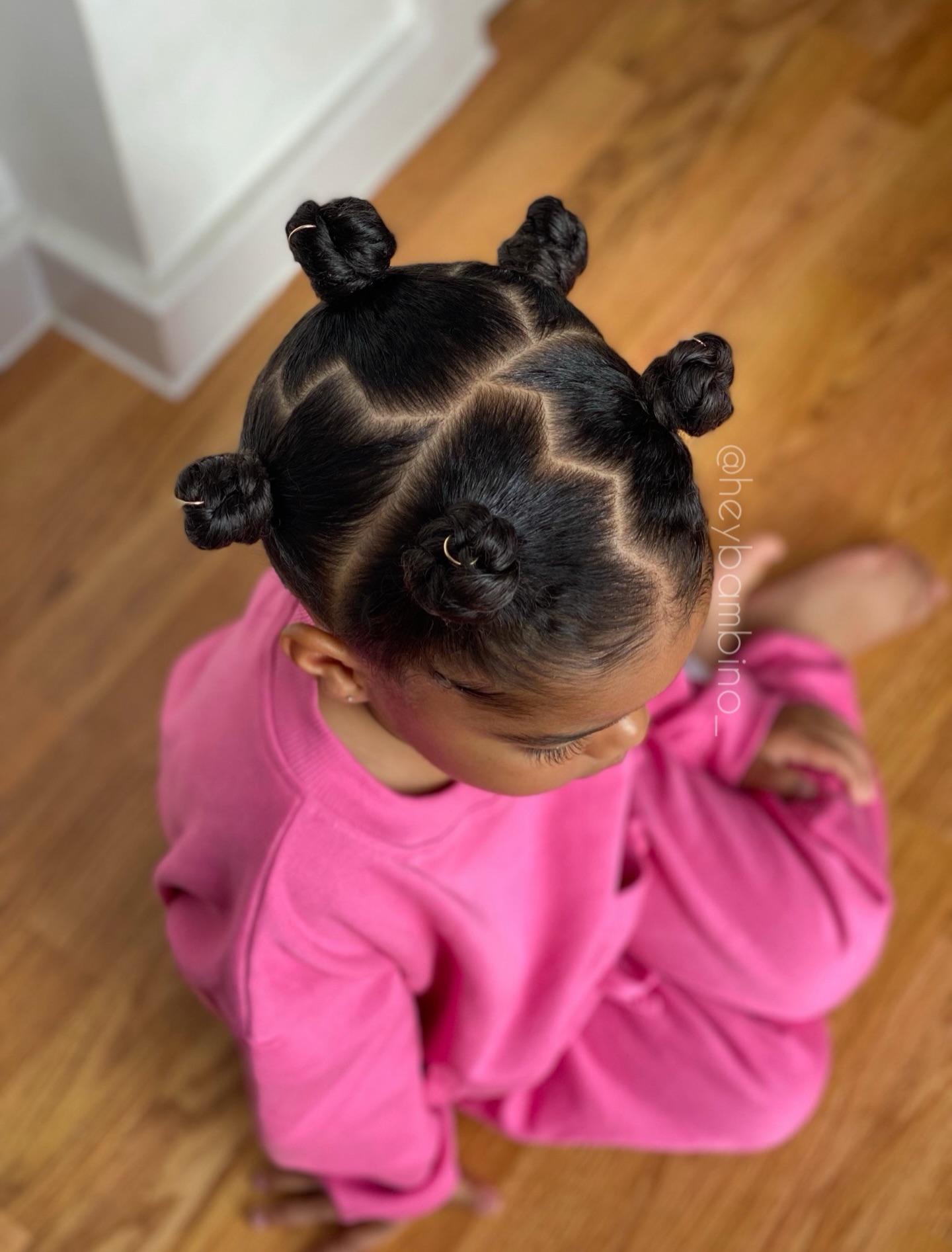
4. Bantu Knots
Source Link: @Instagram
Bantu knots are a traditional African hairstyle that doubles as a school protective style and a styling technique. Section the hair, twist each section tightly, then coil it into a tight knot pinned against the scalp. The result is a set of neat, round “buttons” of hair all over the head.
On 4c hair, bantu knots serve double duty: worn as-is, they’re a cute, school-appropriate protective style. Taken down after a few days, they release into gorgeous, defined twist-outs or knot-outs — so you get two looks from one install.
Practical tip: Size matters. Smaller knots last longer and hold a tighter pattern. Larger knots are quicker to install and create bigger, looser waves when taken down. For school longevity, go medium-sized knots.
Best for: Short to medium 4c hair Lasts: 3–5 days Difficulty level: Beginner–Intermediate
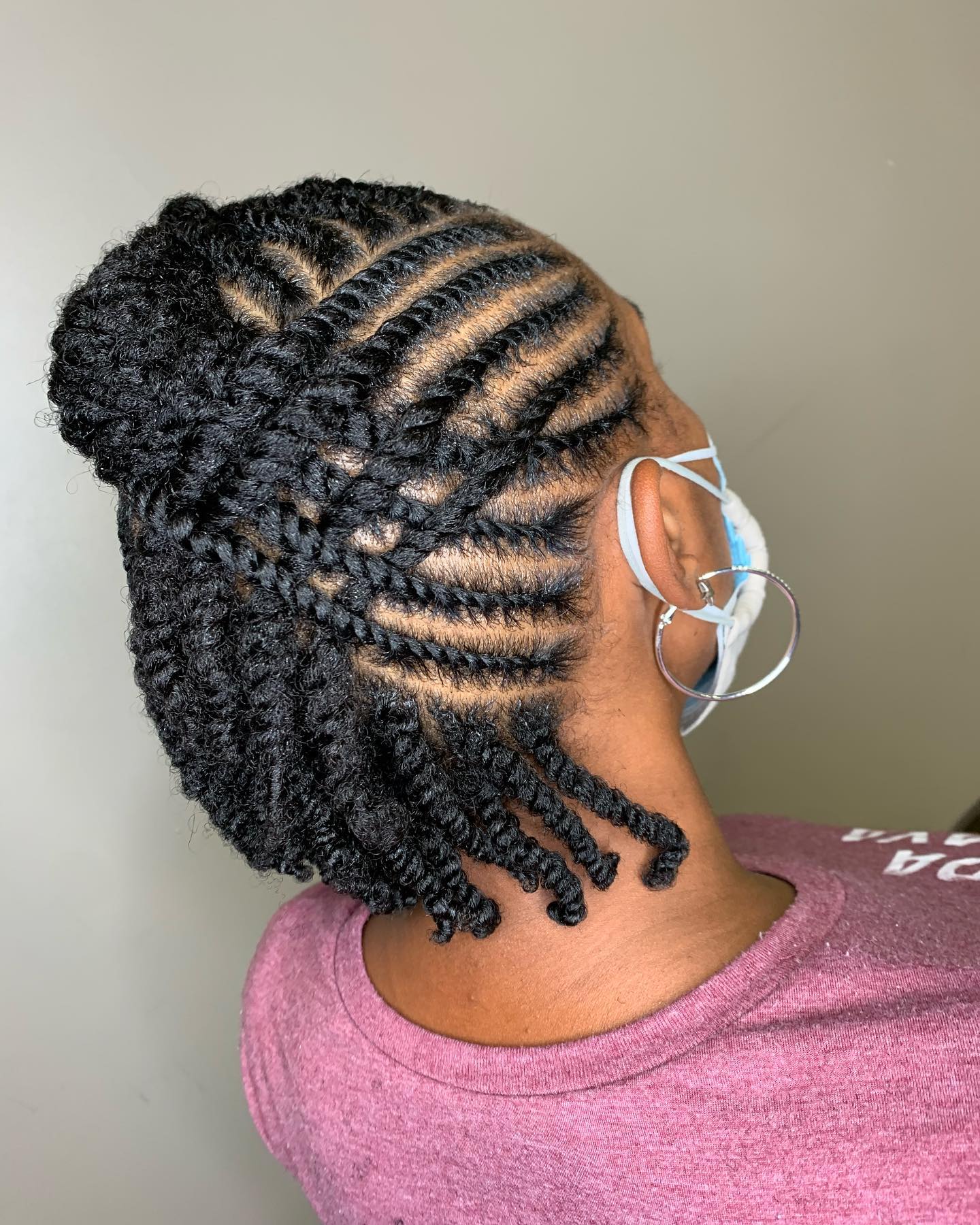
5. Flat Twists
Source: @Instagram
Flat twists are the cornrow’s cousin — instead of three-strand braiding, two sections are twisted flat against the scalp in a similar direction. The result looks similar to cornrows but has a rounder, rope-like texture along the scalp rather than a braided one.
For school, flat twists styled into neat rows toward the back create a clean, polished look that works from Monday to Friday without restyling. They’re also slightly gentler on the scalp than cornrows because the twisting technique creates less tension.
Best for: Fine to medium 4c hair, sensitive scalps Lasts: 1–2 weeks Difficulty level: Intermediate
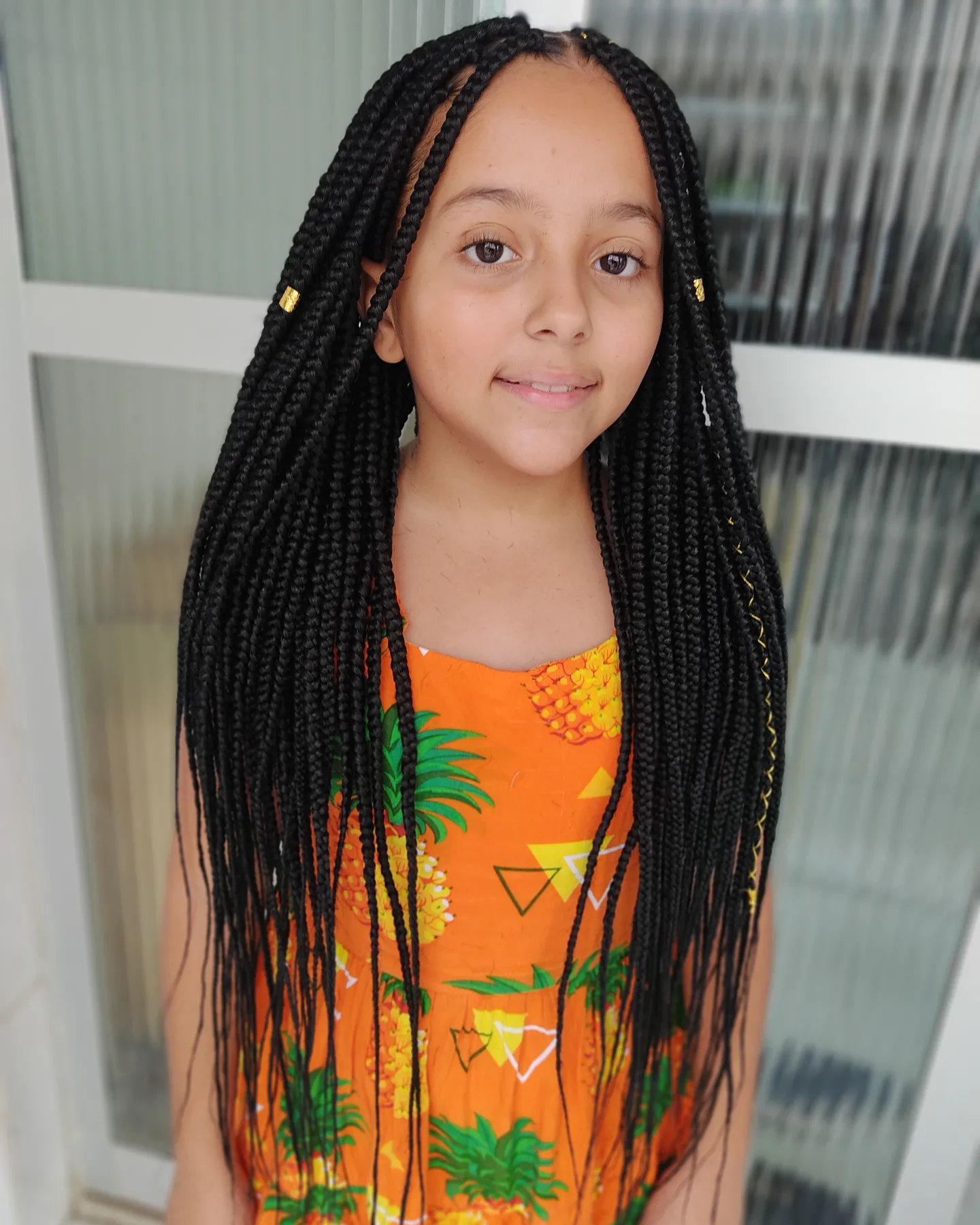
6. Box Braids (Mini or Medium)
Source: @Instagram
Box braids are an iconic protective style for natural hair, and in a school context, they’re one of the most practical options on this list. Once installed — either using extensions for added length or on natural hair alone — they require virtually zero morning styling. Wake up, shake them out, maybe tie on a headband, and go.
Mini box braids are extremely popular for school because they look neat, hold up beautifully, and don’t snag on backpacks or school clothes the way larger braids can.
Important note: Box braids with extensions take 3–6 hours to install but last 4–6 weeks — meaning you get through an entire school month with essentially zero morning hair stress. That’s the real value of this style.
Best for: All 4c hair lengths (extensions used for short hair) Lasts: 4–6 weeks Difficulty level: Advanced (professional installation recommended)
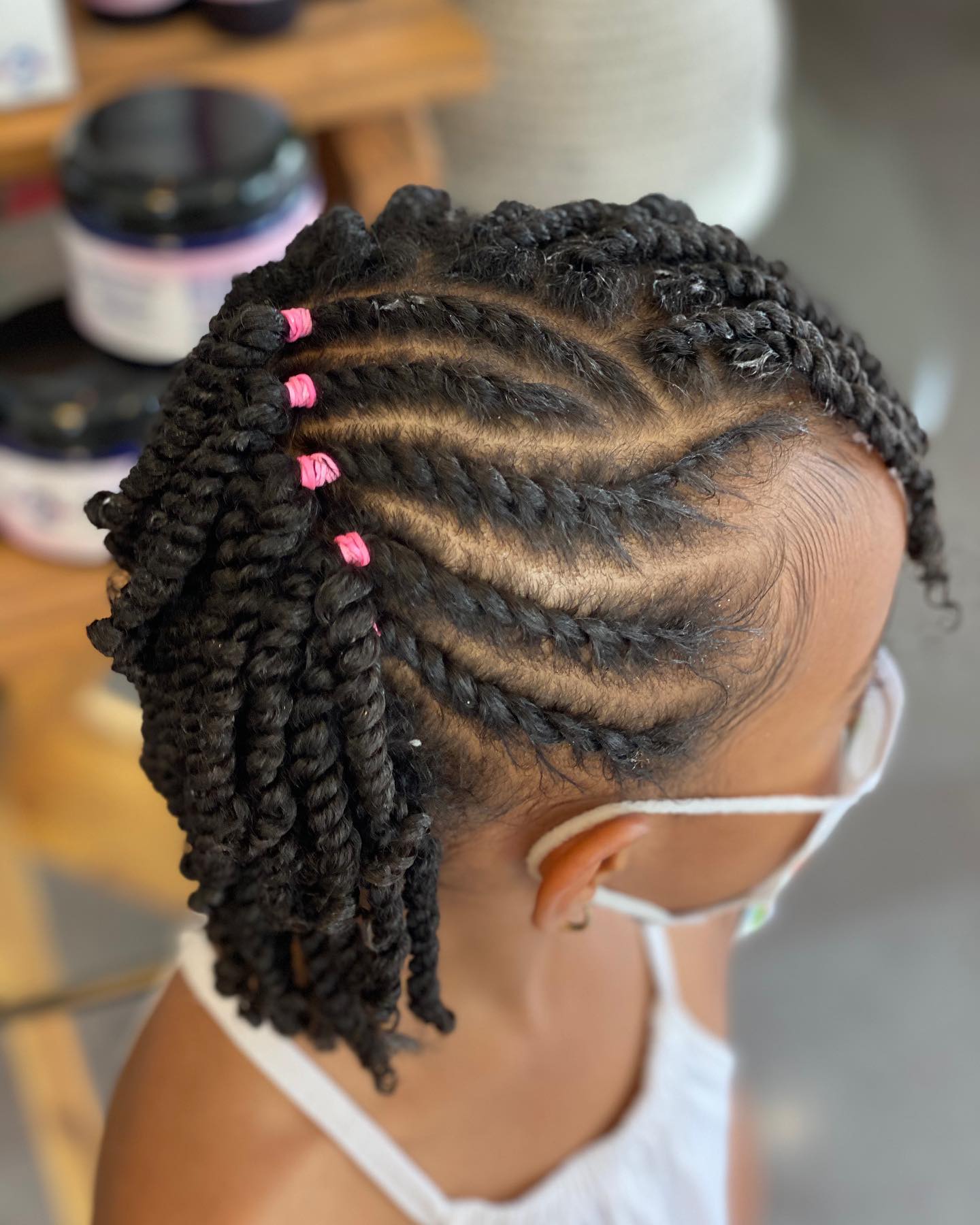
7. Two-Strand Twist-Out
Source: @Instagram
The twist-out isn’t a style you wear while twisted — it’s what happens when you take down two-strand twists and separate them carefully into defined, stretched curls. For 4c hair, a good twist-out creates a beautiful, voluminous curl pattern that’s softer and more defined than the natural unmanipulated coil.
Install the twists the night before, sleep in a satin bonnet, and take them down in the morning by unraveling from the bottom up — not the top. The key to a frizz-free 4c twist-out is not separating while the hair is still damp. Wait until fully dry.
Practical tip: Add a tiny amount of hair oil to your fingertips before separating each twist. It lubricates the strands and prevents the frizz that happens when dry fingers drag across dry 4c coils.
Best for: Medium to long 4c hair Lasts: 2–3 days (refreshable with a spritz of water and oil) Difficulty level: Beginner
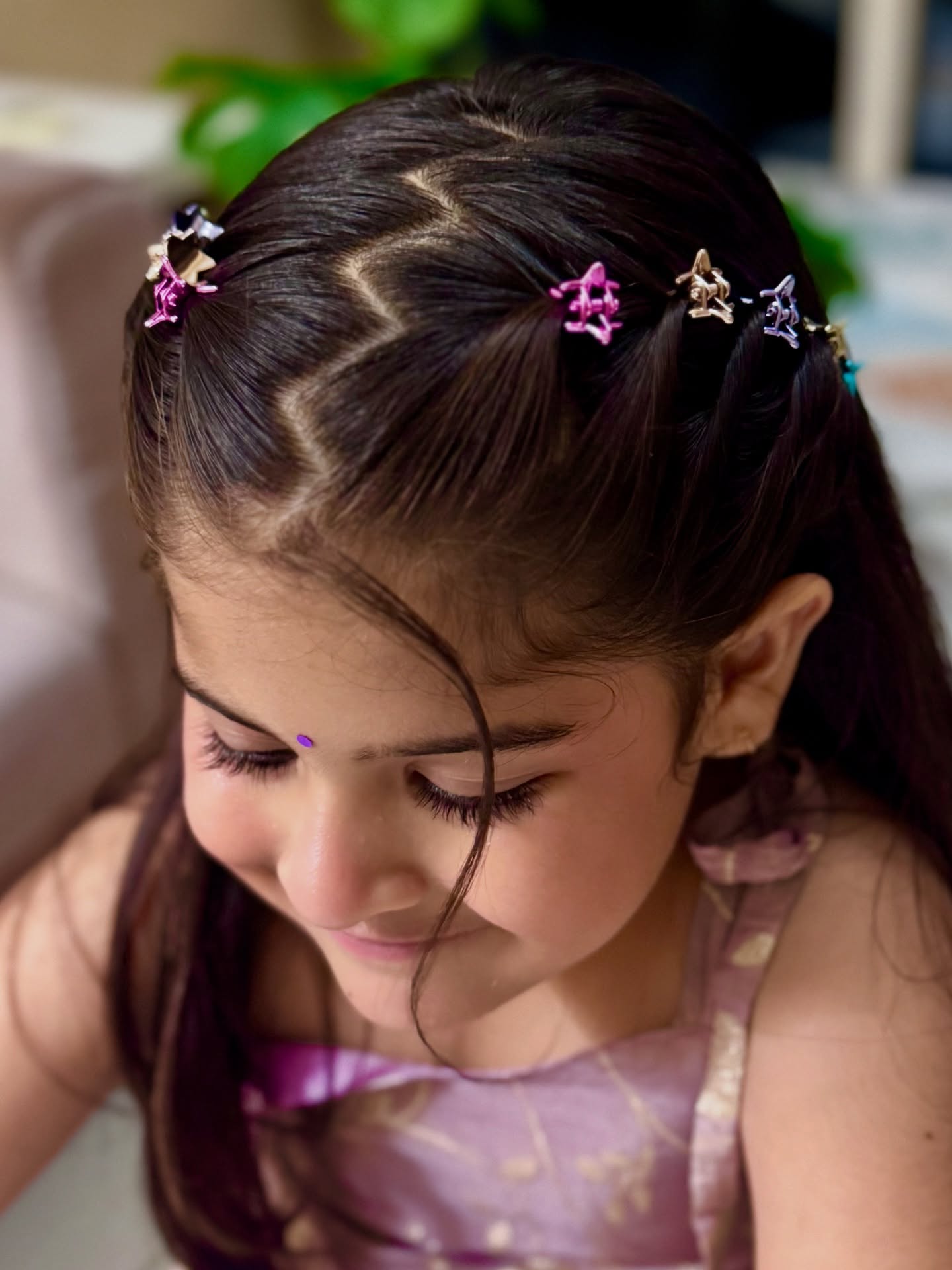
8. Pineapple Updo
Source: @Instagram
The pineapple is a preservation style as much as a styling choice. All the hair is gathered very loosely at the very top of the head and secured with a loose scrunchie — the result is a fan of hair spreading outward like the top of a pineapple. It’s quick, cute, and completely protective.
For school, the pineapple works best when the hair underneath has already been styled (a fresh twist-out or wash-and-go) and the pineapple is used to preserve that style through the school day. After school, take it down for a refreshed look.
Best for: Medium to long 4c hair Lasts: Day style; preserves underlying style for days Difficulty level: Beginner
9. Space Buns (Double Puffs)
Two high puffs — one on each side of the head — create the beloved “space buns” look that’s fun, school-appropriate, and surprisingly long-lasting. Divide the hair into two equal sections, create a puff on each side, smooth the edges, and secure. Done.
This style photographs beautifully, works for picture day, and stands up to a full school day of activity. Coordinate the scrunchie colors with a school uniform for a polished, intentional look.
Tip: Use two identical-sized scrunchies in a matching pair. Mismatched size between the two puffs is the most common issue with this style — use a comb to split the hair exactly down the center before creating each puff.
Best for: Short to medium 4c hair Lasts: 1–2 days Difficulty level: Beginner
10. Low Puff with Cornrow Front
This hybrid style combines two techniques for a look that’s polished at the front and natural at the back. Two or three cornrow rows are braided along the hairline from the front, gathering into a low puff at the nape. The braided front keeps the hairline neat and professional while the puff at the back showcases the natural 4c texture.
This is an excellent style for school environments that require a “neat” appearance because the front looks deliberate and structured, while still celebrating the natural hair.
Best for: Medium to long 4c hair Lasts: 3–5 days Difficulty level: Intermediate
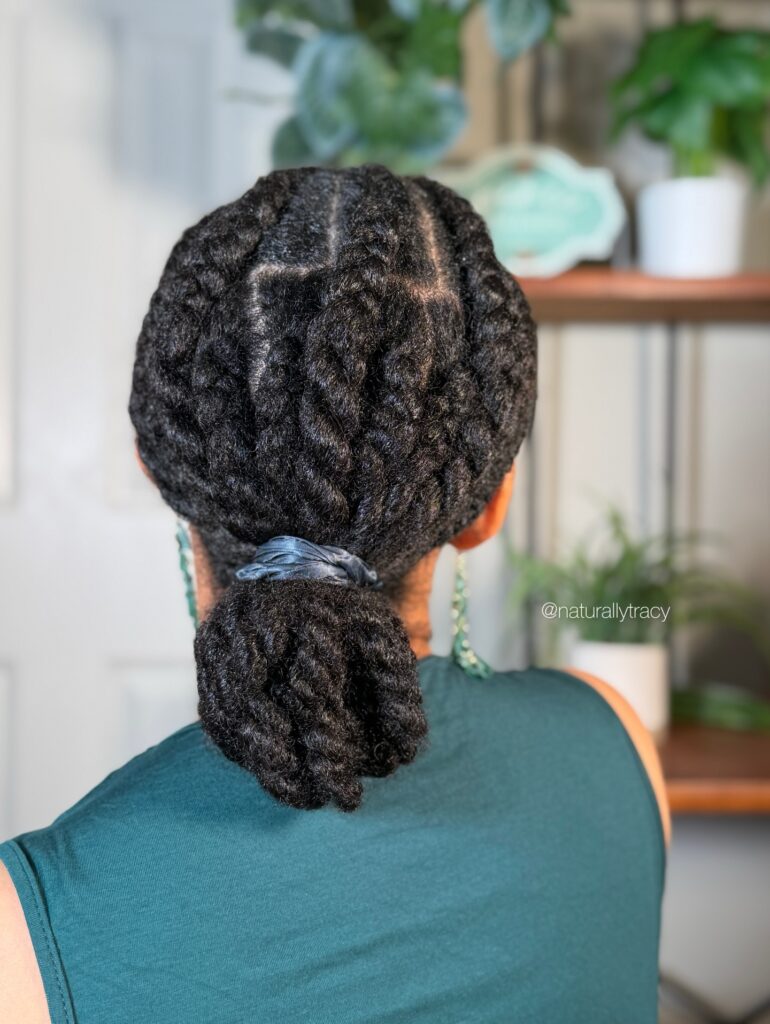
11. Chunky Flat Twist Updo
Source: @Instagram
Instead of braiding or twisting all the hair down, this style uses large flat twists that are then pinned up into an updo arrangement. The flat-twisted sections are secured at the back or crown in a pinned pattern, creating a style that looks elaborate but stays out of the way all day.
No loose ends. No strands catching on anything. Just clean, secured, beautiful natural hair that looks impressive and requires almost no maintenance between install and takedown.
Best for: Short to medium 4c hair Lasts: 3–5 days Difficulty level: Intermediate
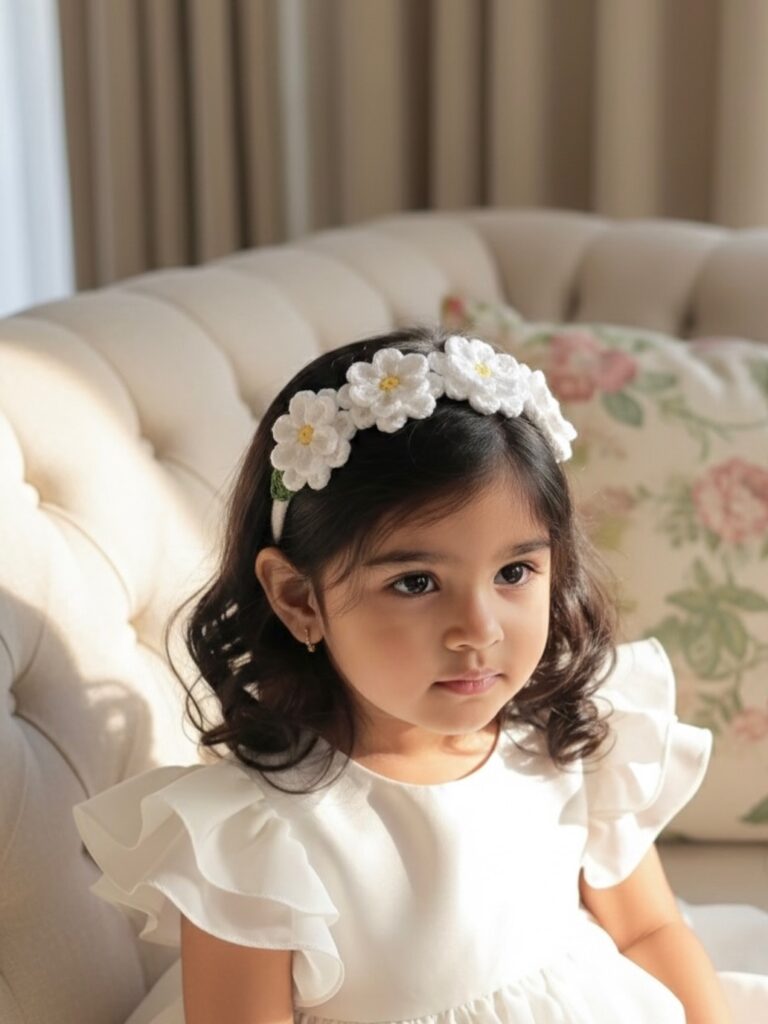
12. Headband Puff
Source: @Instagram
The simplest style on this list — and sometimes the most stylish. Stretch a wide fabric headband over the head, pushing it back from the hairline, and let the hair fall naturally into a puff or cascade behind it. A satin-lined headband is best for 4c hair to prevent friction and breakage at the hairline.
This is the style for days when there’s genuinely no time and the hair needs to look intentional anyway. It works best on hair that’s already been moisturized and has some definition from a previous style (like a twist-out).
Best for: Medium to long 4c hair Lasts: Day style Difficulty level: Beginner
13. Mini Twists
Smaller than standard two-strand twists, mini twists use very small sections of hair and create a dense, intricate pattern across the entire head. The smaller the twist, the longer the style lasts and the more defined the twist-out is if you choose to take them down later.
Mini twists take longer to install — 2 to 4 hours depending on hair length — but once they’re in, they’re one of the most durable school styles available. They look neat from day one to day seven without frizzing the way larger twists eventually do.
Best for: Short to medium 4c hair Lasts: 1–2 weeks Difficulty level: Intermediate–Advanced
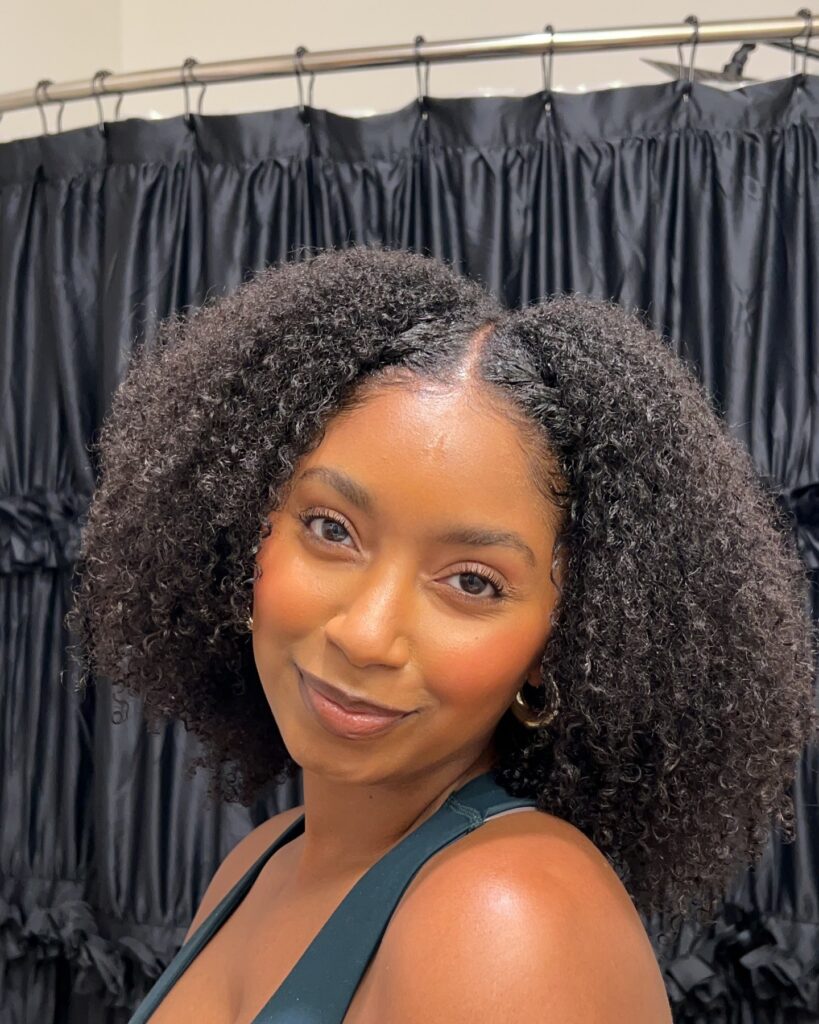
14. Wash-and-Go Hairstyles
Source: @Instagram
The wash-and-go is the most celebration-of-natural-texture style on this list. Wash the hair, apply a generous amount of a curl-defining cream or gel while the hair is soaking wet, scrunch upward to encourage curl formation, then let air dry or diffuse. The result is defined, voluminous 4c coils that bounce and spring as the child moves.
For school, the wash-and-go requires the right product for the specific 4c pattern. Denser, thicker 4c coils need heavier defining creams. Finer 4c coils respond better to lighter gels. Finding the right product takes some experimentation.
Practical tip: Apply defining product in sections and “rake” it through from root to tip before scrunching. This ensures even distribution and avoids the uneven definition that makes wash-and-go styles look patchy.
Best for: Short to medium 4c hair Lasts: 2–3 days (refresh with water and more product) Difficulty level: Beginner (product selection is the main skill)
15. Goddess Braids with Beads
Goddess braids — large, chunky cornrows braided close to the scalp — are a bold, beautiful school style that children genuinely love wearing. Add colorful hair beads at the ends of the braids and you’ve got a look that’s celebratory, protective, and perfect for school.
The beads aren’t just decorative — they add a small amount of weight that helps the braids hang neatly and prevents the ends from unraveling. Use plastic snap beads rather than metal clamping beads, which can catch and pull at the hair ends.
Tip: Thread beads while the braids are freshly done and still smooth. Trying to add beads to older braids that have already started frizzing at the ends is difficult and can cause breakage.
Best for: All 4c hair lengths Lasts: 2–3 weeks Difficulty level: Intermediate (professional recommended for intricate patterns)
Complete 4c School Hairstyle Reference Tables
Style Selector Guide
| Hairstyle | Difficulty | Time to Install | Lasts | Best Age Group | Morning Maintenance | Protective Level |
|---|---|---|---|---|---|---|
| Two-Strand Twists | Beginner | 45–90 min | 5–7 days | All ages | None after day 1 | High |
| Cornrows | Intermediate | 60–120 min | 2–3 weeks | All ages | None | Very High |
| High Puff | Beginner | 5–10 min | 1–2 days | All ages | Daily spritz | Medium |
| Bantu Knots | Beginner–Int | 30–60 min | 3–5 days | All ages | None | High |
| Flat Twists | Intermediate | 45–90 min | 1–2 weeks | All ages | None | High |
| Box Braids | Advanced | 3–6 hours | 4–6 weeks | 8+ years | None | Very High |
| Twist-Out | Beginner | 60 min install | 2–3 days | All ages | Refresh with water | Medium |
| Pineapple Updo | Beginner | 2–5 min | Day style | All ages | Daily restyle | Medium |
| Space Buns | Beginner | 5–10 min | 1–2 days | All ages | Daily spritz | Medium |
| Low Puff + Cornrows | Intermediate | 30–45 min | 3–5 days | All ages | None after day 1 | High |
| Chunky Flat Twist Updo | Intermediate | 45 min | 3–5 days | All ages | None | High |
| Headband Puff | Beginner | 2 min | Day style | All ages | Daily | Low |
| Mini Twists | Int–Advanced | 2–4 hours | 1–2 weeks | All ages | None | Very High |
| Wash-and-Go | Beginner | 30–45 min | 2–3 days | All ages | Refresh with water | Low–Medium |
| Goddess Braids + Beads | Intermediate | 60–120 min | 2–3 weeks | All ages | None | Very High |
4c Hair Product Guide for School Styles
| Product Type | Purpose | Key Ingredients to Look For | Best Styles | Apply When |
|---|---|---|---|---|
| Leave-In Conditioner | Daily moisture base | Aloe vera, panthenol, glycerin | All styles | Before any styling |
| Curl Defining Cream | Define coils, reduce frizz | Shea butter, castor oil | Twist-outs, wash-and-go | On wet or damp hair |
| Edge Control Gel | Smooth hairline, lay baby hairs | Aloe, light hold polymers | Puffs, cornrows | On damp hair |
| Braid/Twist Spray | Moisture between washes | Water, aloe, light oil | All braided/twisted styles | Every 2–3 days |
| Hair Butter | Seal in moisture, add shine | Shea, mango, kokum butter | Two-strand twists, flat twists | Over leave-in |
| Lightweight Hair Oil | Seal ends, add sheen | Argan, jojoba, sweet almond | All styles | Last step |
| Detangling Spray | Reduce breakage on detangle | Slip agents, conditioners | Before any style install | On wet hair |
| Strong Hold Gel | Sleek puffs, wash-and-go | Flaxseed, castor, polymers | Wash-and-go, puffs | On soaking wet hair |
Common Mistakes and How to Avoid Them
These are the mistakes I see most often with 4c school hairstyles — and every one of them can be easily fixed.
1. Styling Dry Hair Never style 4c hair dry. Dry 4c hair is the most fragile it will ever be — it snaps under tension, fights detangling, and doesn’t hold styles well. Always start with wet or very well-moisturized hair. If you don’t have time to wash, a thorough spritz of water and leave-in conditioner brings the hair to a workable state.
2. Using Rubber Bands Directly on 4c Hair Regular rubber bands are one of the fastest ways to cause breakage in 4c hair. The elastic grabs individual strands and snaps them on removal. Always use fabric-covered elastics or scrunchies — and even these should be removed carefully, not yanked out.
3. Skipping the Satin Bonnet at Night Cotton pillowcases absorb moisture from 4c hair overnight and create friction that unravels twists, flattens puffs, and generates frizz. A satin bonnet or satin pillowcase extends the life of every style on this list by 2–3 additional days. Make it a non-negotiable part of the nighttime routine.
4. Braiding or Twisting Too Tightly Traction alopecia — hair loss caused by repeated tension on the follicle — is a real risk with 4c hair that’s styled too tightly, especially around the hairline. If you can see raised skin bumps along the hairline after styling or if the child complains of pain, the tension is too high. Loosen every style that causes discomfort.
5. Not Moisturizing Between Wash Days 4c hair needs moisture every 2–3 days, not just on wash day. A braid spray or water-and-leave-in spritz applied every few days between washes keeps protective styles fresh and prevents the dry, crunchy texture that weakens strands over time.
6. Installing New Styles on Unwashed Hair Installing box braids, cornrows, or twists on hair that has significant product buildup or hasn’t been washed in over a week traps buildup against the scalp and causes itching, dandruff, and scalp discomfort. Always start any longer-term protective style on freshly washed, conditioned, and dried hair.
7. Detangling Without Enough Slip 4c coils interlock tightly. Detangling without a detangling conditioner or detangling spray causes massive breakage. Always detangle in small sections, starting from the ends and working upward, with fingers first and then a wide-tooth comb — never a fine-tooth comb or brush on dry 4c hair.
Similar Variations Worth Exploring
If these 15 styles sparked ideas for you, here are more directions to explore:
- Faux Locs for Kids: Protective and long-lasting with a boho feel; great for older children
- Crochet Braids: Pre-made braid or twist patterns crocheted onto cornrowed natural hair — quicker installation than individual braids
- Marley Twists: Similar to two-strand twists but using Marley hair extensions for more volume and length
- Passion Twists: Wavy extensions twisted in for a more textured, bohemian protective look
- Natural Hair Updo Styles: Gathered, pinned styles using only natural hair — great for girls with longer 4c hair
- Loc Styles: For children already in locs, school-specific loc styles including buns, half-ups, and pinned updos
Hair Care Tips for 4c Hairstyles for School
Good styling is only half the equation. The other half is the routine that keeps 4c hair healthy between styles. Here’s what I recommend specifically for school-going children with 4c hair.
Moisture Is Everything — Do the LOC Method The LOC method (Liquid → Oil → Cream) is the gold standard for 4c hair moisturizing. Apply a water-based leave-in first, seal with a light oil, then layer a butter or cream on top. This sequence seals moisture inside the strand for days rather than hours.
Bonnet Every Single Night A satin or silk bonnet before bed is the single most impactful habit for keeping 4c school styles looking fresh. Even on rushed mornings, a child who slept in a bonnet the night before has hair that still looks styled rather than wrecked. Make the bonnet part of the bedtime routine — right after brushing teeth.
Trim Every 3–4 Months Split and damaged ends travel upward and cause breakage in otherwise healthy hair. A light dusting (trimming just the very tips) every 3–4 months keeps the ends healthy and reduces the tangling and snagging that makes detangling sessions stressful.
Wash Day Every 1–2 Weeks 4c hair does not need washing every day — in fact, washing too frequently strips the natural oils that keep coils defined and moisturized. Aim for wash day every 7–14 days using a sulfate-free shampoo followed by a deep conditioning treatment.
Deep Condition Without Skipping Deep conditioning is not optional for 4c hair. It restores moisture and elasticity — especially important for children whose hair endures daily manipulation at school, PE class, and wind. 20–30 minutes under a heat cap or shower cap with a deep conditioner makes a visible difference in hair strength and softness.
Choose Accessories Wisely Avoid metal-tipped bobby pins (the metal tip snags and breaks strands), thin rubber bands, and heavy barrettes with poor clasps. Invest in satin scrunchies, fabric-wrapped elastics, smooth plastic barrettes, and quality snap beads for the healthiest interaction with 4c hair.
Conclusion
Styling 4c hairstyles for school doesn’t have to be stressful, time-consuming, or a daily battle. The 15 styles I’ve covered here span every skill level, hair length, and time budget — from a 2-minute headband puff on a rushed Tuesday morning to a full goddess braid install that carries you through three weeks of school days without thinking twice.
The real secret is this: moisturize consistently, protect at night, choose styles that are genuinely gentle on the hairline, and work with the hair’s natural texture rather than fighting it. Do those things, and every single one of these 4c hairstyles for school will not only look beautiful — they’ll actually help the hair grow longer, stronger, and healthier with every passing school year.